A Tourist in Rome - Vatican Museum
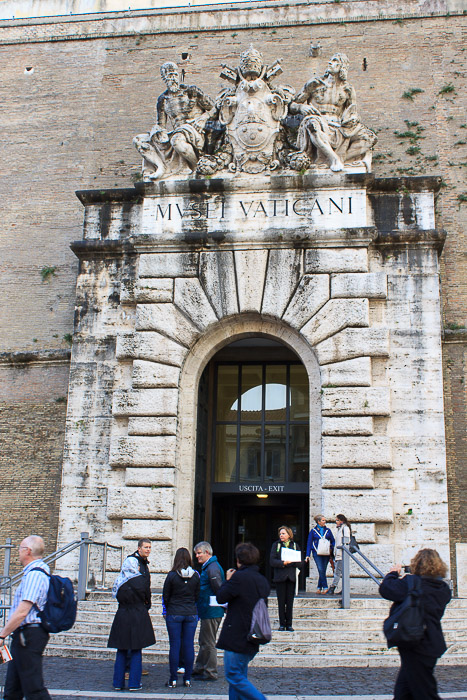
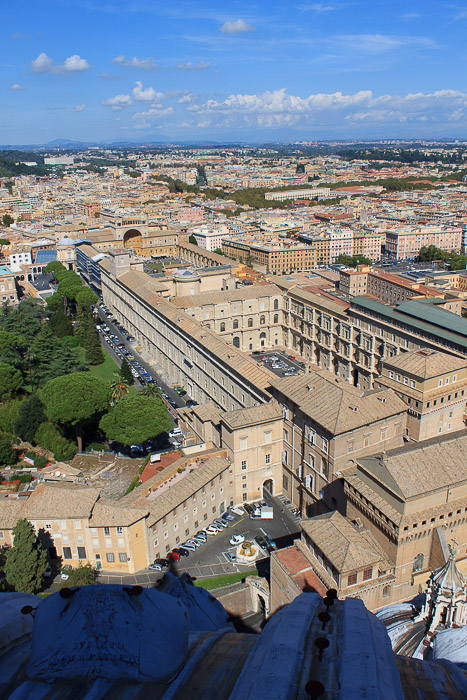
| Location: | 41.90689, 12.45384 Northern edge of the Vatican, entrance is at Viale Vaticano and Via Tunis |
| Metro: | Cipro Musei Vaticano |
| Time: | 2 to 4 hours |
| Cost: | €20 |
| Hours: | Monday - Saturday 9 AM - 8 PM, closed Sunday |
The Vatican Museum is a very large museum where you can spend anywhere from a couple hours to several days. It can be overwhelming and can get very crowded. To avoid lines, you should buy your ticket online in advance, and check the hours and days the museum is closed against when you plan to go. You must reserve the date and time you want to go, and you must print the voucher they email you. Then, at the museum, you can bypass the ticket-purchase line and go directly to the "Entrance with Reservations"line on the right. Once inside, you exchange your voucher for a ticket, showing your ID. Although mornings are among the most crowded times to visit the museum, I recommend you go then, spend the morning and lunchtime in the museum, then see the Sistine Chapel, St. Peter's Basilica, the Dome Walk and St. Peter's Square in the afternoon and evening. I suggest this route because it reduces your walking distance. If you begin with the Basilica area, you'll need to walk around the outside of the Vatican to get to the entrance of the museum (about a 30 minute walk of about a mile), and when you finish the museum, you'll be back at the Basilica entrance anyhow. But that extra walk is the only reason I make this suggestion, you might avoid crowds better by seeing the museum during the afternoon when the crowds there are thinned a bit. In any case, to get into St. Peter's Basilica or to take the Dome Walk or to visit the Museum, you must dress such that your shoulders and knees are covered, and shorts are prohibited. The museum has two exits and you should decide which route you'll take before you enter. The main exit is near the entrance, at the north edge of the Vatican. If you rent an audio guide, you will must use this exit since you must return your audio guide, but then you're that mile away from the Basilica. If instead you forego the audio guide, and don't have a bag large enough to have to check, you can exit from the Sistine Chapel at the end of the museum directly into the Basilica. This is the route I recommend, to save time and walking distance. However, I've read that sometimes that exit is closed since its officially only for tour-guides and their groups. If it looks like people are being turned away, just blend in with a tour-group.
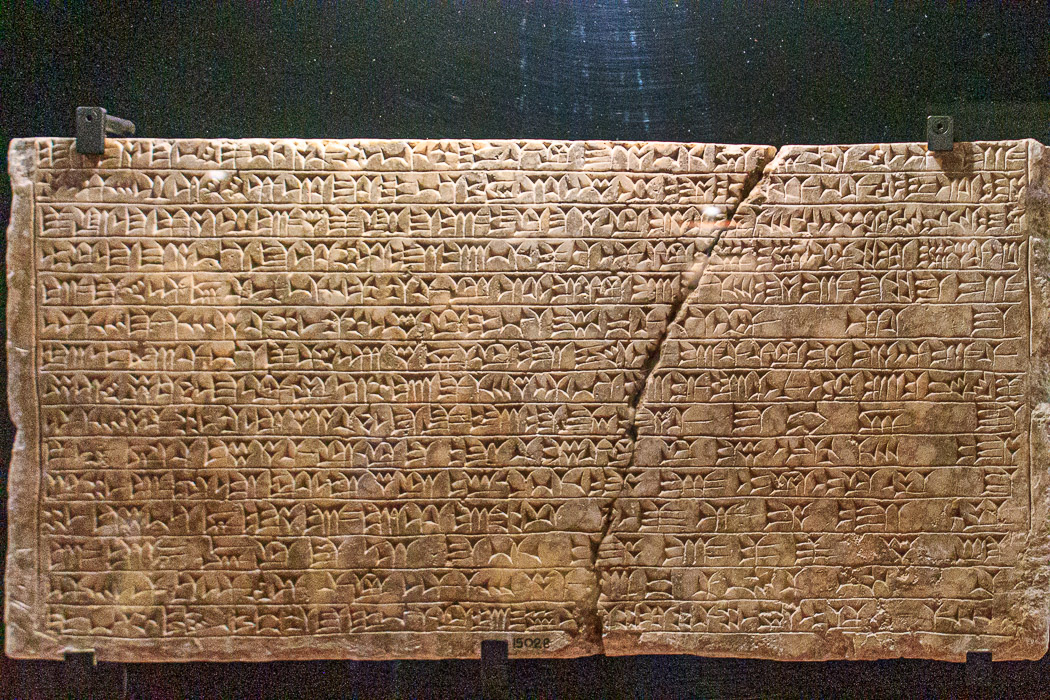
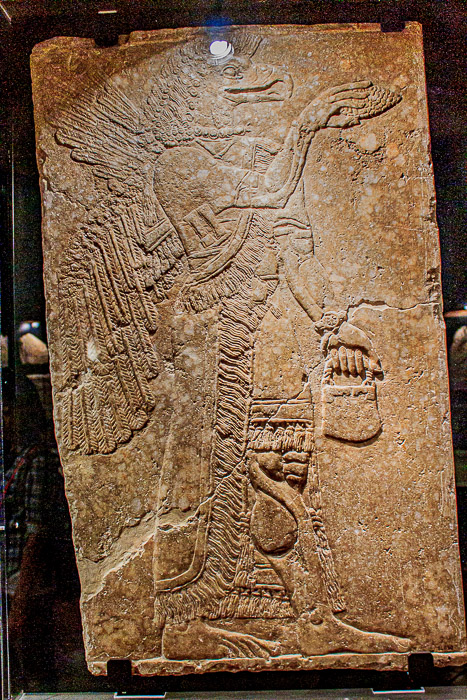
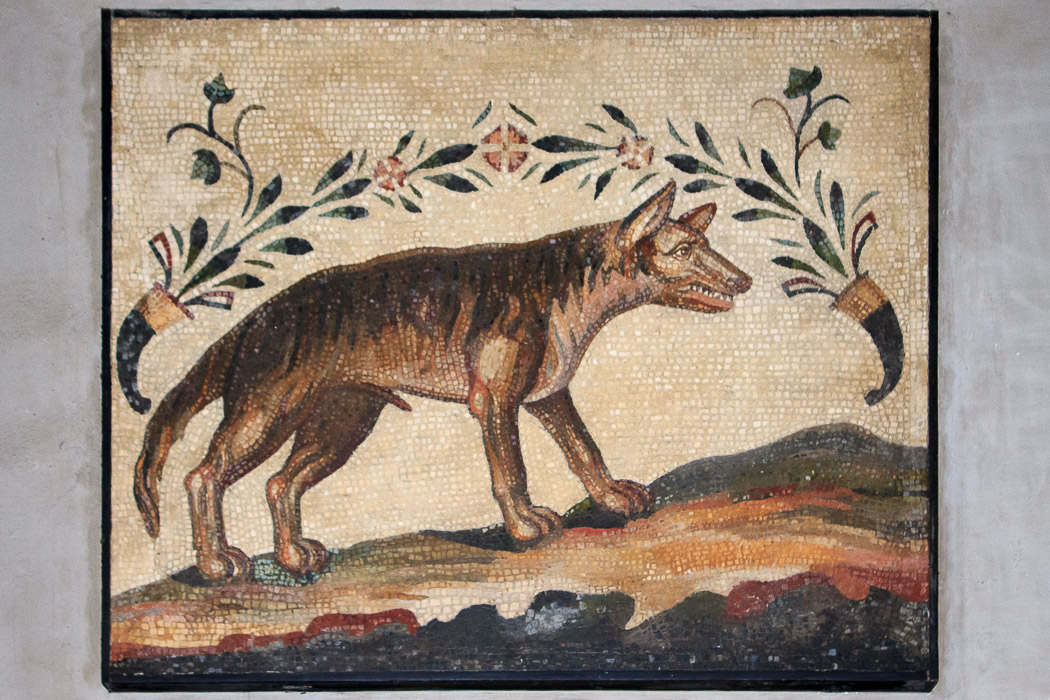
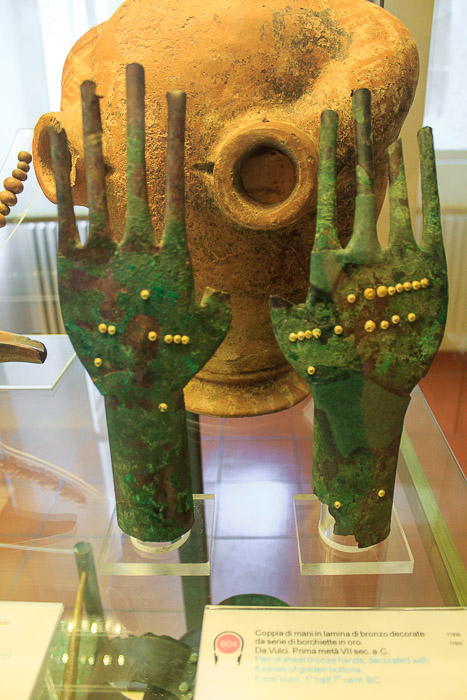
With all the photos on this page, be sure to click or touch the photo to zoom in and reveal the caption so you can understand what you're seeing and the significance of it. Then you can click it again to put the photo back to original size, or press your right arrow key on your keyboard to magnify the next photo.
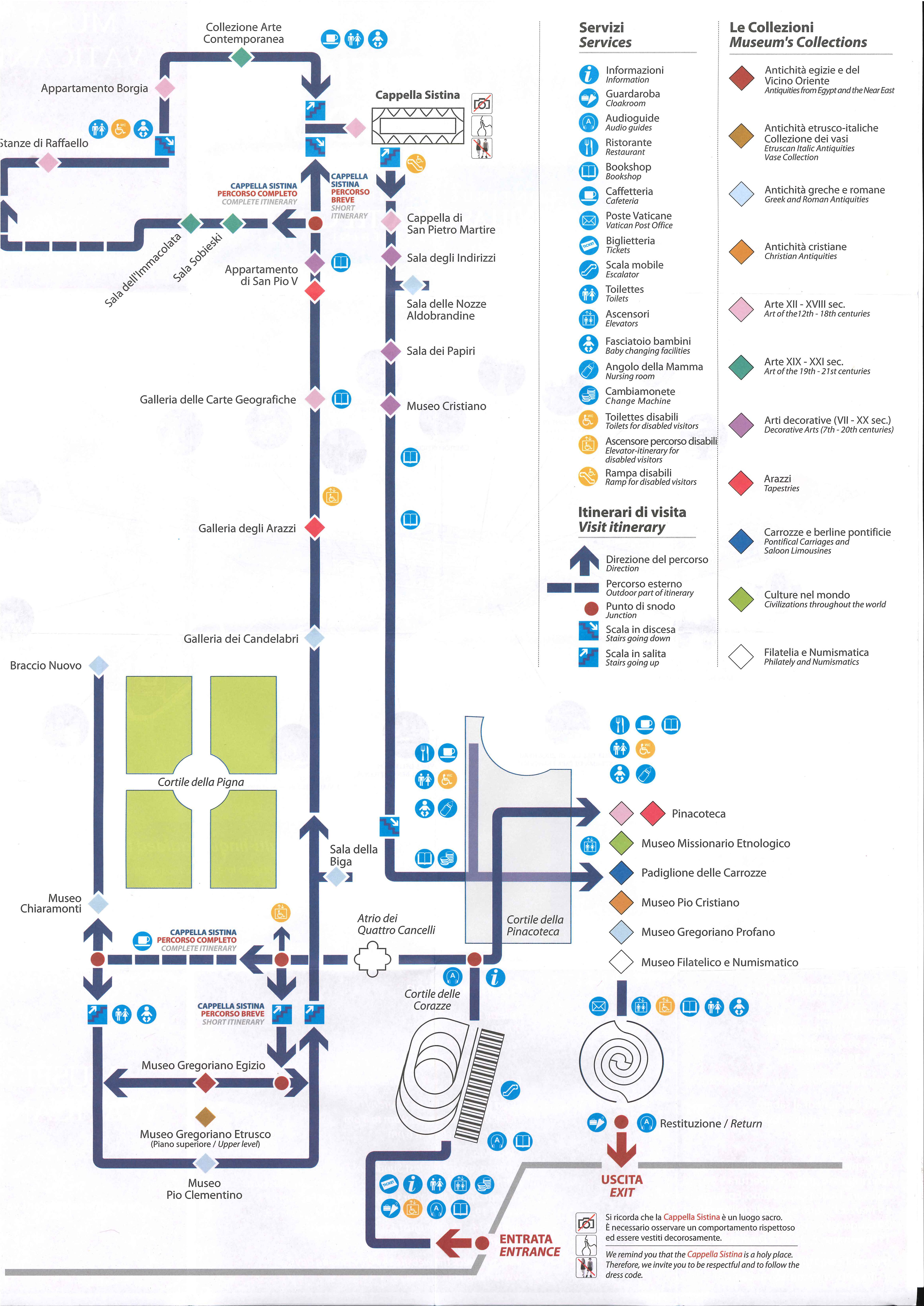
For your use in following along with the route I'm suggesting through the museum, here is a map of the lower floor, upper floor, and basement and here is a map of the museum in a single layer.
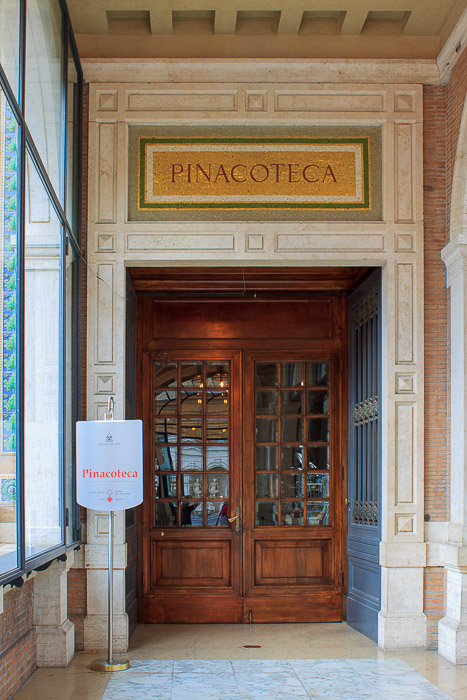
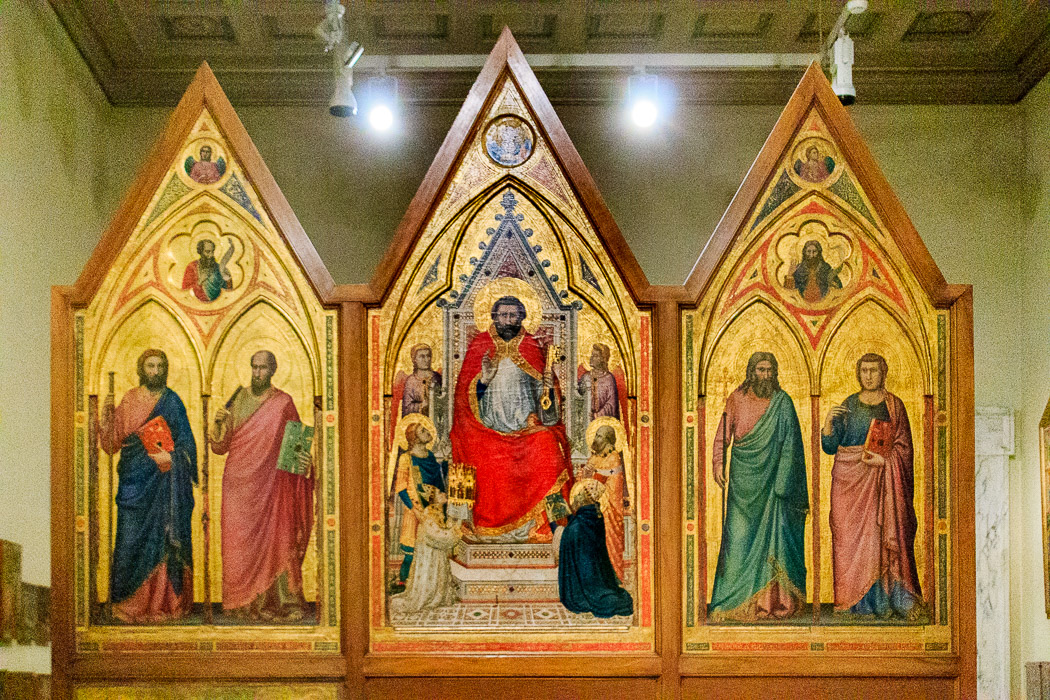
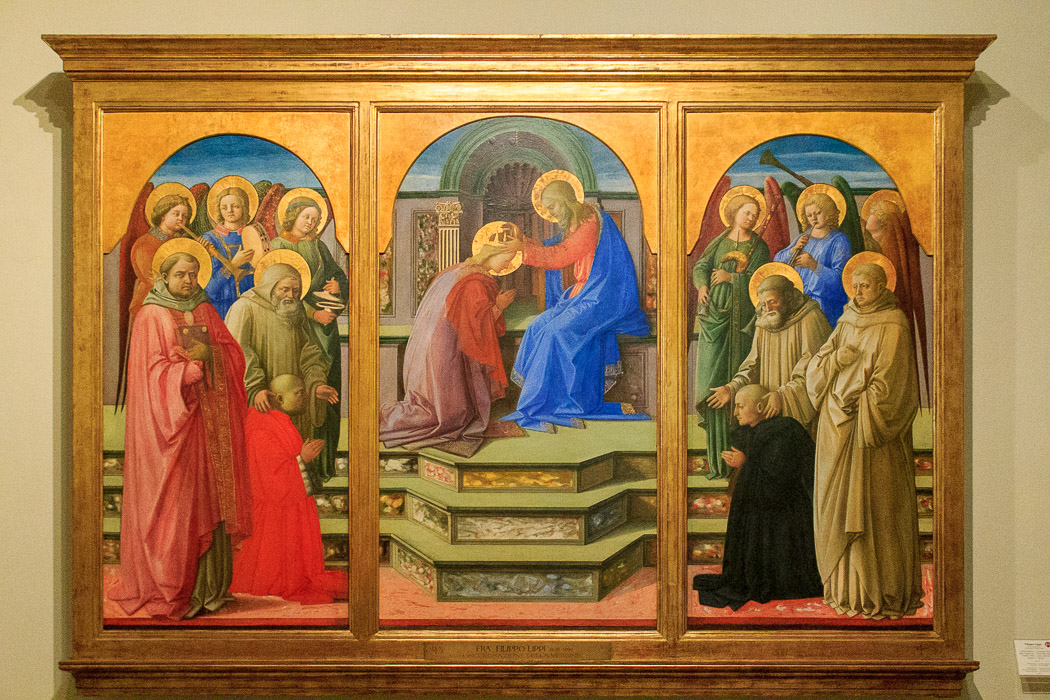
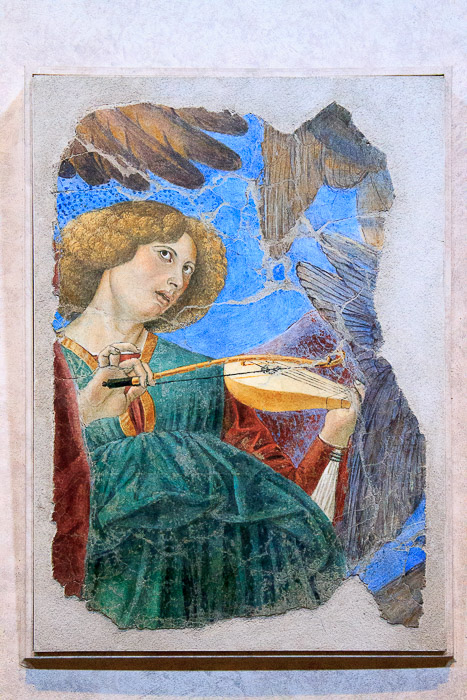
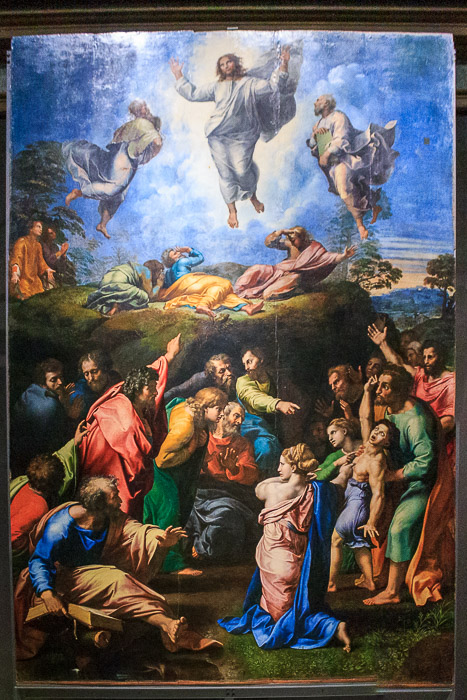
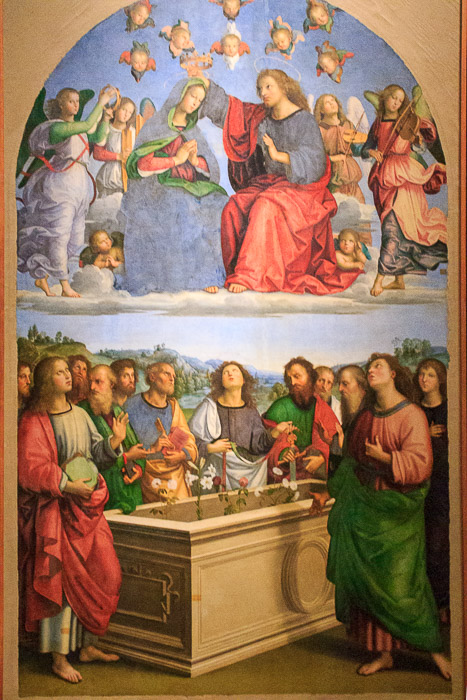
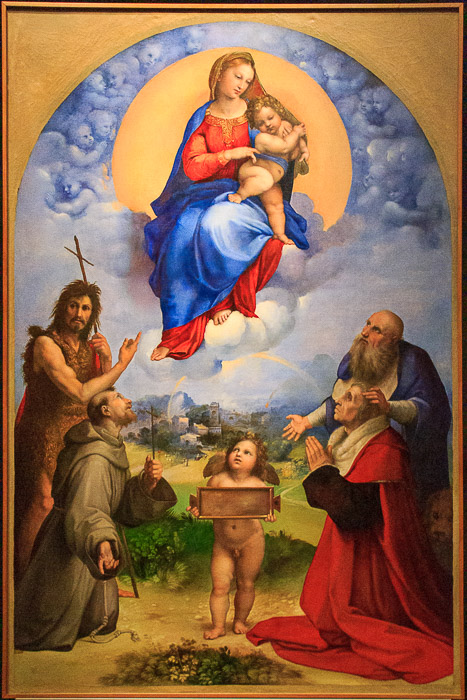
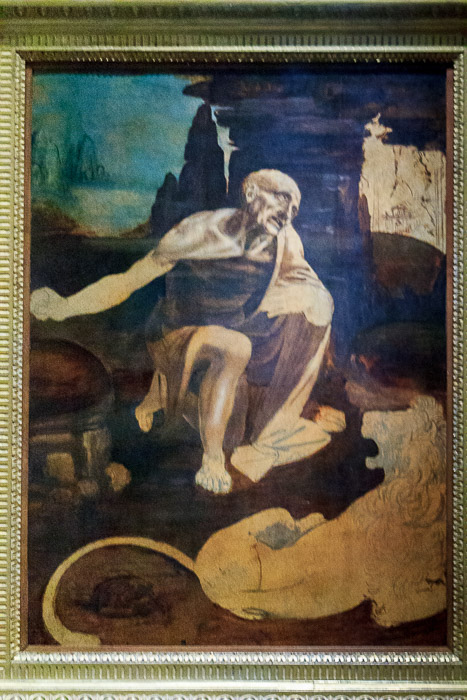
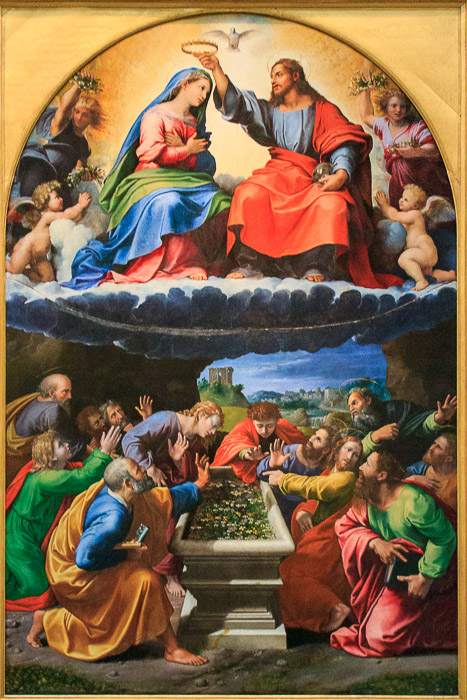
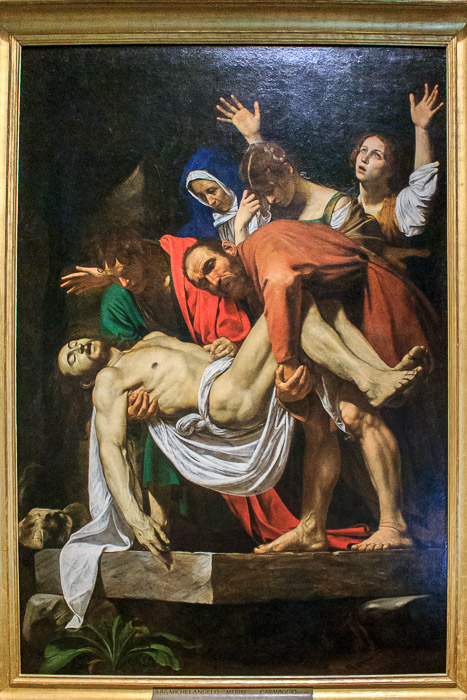
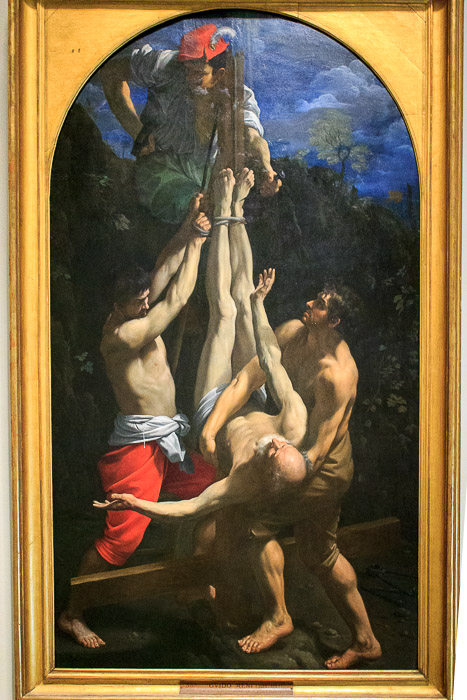
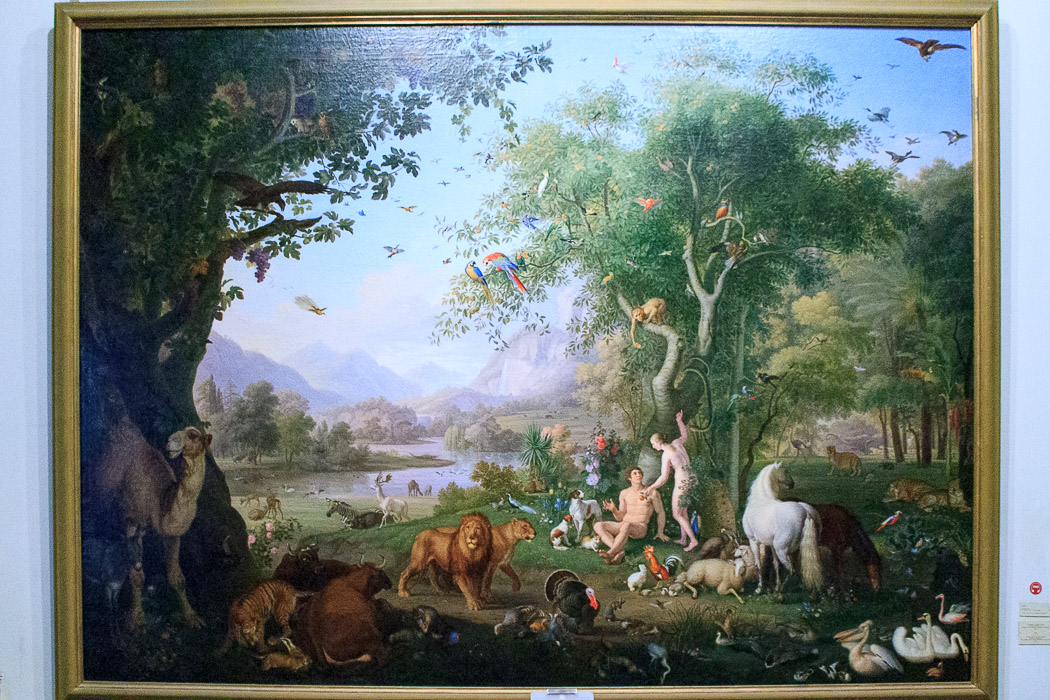
The Pinacoteca is the painting gallery in the Vatican Museum. If you wish to see it and you're planning to exit the museum from the Sistine Chapel, you should see the Pinacoteca at the start of your tour. After the Pinacoteca, you'll be back on track for the normal direct route through the museum. You'll begin with an Ancient section (my favorite) with Egyptian, Greek, Roman, and Etruscan areas, followed by a very long hallway with statues (I like this part, too), tapestries, then maps, followed by a trip upstairs to a set of many rooms from the Renaissance period, and finally back to the lower floor to the SistineChapel. Now that you understand the task that awaits you, pace yourself and skip the sections you're not interested in so you can make it through in the time you want, and with the remaining energy that you want. If you want to see the Pinacoteca (I breezed through it in about 20 minutes during my first visit, with another 40 minutes during my second visit), the photos below are what I'd consider the highlights. If you're really in a hurry and want the single highlight, it'd be Raphael's masterpiece named The Transfiguration, 5th photo below.
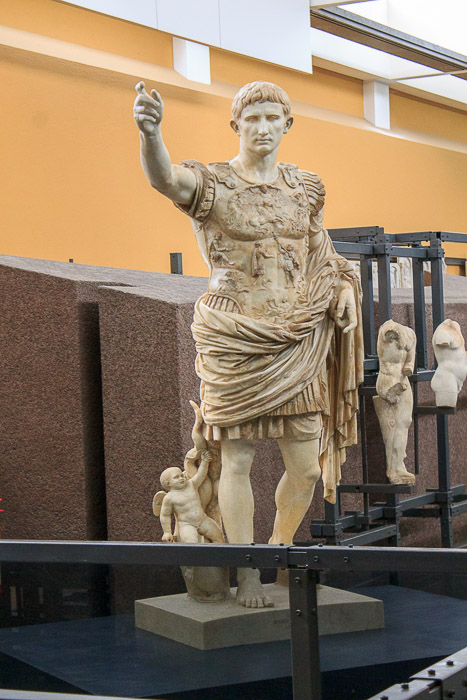
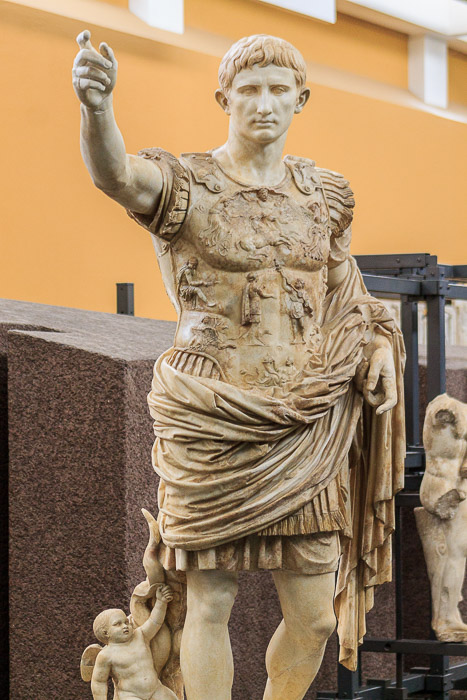
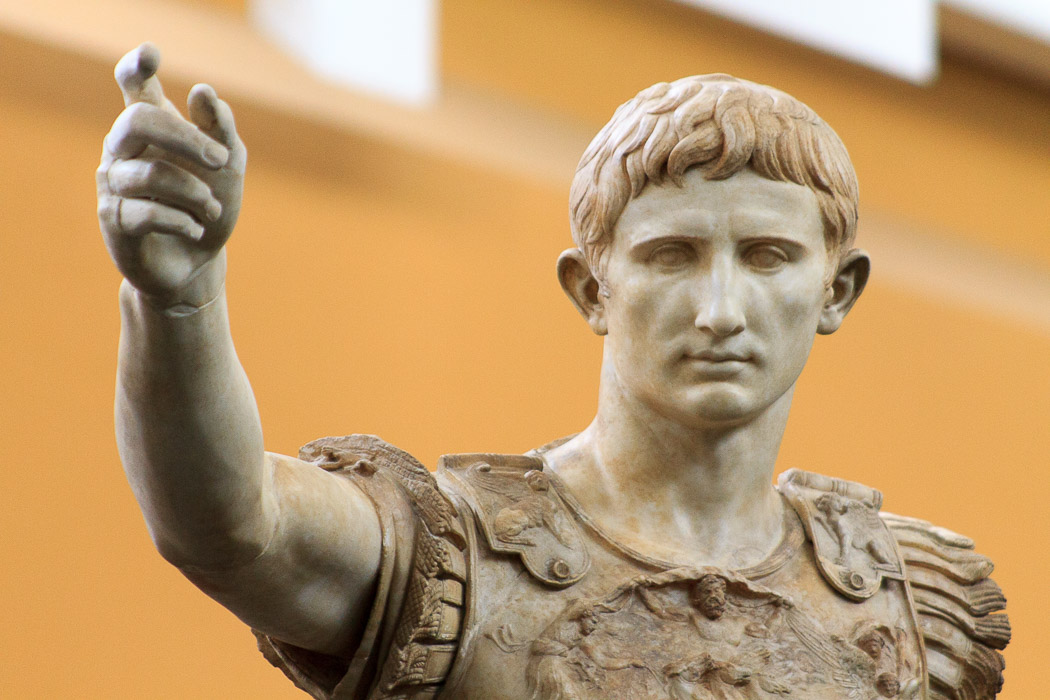
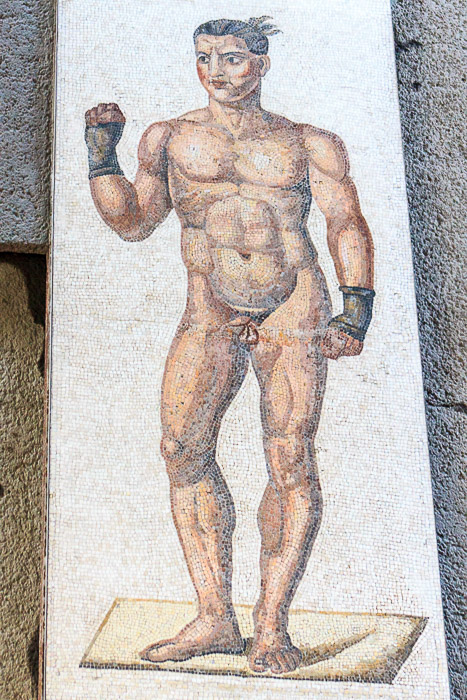
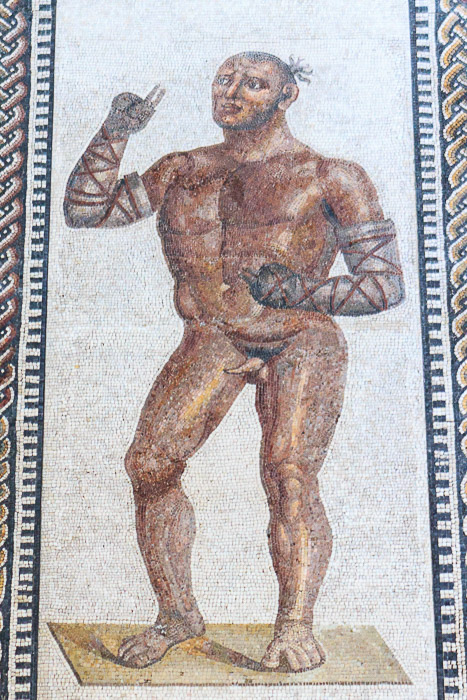
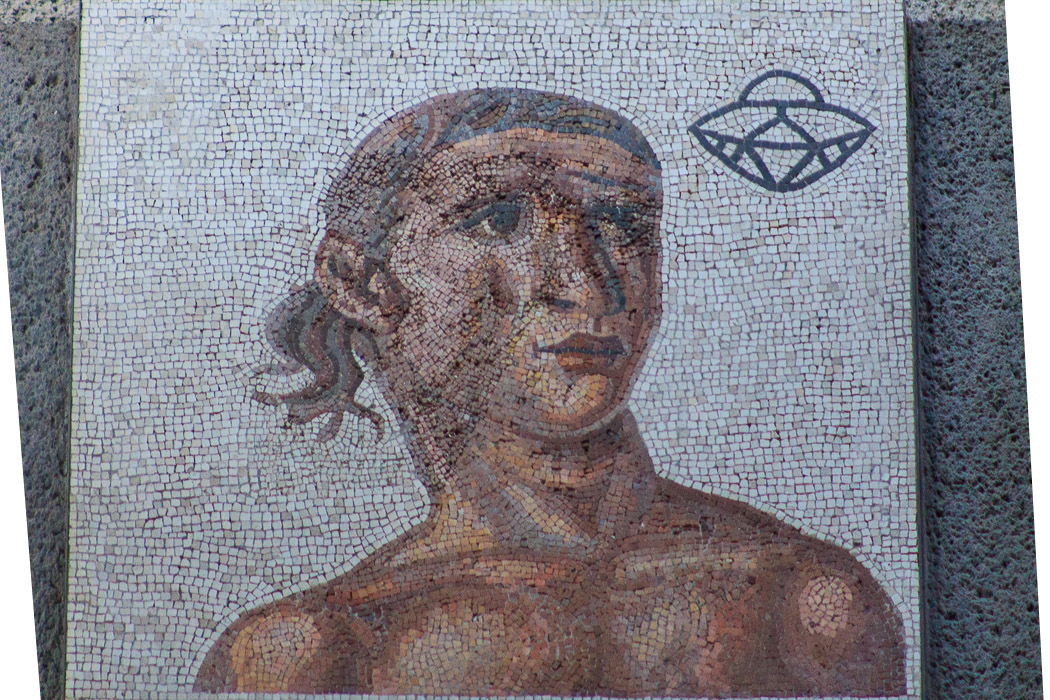
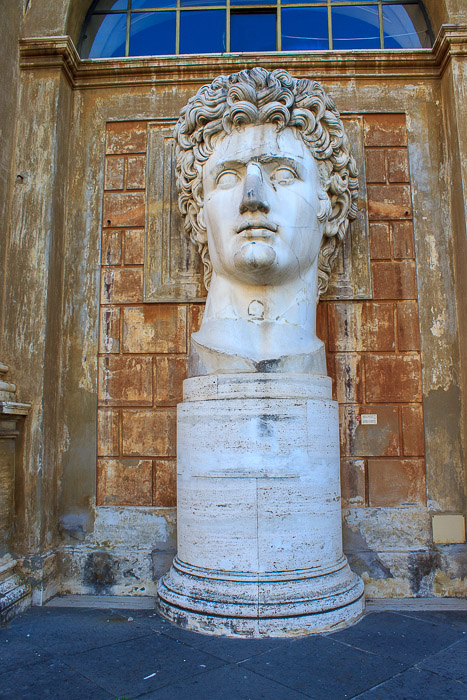
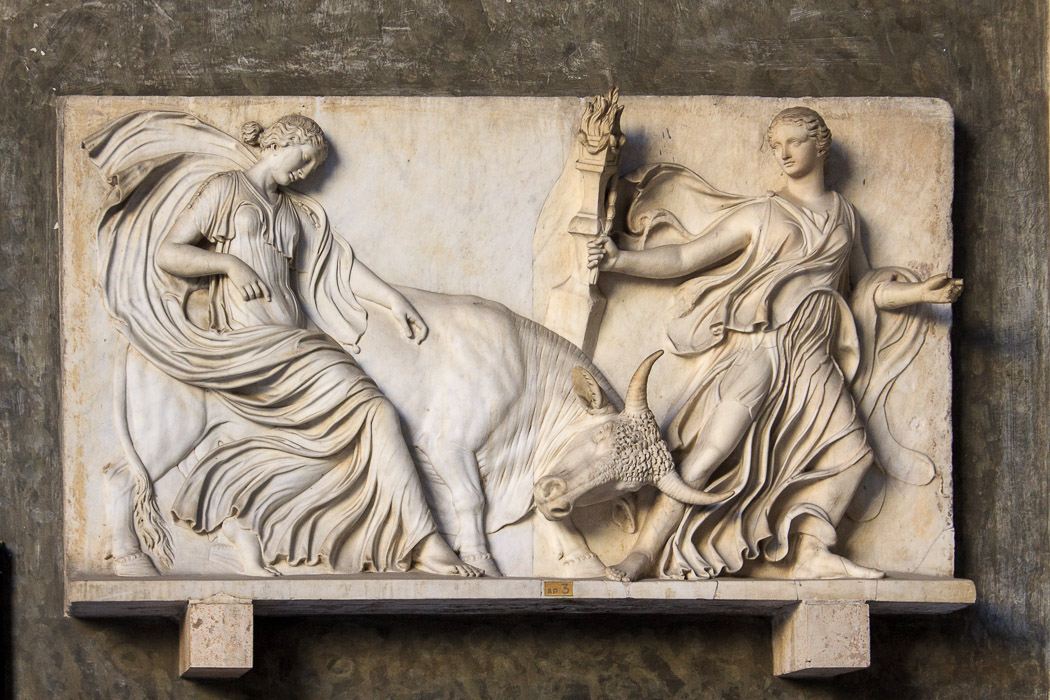
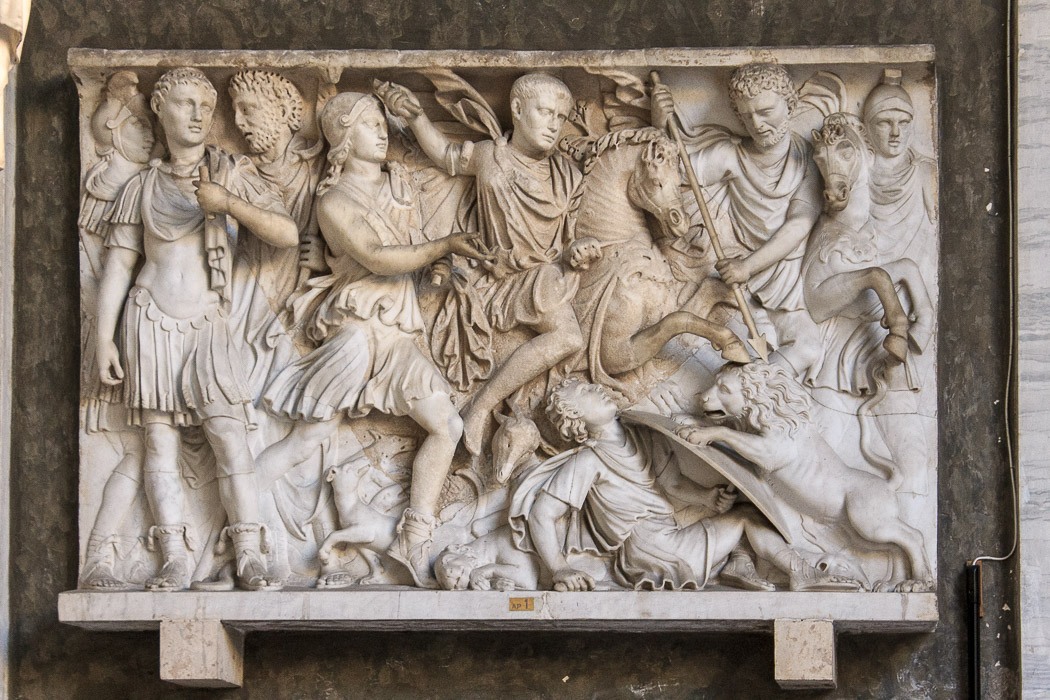
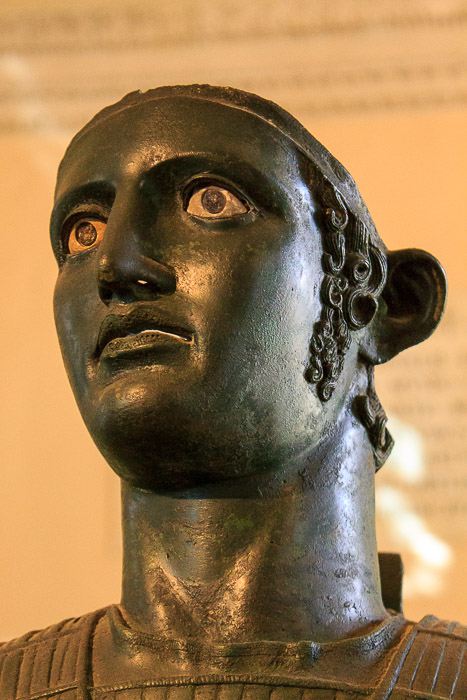
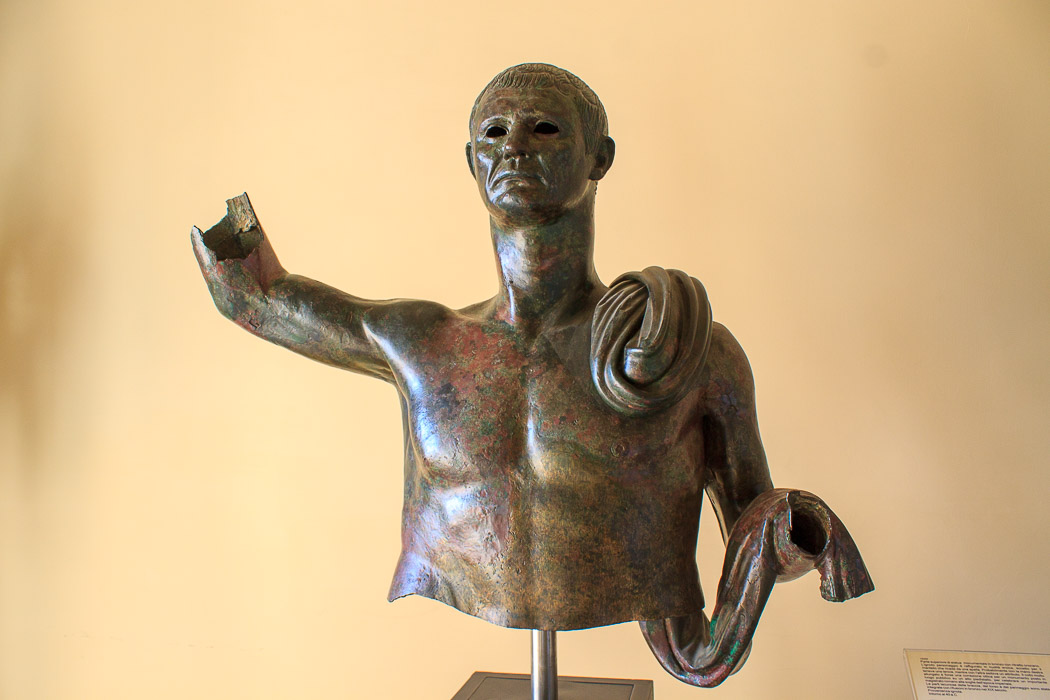
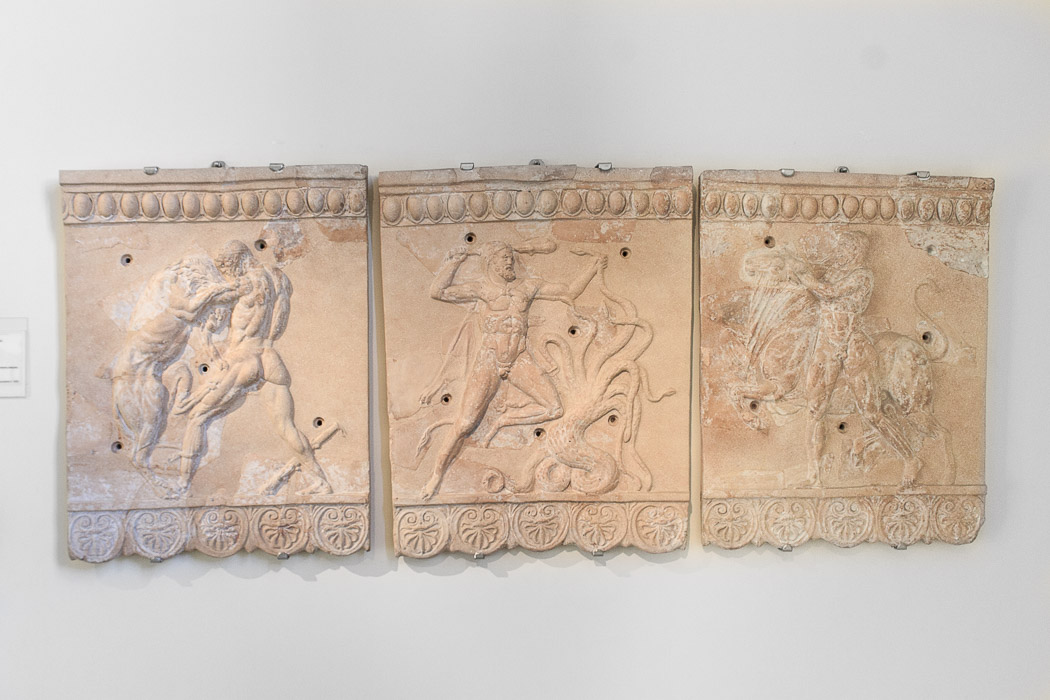
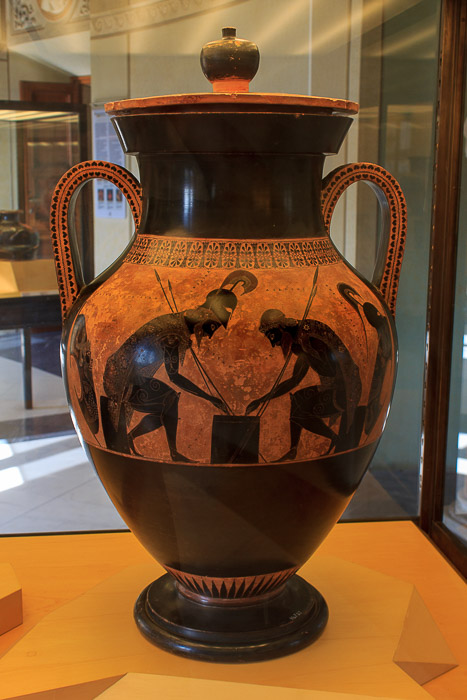
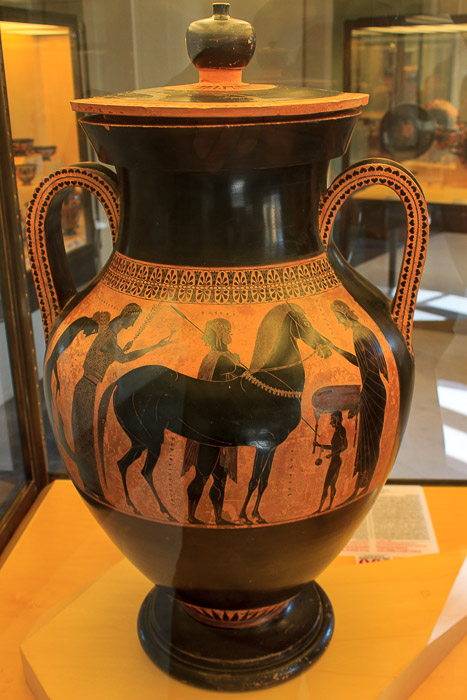
I suggest exiting the Pinacoteca through the route that normally exits the museum entirely (don't worry, we won't). This way you can see the Museo Gregoriano Profano. I think when I visited in 2014, some sculptures from the Braccio Nuovo, which was being renovated, were being stored here. So my first few photos (those of Augustus of Prima Porta) probably aren't normally here. But the rest of these photos are from this rather small part of the museum which you can walk through as quickly as you'd like on your way to the spectacular Bramante Spiral Staircase.
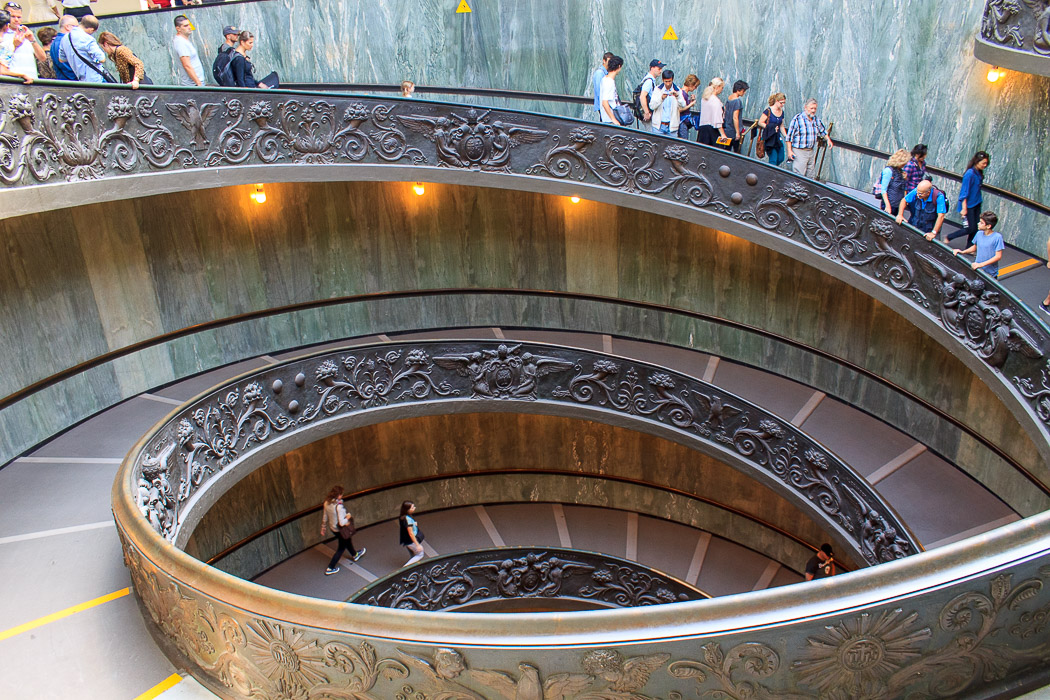
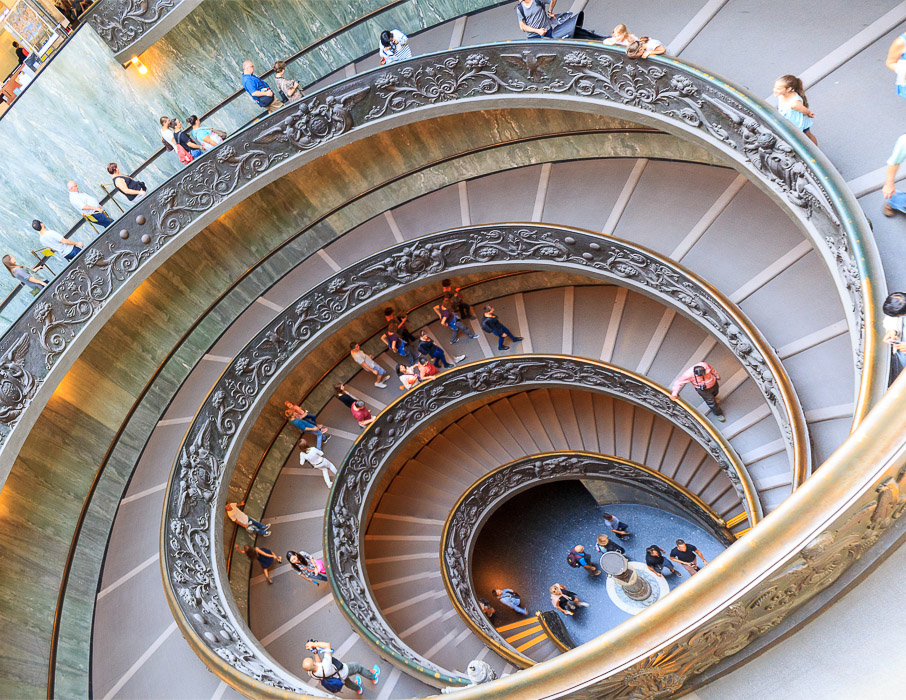
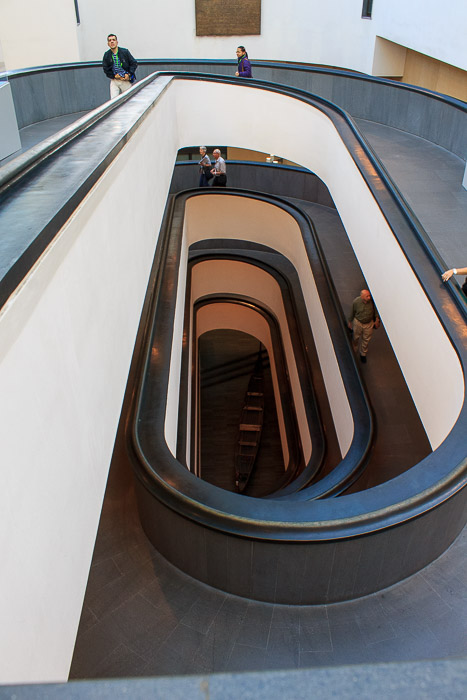
The Museo Gregoriano Profano exits at the spectacular Spiral Staircase designed by Bramante. Get a good look at the spiral stairway but don't go down it, and be careful not to exit the museum (I've never exited here so I'm not positive, but I think the exit is at the bottom of the staircase).
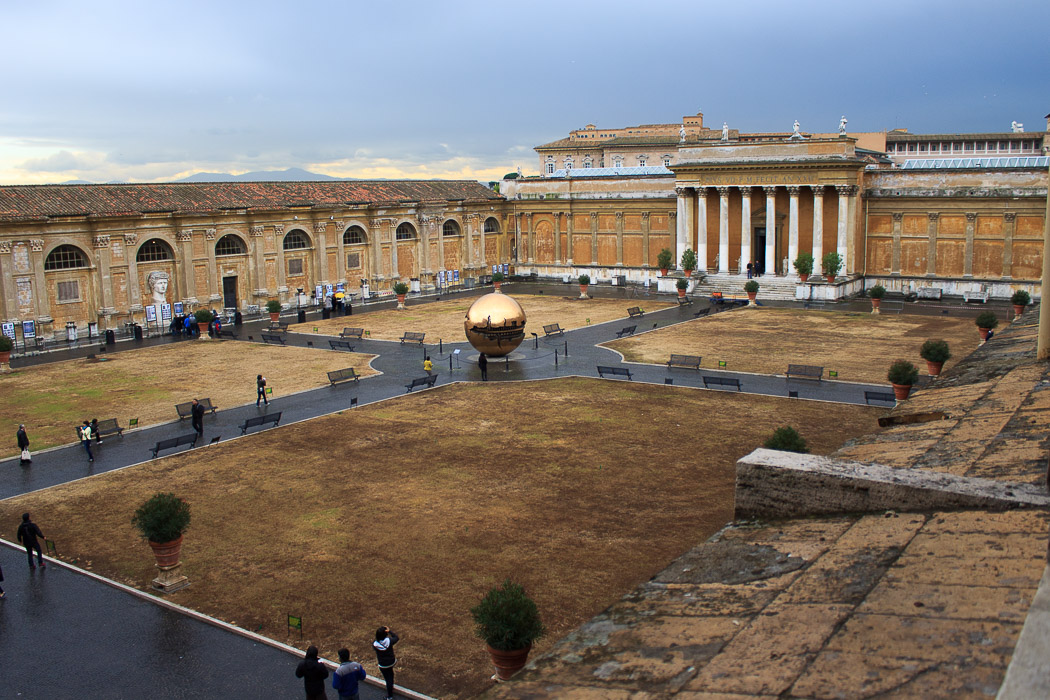
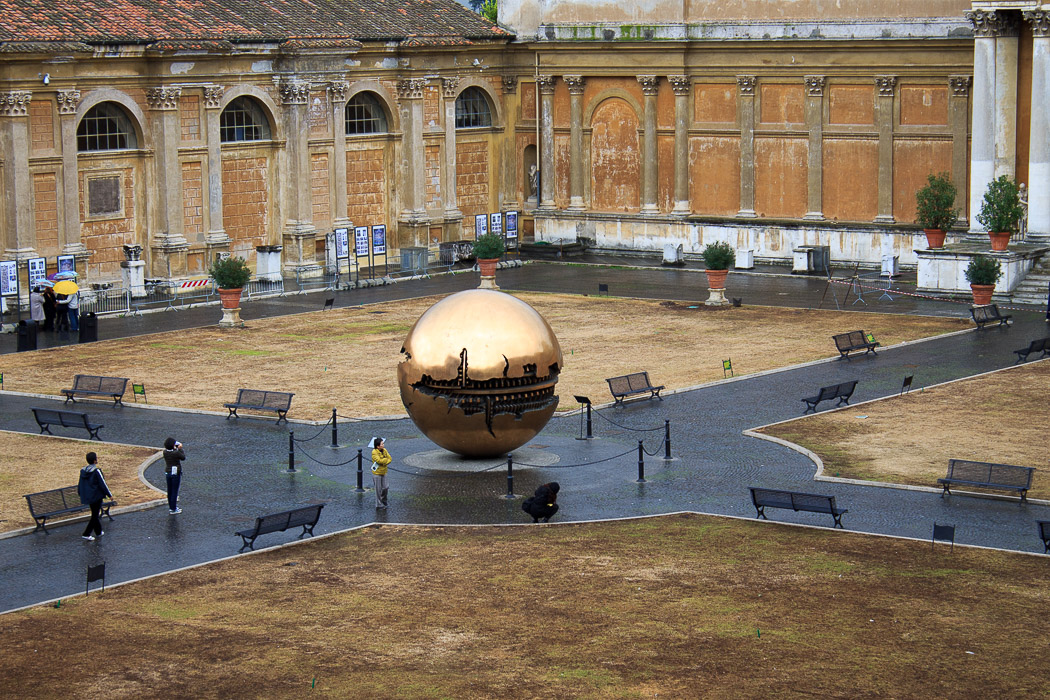
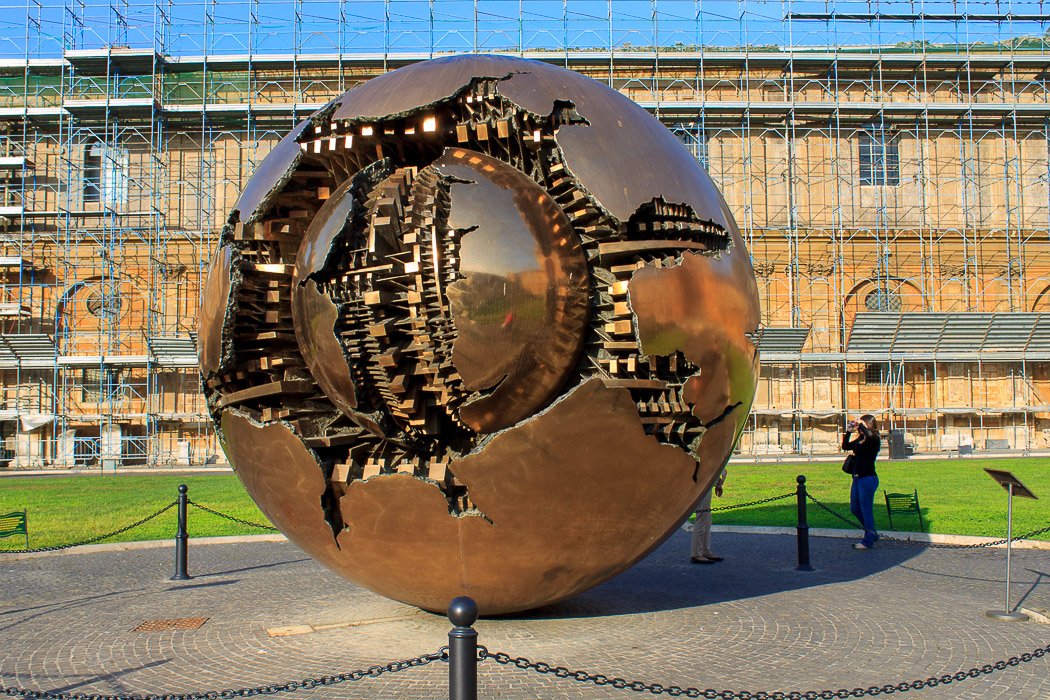
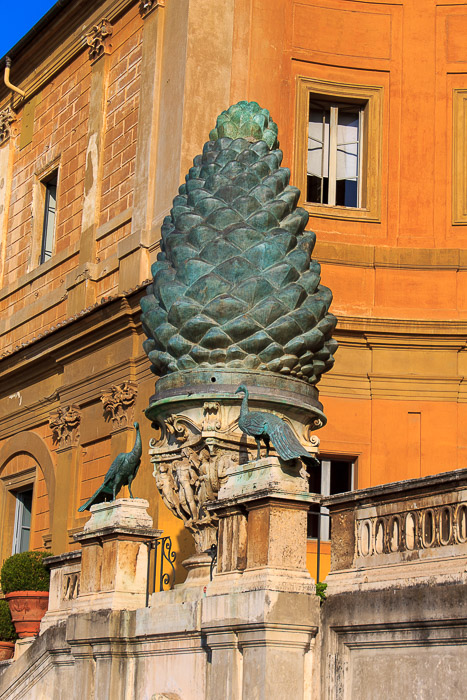
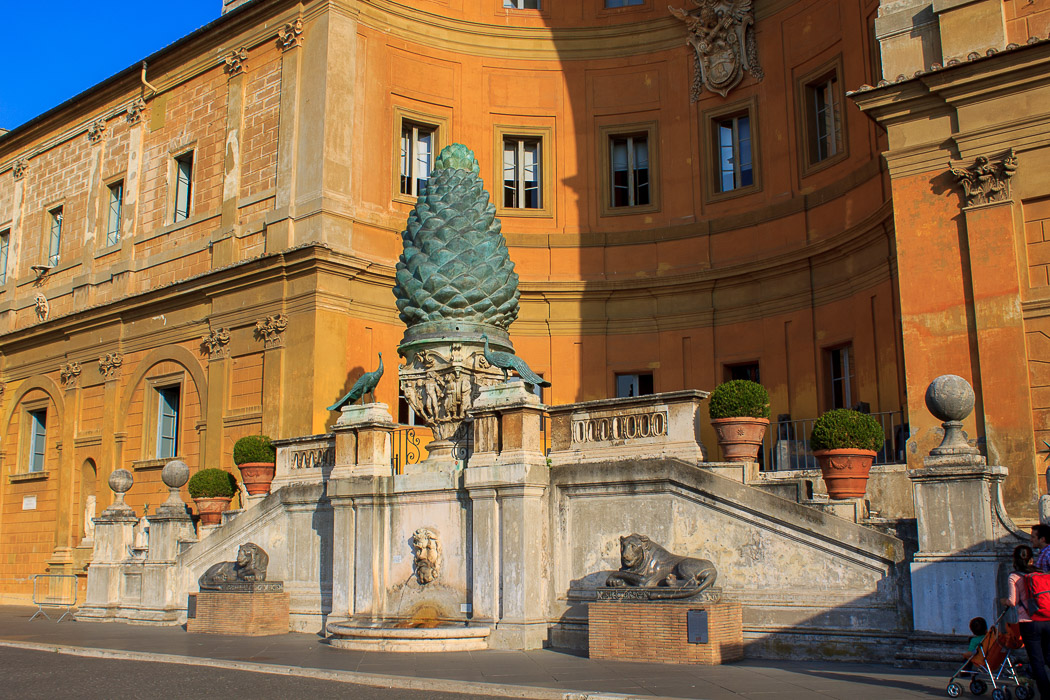
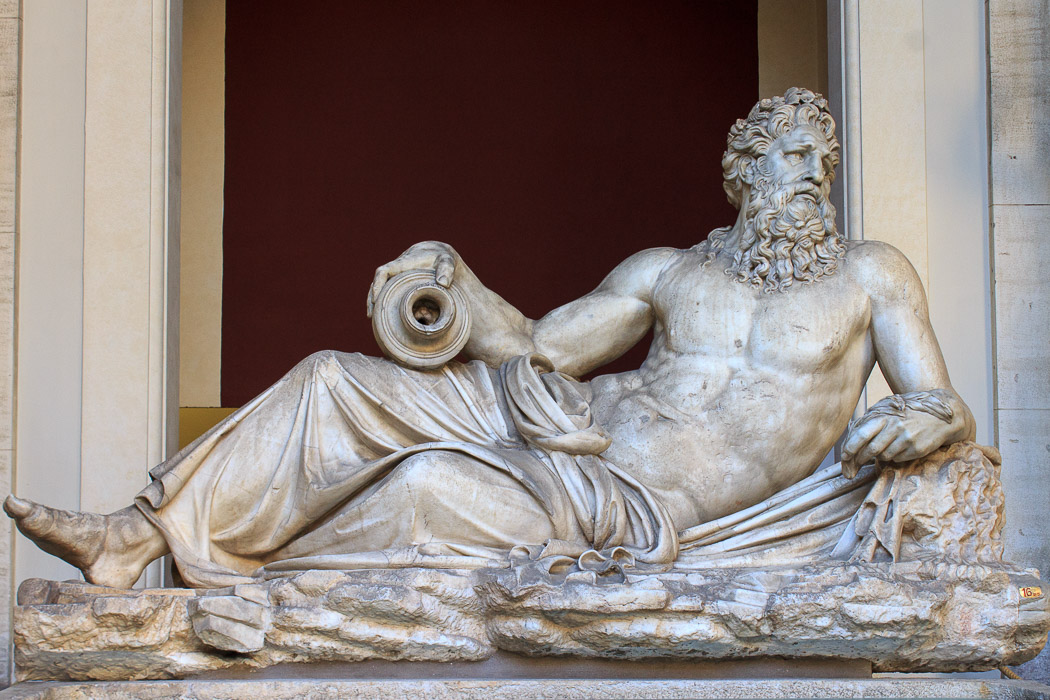
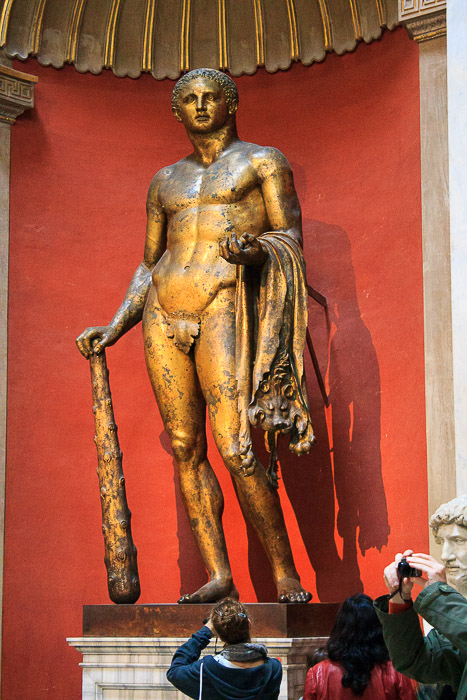
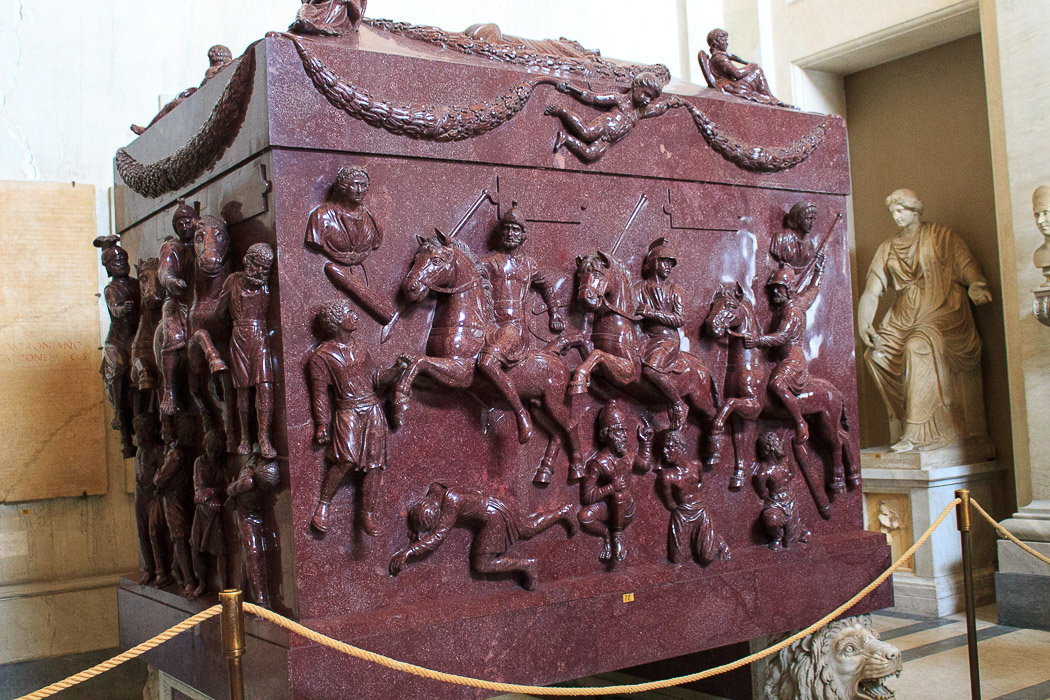
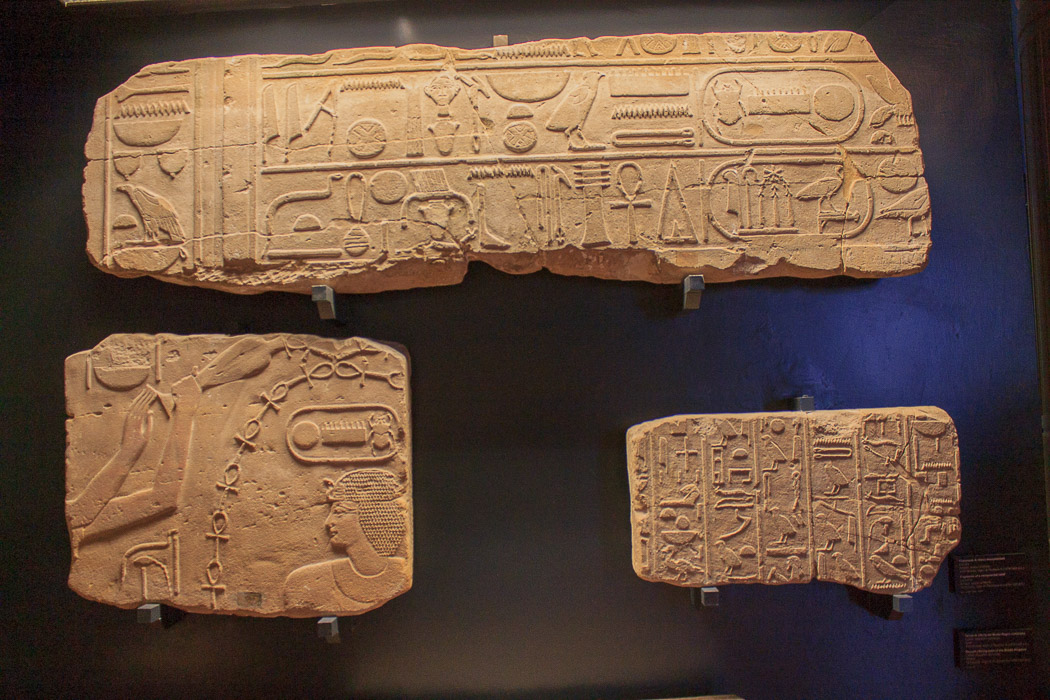
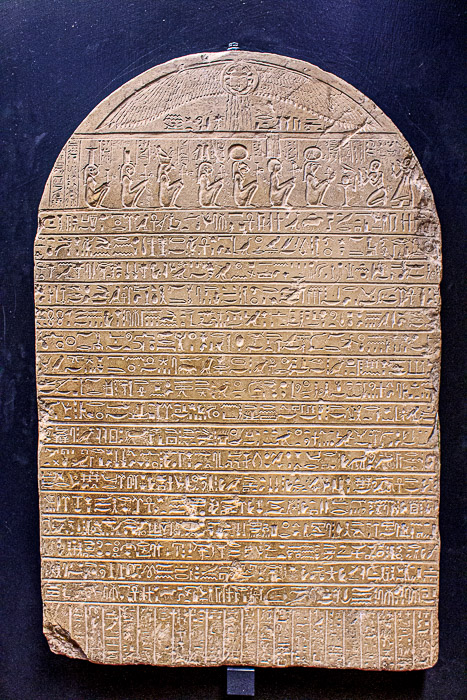
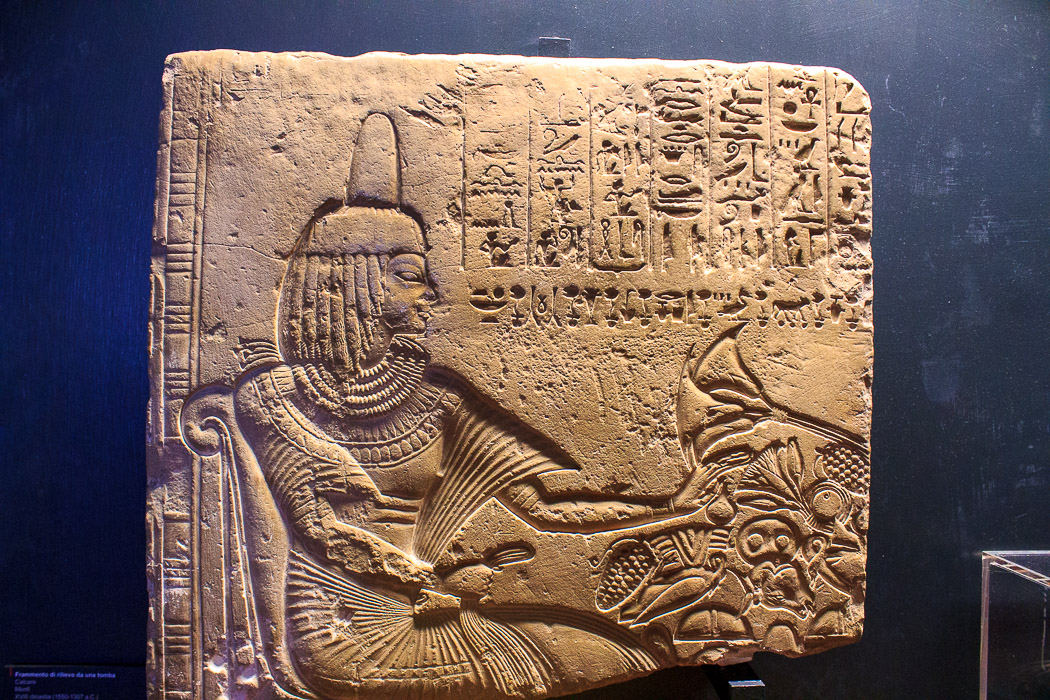
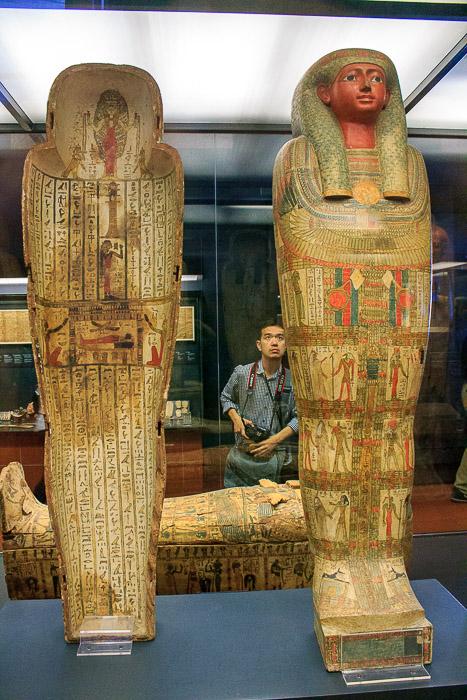
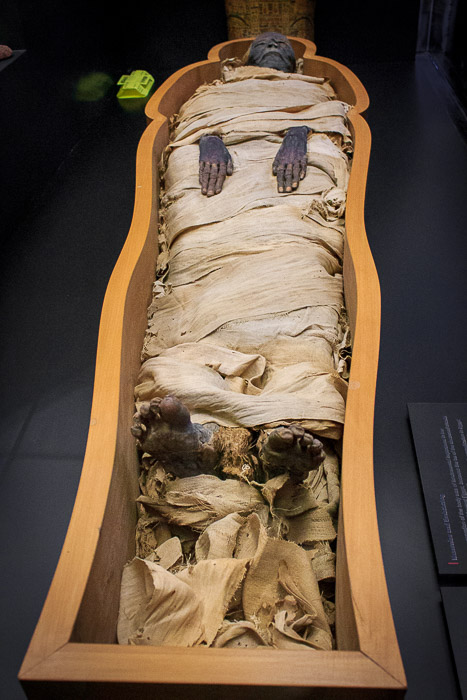
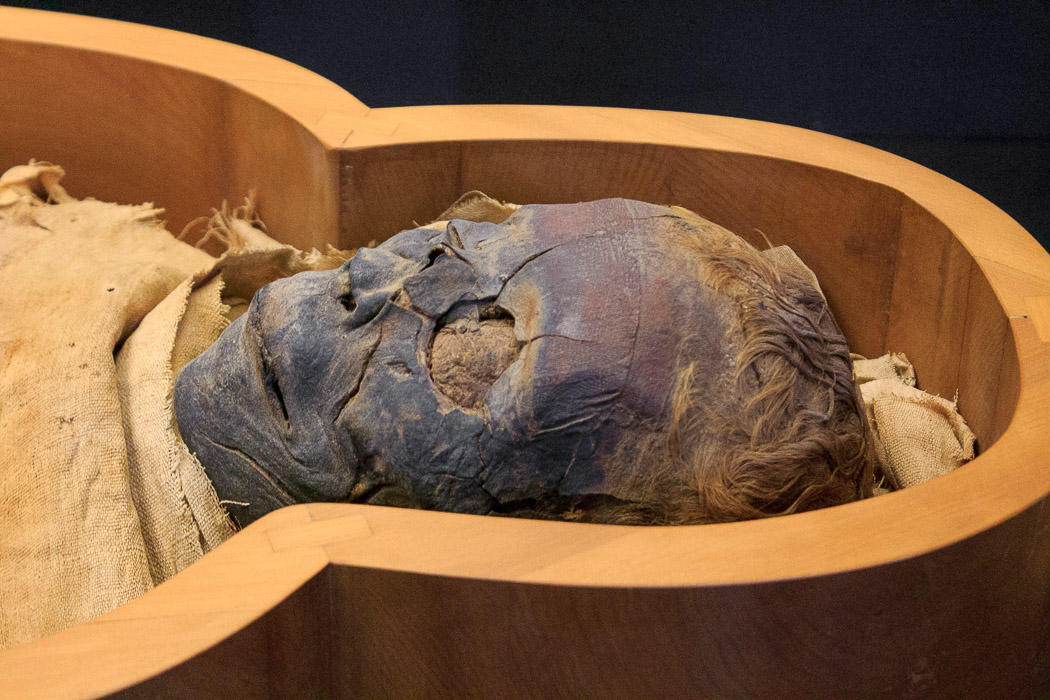
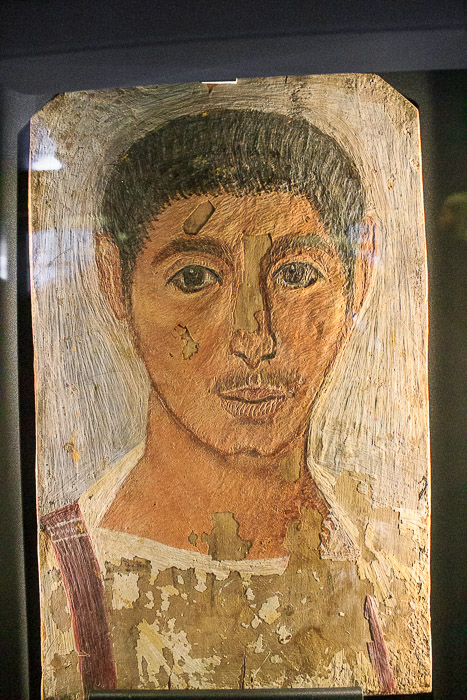
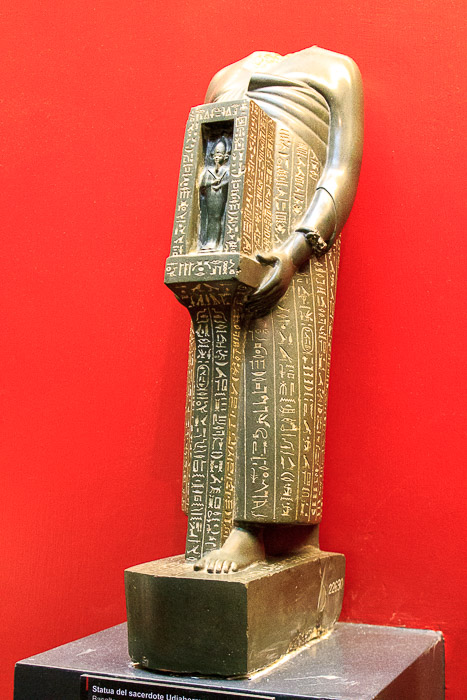
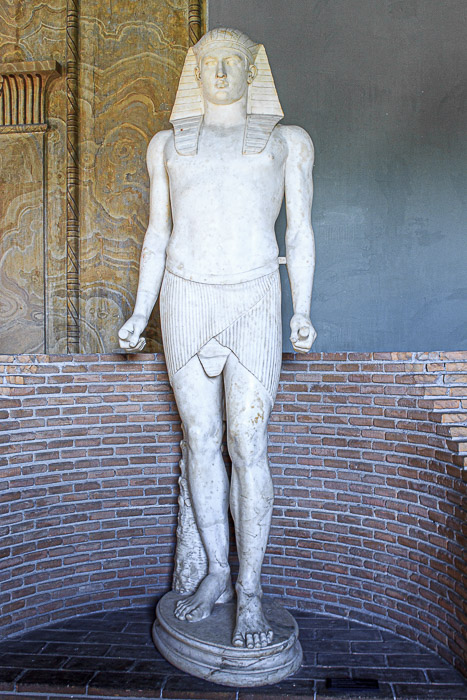
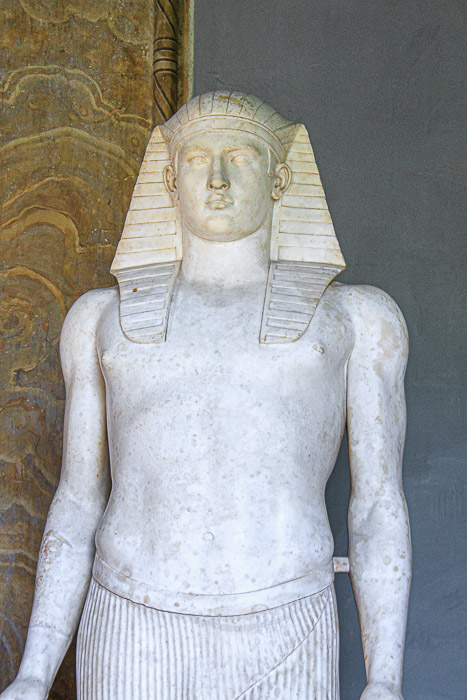
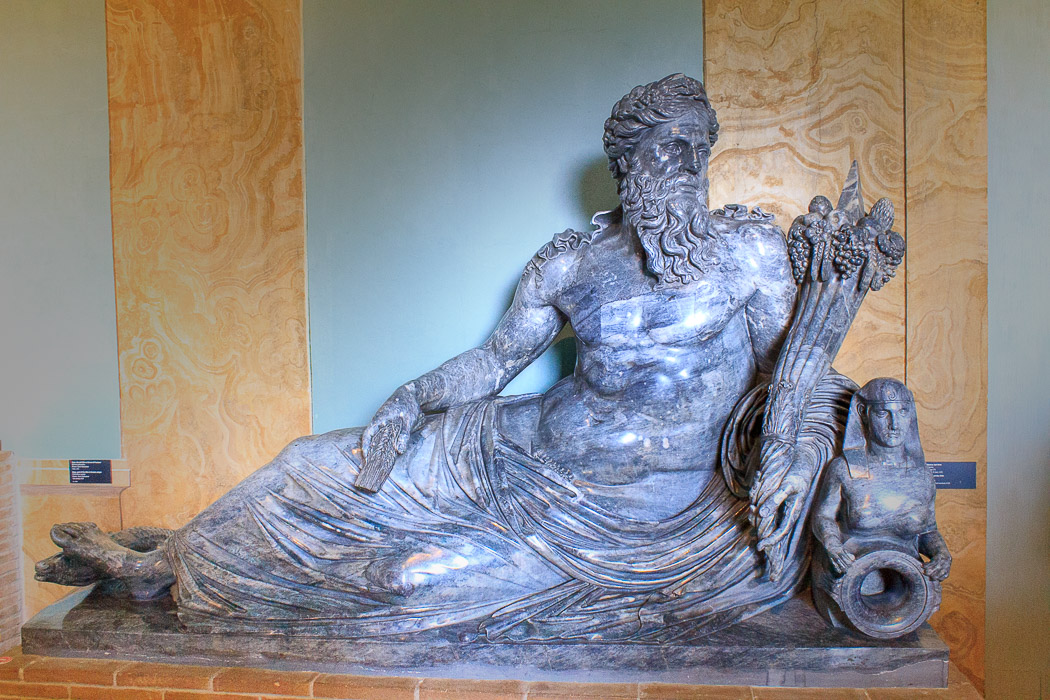
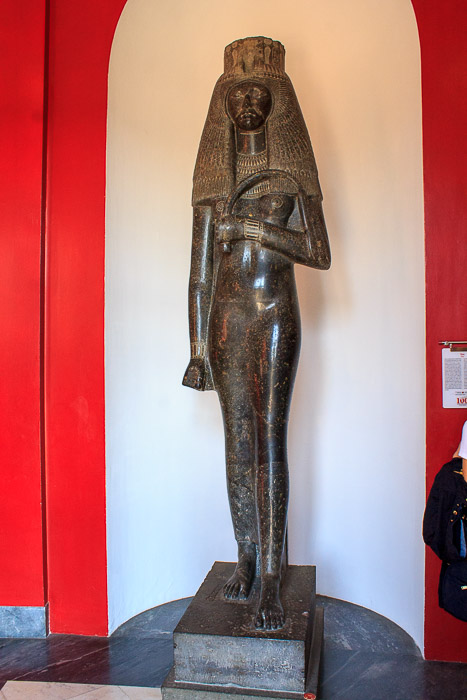
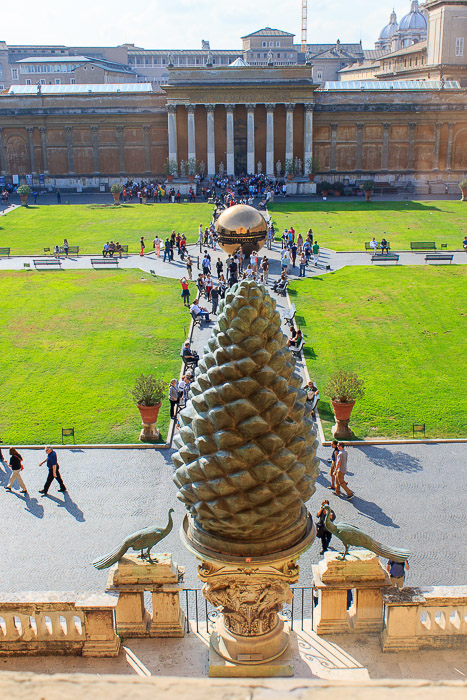
After seeing the staircase, retrace your steps back to the entrance to the Pinacoteca, but turn left down long hallway instead, heading toward the Museo Gregoriano Egizio and Museo Pio Clementino, the ancient section of the Vatican Museum. Pass through the Egyptian Pillars to enter the section of Mummies, Egyptian Statues, Hieroglyphics, the Apollo Belvedere, Laocoon, the Hall of Animals, the Belvedere Torso, Hercules and the Porphyry Basin, and Sarcophegi. Be sure to continue walking straight past the Museo Gregoriano Egizio at this point because turning in there puts you on the Short Itinerary through the museum. Instead we want to go to the very end of the hall, following the Complete Itinerary. However, on the way, just past the entrance to the Museo Gregoriano Egizio, take the exit outdoors into the Courtyard of the Pine Cone (Cortile della Pigna) and remember how to get back to that doorway to continue walking straight to the end of the hallway you were just in. The Courtyard of the Pine Cone is a highlight of the Vatican Museum because of the history of the Pine Cone itself (read it in the caption to the 5th photo below), and the Sphere Within Sphere (3rd photo below) because everybody takes a photo of it, and because by now you can use an outdoor break.
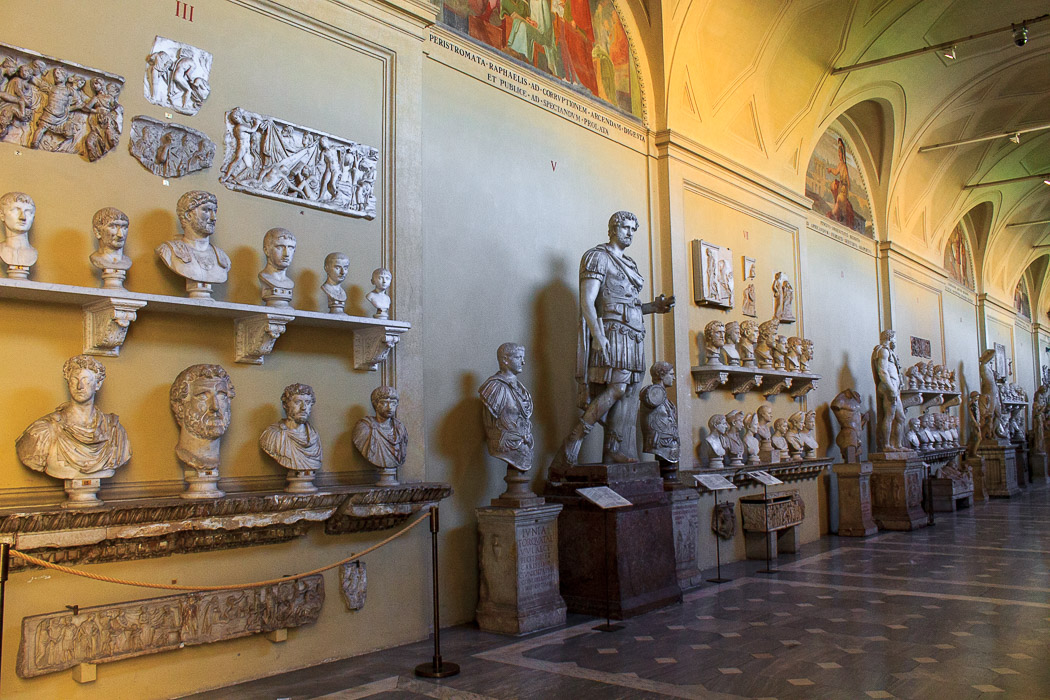
Come back from the courtyard to the same hallway you were walking down, in the same direction you were walking, to the end (a "T"). Look off to the right and you'll find long single-hallway of the Museo Chiaramonti. It's filled with ancient sculptures and busts and was closed when I visited, but you can still probably take a look. If it's open, feel free to walk through it and back around the courtyard to this spot. Here are my two photos of the closed gallery from its entrance:
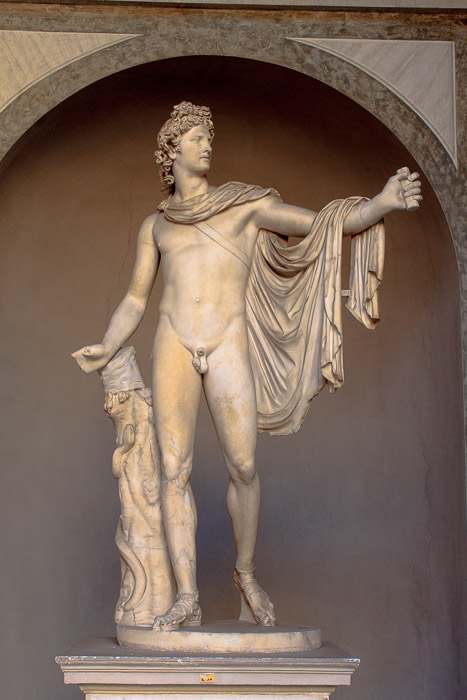
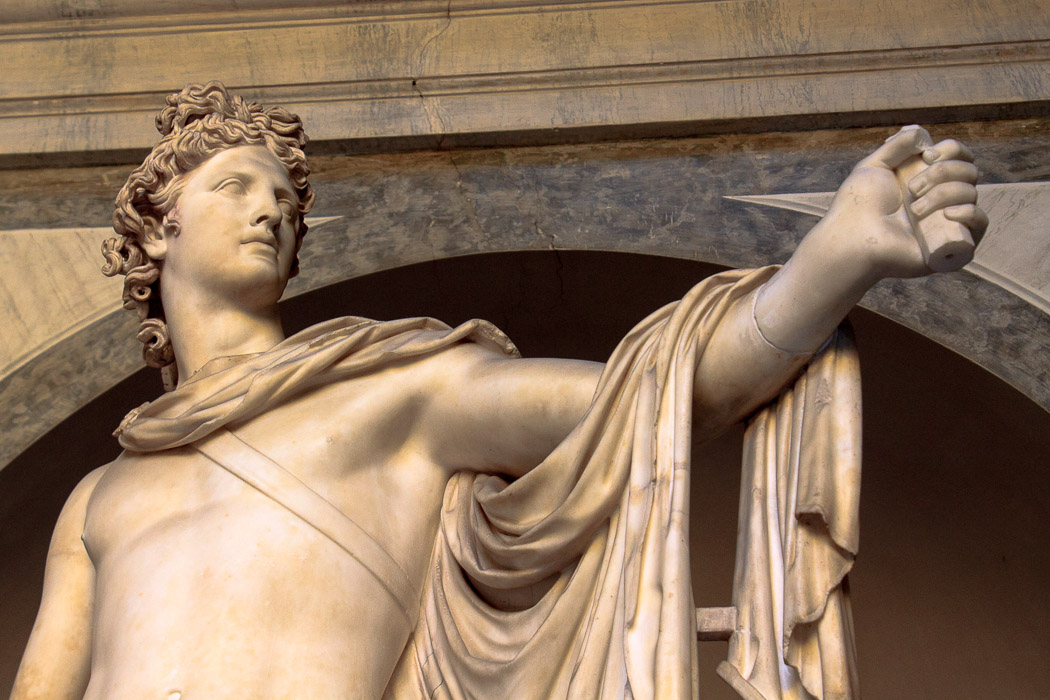
Now go back to the "T" and turn left into the Museo Pio Clementino. The last two photos below show one of the highlights of the Vatican Museums, the famous Apollo Belvedere, a Roman copy made during the 4th century BC, of a Greek original that features perfect anatomy and a natural pose, unlike the stiff poses of prior times.
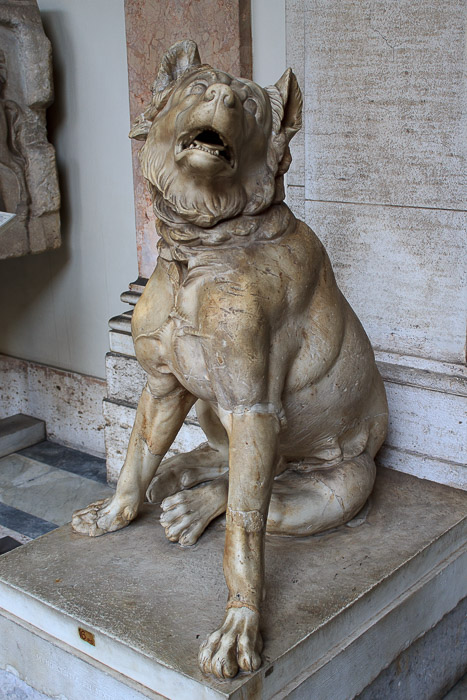
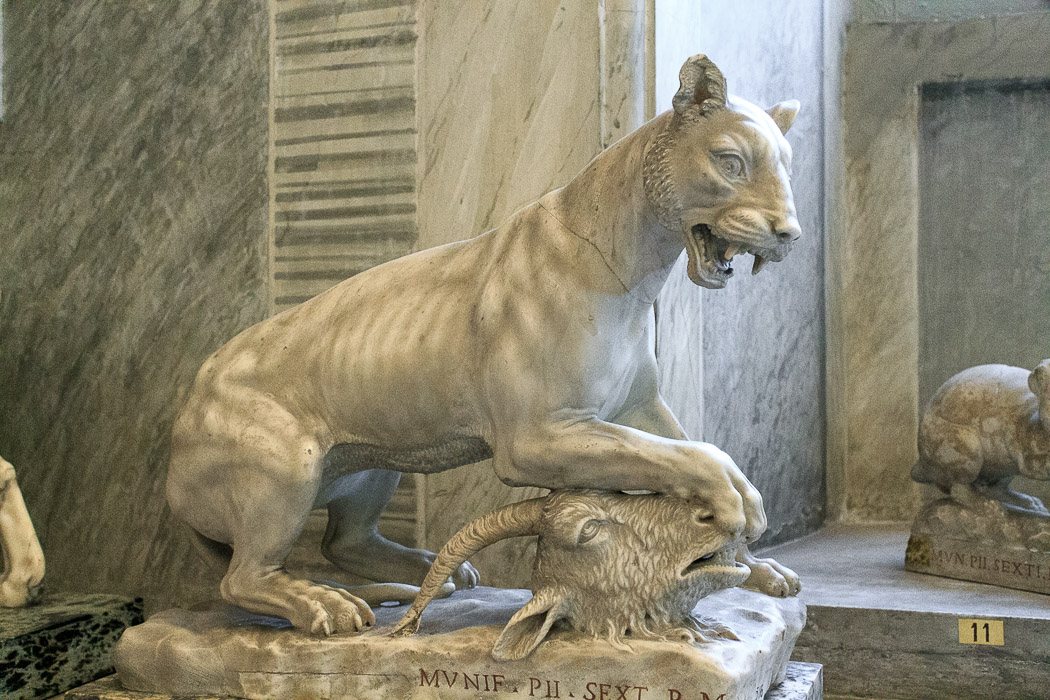
Continuing in the Museo Pio Clementino:
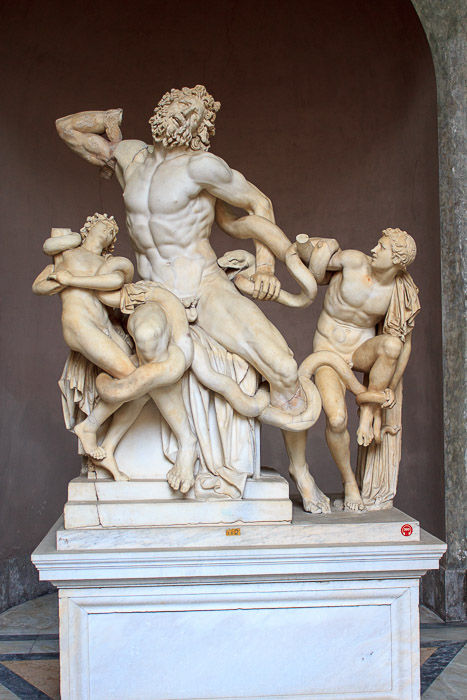
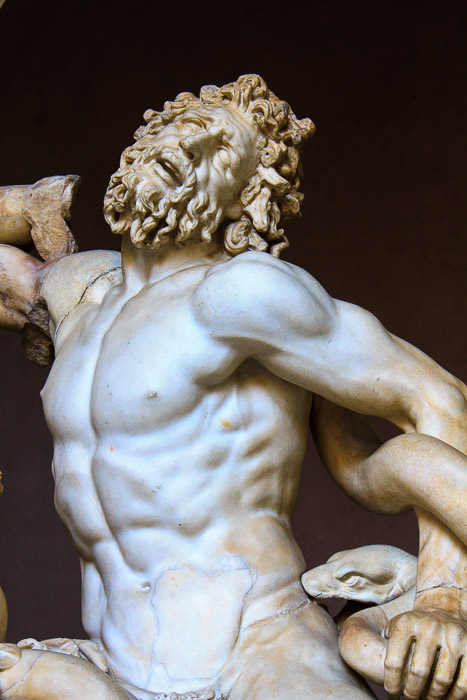
Continuing in the Museo Pio Clementino, another highlight of the Vatican Museum, Laocoon and His Sons (2nd and 3rd photos below) tried to warn the Trojans not to allow the Trojan Horse into the city, but the gods, wanting the Greeks to win, sent huge snakes to crush Laocoon and his two sons to death, as told by the middle of Book 2 of Virgil's Aeneid. This was sculpted in the 5th or 4th century BC, and features unquestionable motion and emotion. It was lost for 1000 years, but found in the ruins of Nero's Golden House. You can read all about this famous sculpture on Wikipedia.
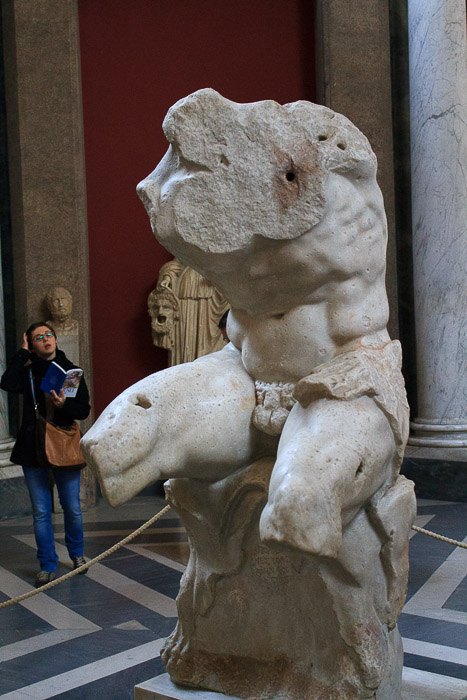
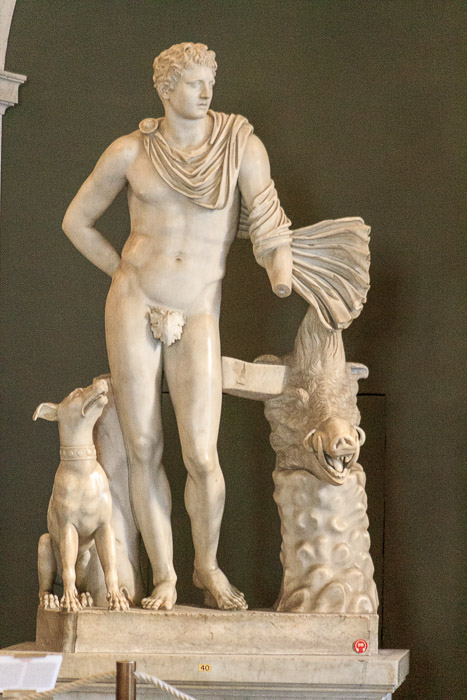
Still in the Museo Pio Clementino, The Belvedere Torso (4th photo below), with its knotty muscles and raw power, was a favorite of Michelangelo. Did he recapture the personality of the Belvedere Torso in his Moses?
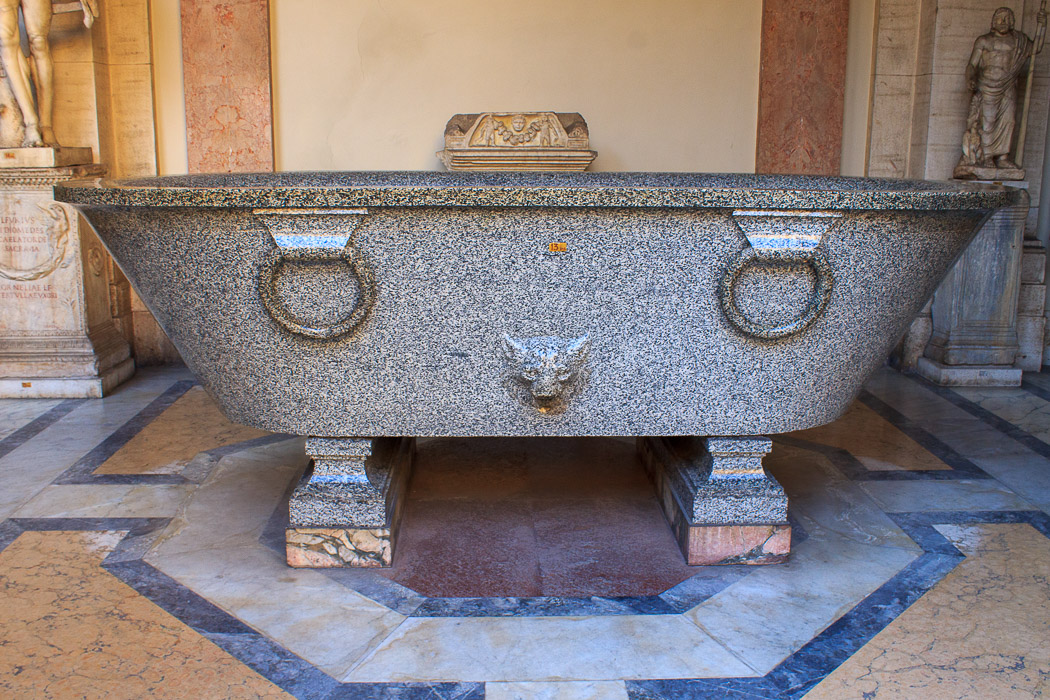
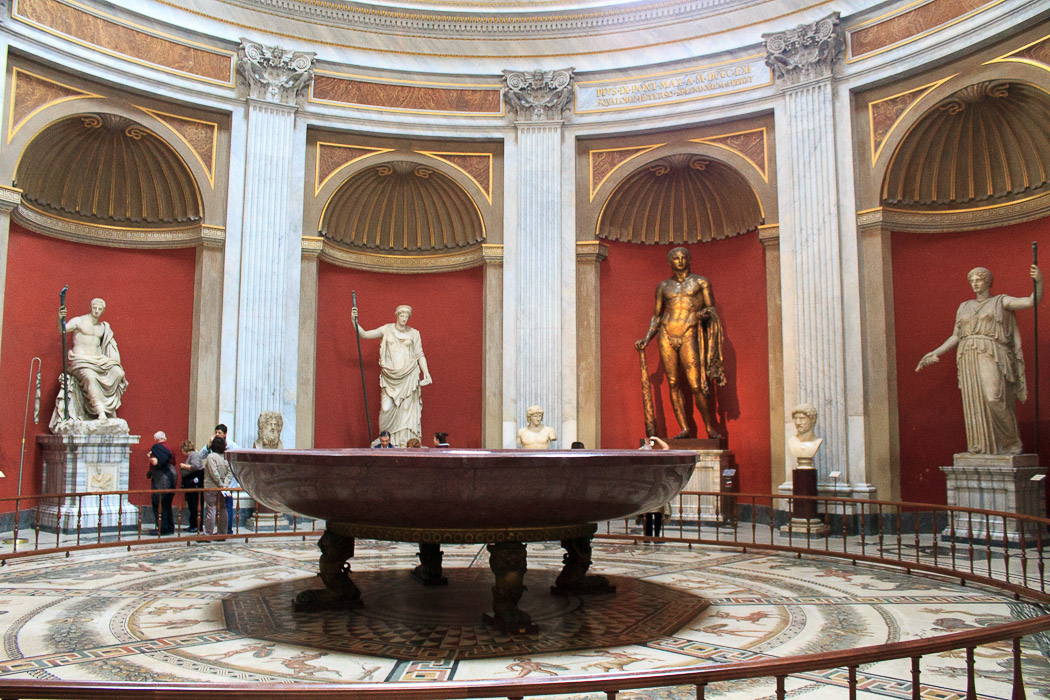
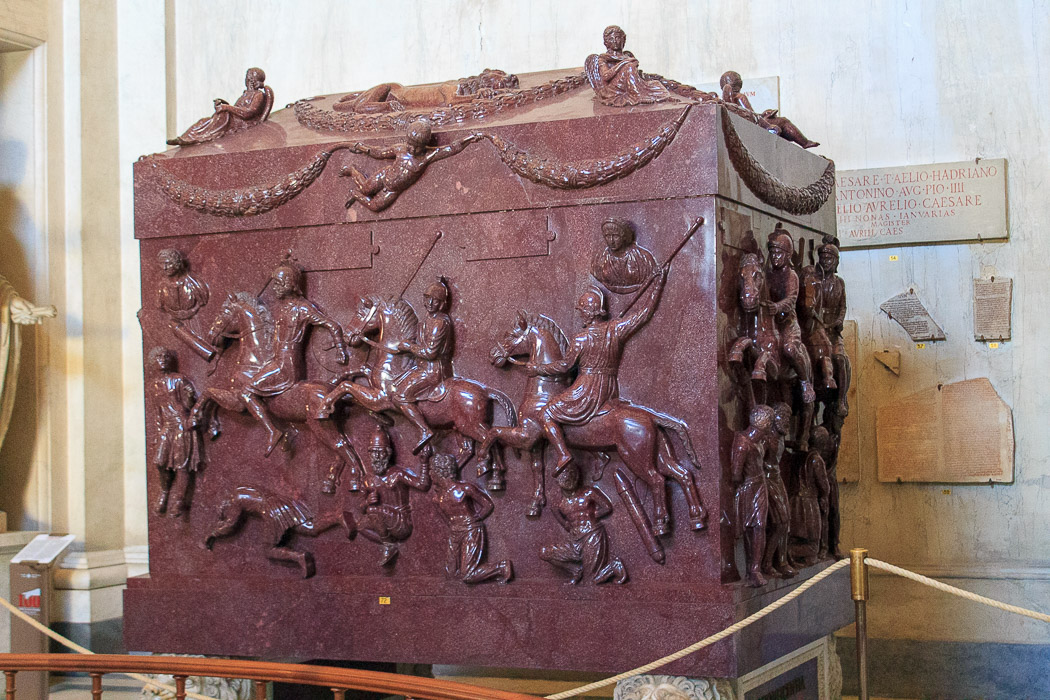
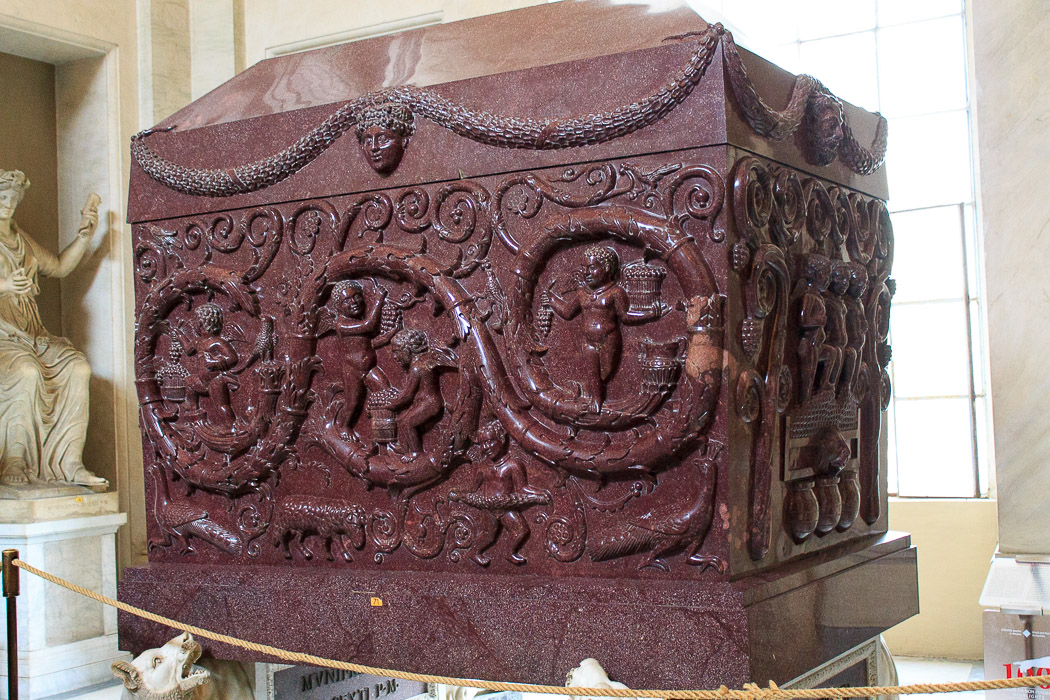
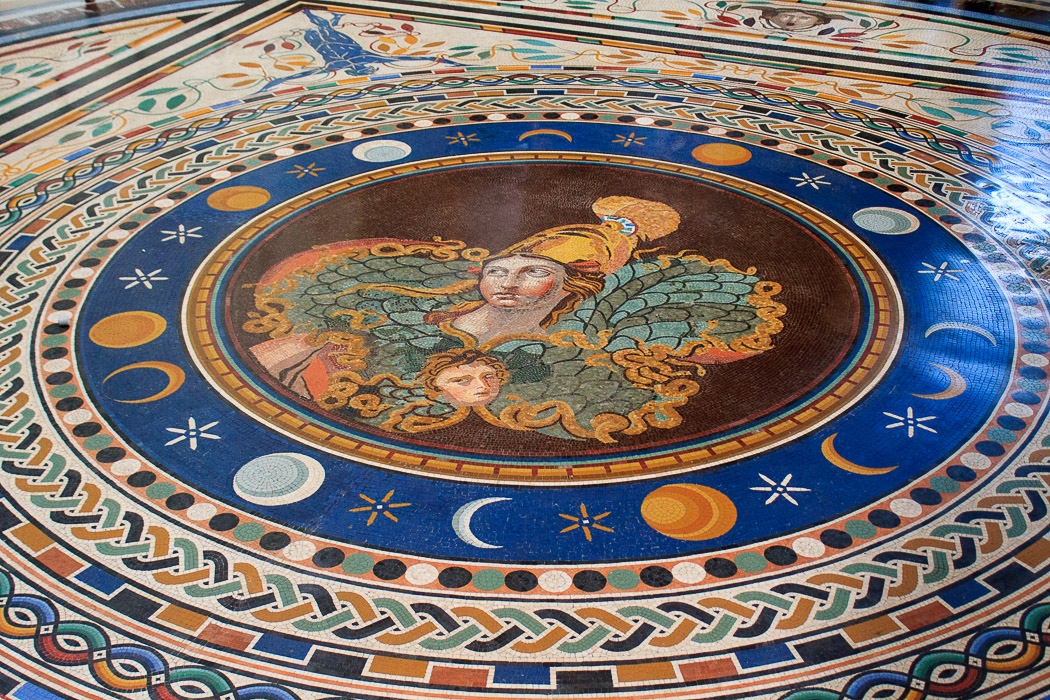
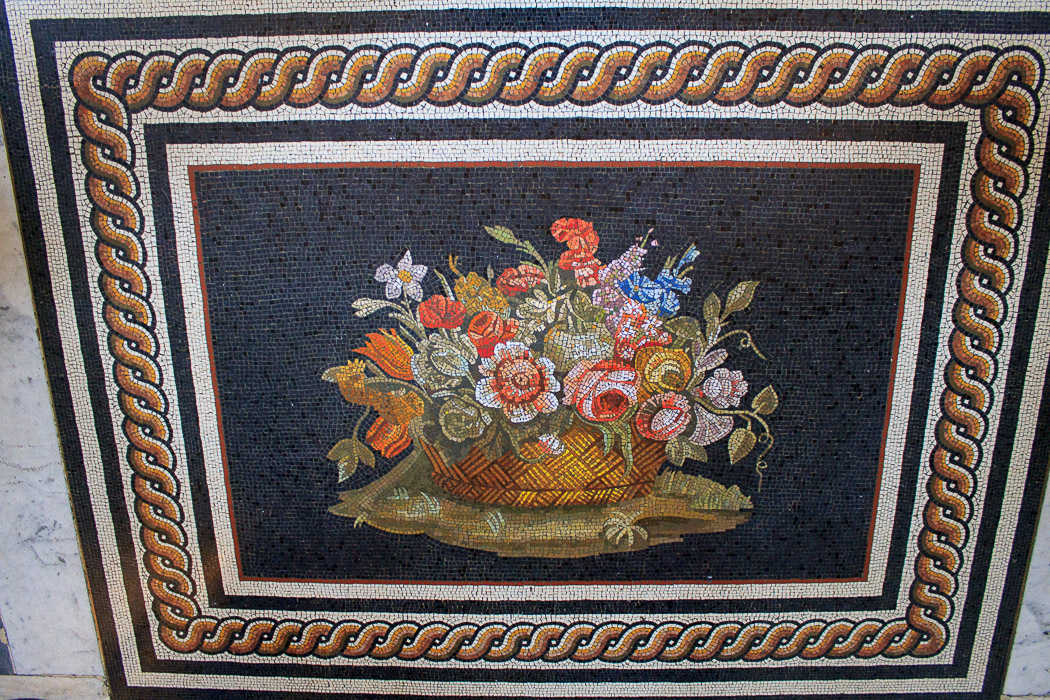
Still in the Museo Pio Clementino, the first 2 photos below were shot in the Sala Rotonda, or Rotunda Room, of the Vatican Museum, another of the highlights of the museum. The room is patterned after the Pantheon, with a dome of little niches and an oculus in the center. The floor is made of tiny mosaics from around the 2nd century AD which used to decorate an ancient Roman villa. And the red 40-foot-diameter porphyry basin in the center of the room. Porphyry is extremely hard volcanic rock made from cooled lava, extremely heavy, and it all came from one quarry in Ancient Egypt. The Emperor Nero ordered this particular bath for his Domus Aurea (Golden House) palace.
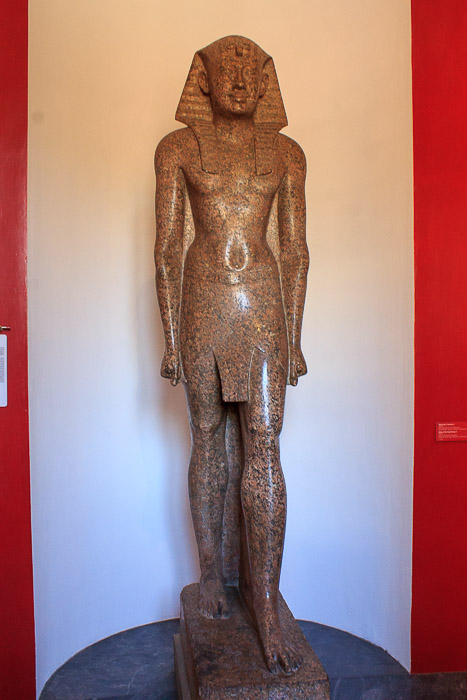
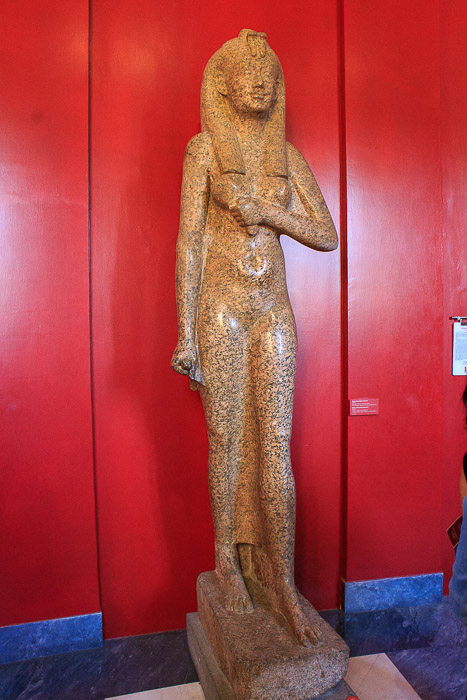
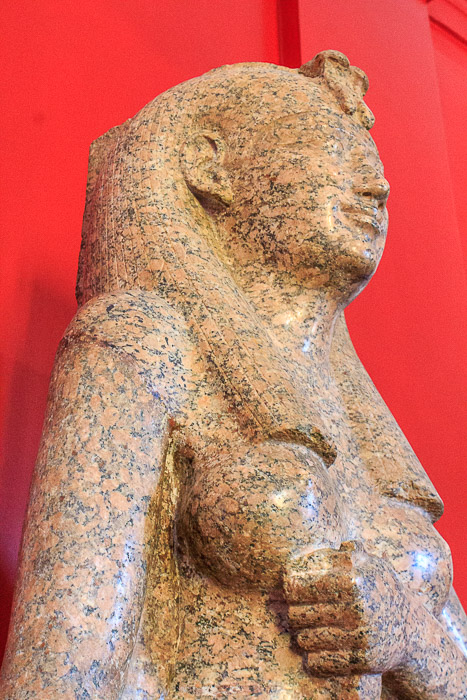
And with that, we come to the end of the Museo Pio Clementino and now enter the Museo Gregoriano Egizio (Gregorian Egyptian Museum).
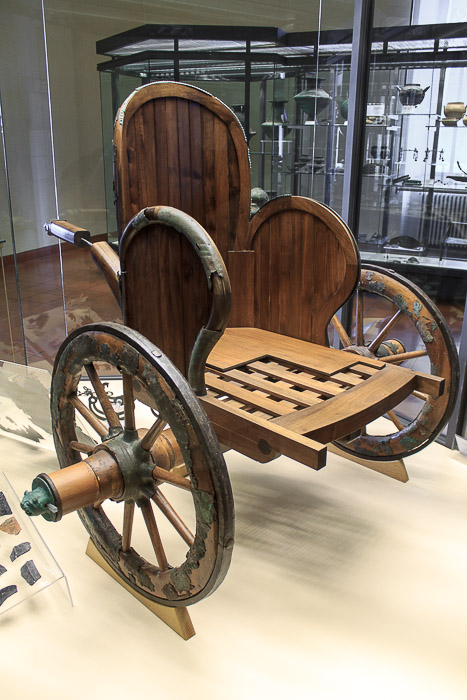
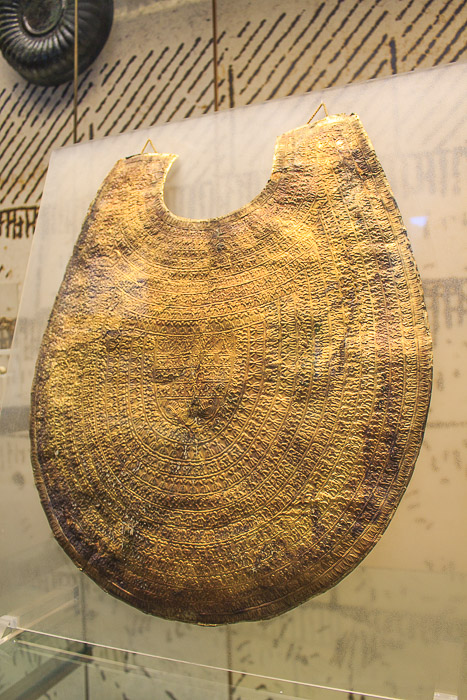
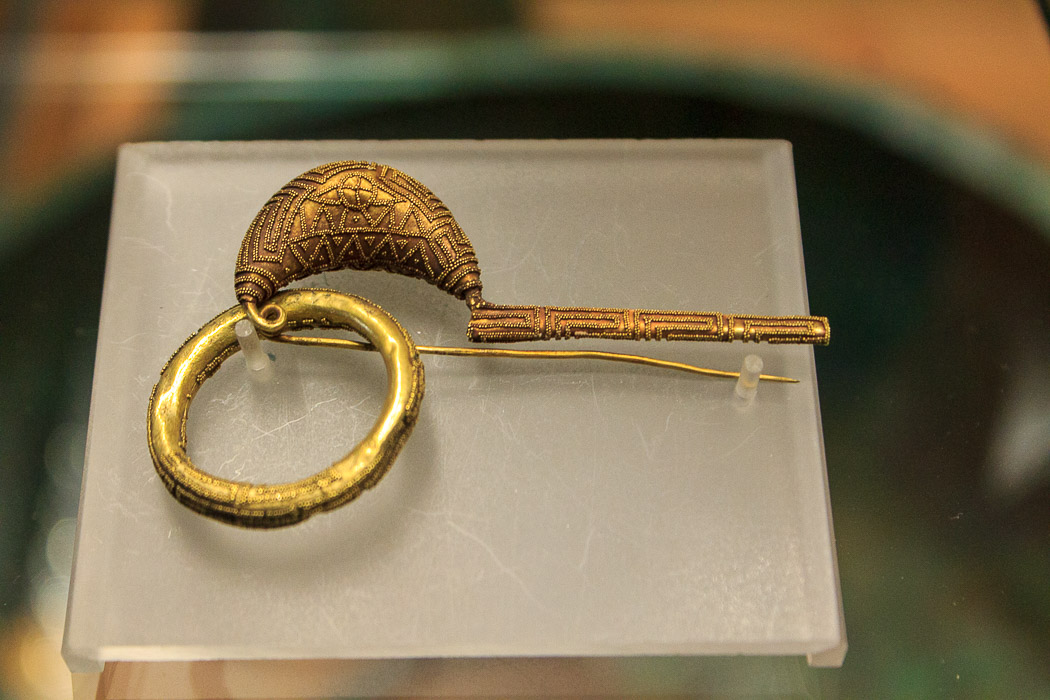
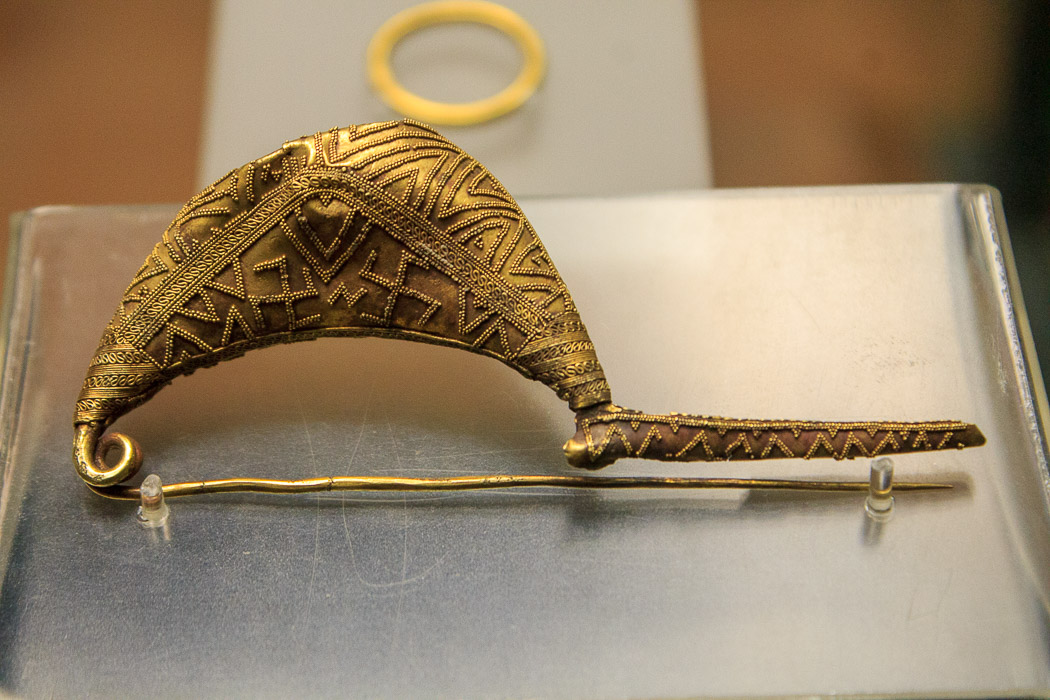
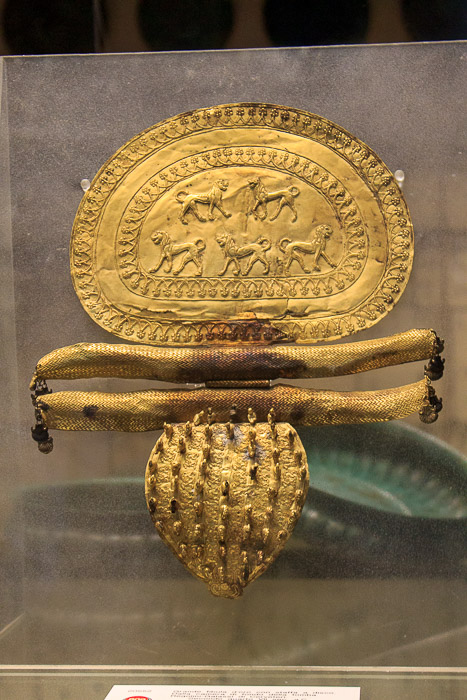
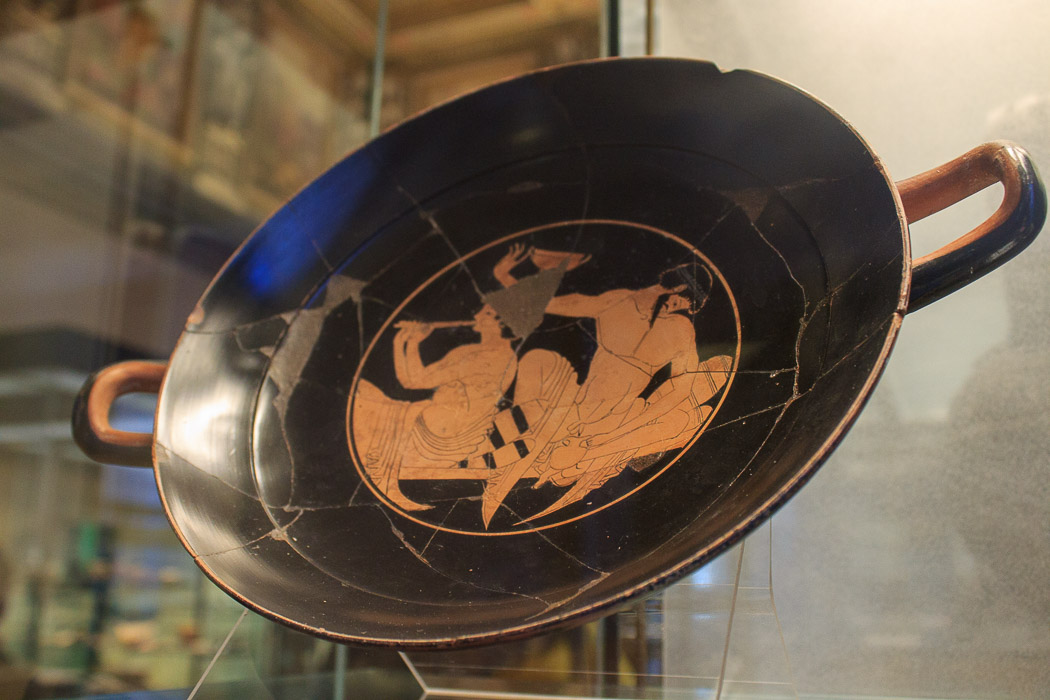
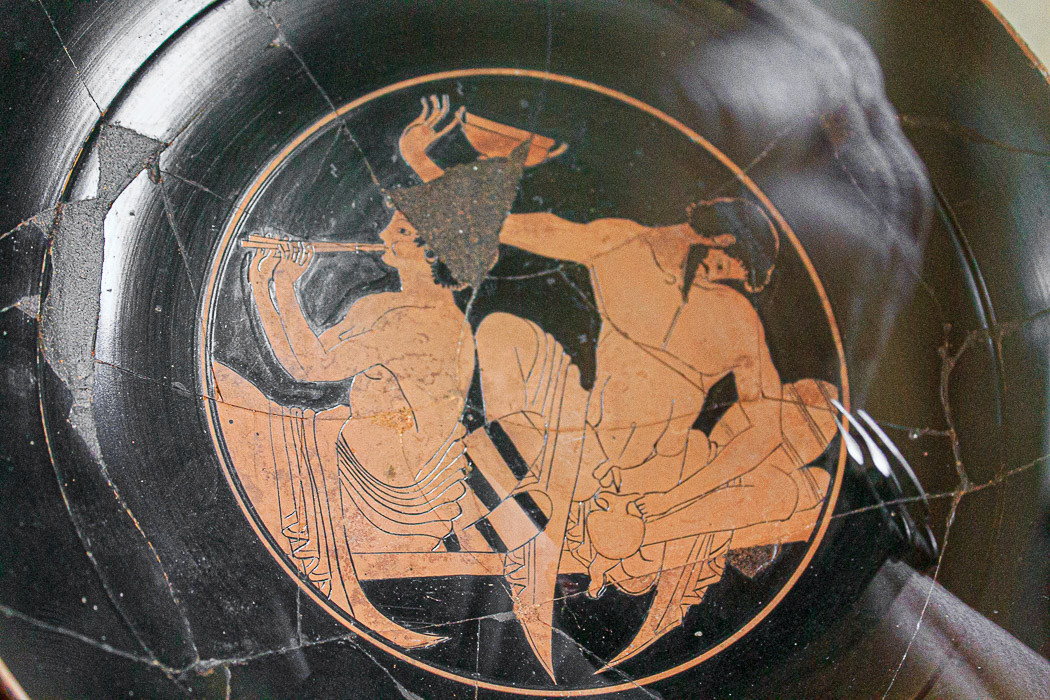
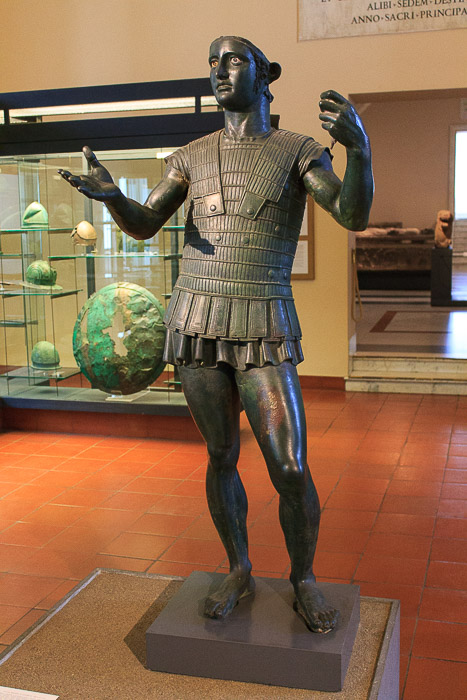
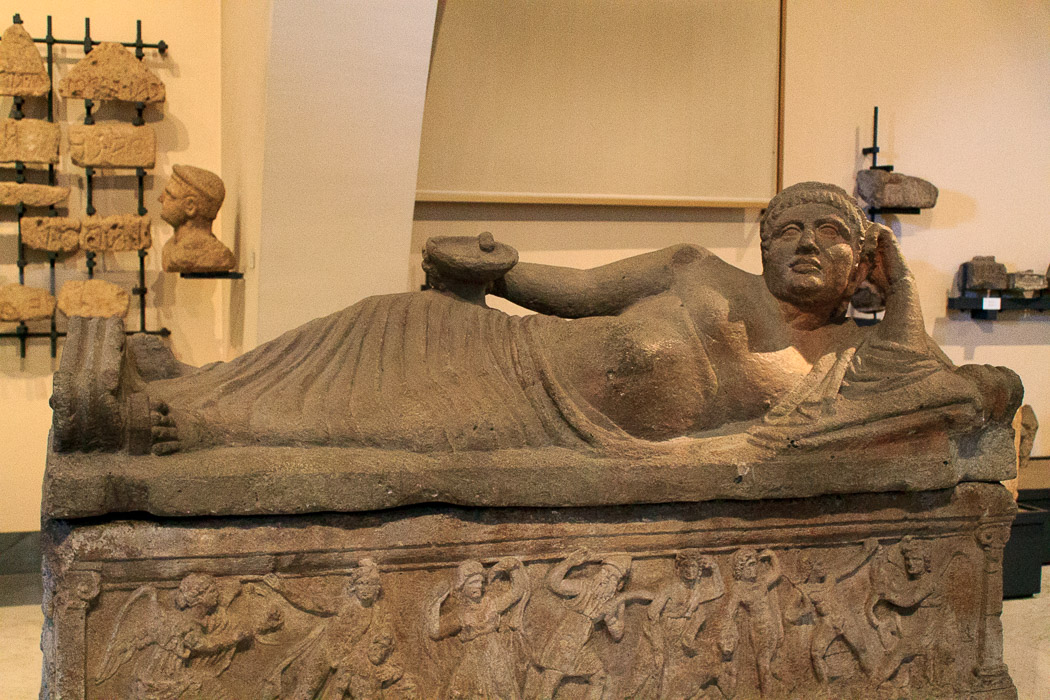
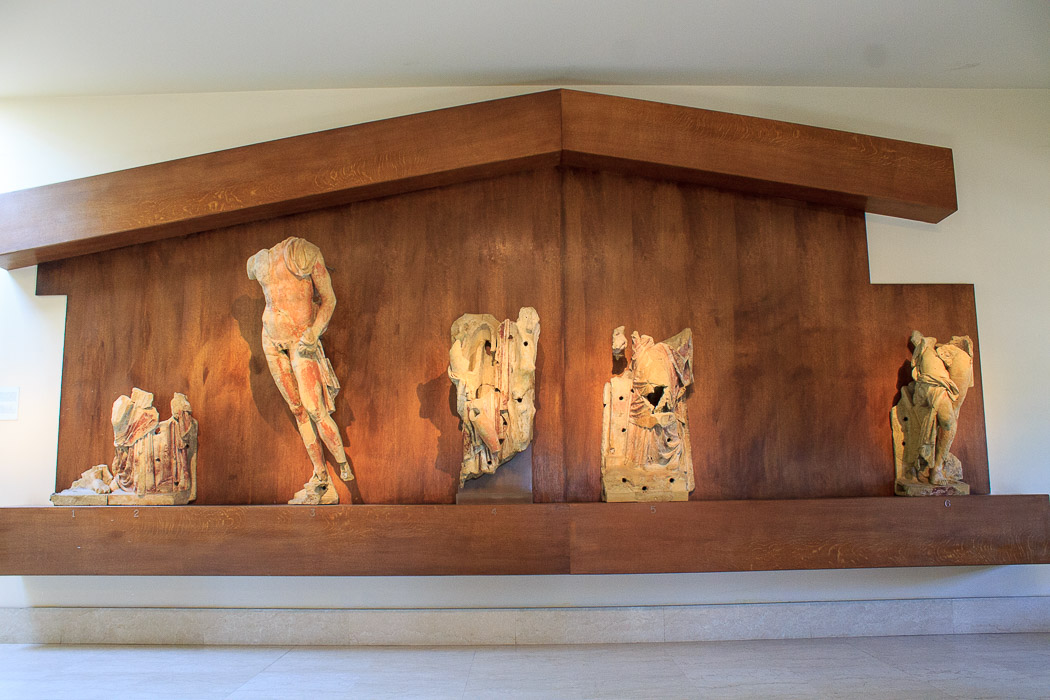
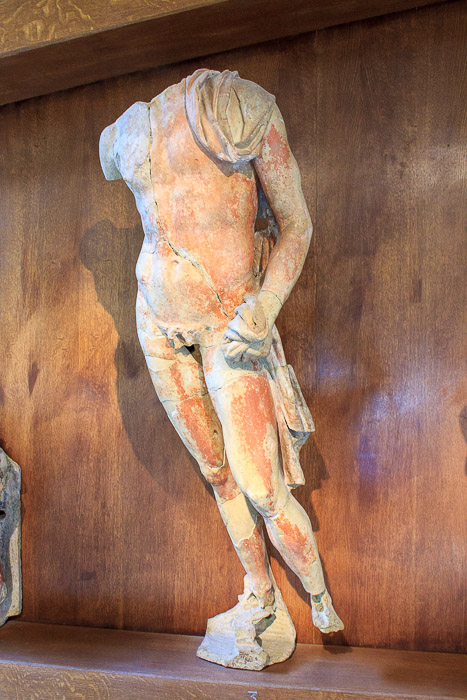
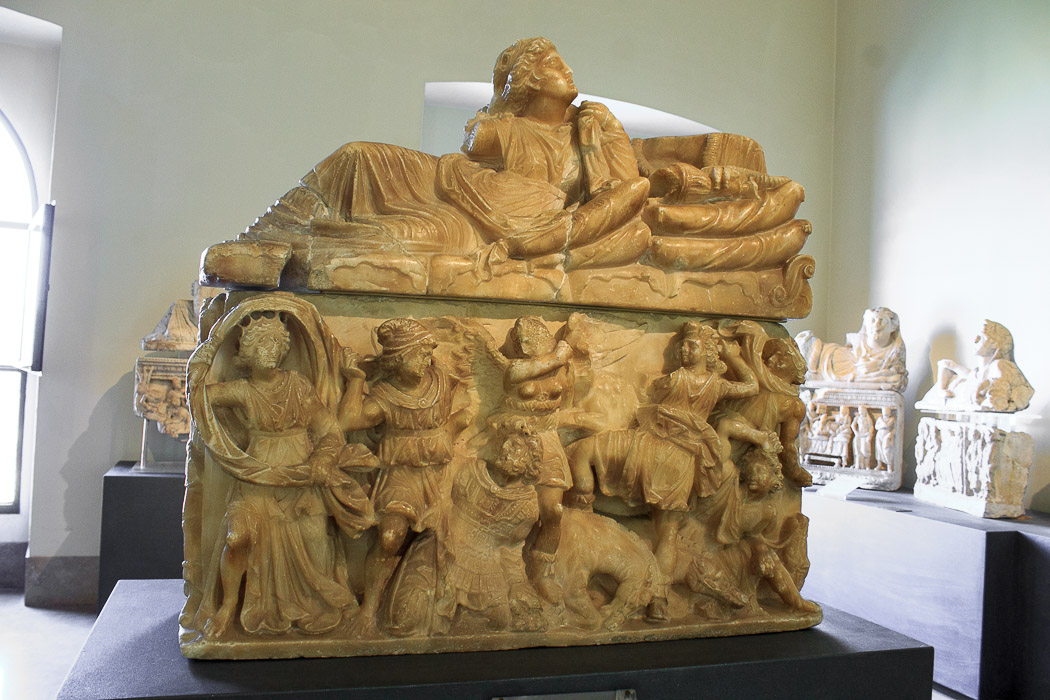
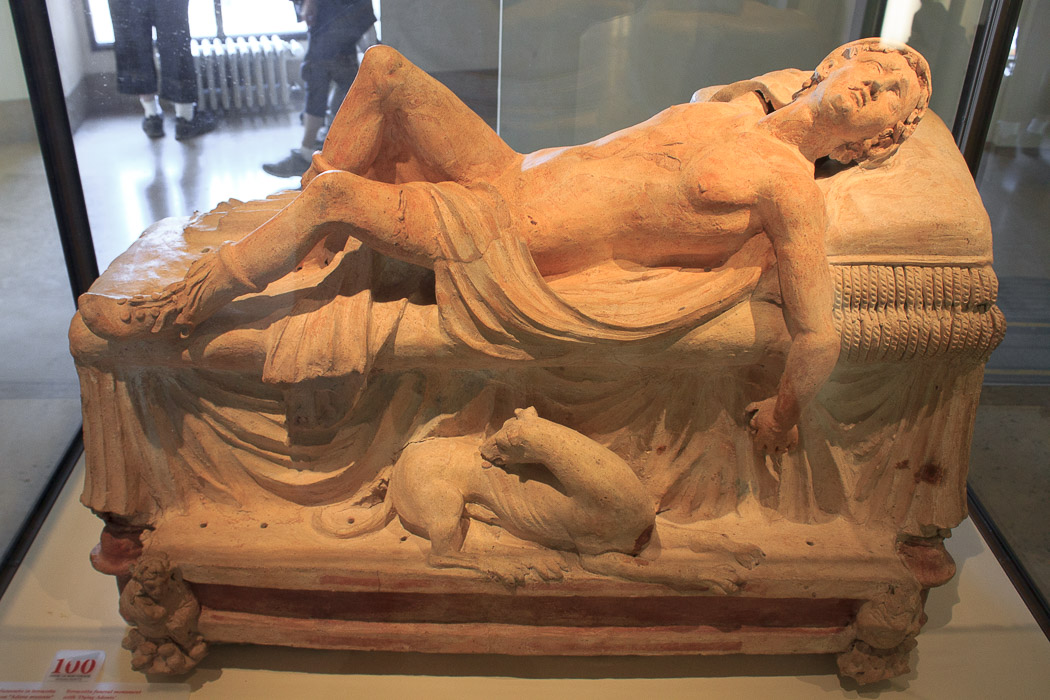
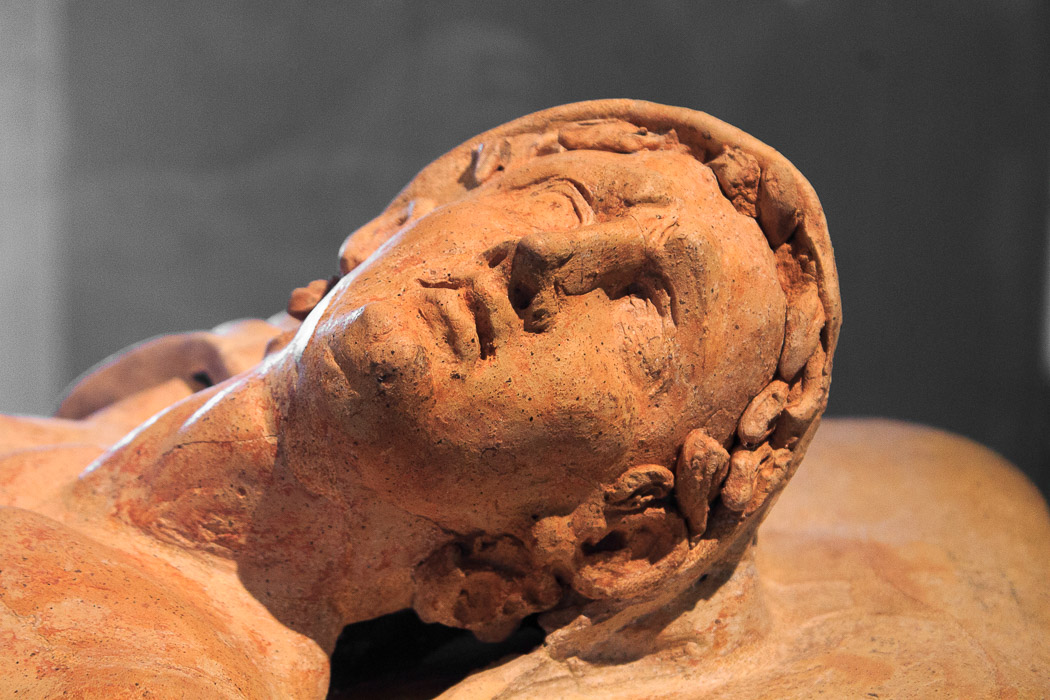
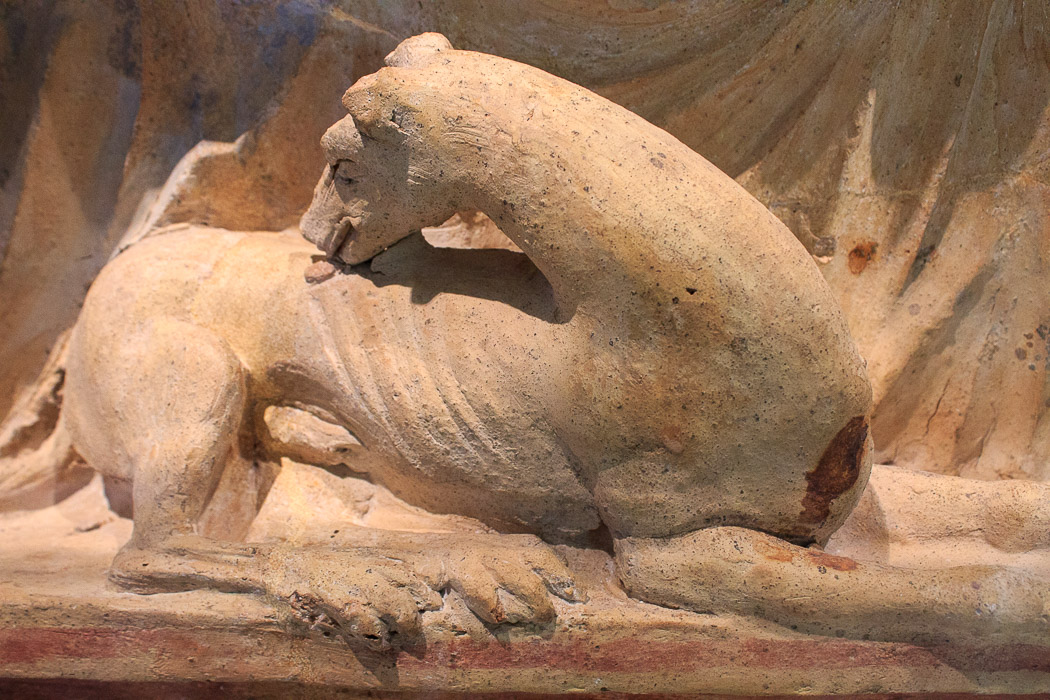
Next go upstairs to see the Museo Gregoriano Etrusco (Gregorian Etruscan Museum).
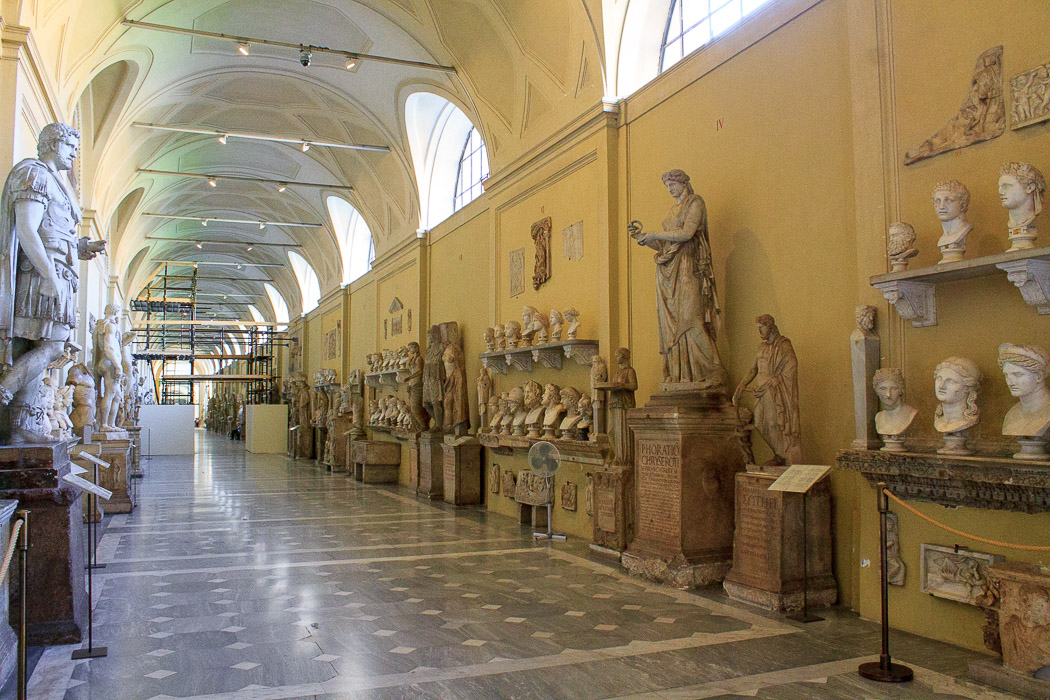
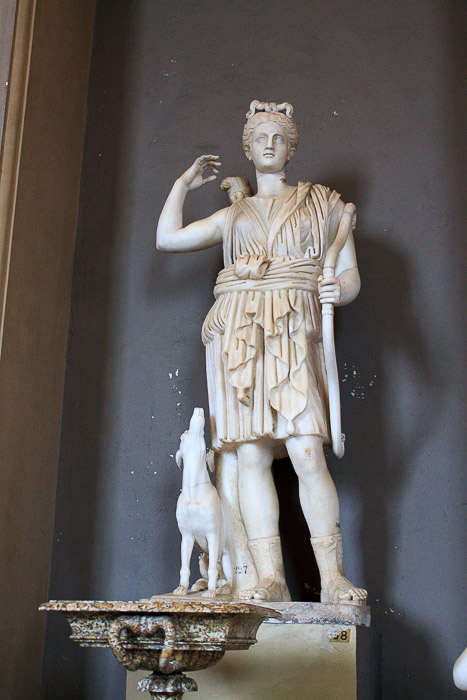
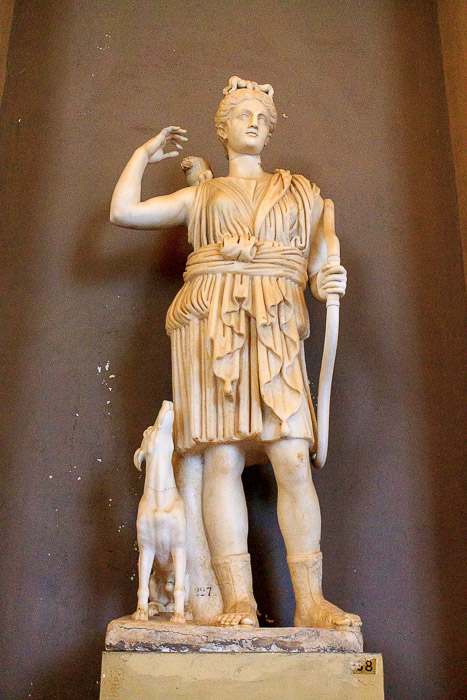
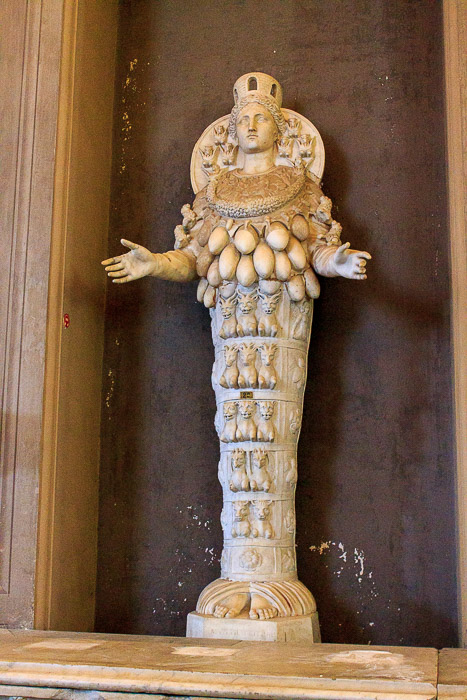
Next up in the museum is a 1/4-mile-long hallway to test your endurance. It's crowded since everyone is condensed into a narrow hallway, and everyone is getting antsy to see the highlight at the end of the museum, the Sistine Chapel. But enjoy the journey, while you're here. The first part of the hallway, called the Gallery of the Candelabra has more sculptures, among them, Diana the Huntress (1st and 2nd photos below), Artemis (3rd photo), and Bacchus (I missed photograph him).
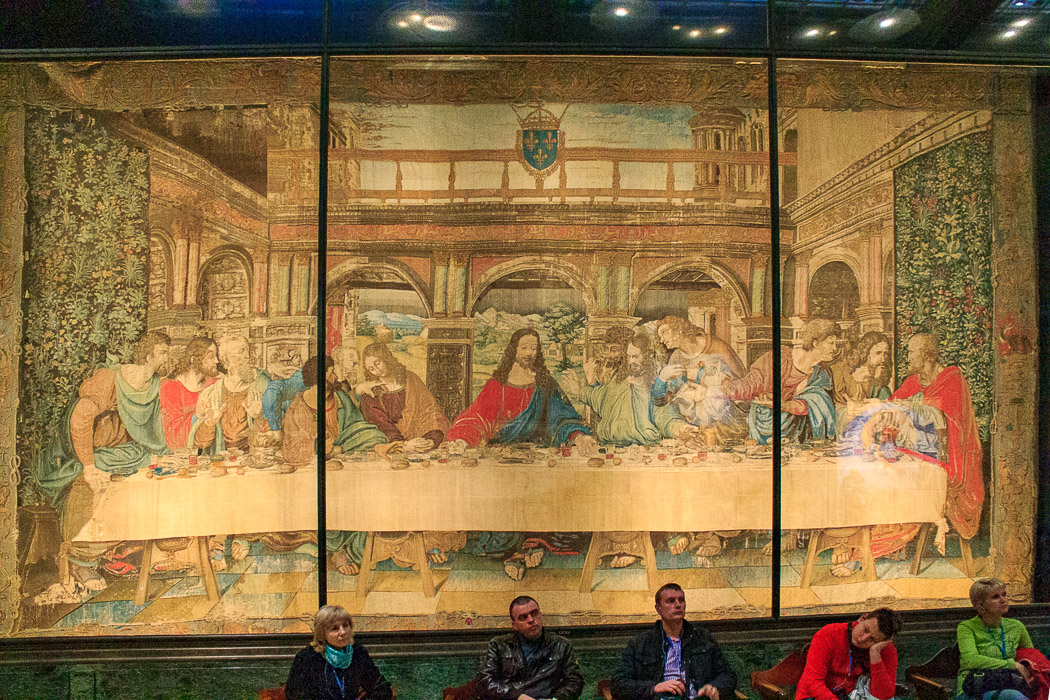
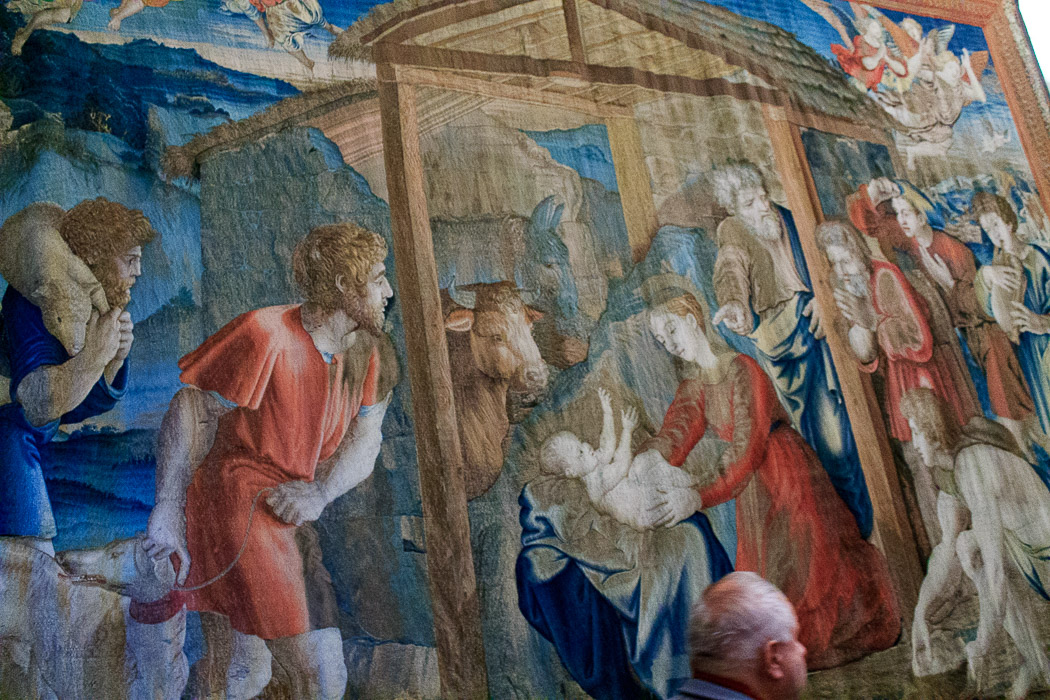
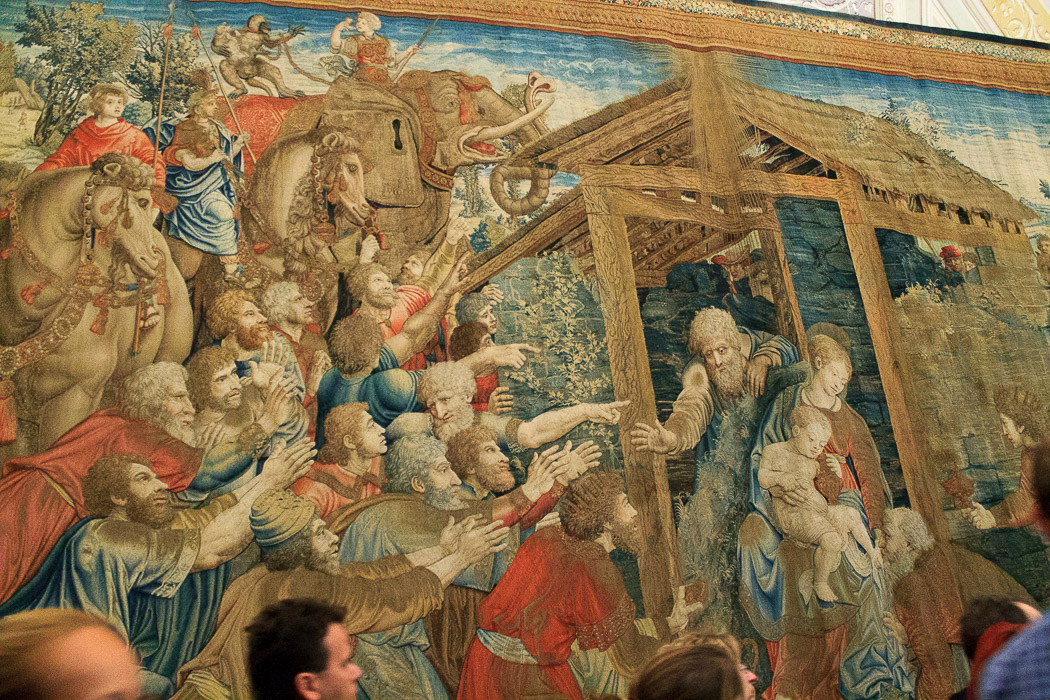
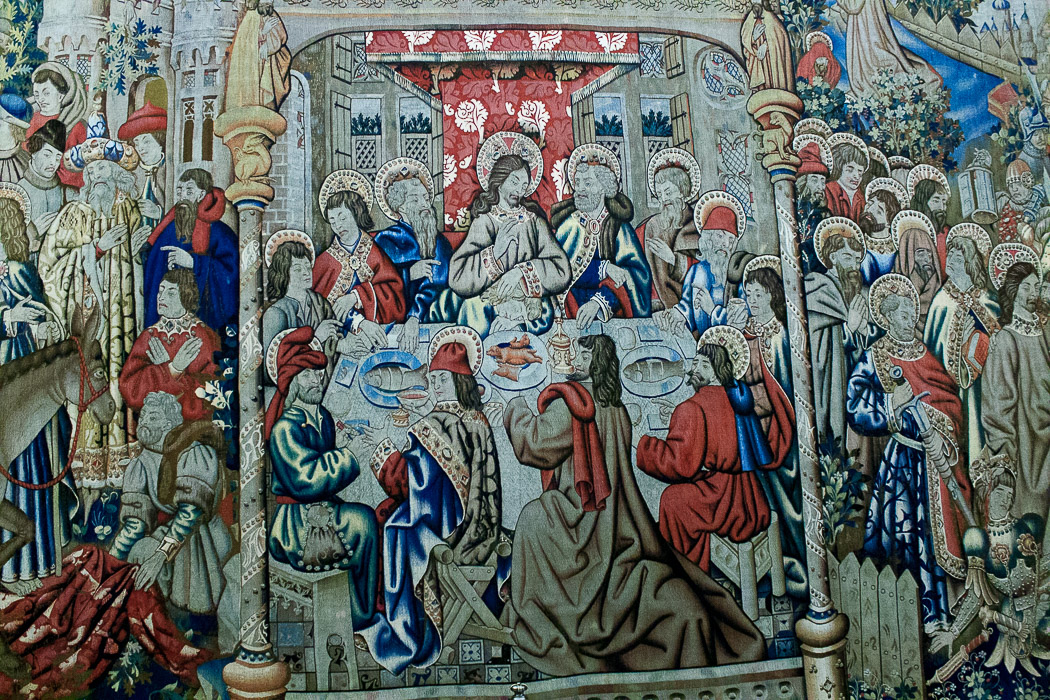
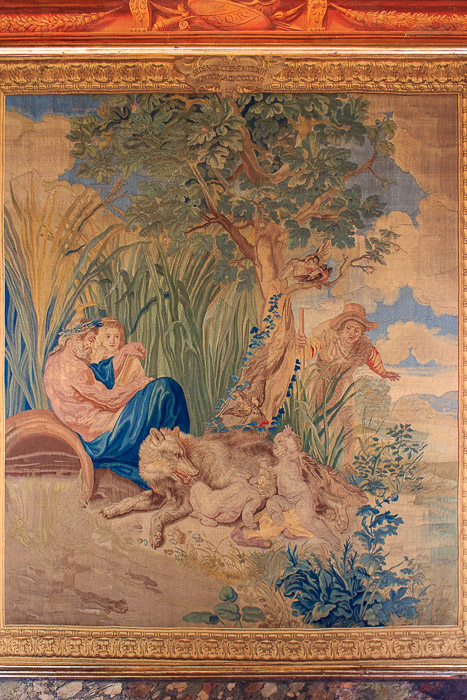
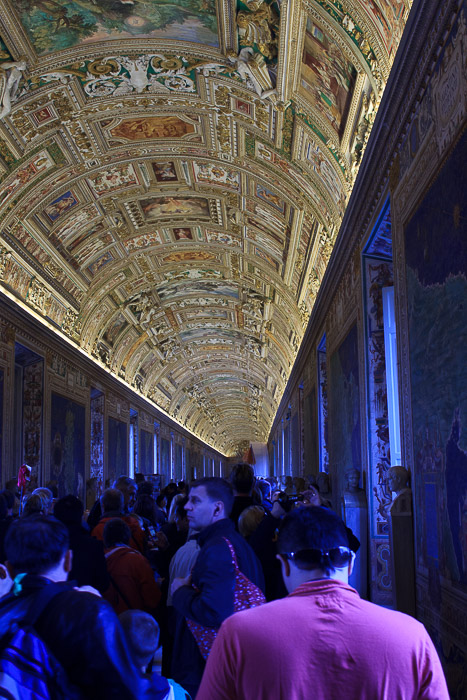
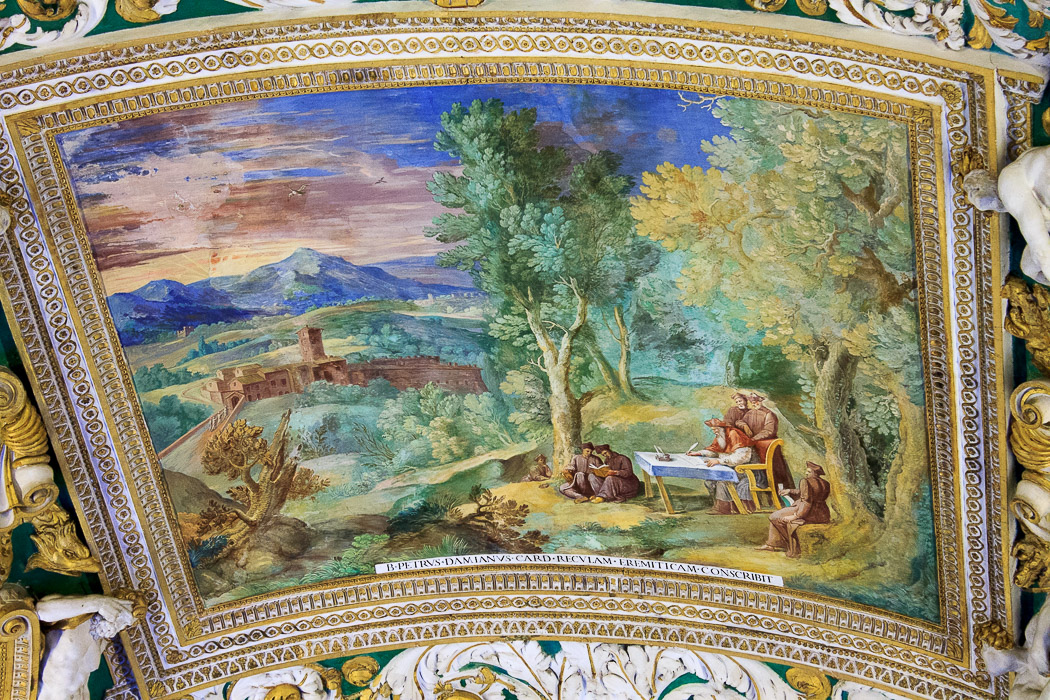
Once the statues end and the tapestries begin, you're in the Gallery of the Taperstries (Galleria degli Arazzi). I under-appreciated this section but some people consider this a highlight of the Vatican Museum. The ceiling is cool - even I noticed it - it is painted in 3D (1st and 2nd photos below). The right wall holds 17th century tapestries depicting scenes from Pope Urban VIII (Barberini)'s life. The ones on the left were woven in Brussels during the 1500s, and they depict the life of Jesus.
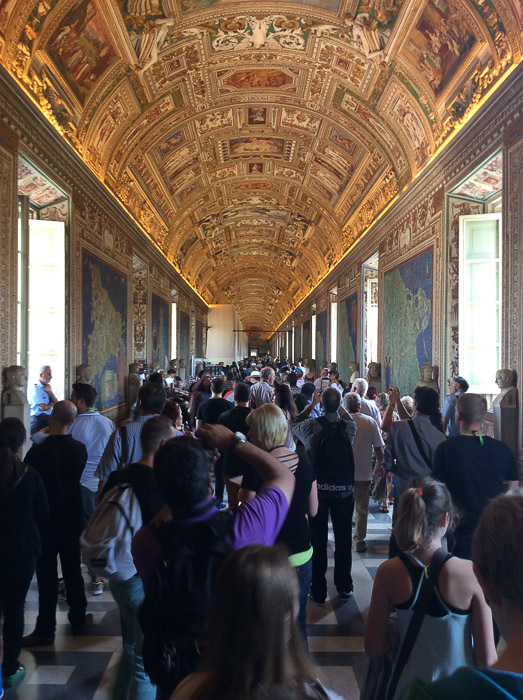
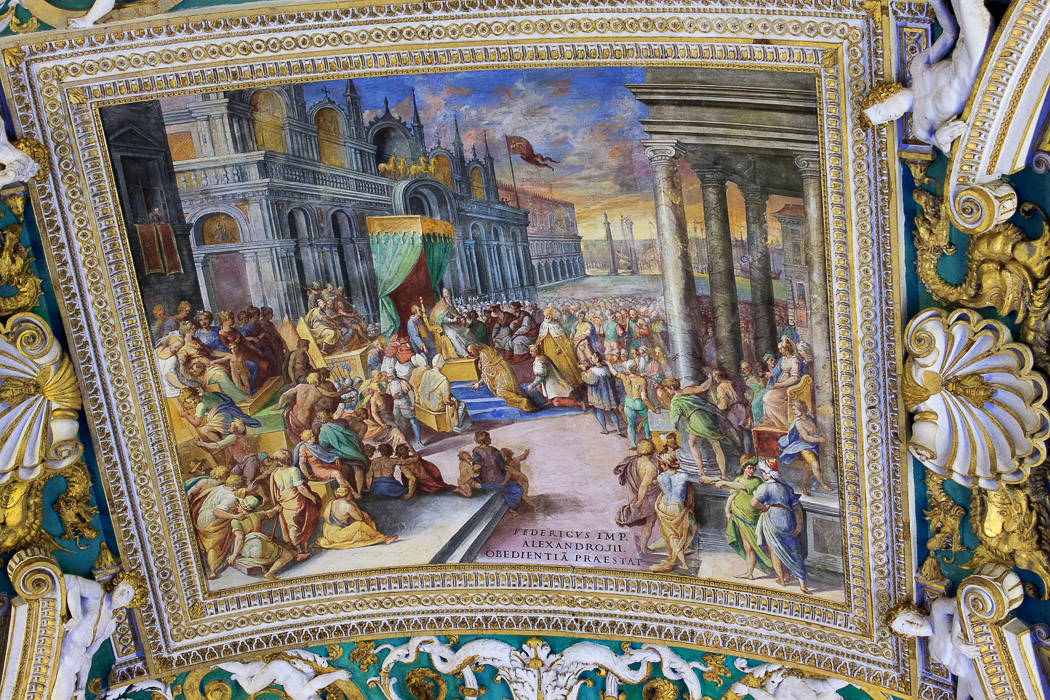
Next is the Gallery of Maps (Galleria delle Carte Geografiche), which I also underappreciated but some people think is a highlight of the Vatican Museum. I was taken by the ceiling (it's one of the most photographed ceilings in the museum), but I completely missed the significance of the maps, created in the 1500s.
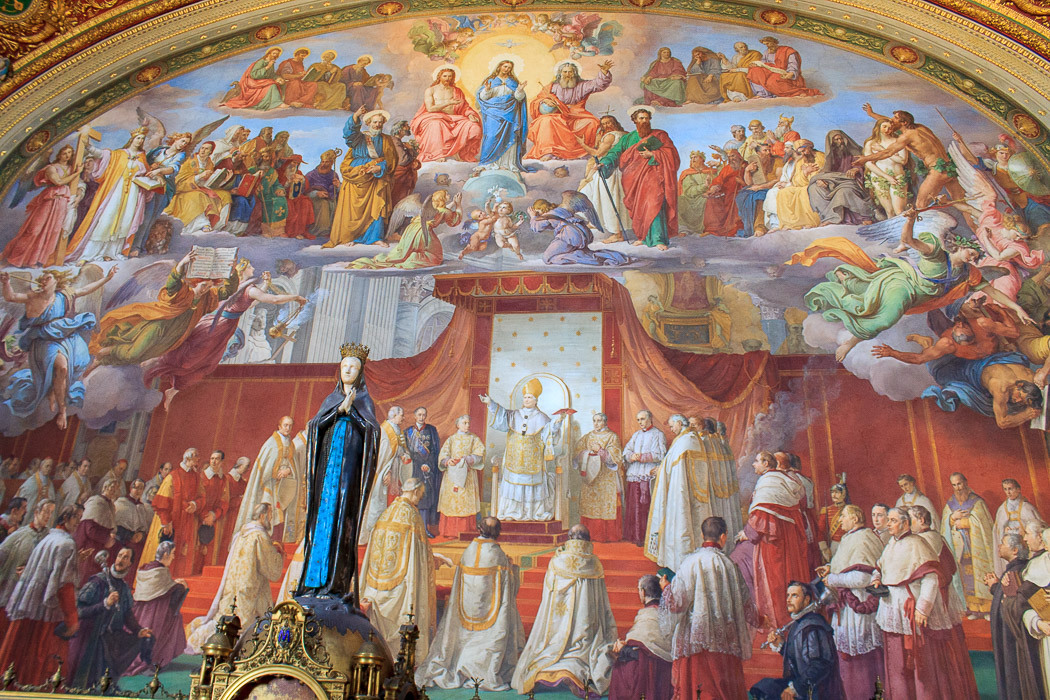
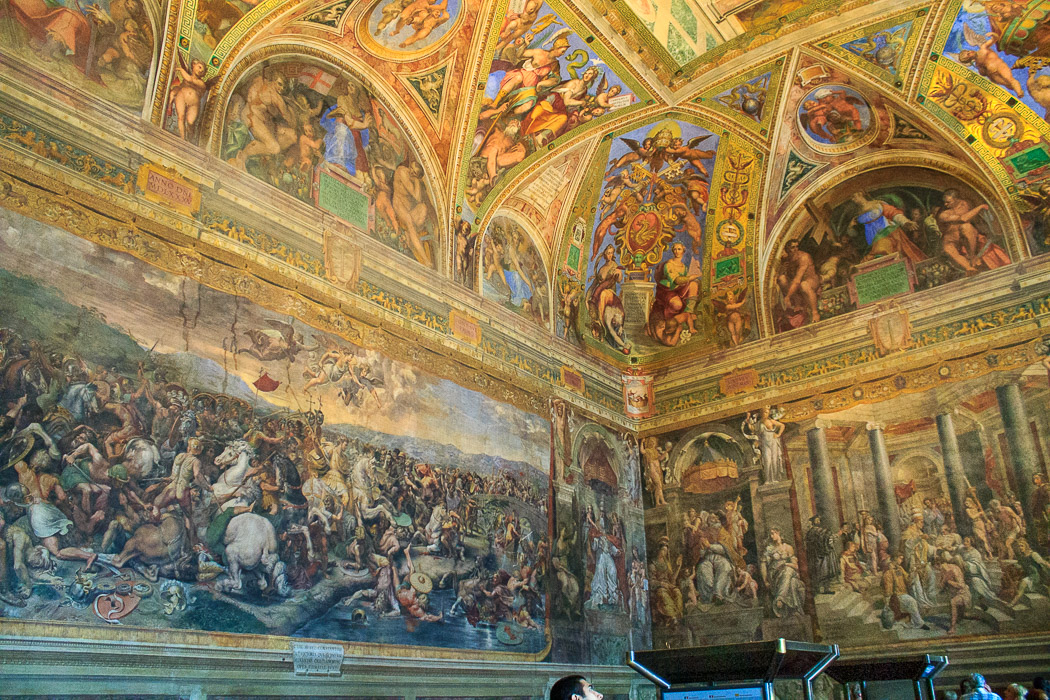
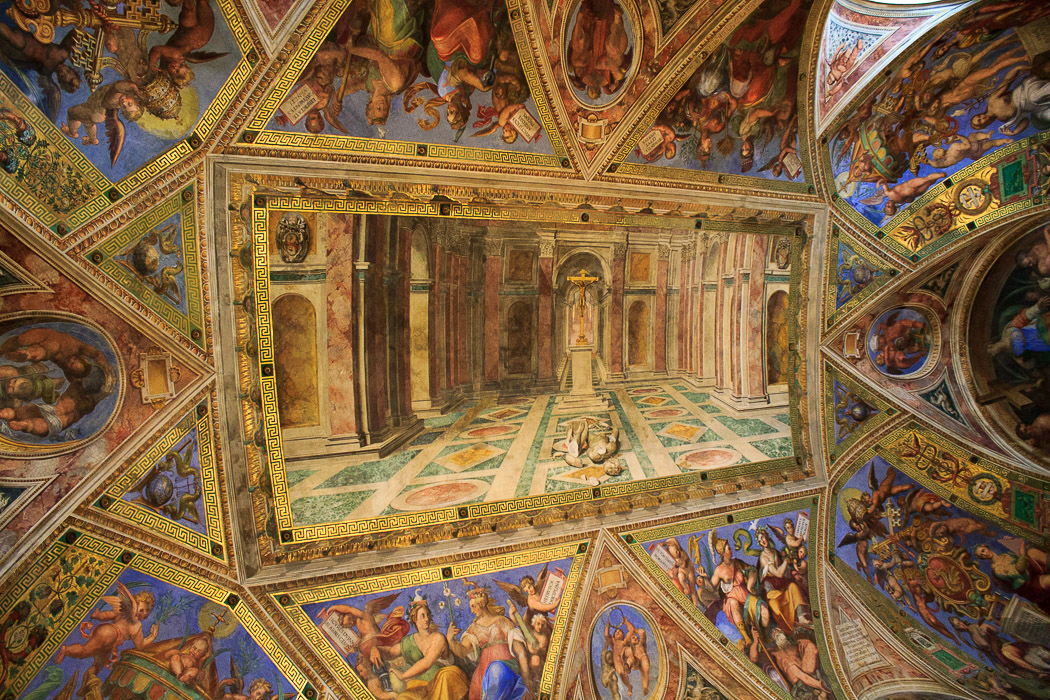
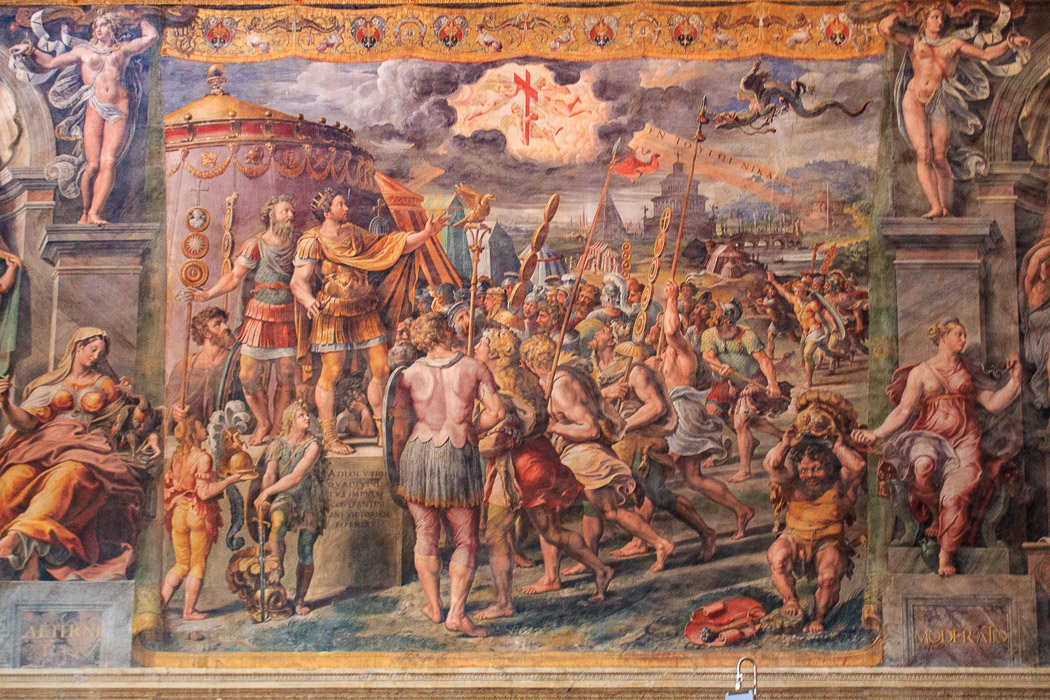
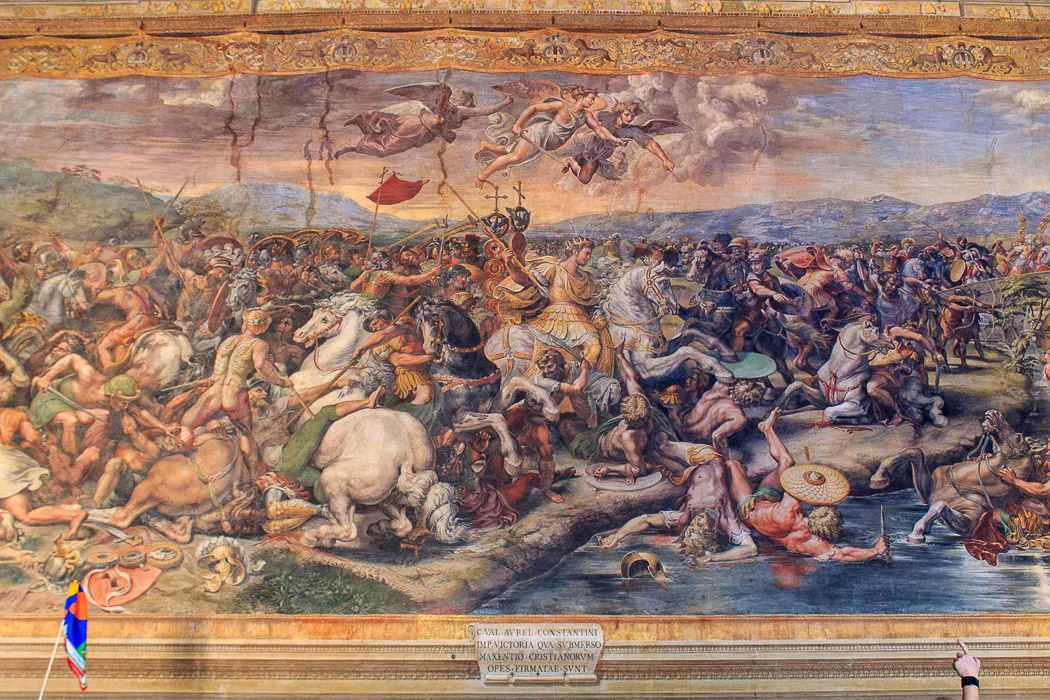
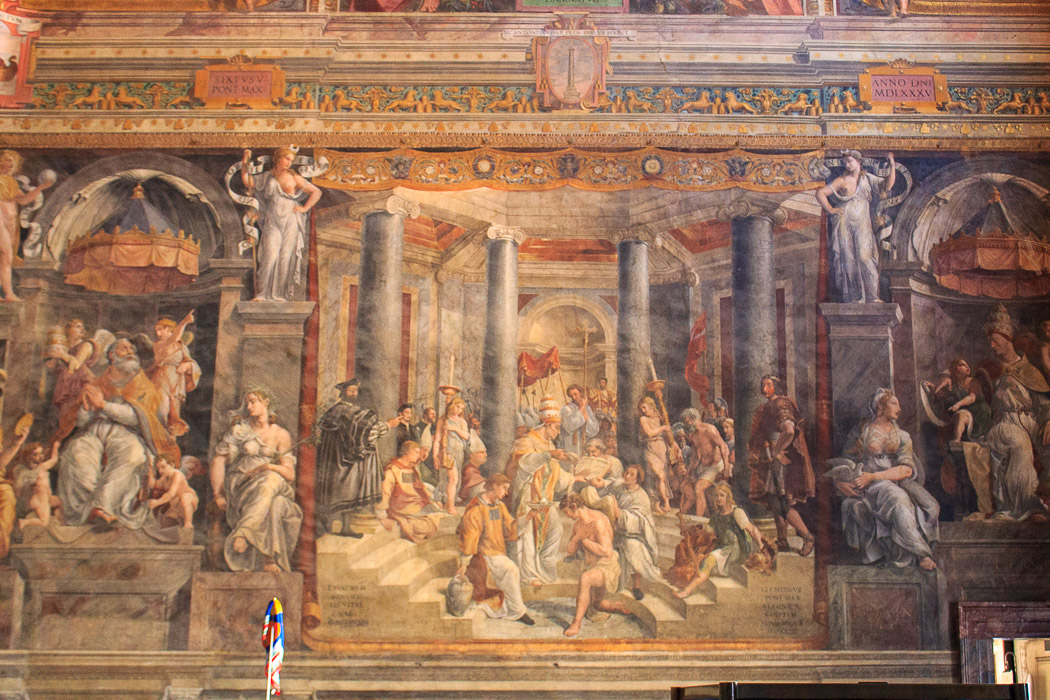
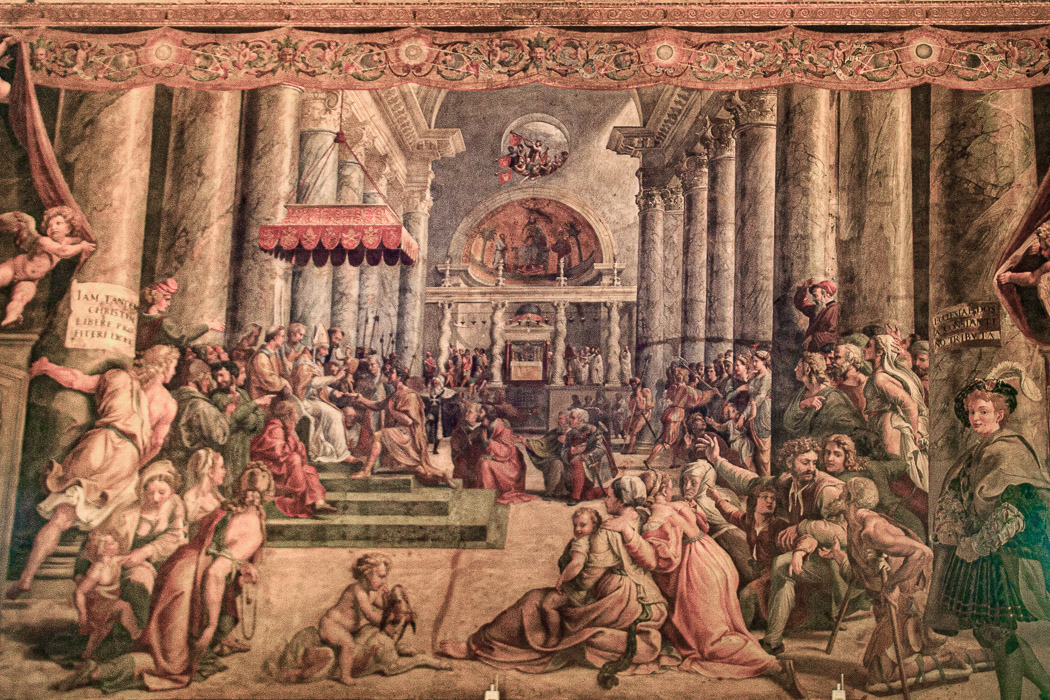
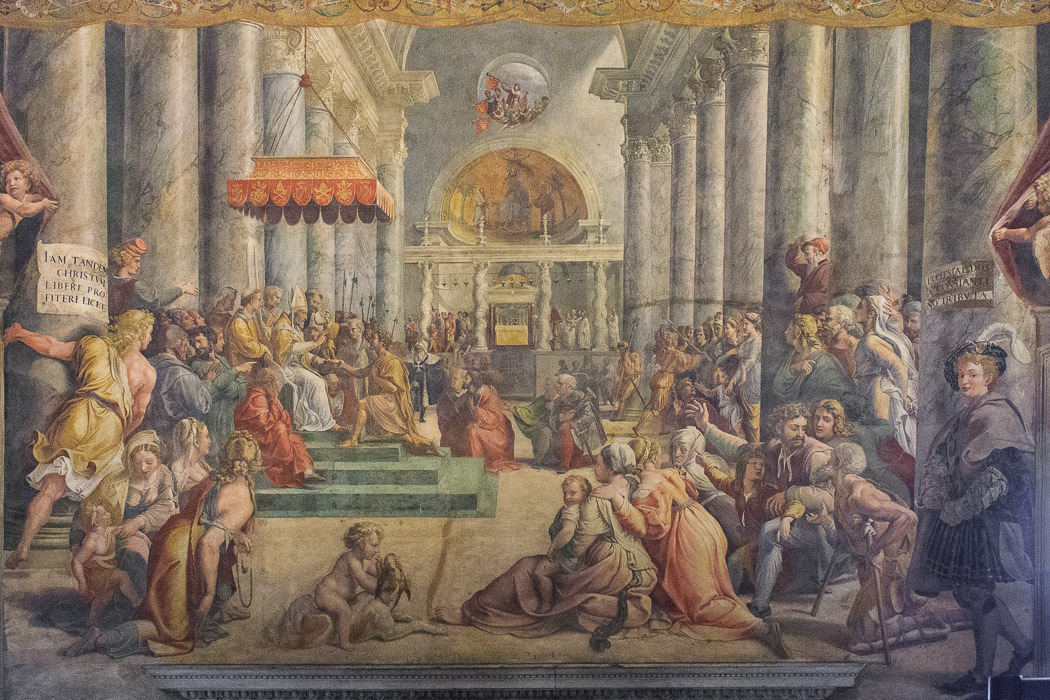
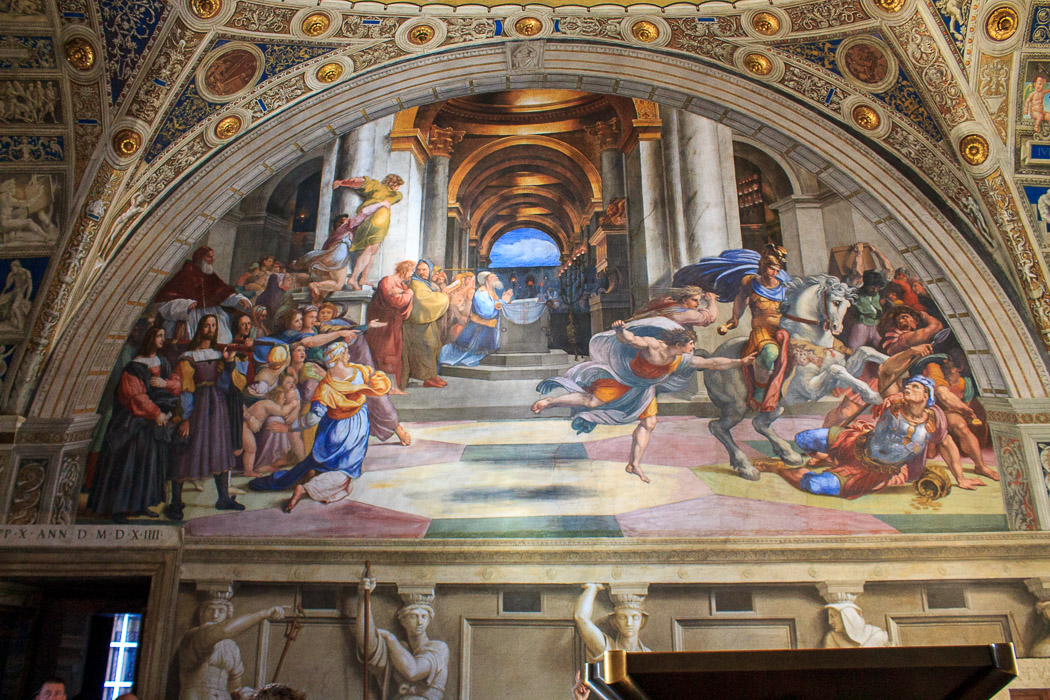
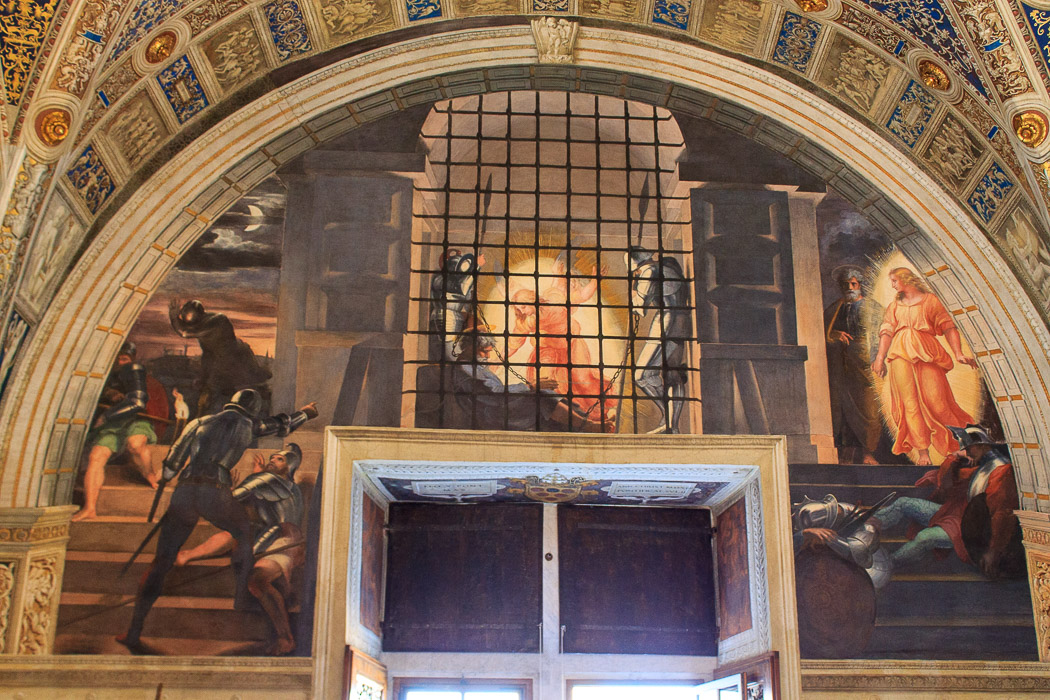
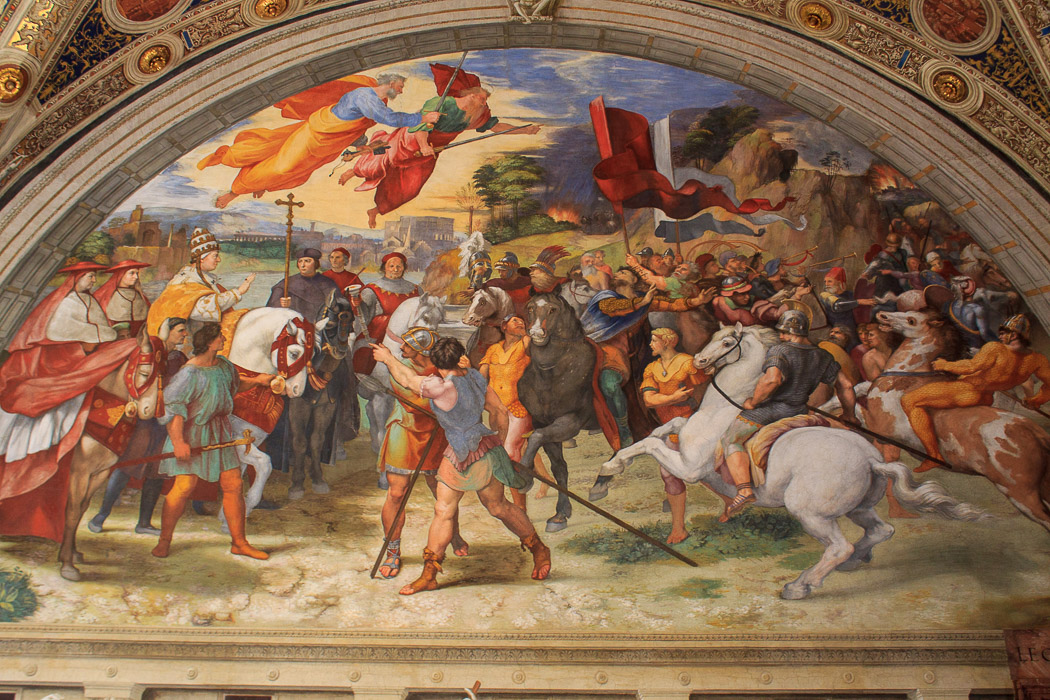
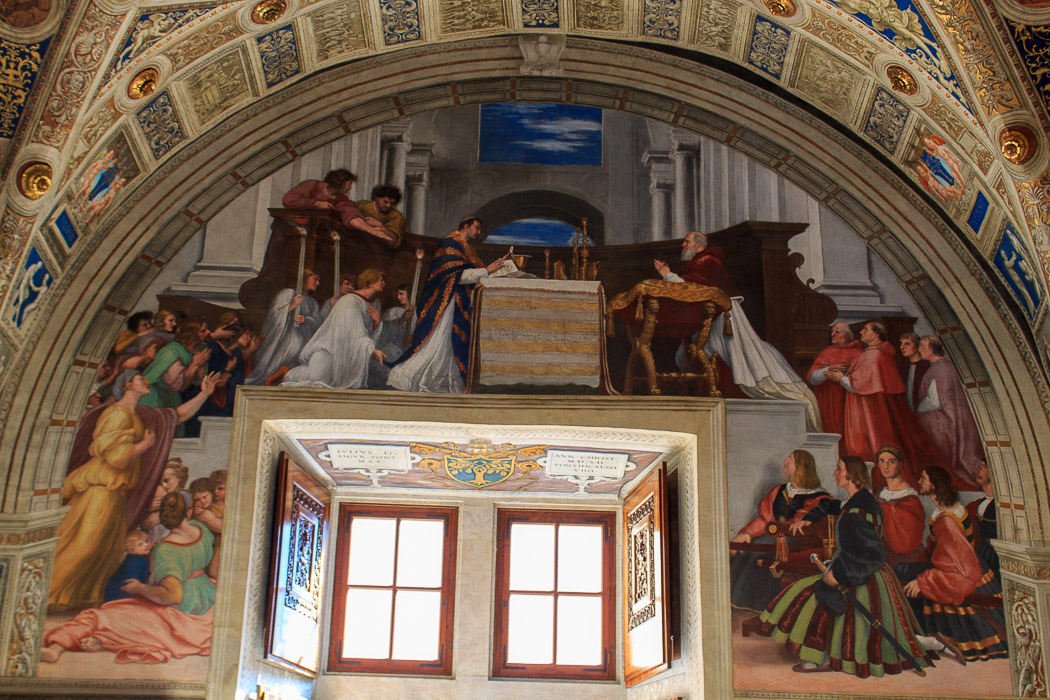
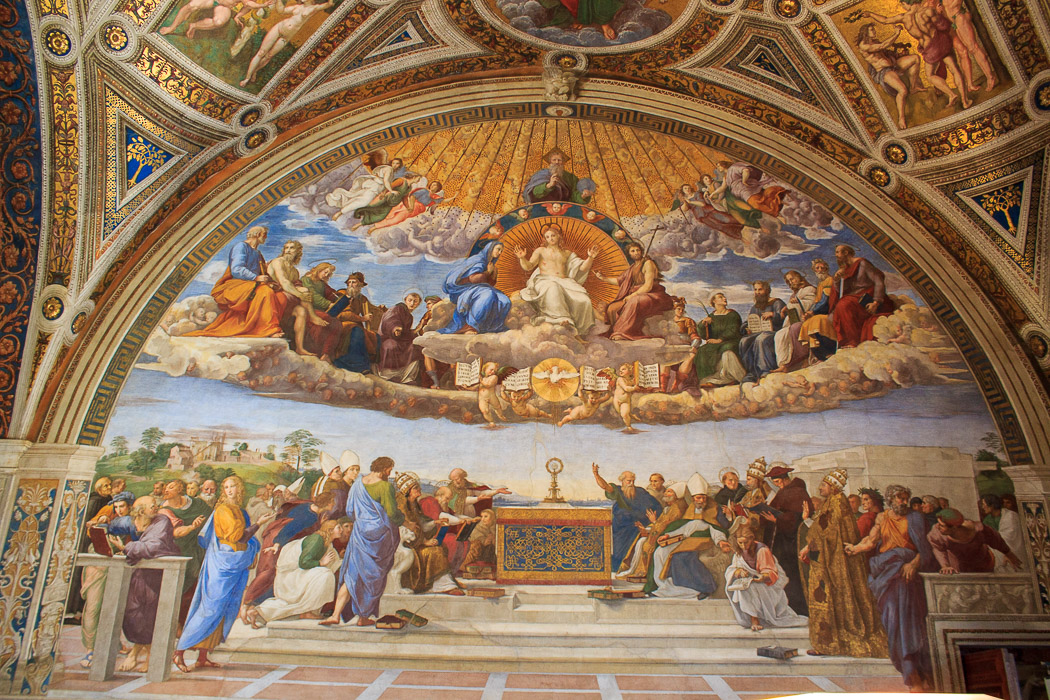
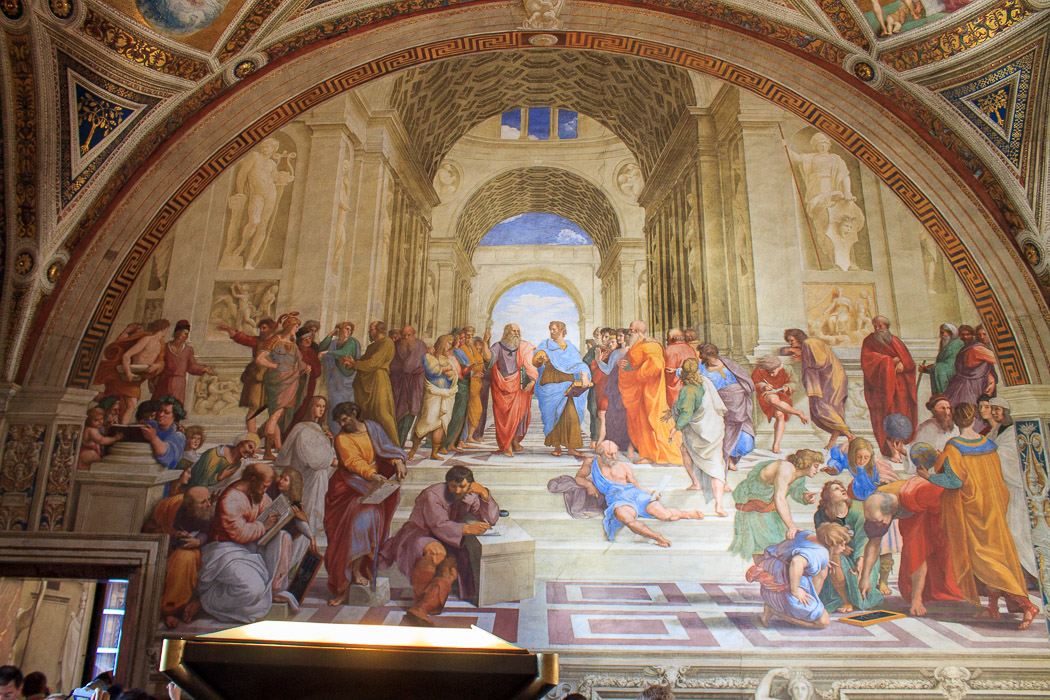
At the end of the long hallway is the Room of the Immaculate Conception, with frescoed walls shown in the first two photos below. After that are the four Raphael Rooms which are another highlight of the Vatican Museum. After a day walking through this huge museum in sometimes oppresive heat and often oppresive crowds, I can't possibly do better than Wikipedia in documenting the Raphael Rooms, please see its page for quality photos of all walls and ceilings, along with descriptions of them. The Raphael Rooms show huge works of art. Raphael's Constantine Frescoes, 1517-1524, depict the Battle of the Milvian Bridge, in which Constantine saw a sign from God, used it in battle to defeat Maxentius, then made Christianity the official religion of Rome. The ceiling shows a pagan statue knocked to the ground and broken, with a Christian cross dominating above it. A room further on, the Liberation of St. Peter, depicts the moment that angels appeared to the imprisoned St. Peter and rescued him by breaking his chains (those chains are now in the church of St. Peter in Chains). The School of Athens celebrate the rebirth of learning during the Renaissance. La Disputa depicts religion during the Renaissance.
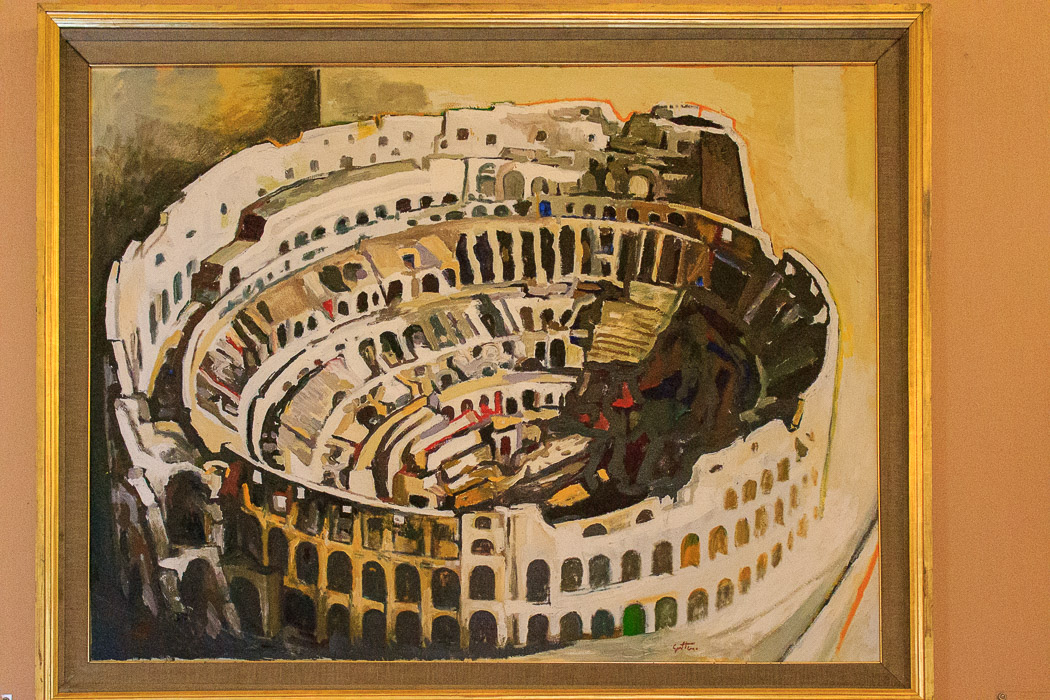
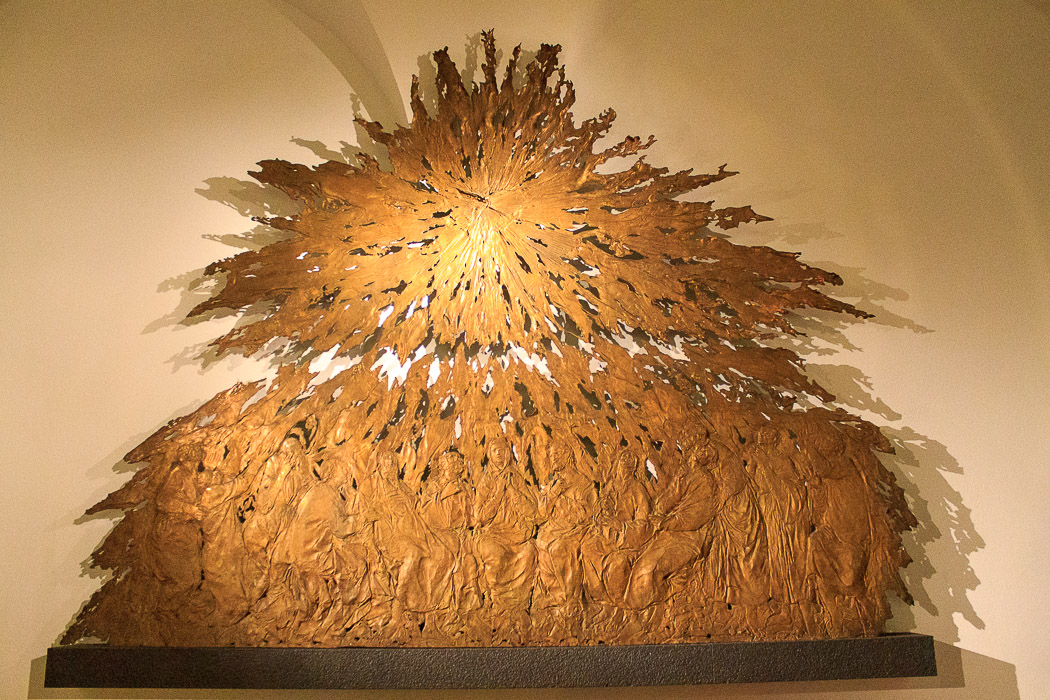
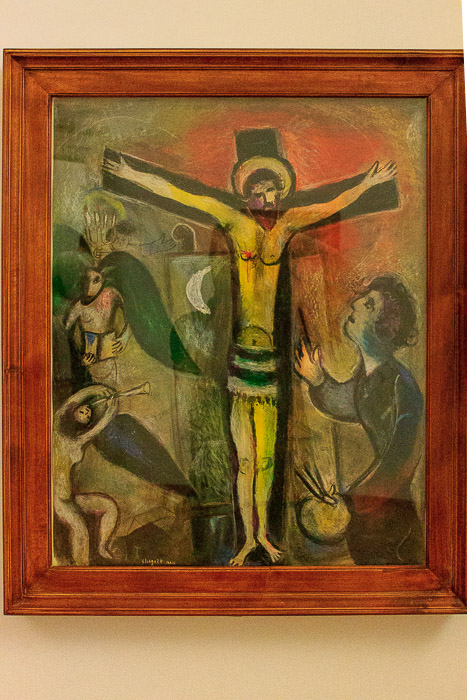
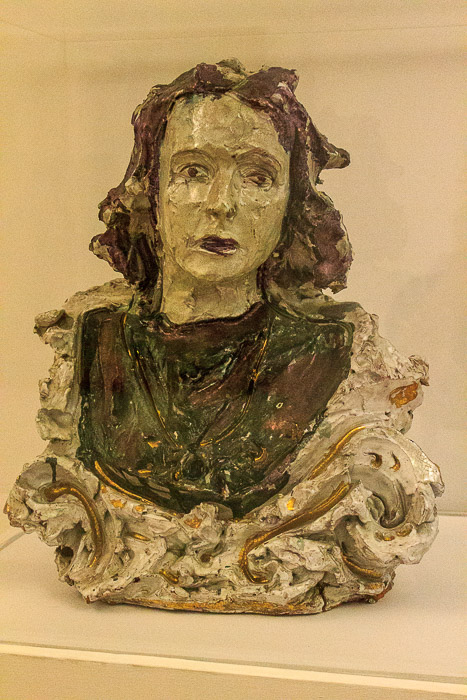
After this you'll go back downstairs to see the Borgia Apartment, where you'll see few rooms of modern art.
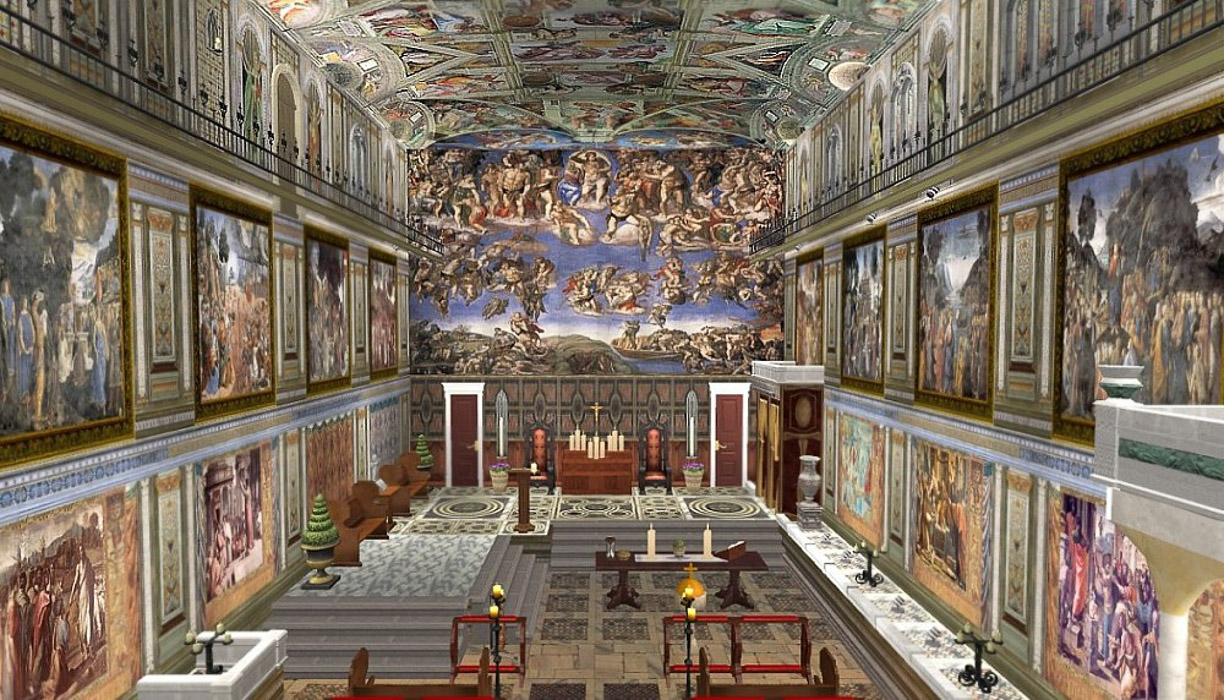
The last stop in the Vatican Museum is the Sistine Chapel, where no photos are permitted. Remember where the door is that you walked in. Once you've made it into the chapel, take your time and enjoy the world-renowned artwork of Michelangelo; remember that you'll likely not be returning here ever again, and an extra half-hour here won't matter much to the schedule in the long-run of your life. This is the highlight of the Vatican Museum. Be sure to study the ceiling, the walls, the cosmetique mosaic floor, and the Last Judgement. Then either exit the side of the chapel to walk back to the exit near the museum's entrance to turn in your audio guide or pick up your checked bag, or exit out diagonally from where you entered, blending in with a tour group to enter St. Peter's Basilica, which you're right next to at this point, without the long walk outside. If that door diagonal to where you entered the chapel is closed, just hang out for a few minutes; you'll get your chance when some tour group leaves.
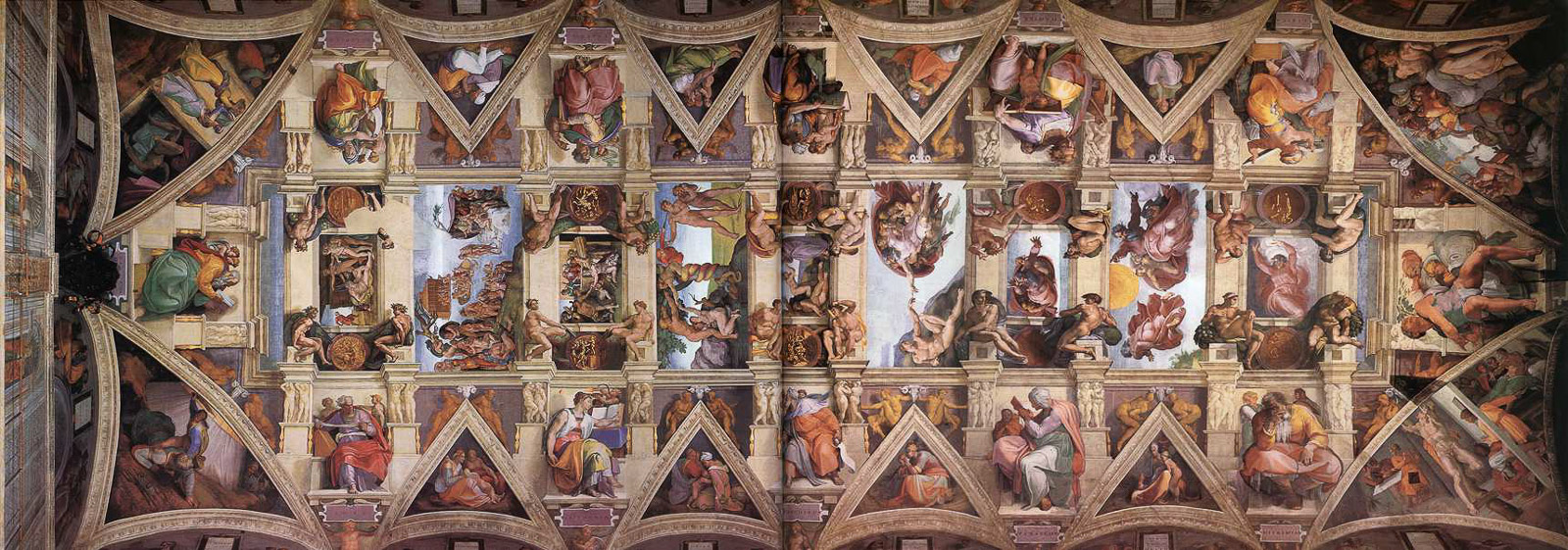
I'm not going to attempt to explain the Sistine Chapel better than the Wikipedia articles about the ceiling and about it's history, but I can give you these clues to orient yourself to what you're seeing. First, running down the spine of the ceiling (1st photo below) are 9 rectangular scenes from the old testament. Starting at the front of the chapel (the right side of the 1st photo below), the 9 rectangular panels show
Beside that central spine are alternating squares which show the Prophets (the largest figures on the ceiling) and triangles which show the Ancestors of Christ.
At the end with the altar is the huge painting of The Last Judgment (center of 1st photo below), painted 23 years after the ceiling, which shows how the righteous (on the left) are carried up to heaven and the wicked (on the right) are pushed down for their punishment. If a long study of this grim wall with no one smiling can't make you straighten up and fly right, you might want to give up trying. Is that Charon the ferryman at the bottom, just right of center, wacking people with his oar? And Jesus, at the center near the top, with Mary under his raised right arm, is he a completion of the Belvedere Torso?
See also:
See also: