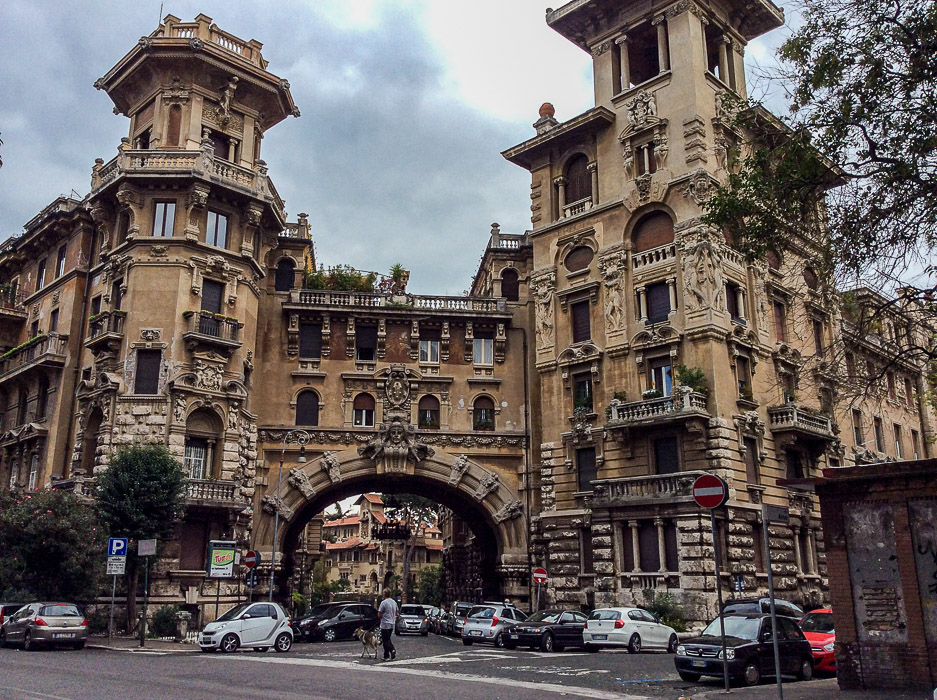
A Tourist in Rome - Coppede Neighborhood
| Location: | 41.91862, 12.50121 are the coordinates of a pleasing entrance into the neighborhood. |
| Metro: | Poliniclinio (Metro Line B, 2 stops north of Termini), then take tram 3 or 19 about 1 mile northwest along Viale Regina Margherita to the Buenos Aires stop, walk one block northeast on Via Tagliamento then turn onto Via Dora to enter the neighborhood. |
| Time: | 30-90 minutes |
| Cost: | Free |
| Hours: | 24/7 |
The Coppede Neighborhood (Quartiere Coppede) is one of Rome's most eccentric and quirkiest collections of neo-mediaeval buildings and is not yet a century old, having been finished about 1927. Get there by taking Metro Line B to the Poliniclinio stop, which is 2 stops north of Termini, then take tram 3 or 19 about 1 mile northwest along Viale Regina Margherita to the Buenos Aires stop, walk one block northeast on Via Tagliamento then turn onto Via Dora to enter the neighborhood.
OR, if you're already at the Borghese Gallery (which you absolutely must see when you visit Rome), walk out to the second cross street, Via Po, turn left onto Via Po, walk 1/2 mile to Via Dora, which is 1 block past the busy street Viale Regina Margherita.
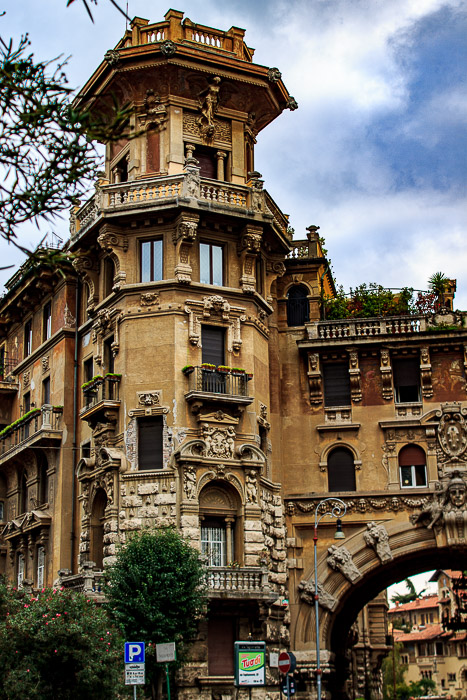
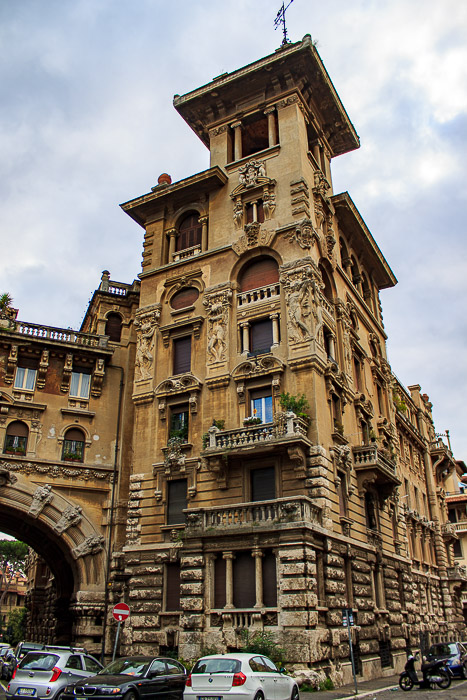
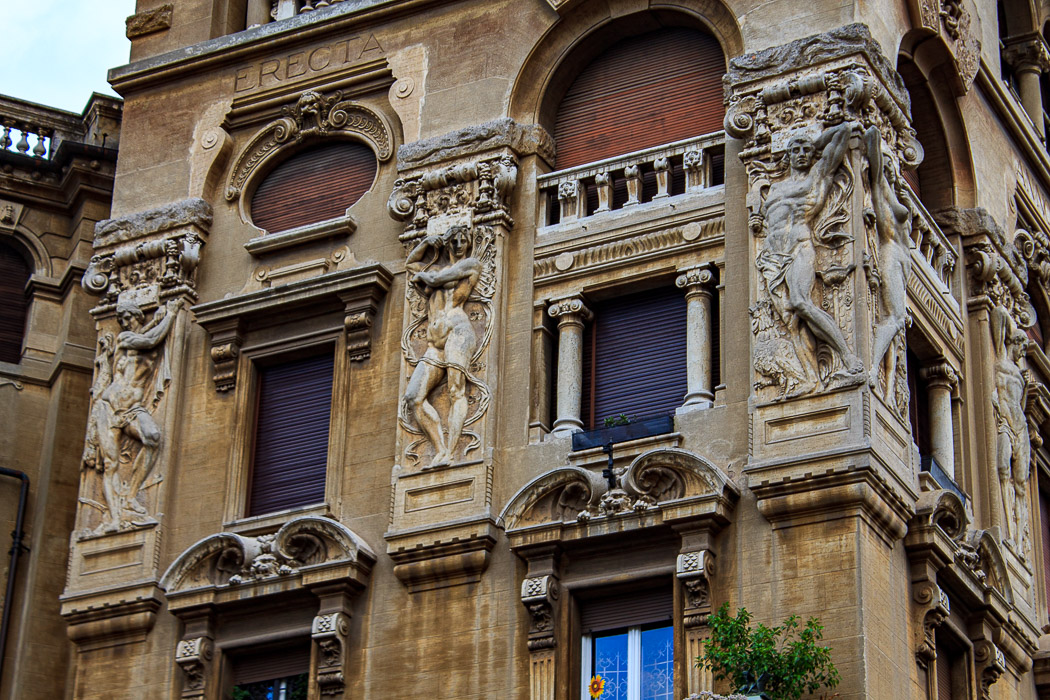
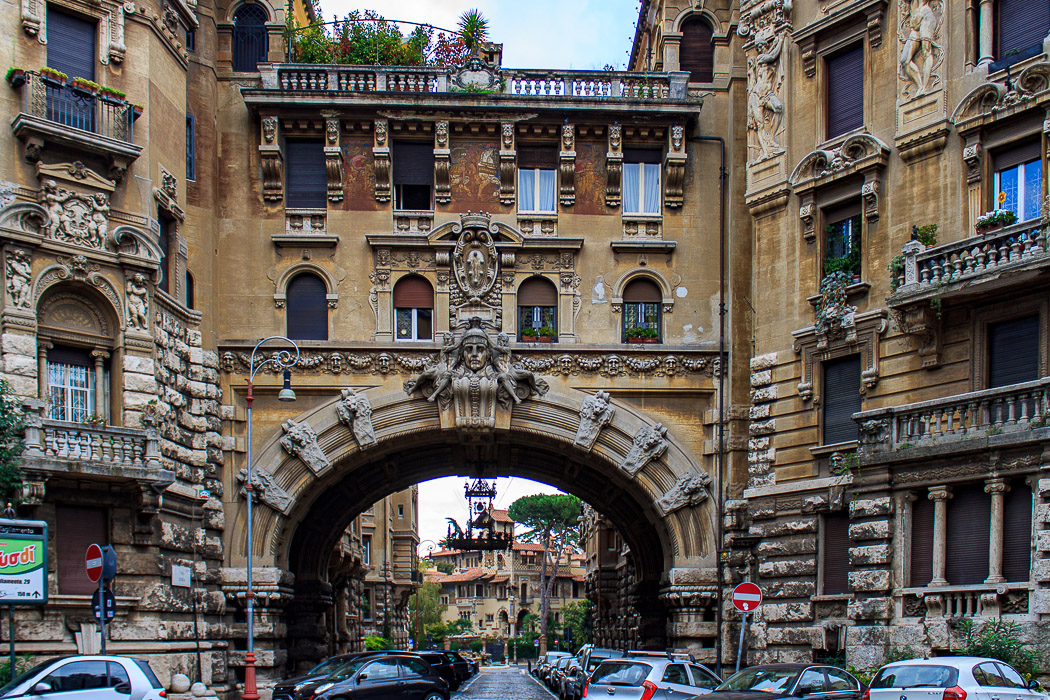
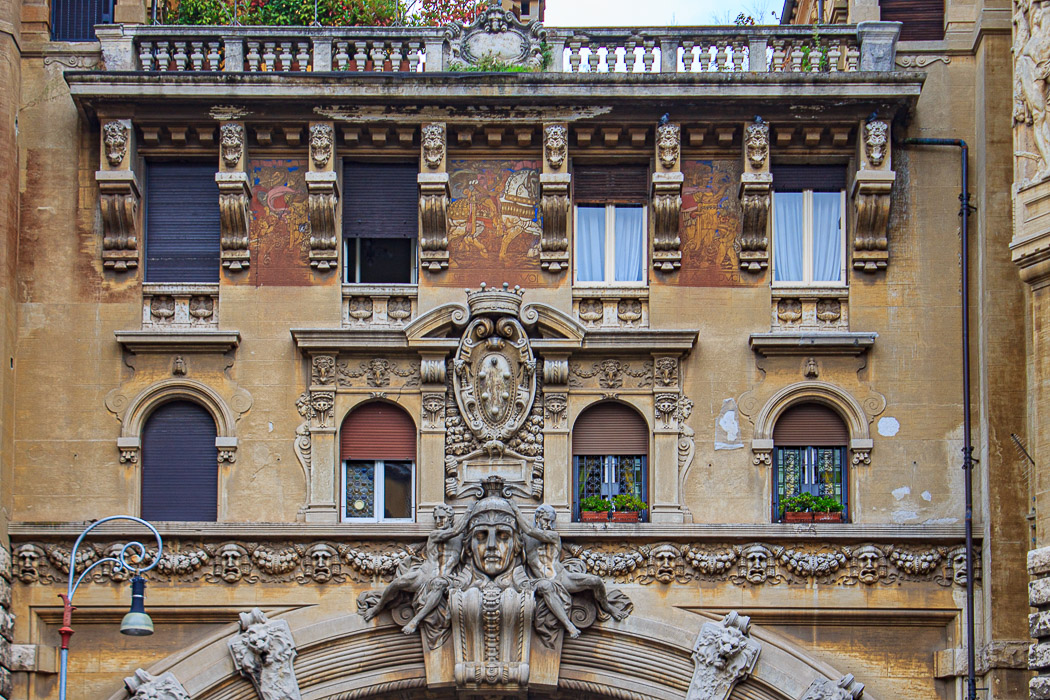
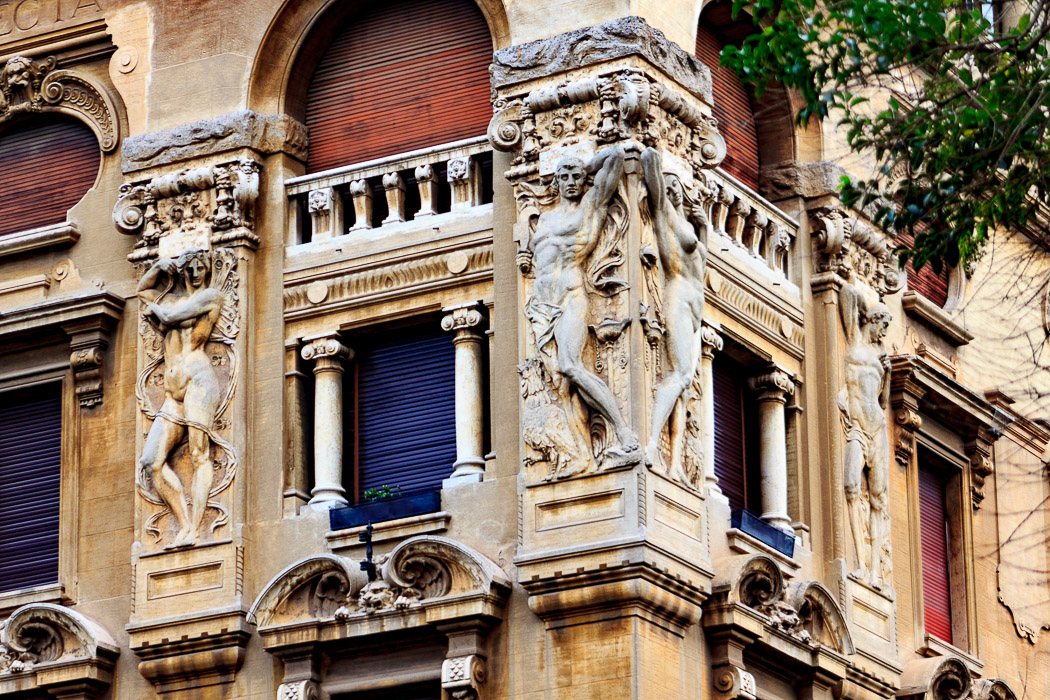
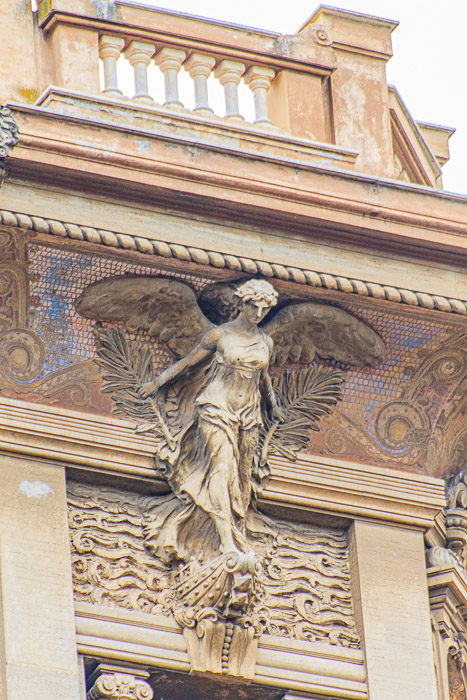
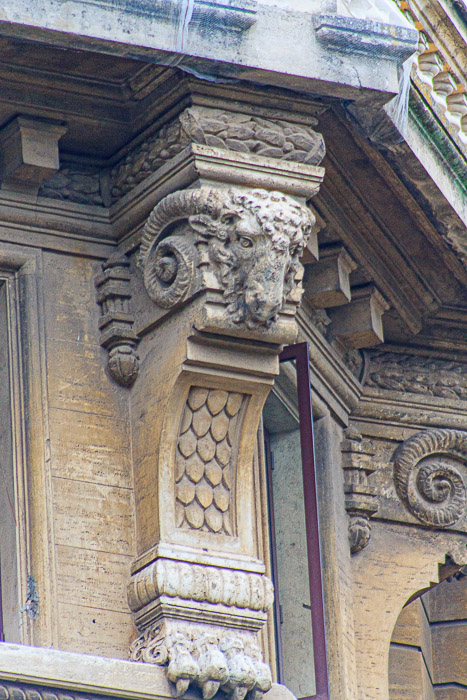
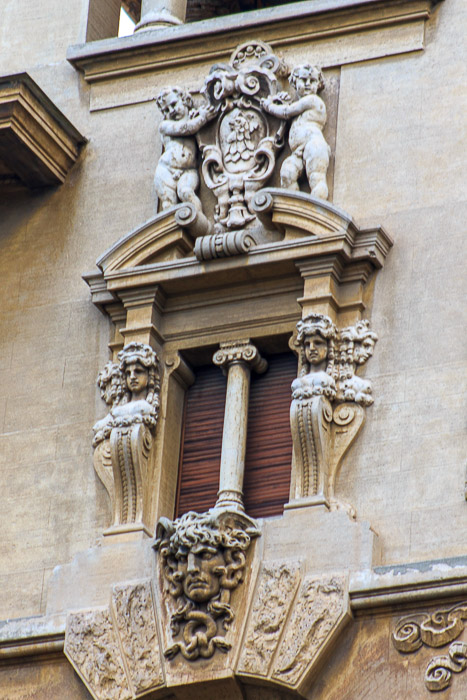
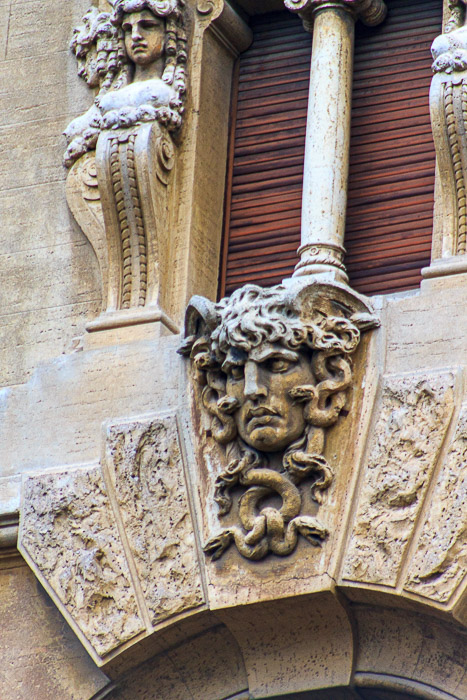
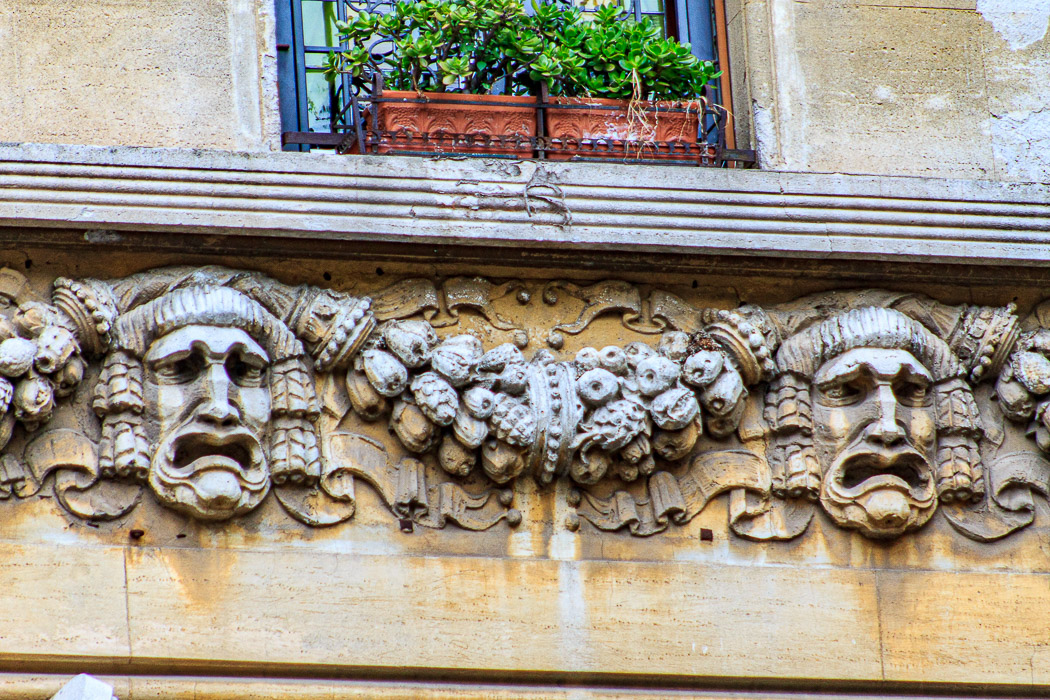
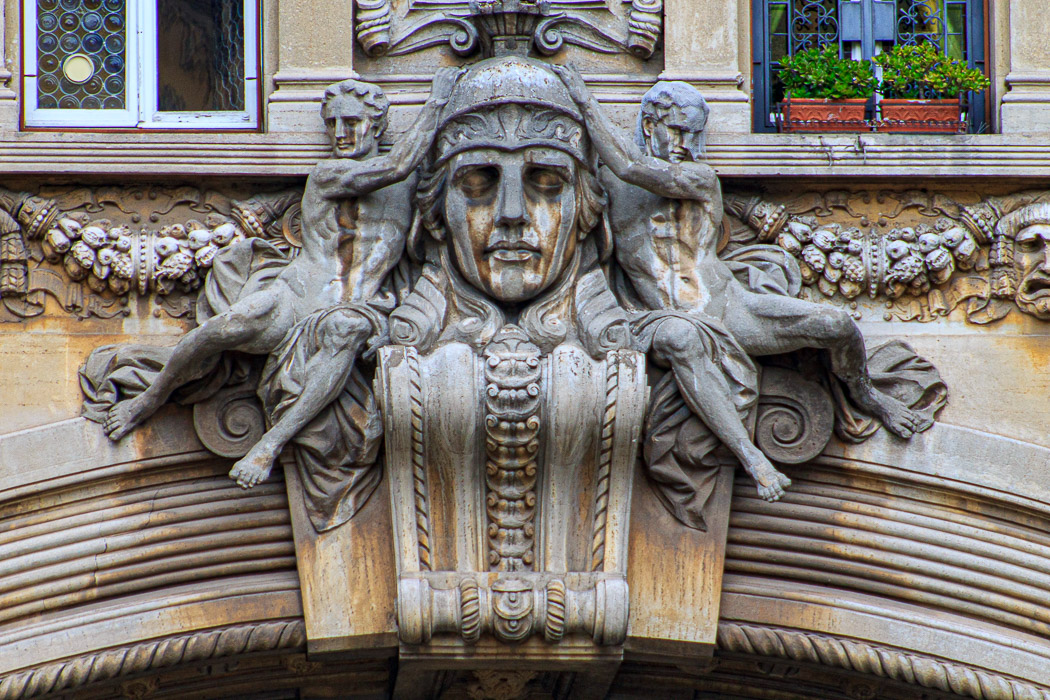
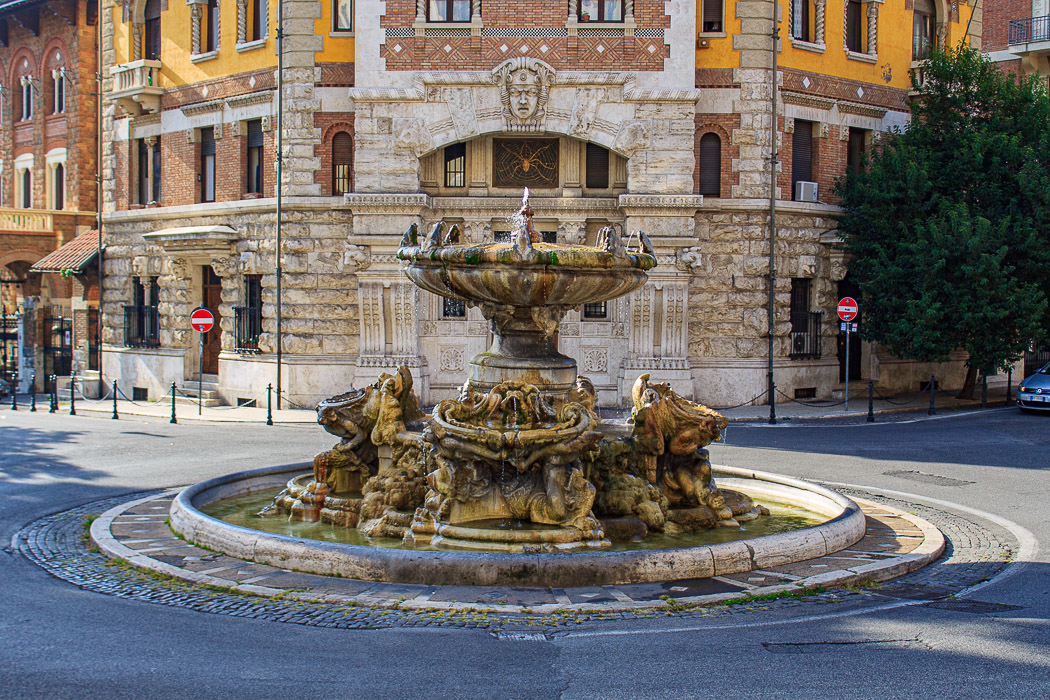
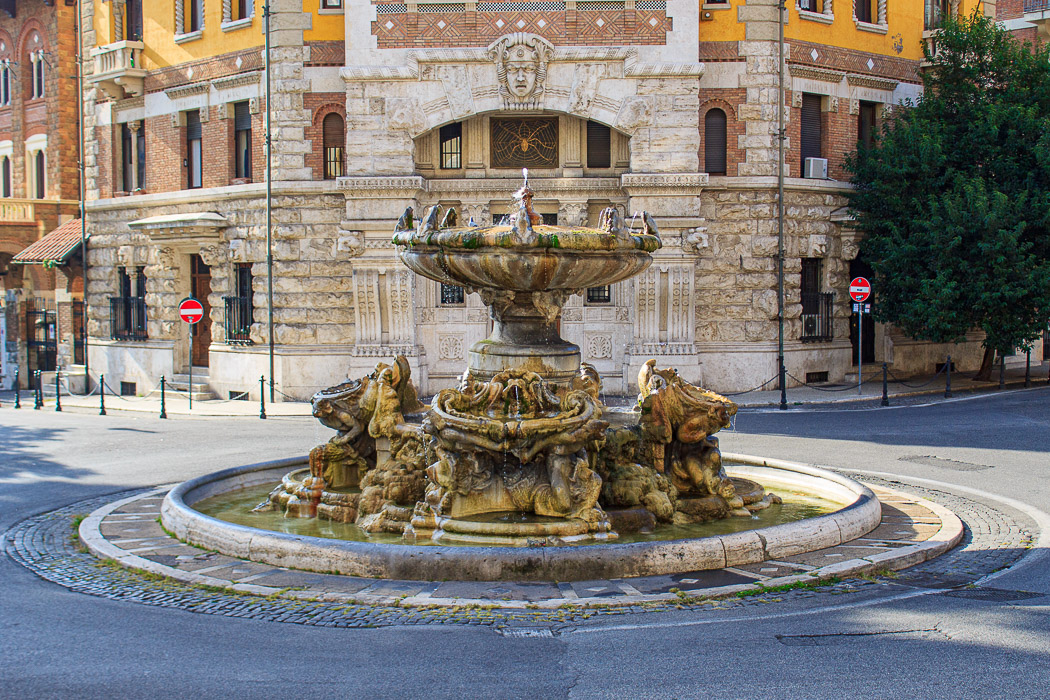
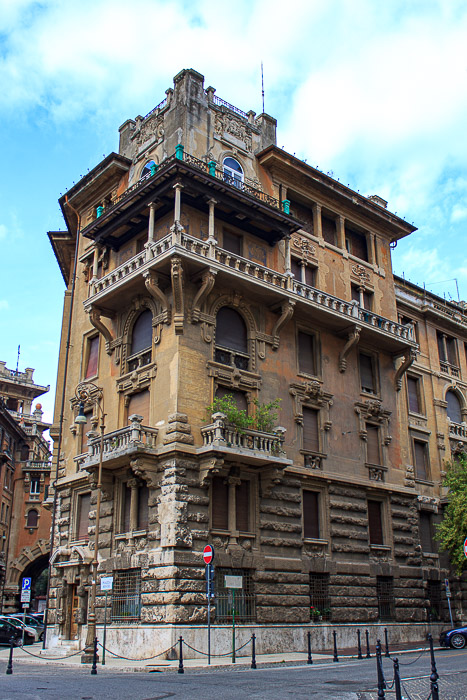
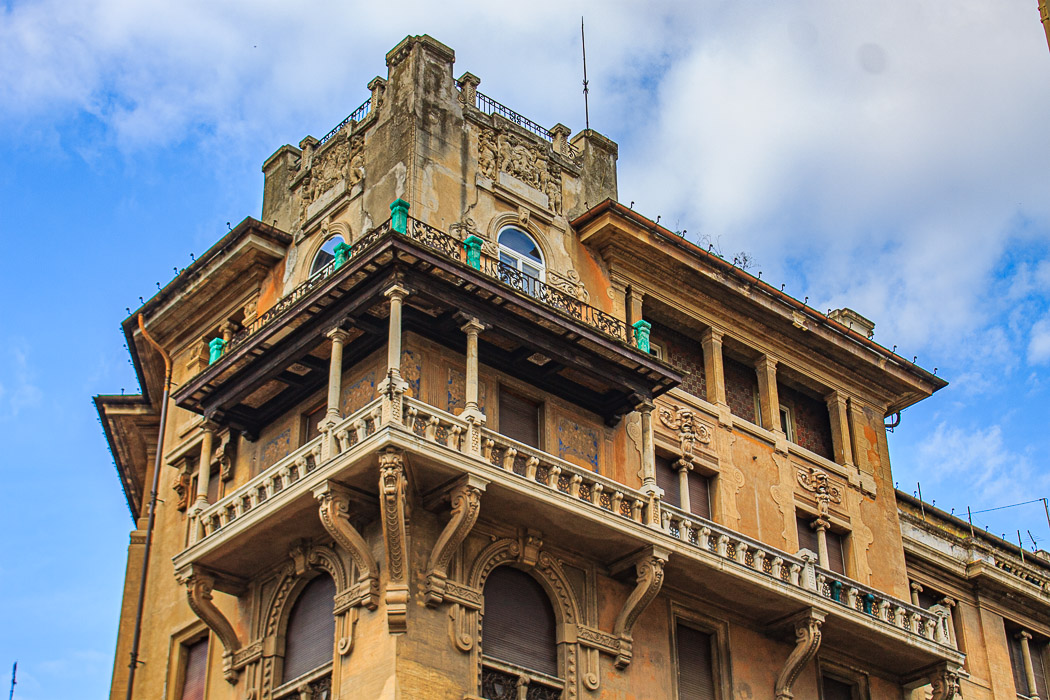
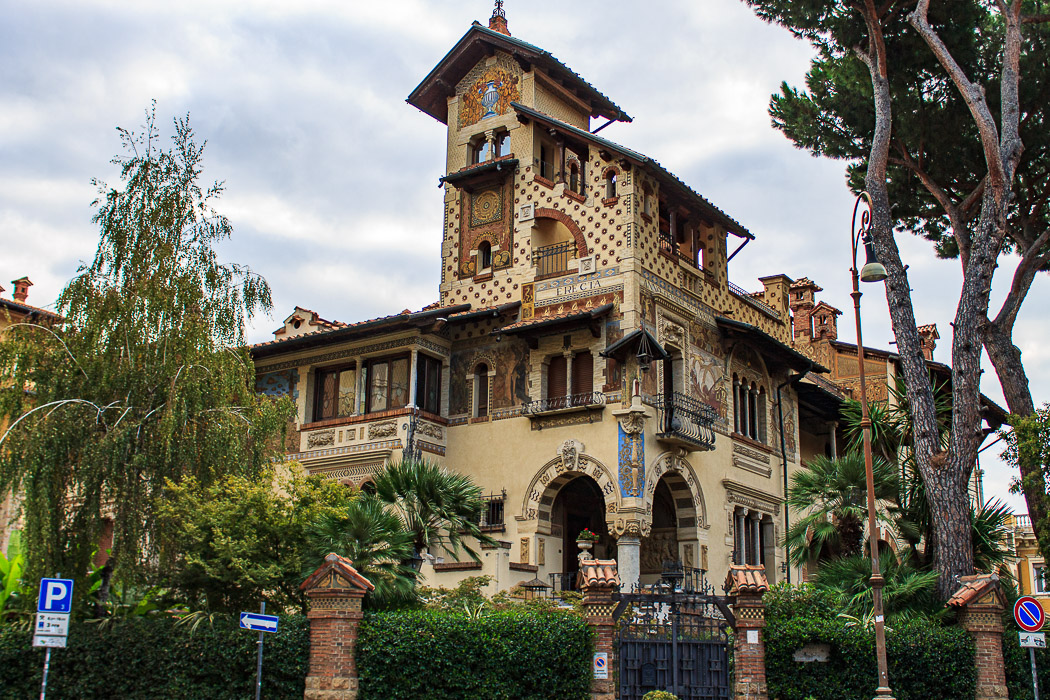
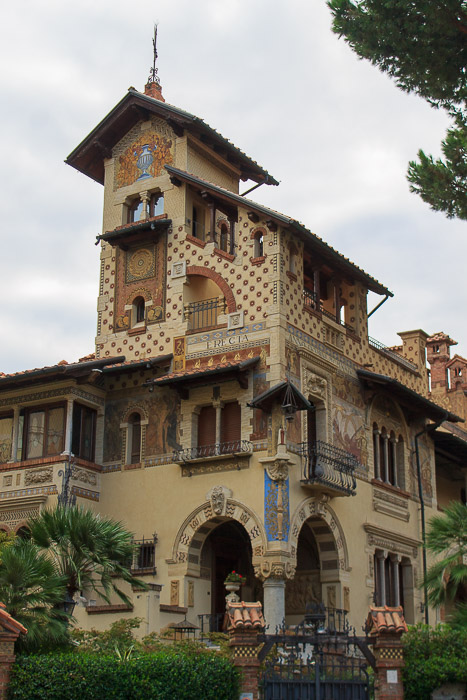
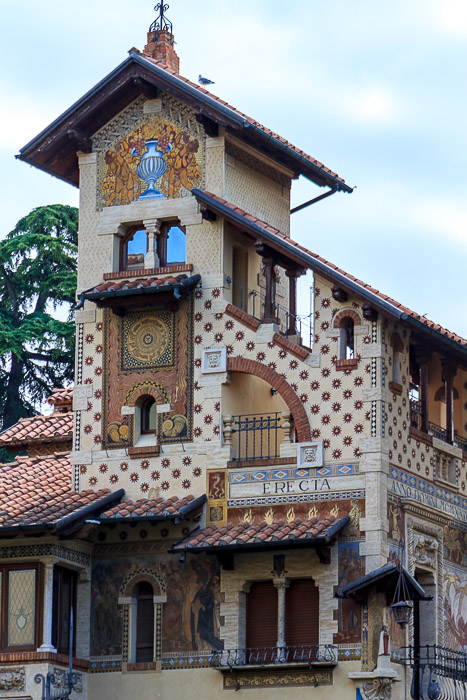
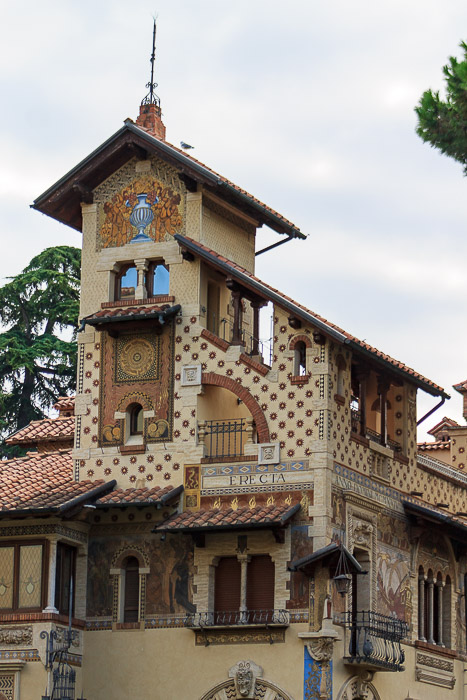
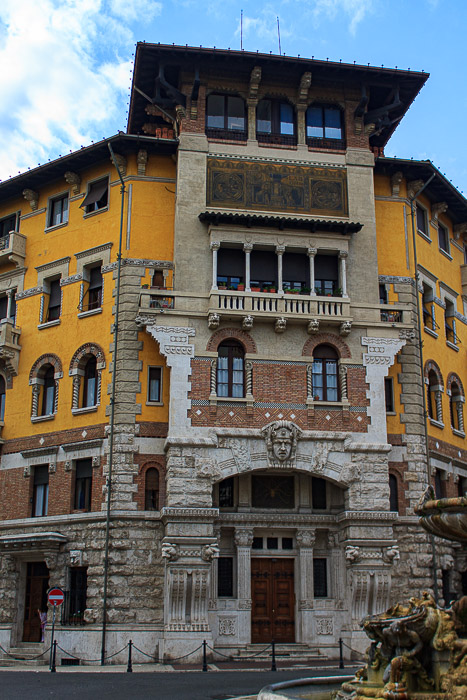
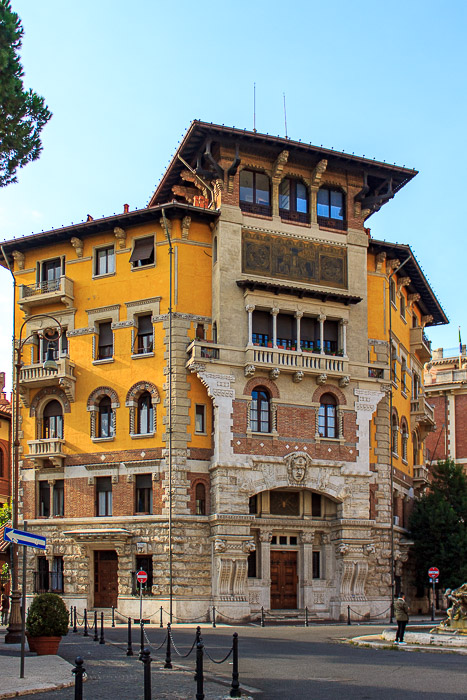
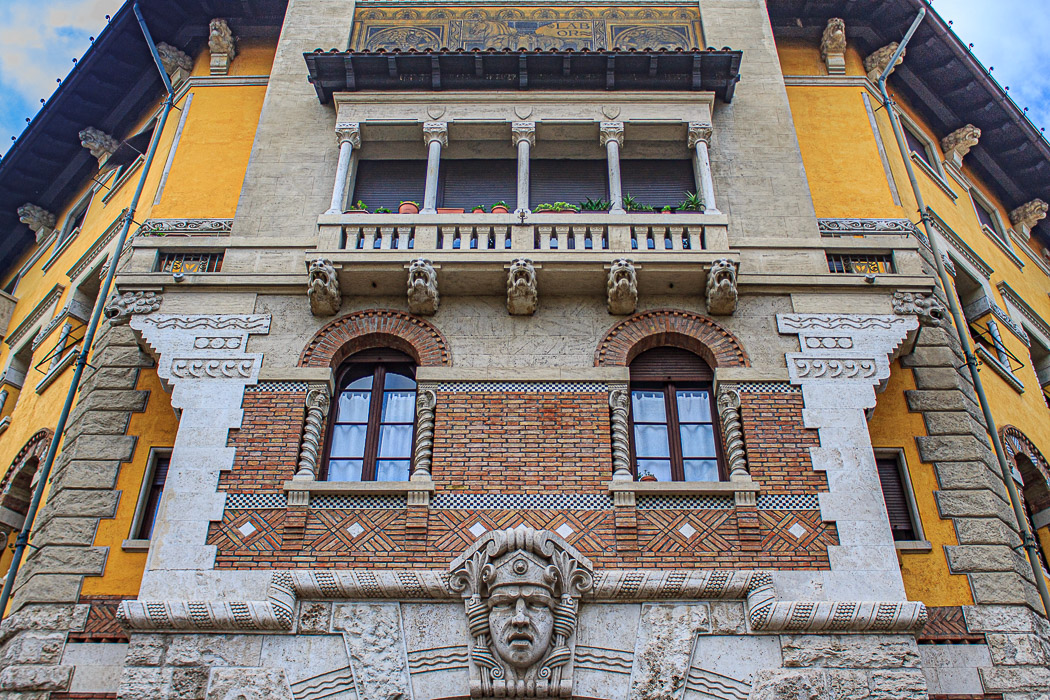
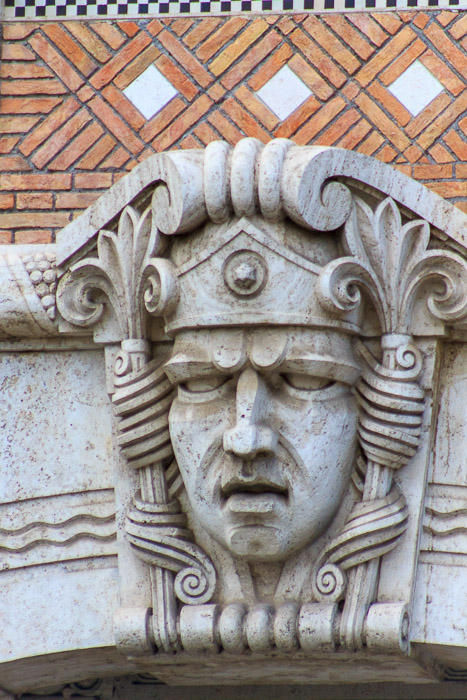
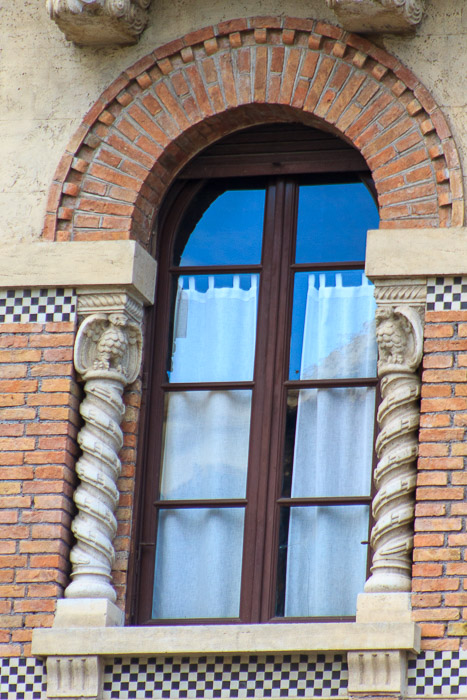
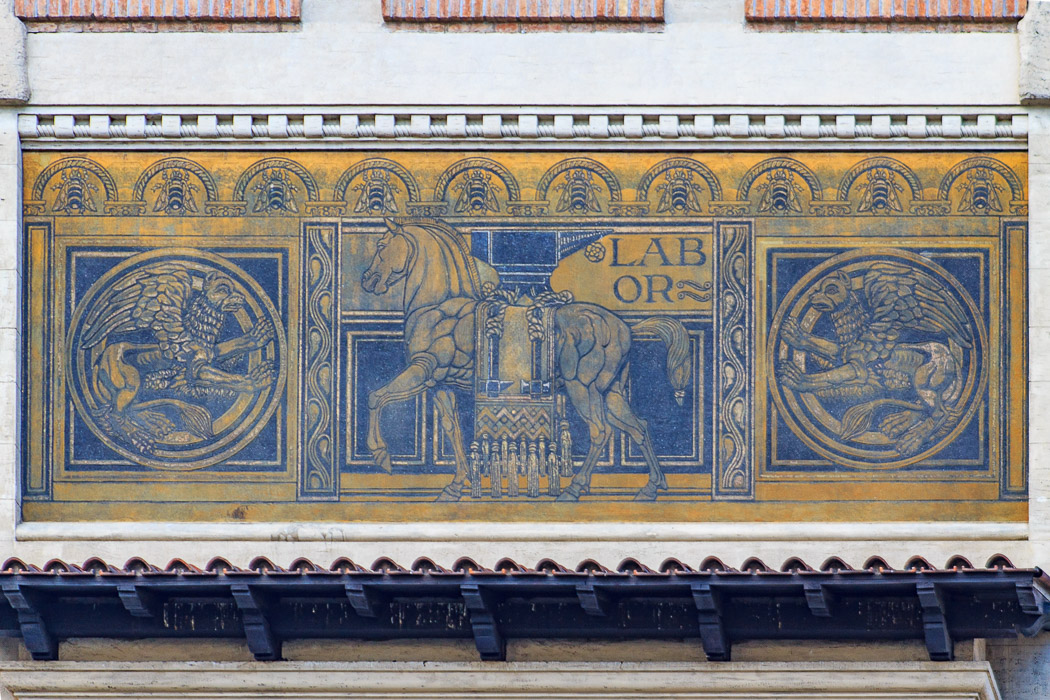
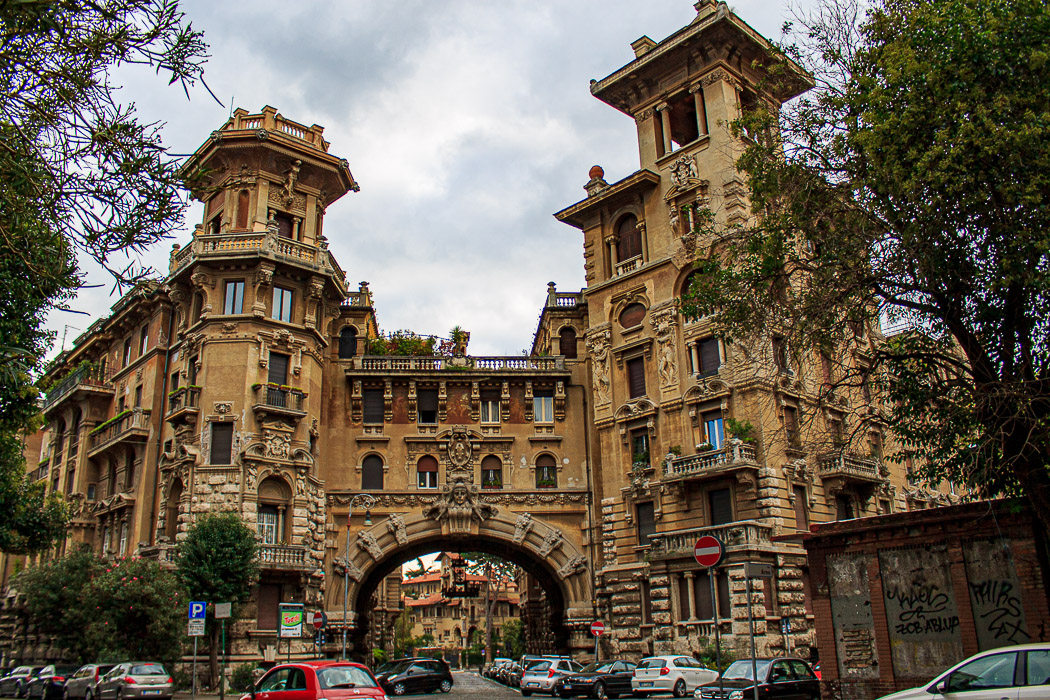
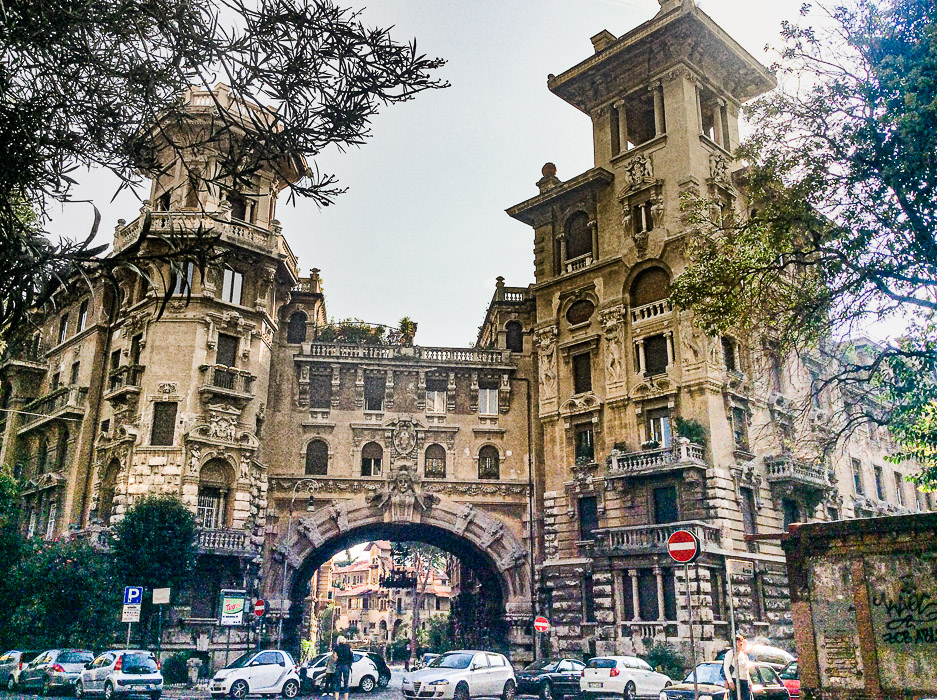
When you're on Via Dora, the three photos below will be your view of the Palazzi degli Ambasciatori and its archway over Via Dora, which you'll walk through to get to the center of the neighborhood. Drink in this feast for the eyes before you go any further; this is the reason you came here. Gargoyles look down at you, Gorgeous near-nude ladies and gentlemen are far above your head, Balconies are everywhere, columns, corbels, putti, lookout towers, giant masks with people hanging on while they sit on the sides, angels, rams-heads, a Medusa, ancient-looking paintings or mosaics, I'll stop boring you with words, just hoping you'll stop and look for a while instead.
Rome had been going through a housing boom at the end of the First World War, only 40 years after it had become the capital of the new state of Italy, and after its population had grown from 200,000 to a million. The Cerutti family bought 30,000 square meters of land in this area and hired Gino Coppede to be the architect to design 18 palazzi and 27 villas here targeted at an upper middle class market.
Here are detail photos of the Palazzi degli Ambasciatori
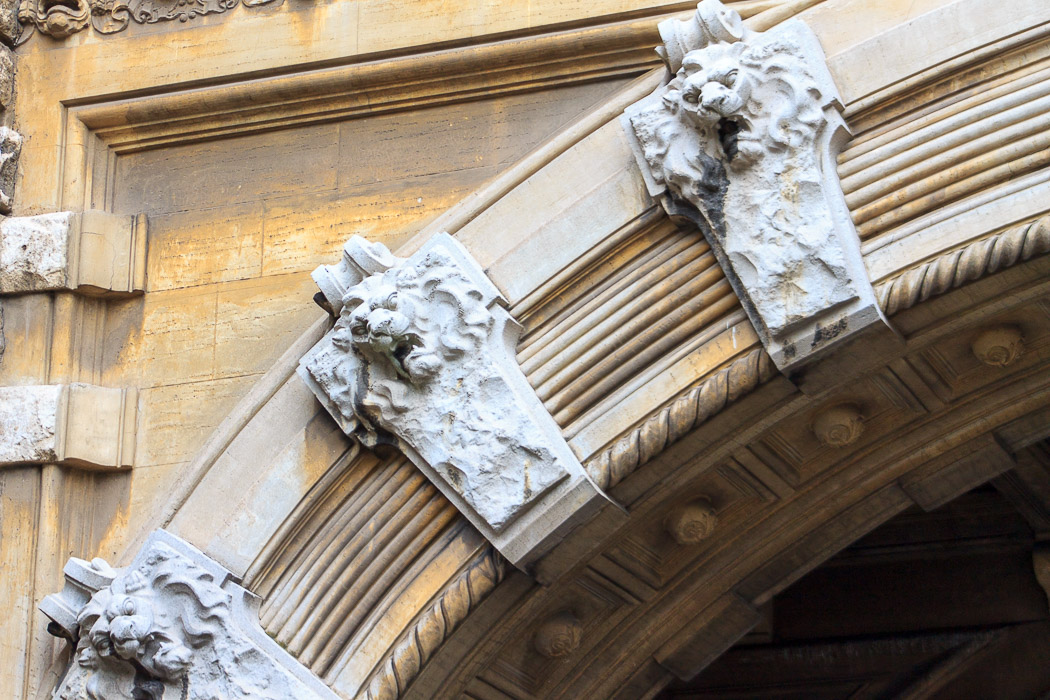
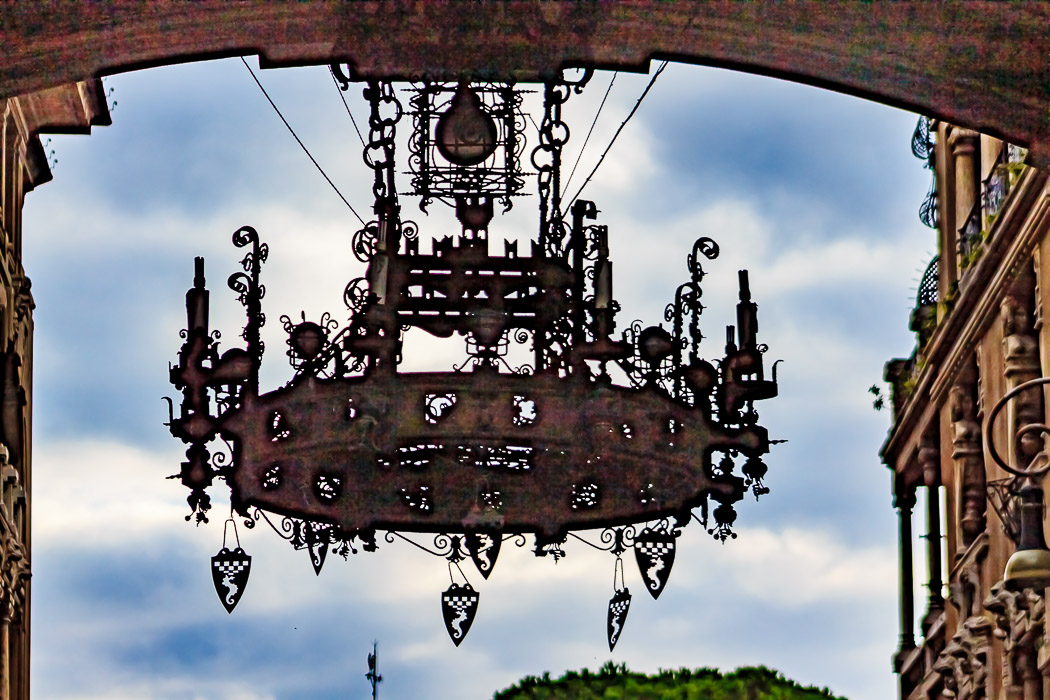
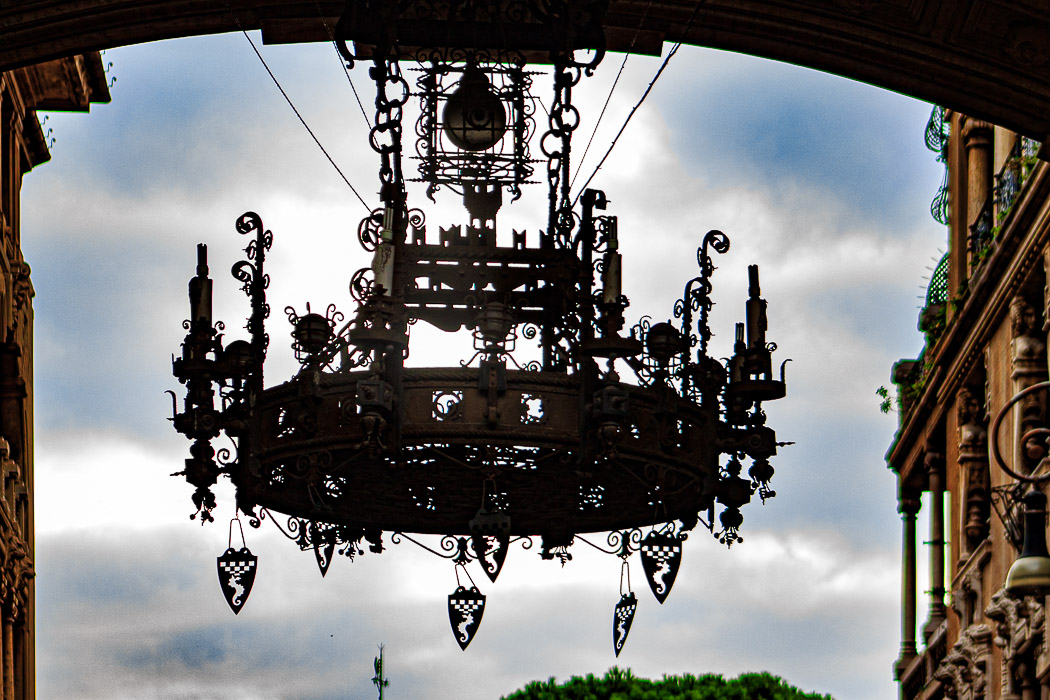
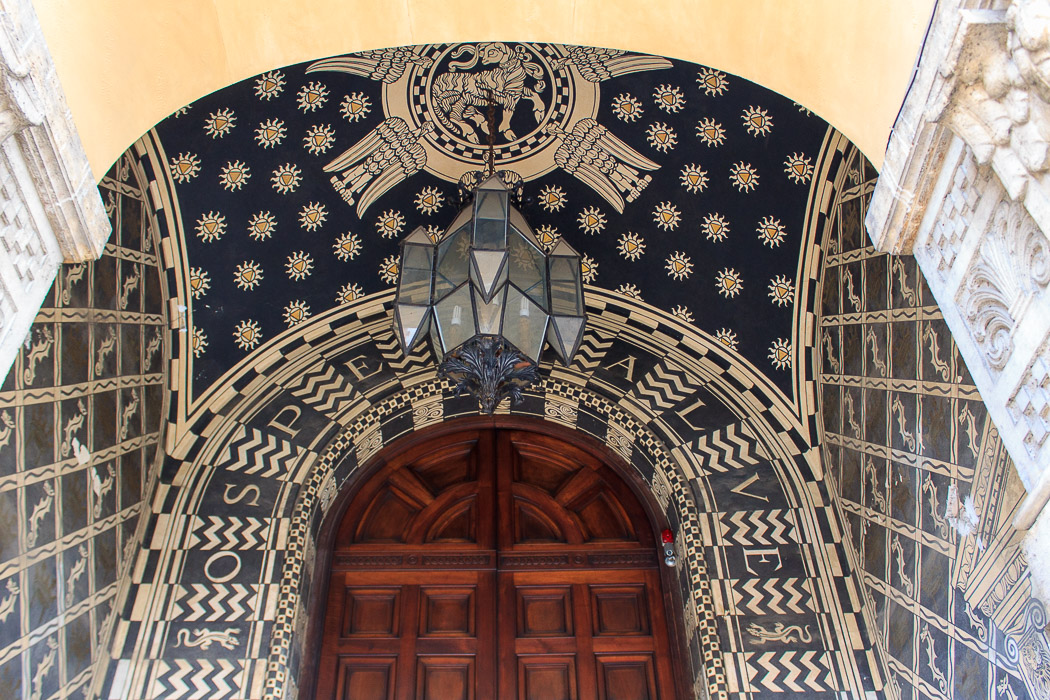
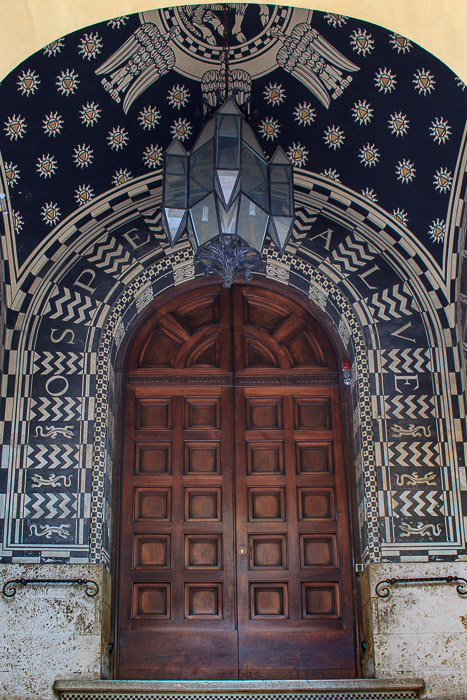
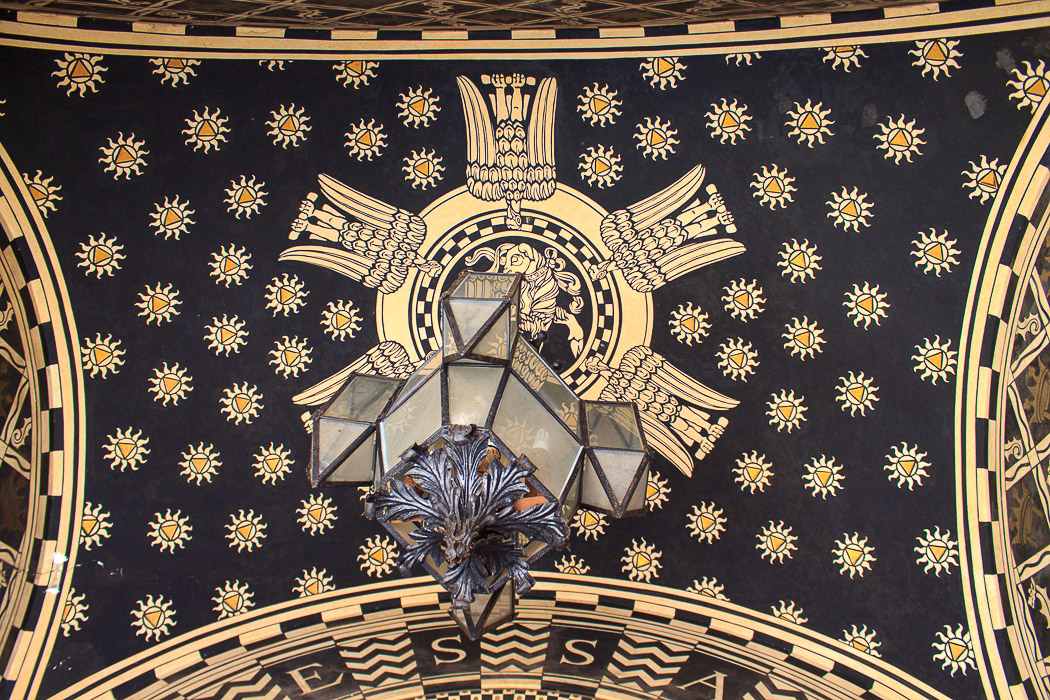
The photos below show details of the archway over Via Dora, and the 'Mediaeval' chandelier hanging under it, which we pass below to enter the neighborhood. Stepping through this archway is something akin to stepping through the looking glass, since it feels like we've entered a secret place decorated with grotesque figures, lions, dragons, spiders, bees, ancient references, and the Barberini family.
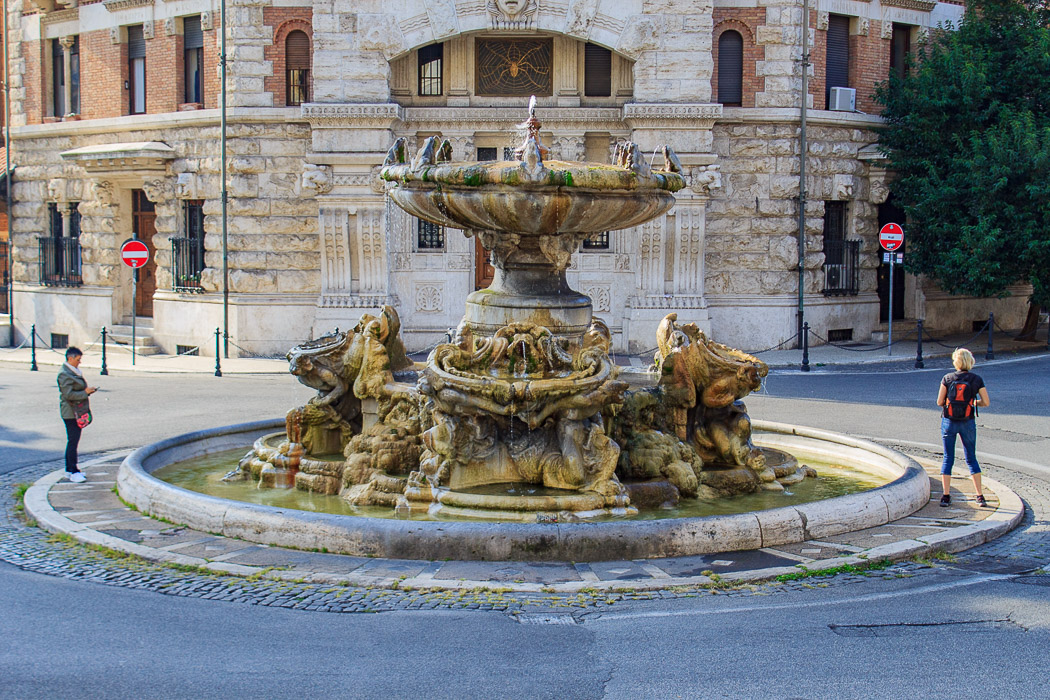
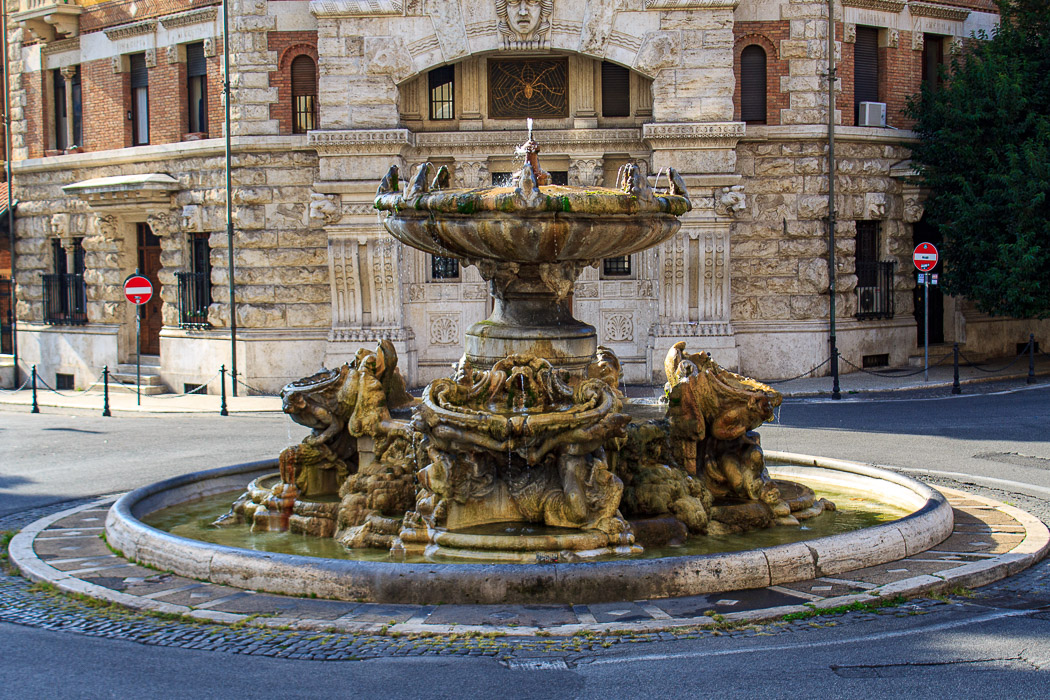
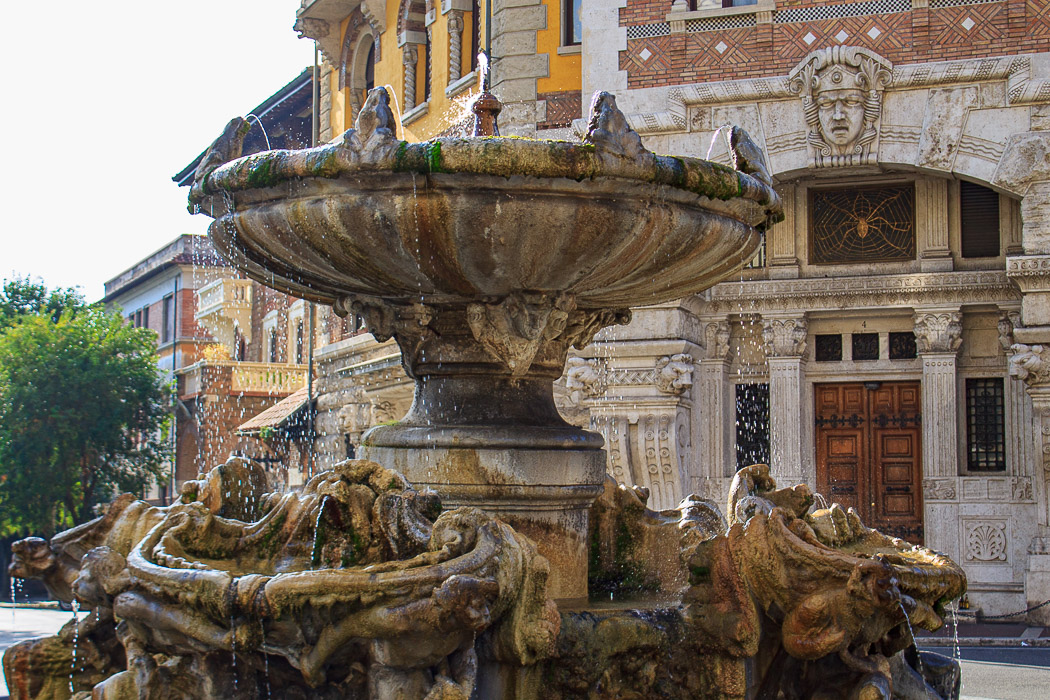
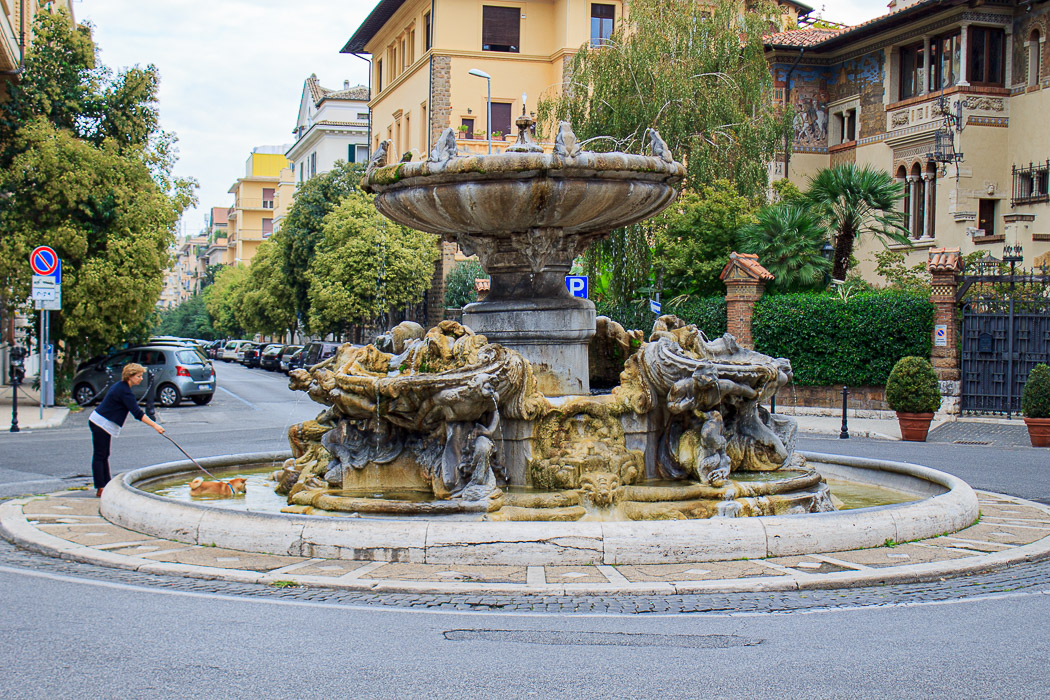
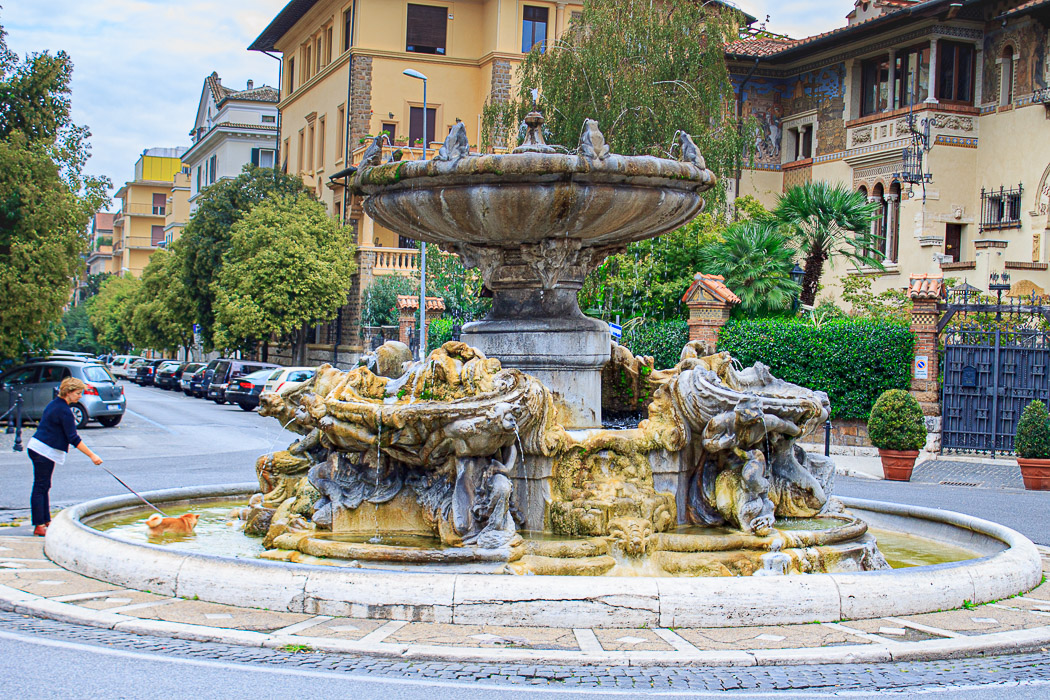
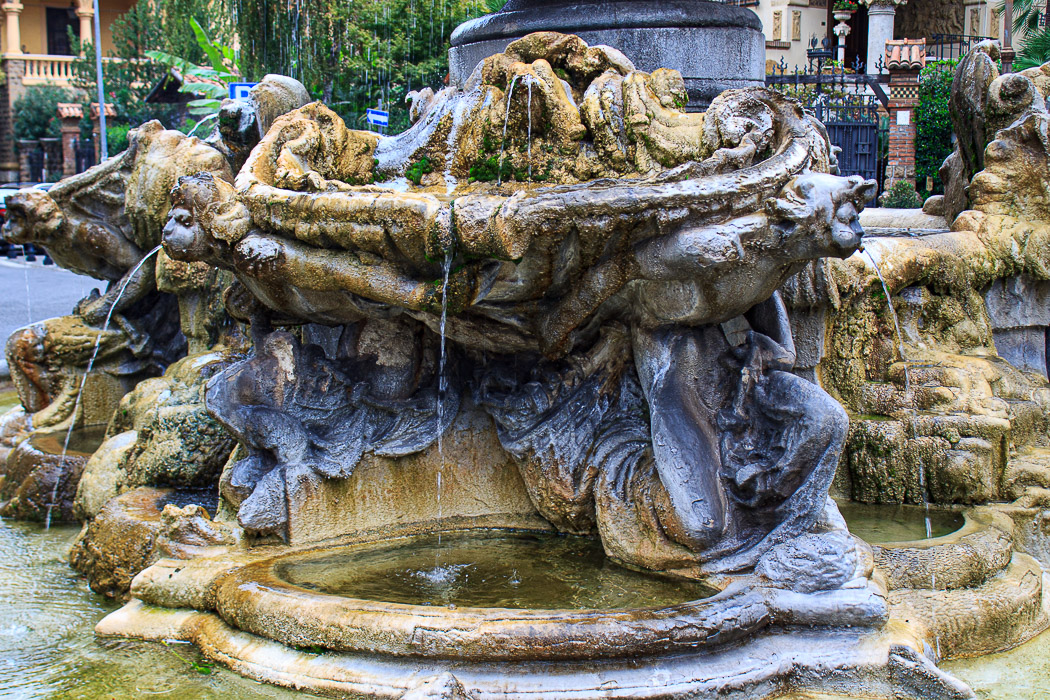
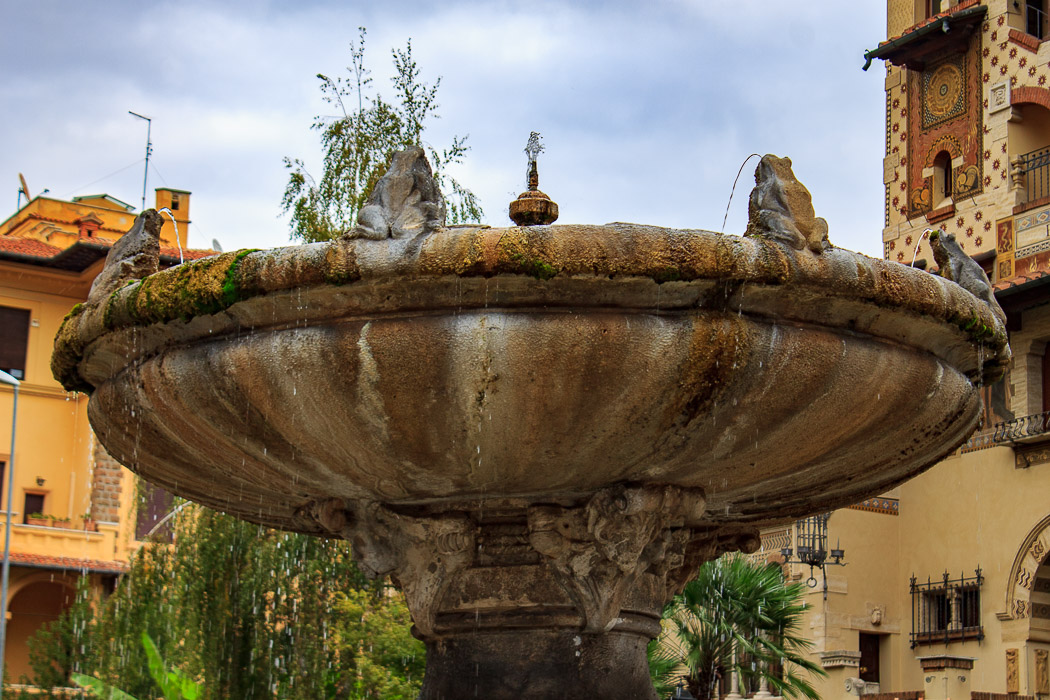
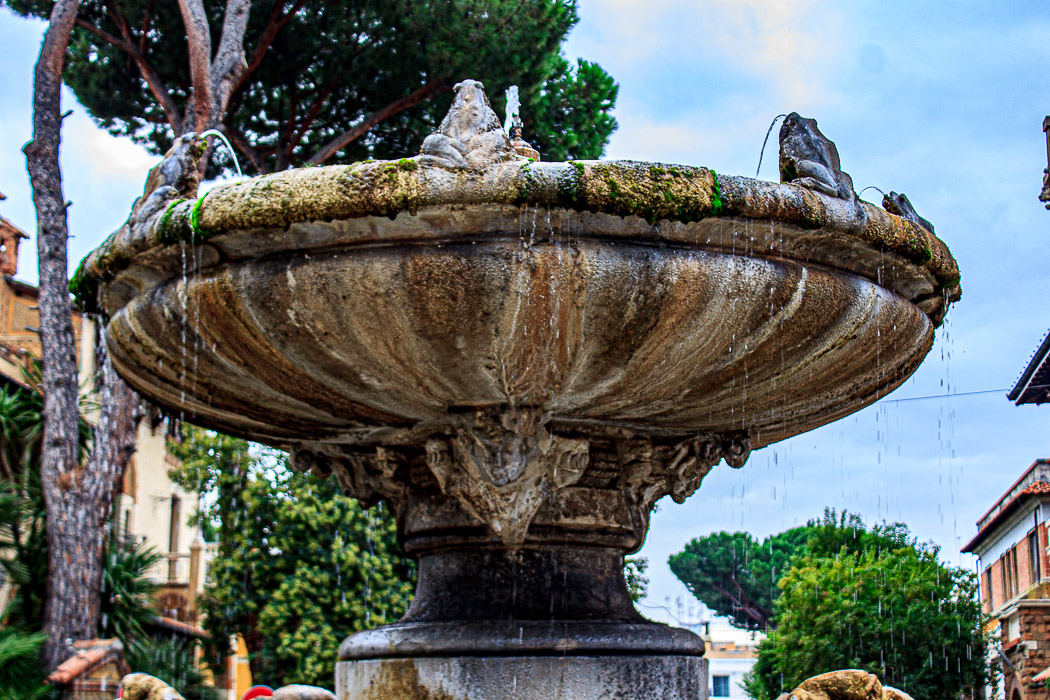
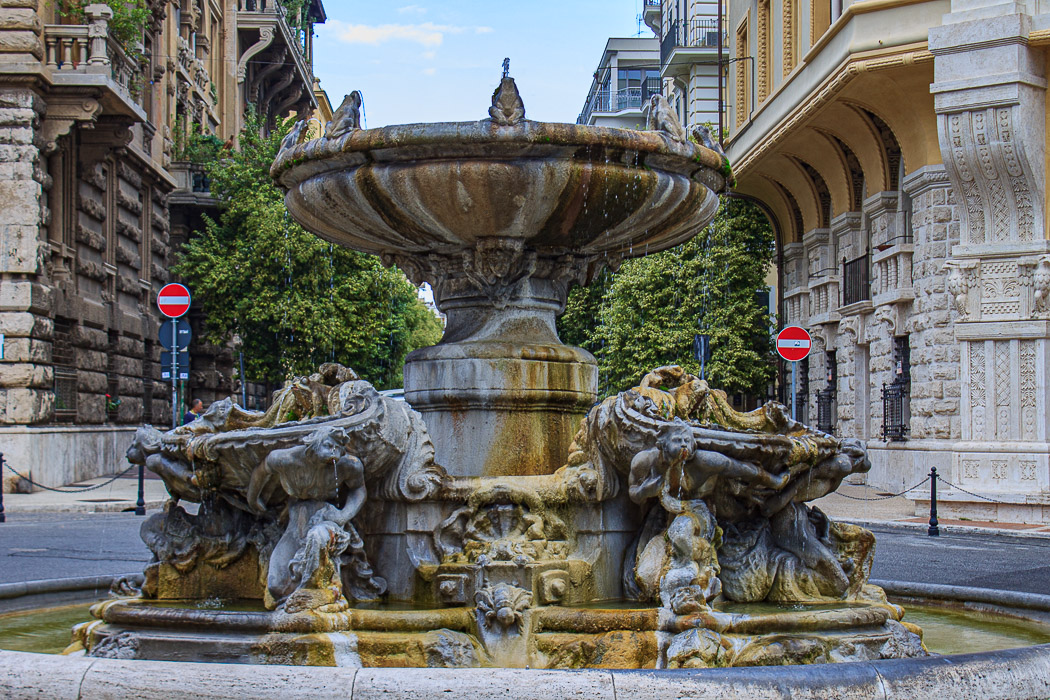
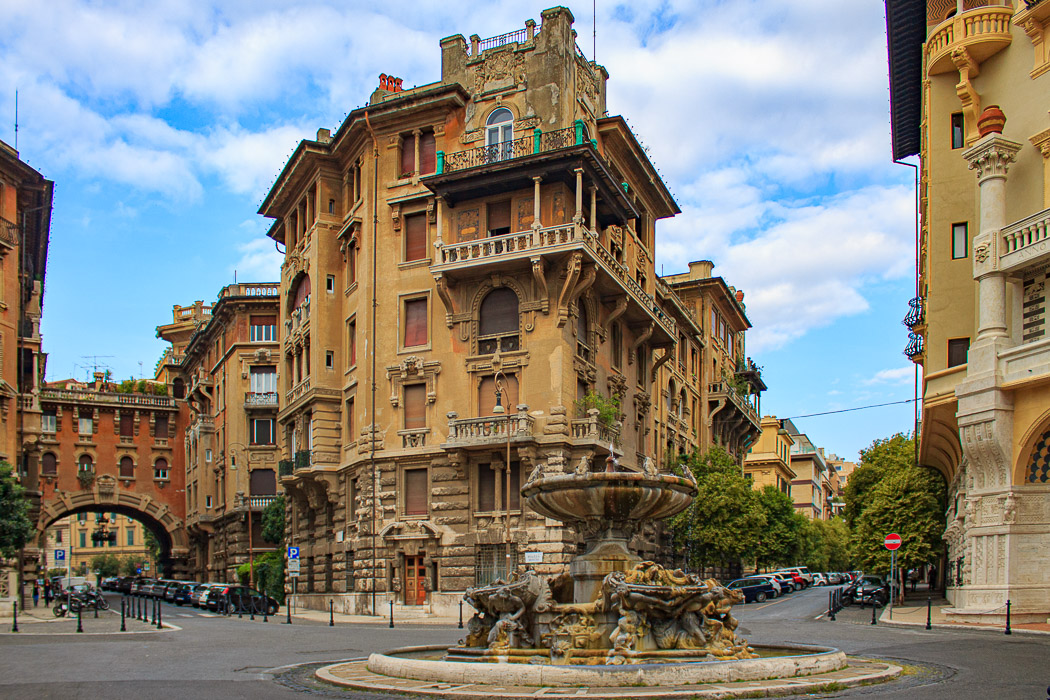
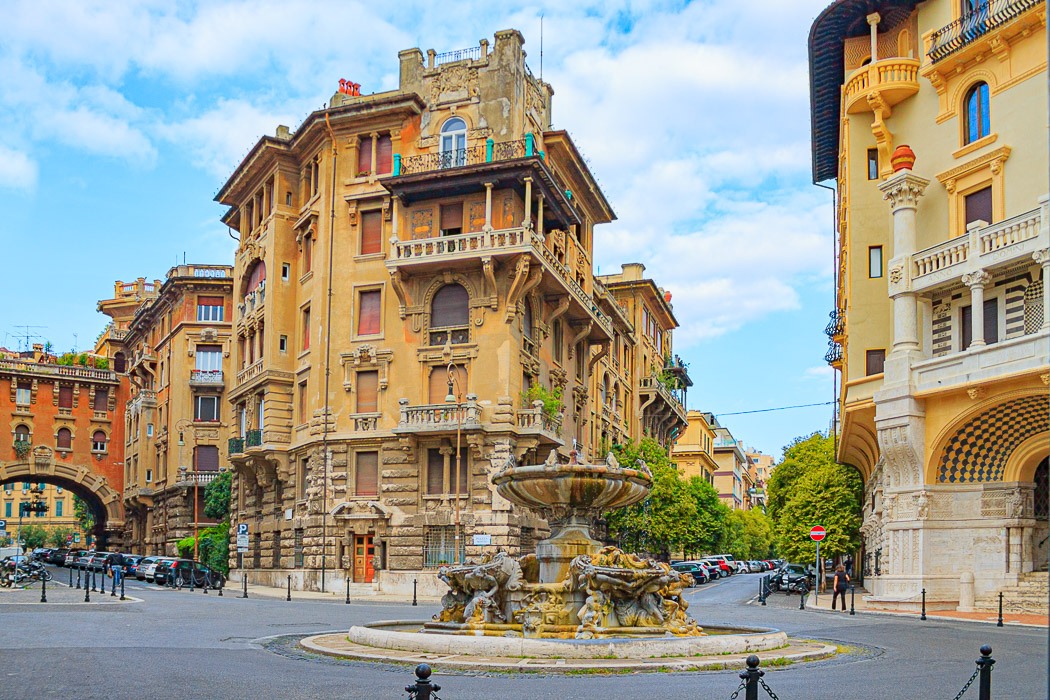
After walking under the archway, you reach the central square (actually a circle) of the neighborhood, Piazza Mincio, with its Fountain of the Frogs (Fontana delle Rane), which is Coppede's tribute to Bernini's Turtle Fountain in Piazza Mattei.
Look at the building immediately on the left when you first reached the circle. It's address is No 1, Piazza Mincio. Do you see the large "1" on the keystone above the doorway? It's the central building in the last two photos above. The building is attached to the Palazzi degli Ambasciatori, I don't know how they are related or joined together or partitioned into two separate areas inside. I have two more photos of this building below, and then a rerun of the last photo above that I'll refer to in the next paragraph.
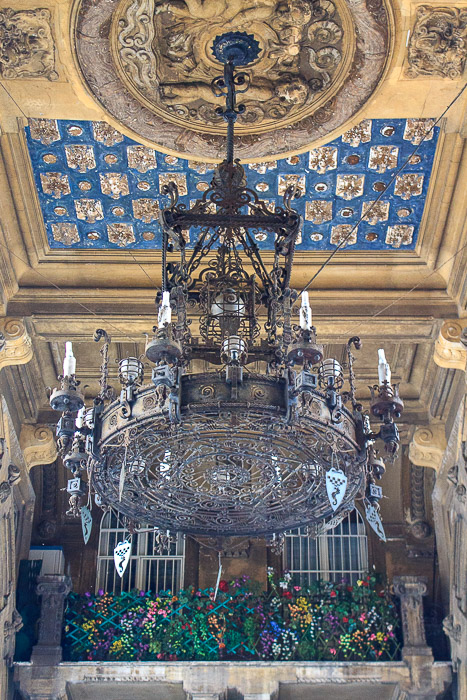
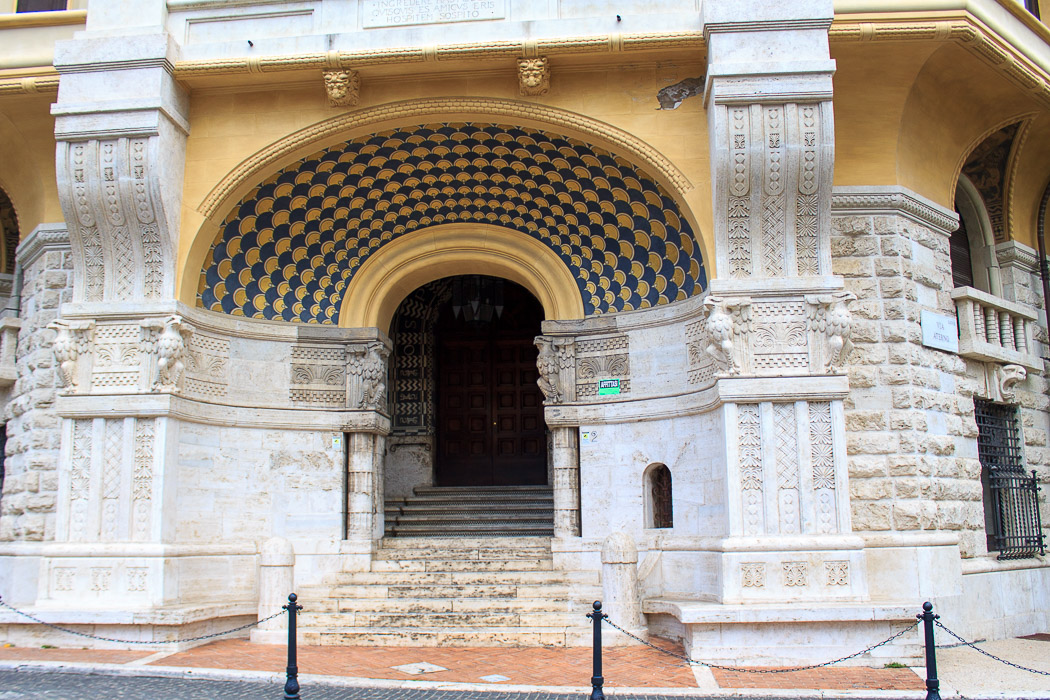
With your back to the fountain, looking straight at No 1, Piazza Mincio, the next building to your right is No 2, Piazza Mincio. It's a mainly white building, with about 10 stone steps leading up to the front door, and an arch of a blue-and-yellow shell-like pattern painted above those steps. Notice the address 2 engraved on the right side of the entry way, just outside the top of the right pillar. You can see more of the building at the right edge of the last photo above, where details above the doorway and intricate balconies are barely visible. Medieaval loggias and balconies hang above, with monstrous faces looking down onto the square. The highlight of this building, though, is the front door, with its arched porch decorated with a blue and white mosaic surround and ceiling. Go up a few steps to see the beautiful mosaic walls and ceiling and chandelier of the front porch.
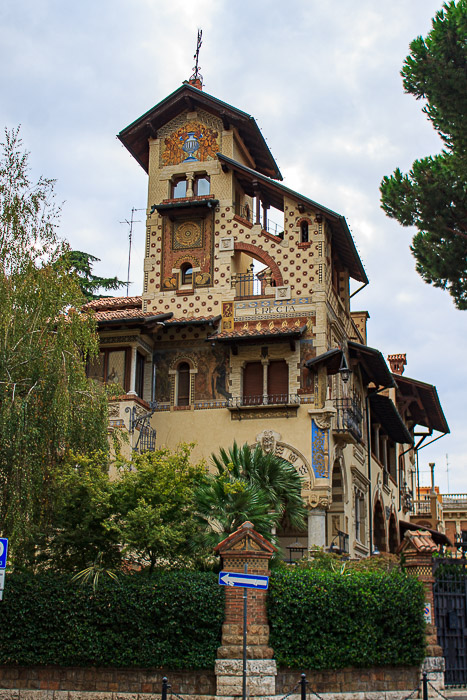
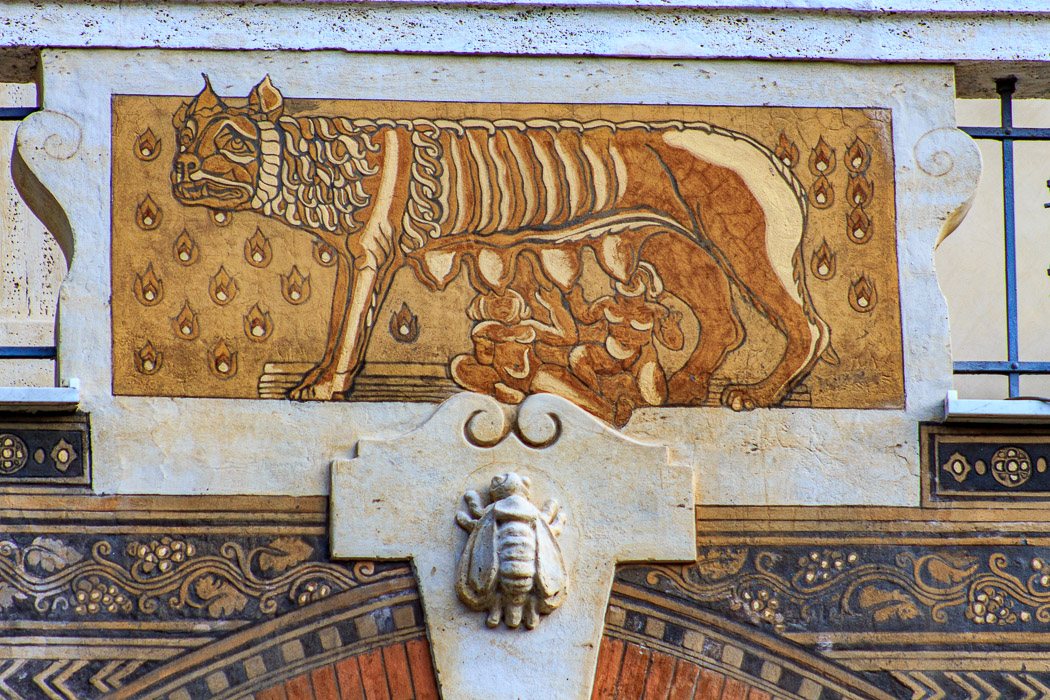
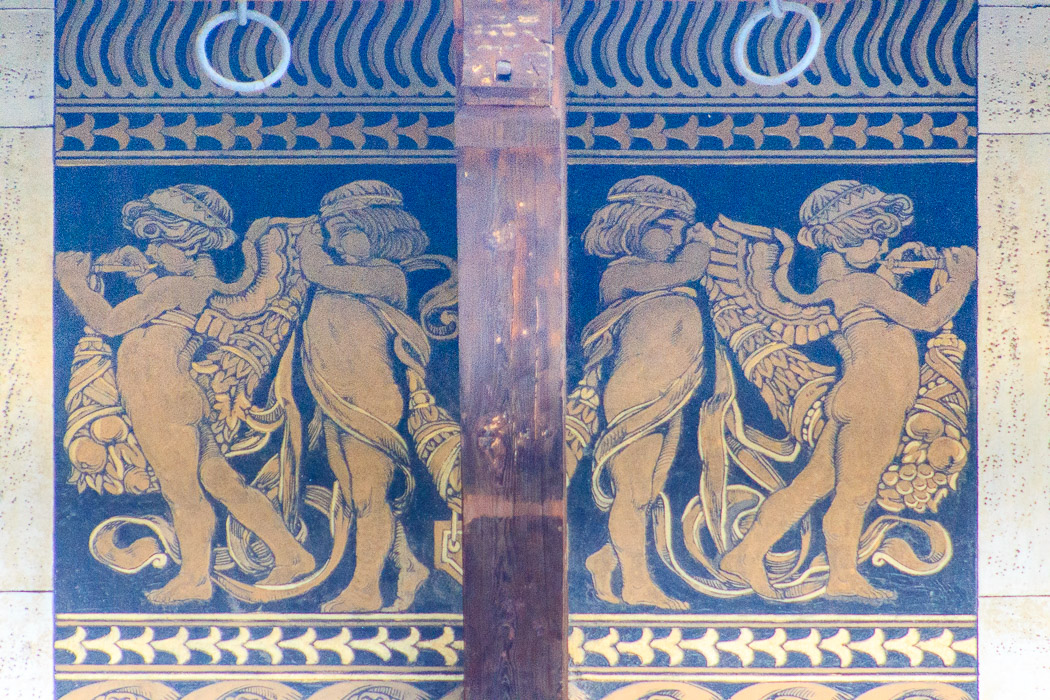
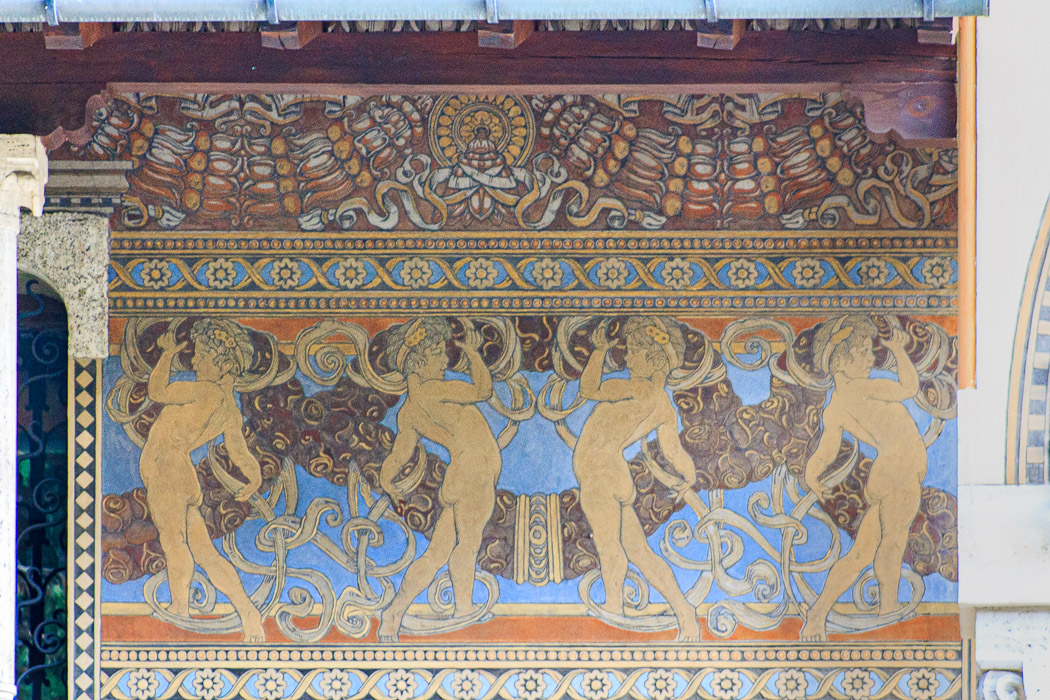
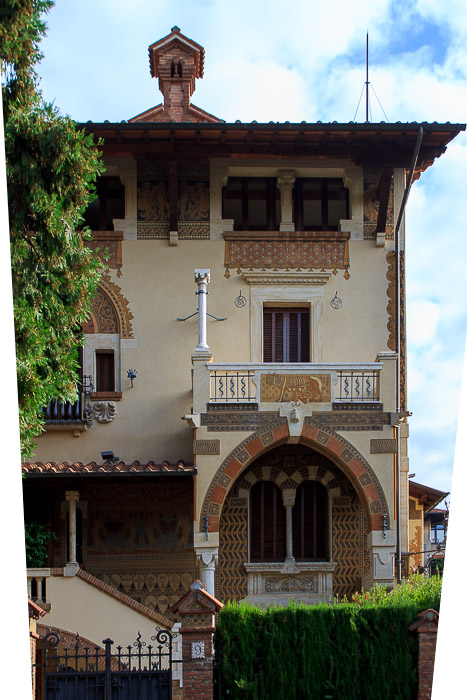
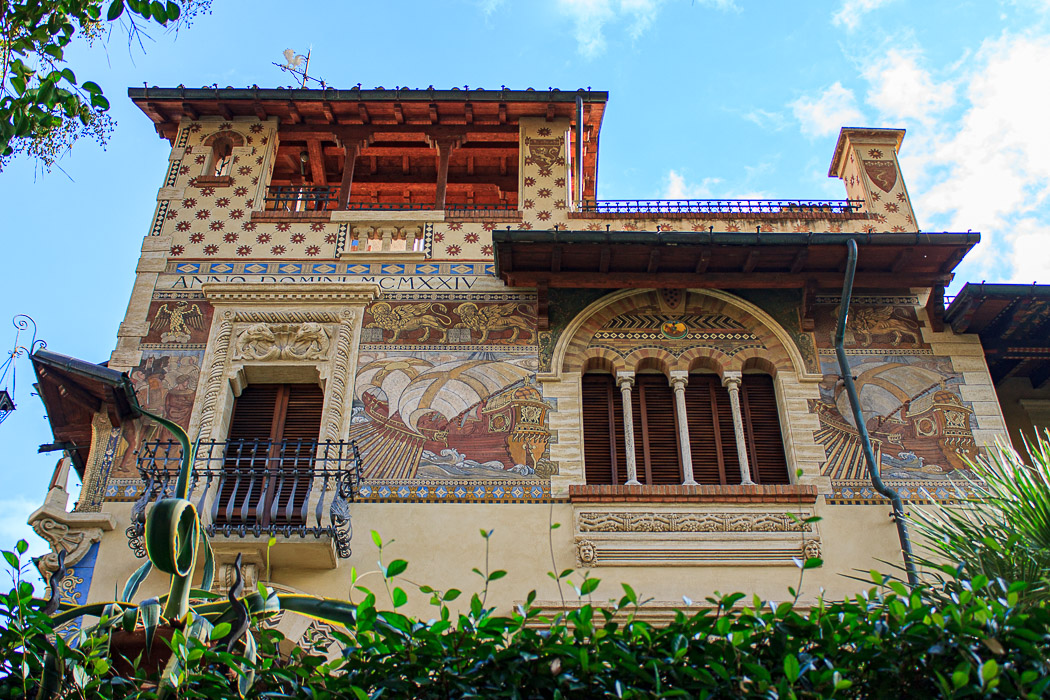
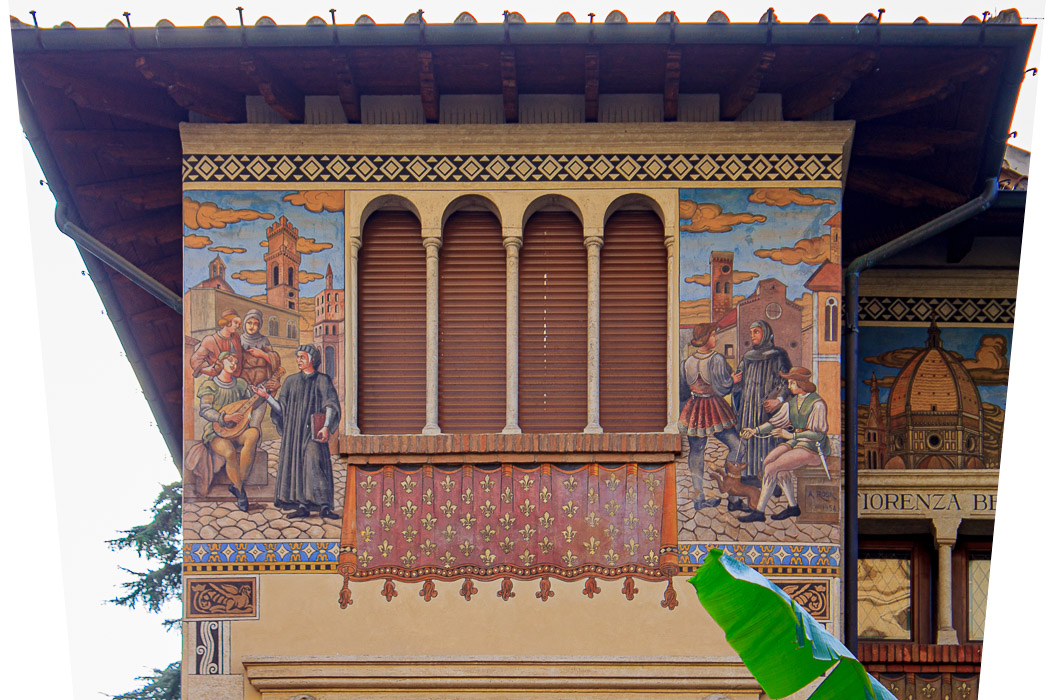
Continuing around the circle in the same direction we reach the most ambitious and striking building of the neighborhood, slightly set back from the circle, Villa delle Fate, or Villa of the Fairies. It is in fact three separate houses in one single unit, boasting covered turrets, roofed external stairways, overhanging eaves, loggias with romanesque pillars and arches, and is extensively covered in frescoes depicting scenes of Renaisance Florence, mediaeval ships, Romulus and Remus and the She-Wolf.
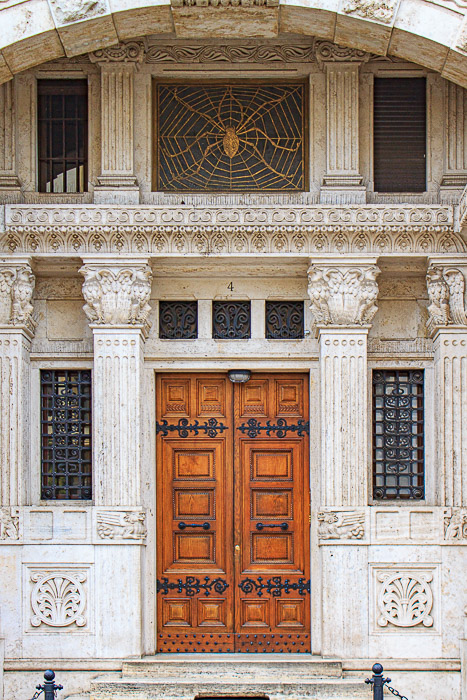
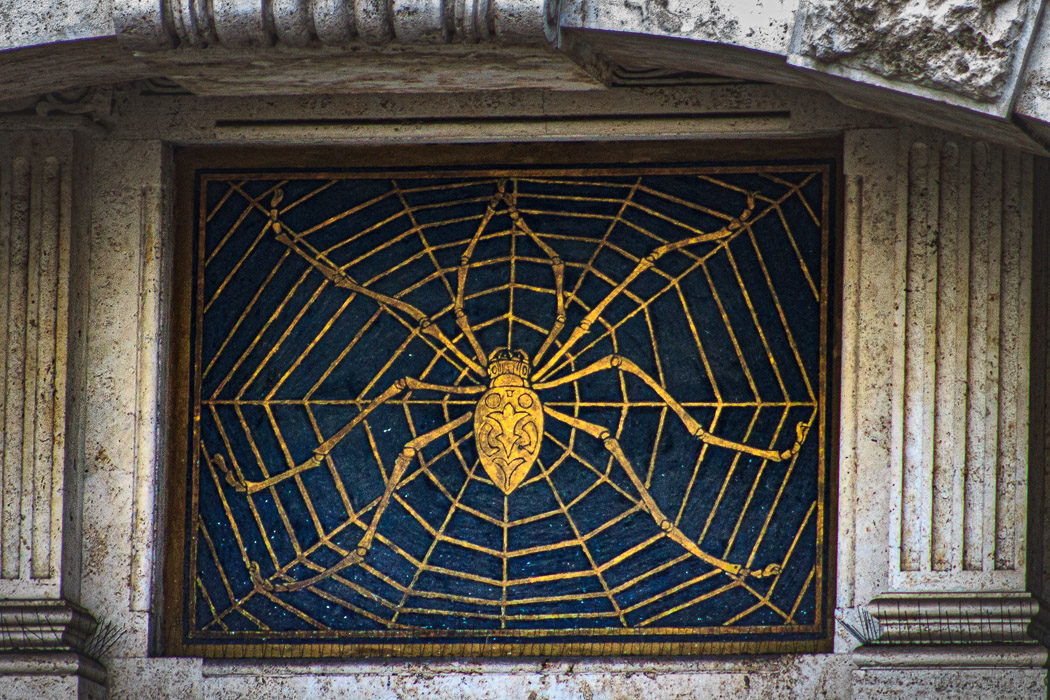
Continuing around the circle we come to the building across the circle from No 2, which is No 4, Piazza Mincio, named Palazzo del Ragno, otherwise known as the Spider Palace, because there is a mosaic of a spider weaving its web above the front door. Lots of other interesting details can be found on the front face of this building, as shown in the following photos.
These buildings on the circle, the fountain, the archway, and the two buildings you walked between to enter the neighborhood are the most interesting buildings in the Coppede Neighborhood. If you're up for a little more exploration, there are a few other interesting buildings in the first block off the circle along Via Brenta in both directions.
See also: