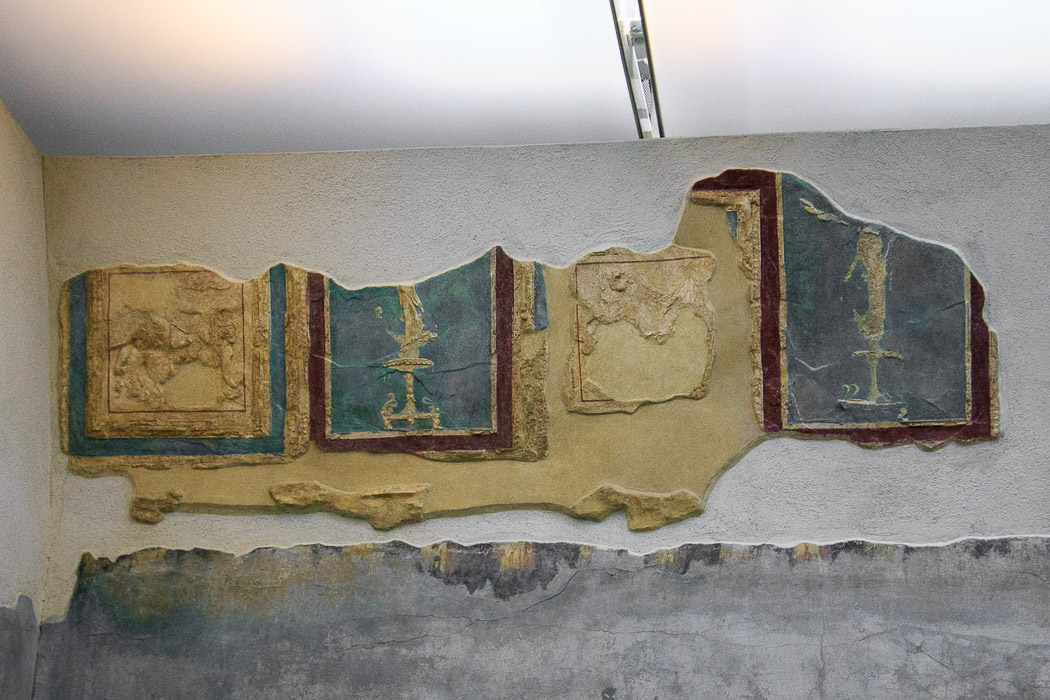
A Tourist in Rome - National Museum of Rome - Palazzo Massimo
| Location:: | 41.90150, 12.49858 one-third of the way from the Termini metro stop to the Repubblica metro stop |
| Metro:: | Termini |
| Time:: | 2 hours |
| Cost:: | €10, includes admission to the other three buildings of the National Museum of Rome |
| Hours:: | Tuesday - Sunday, 9:00 AM - 7:45 PM |
| Audio Guide:: | Yes, for €5 |
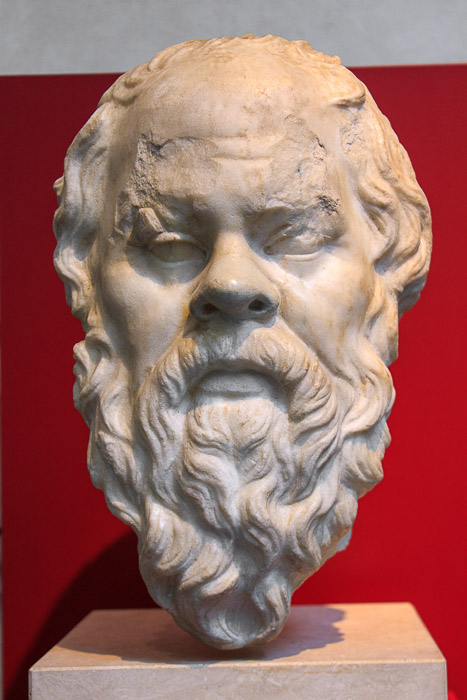
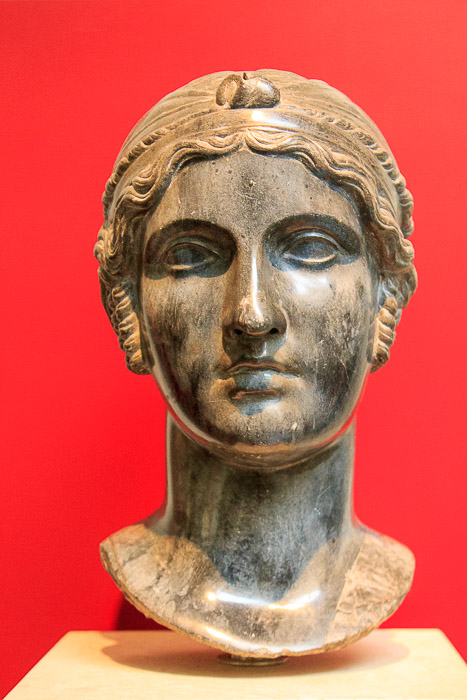
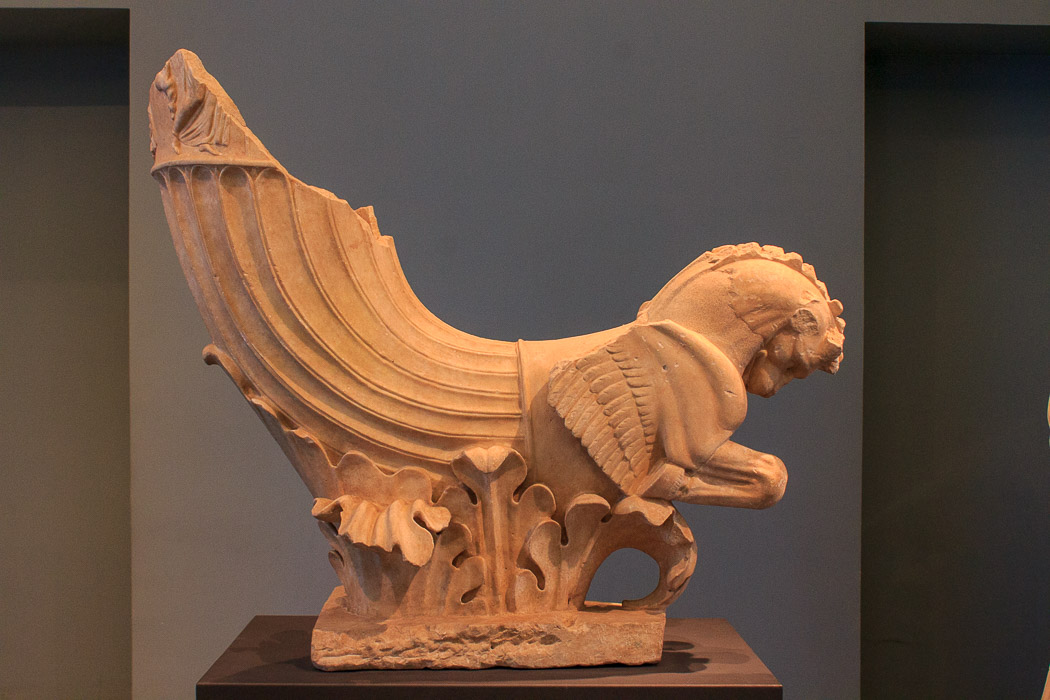
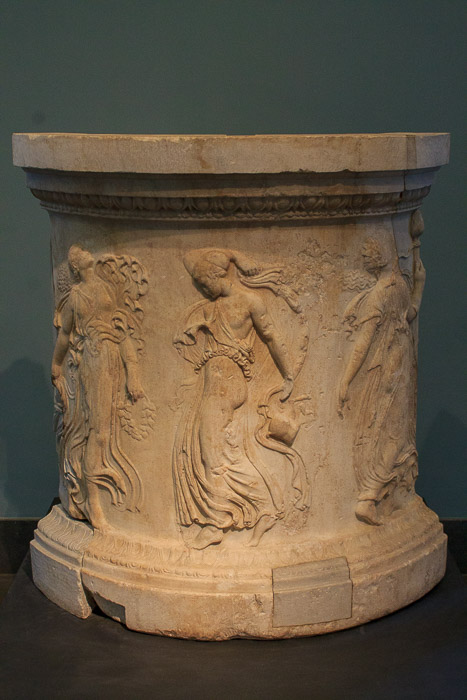
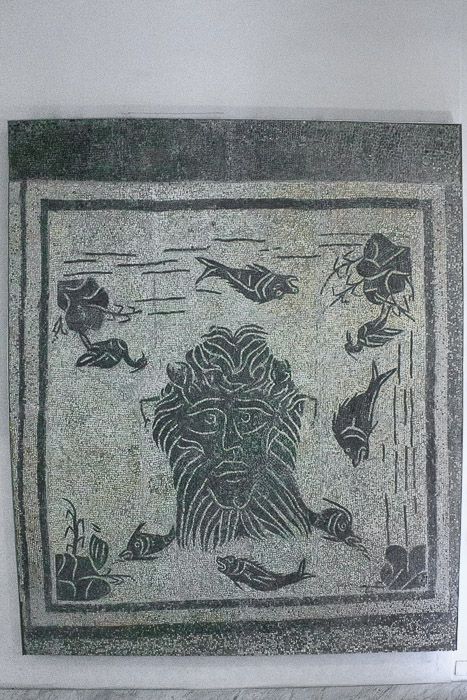
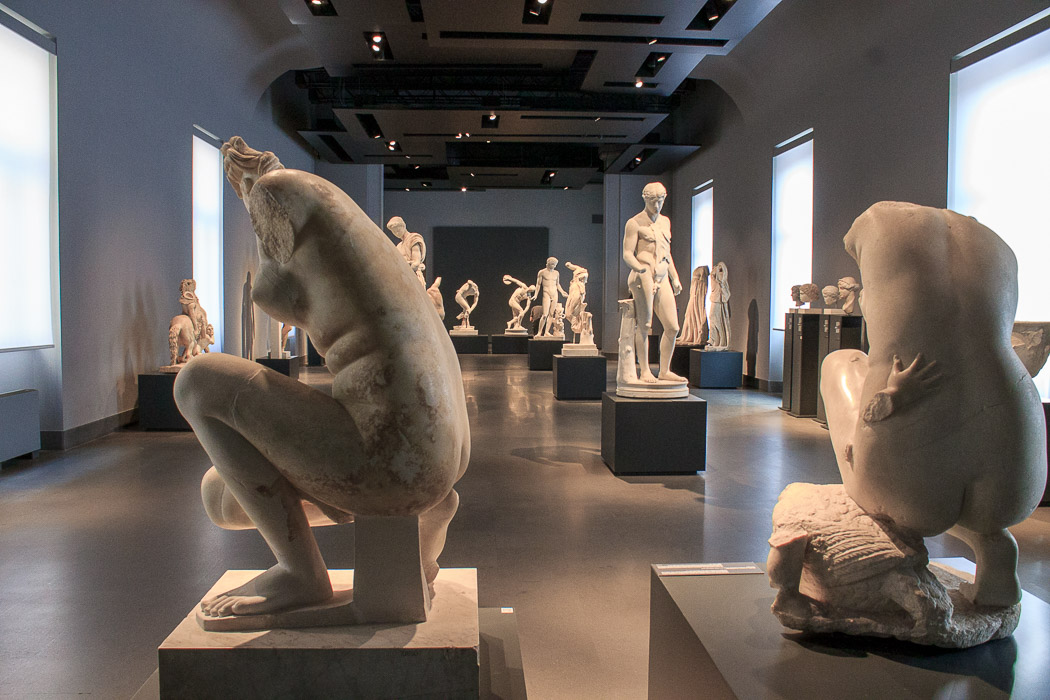
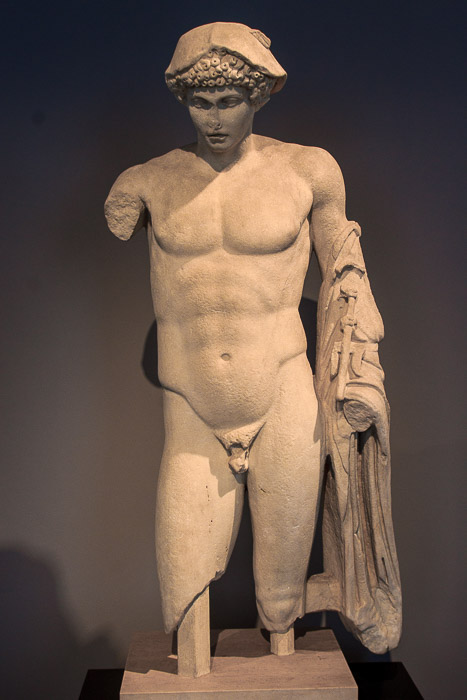
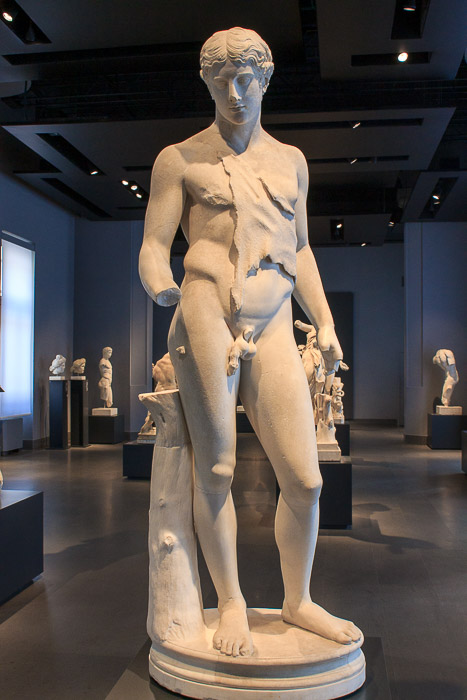
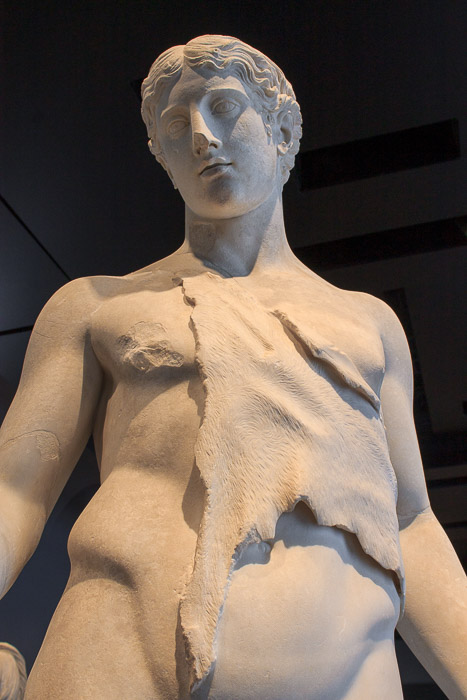
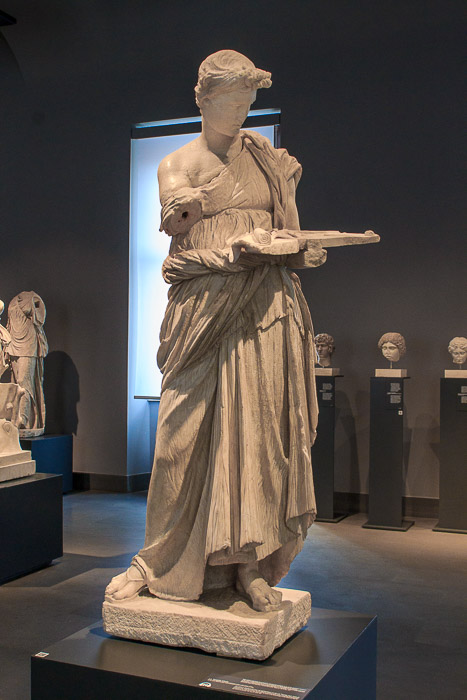
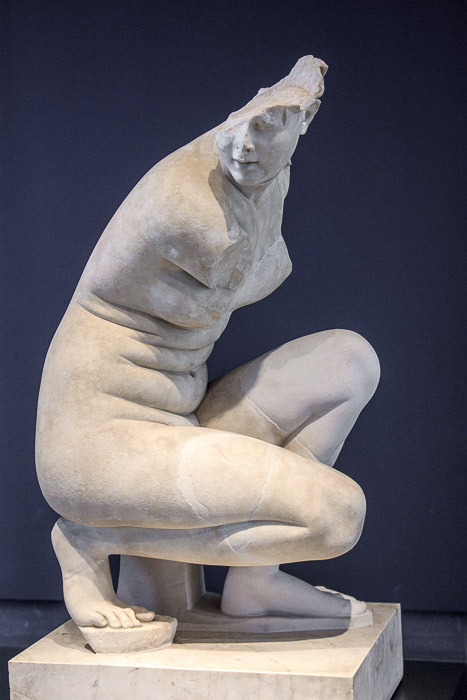
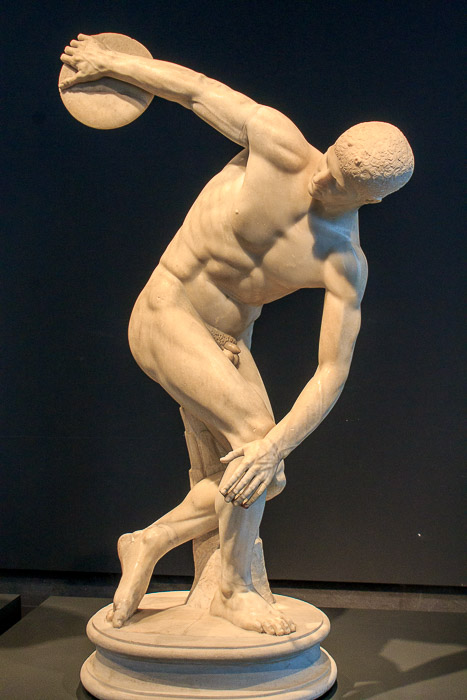
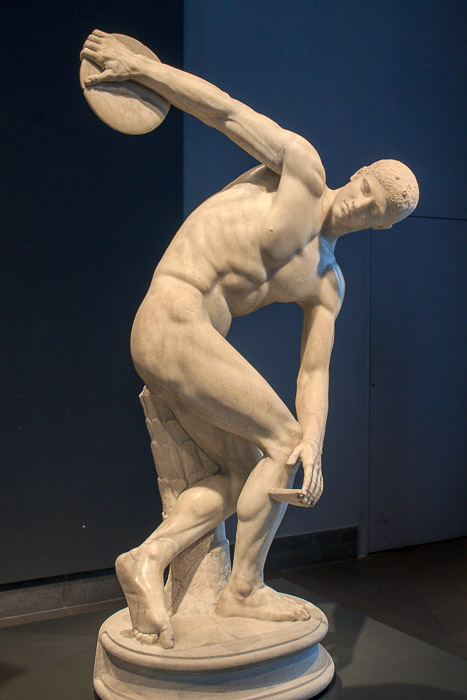
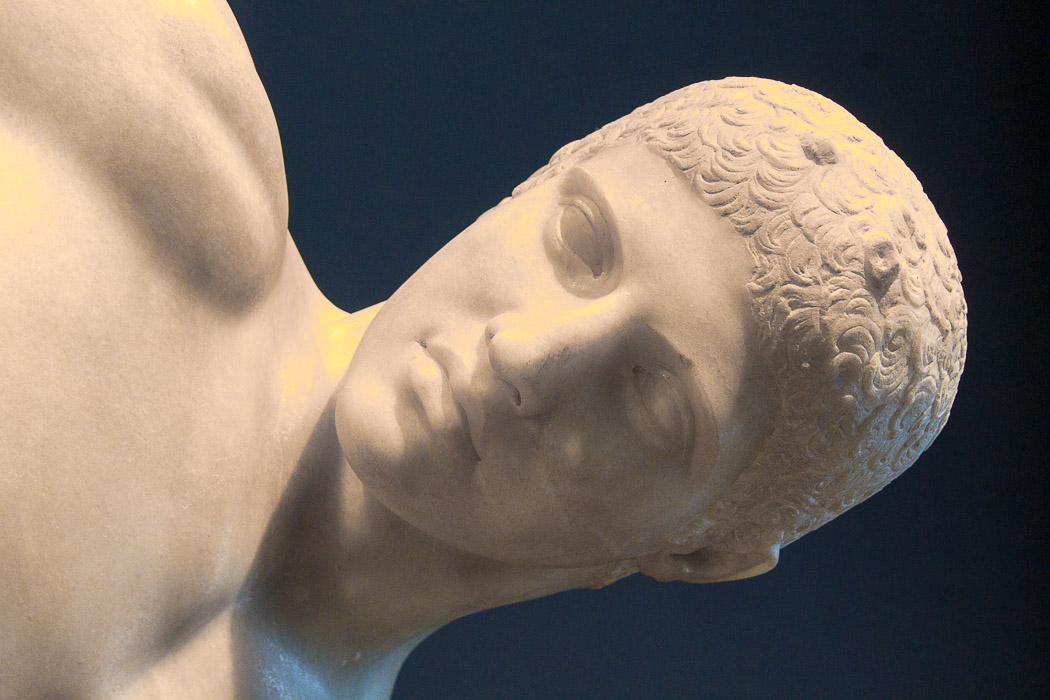
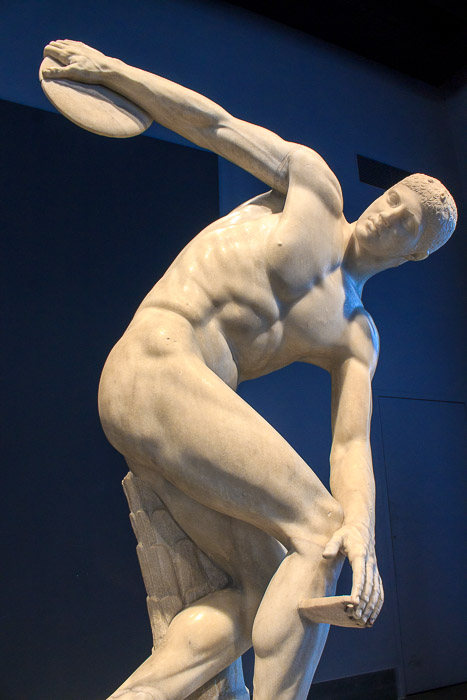
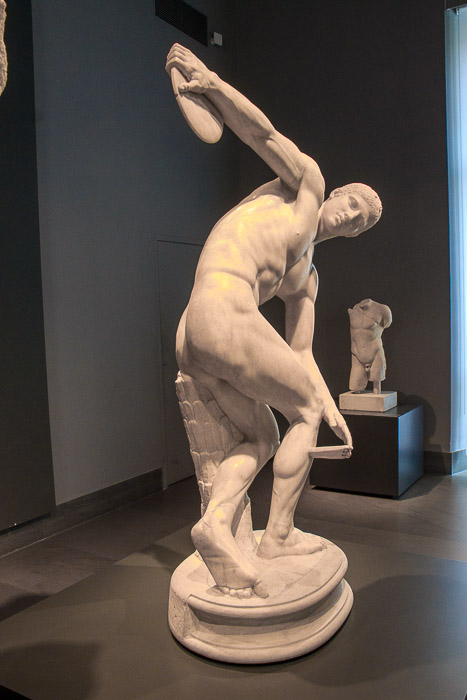
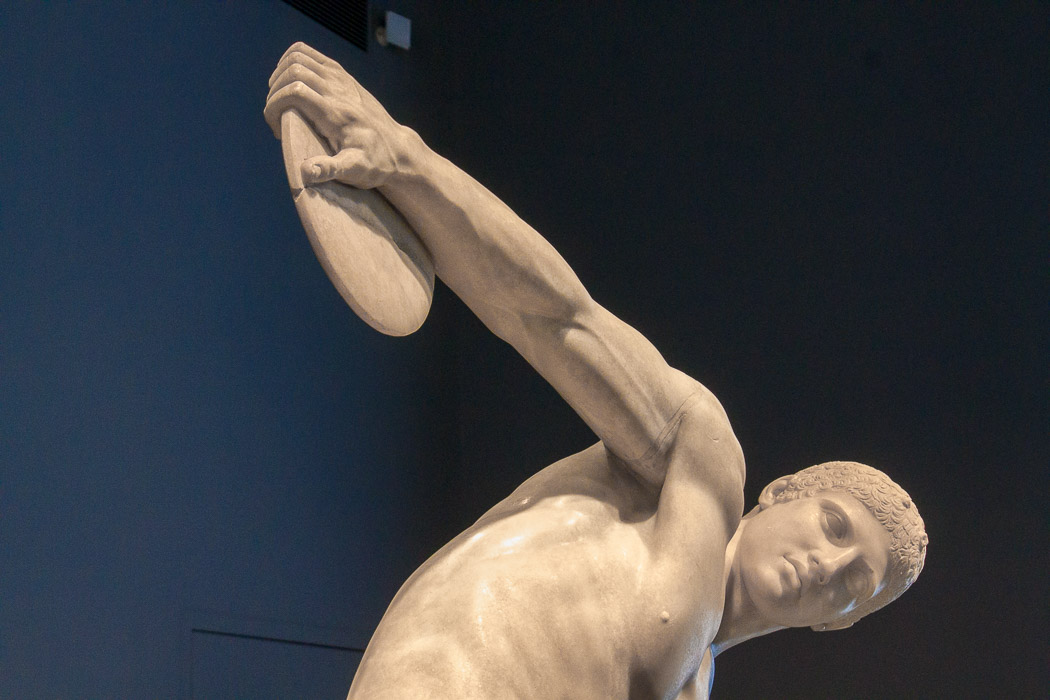
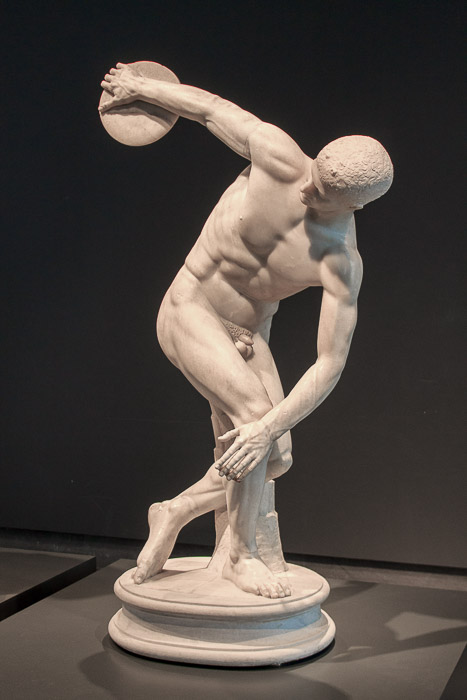
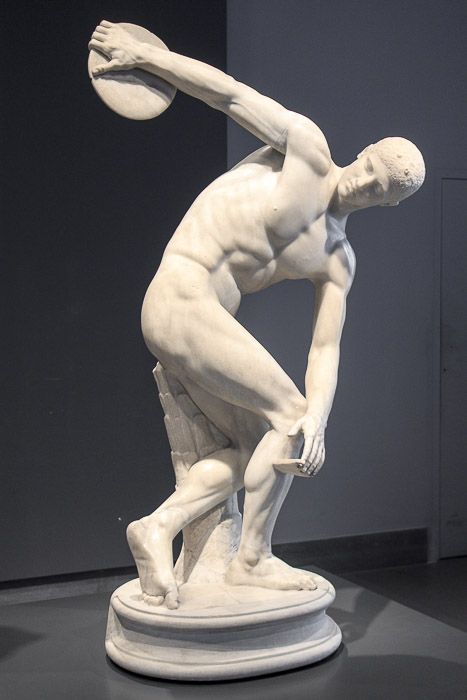
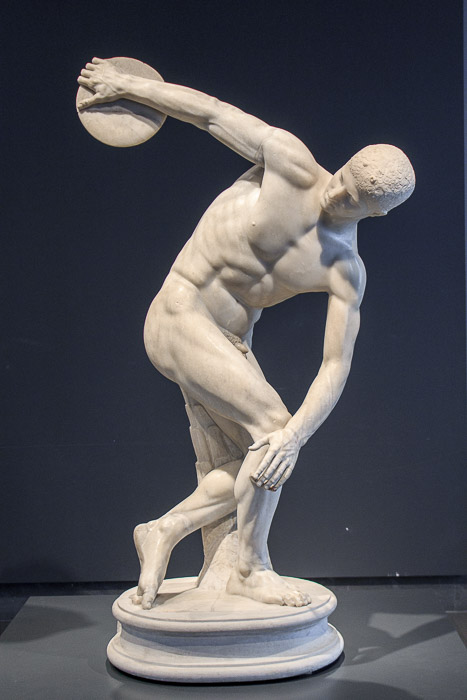
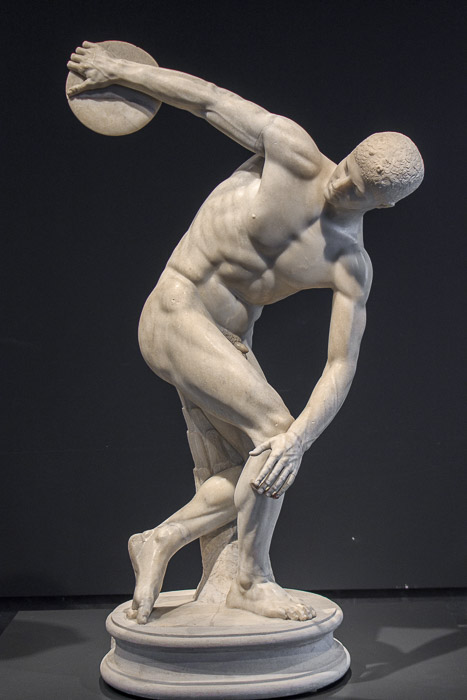
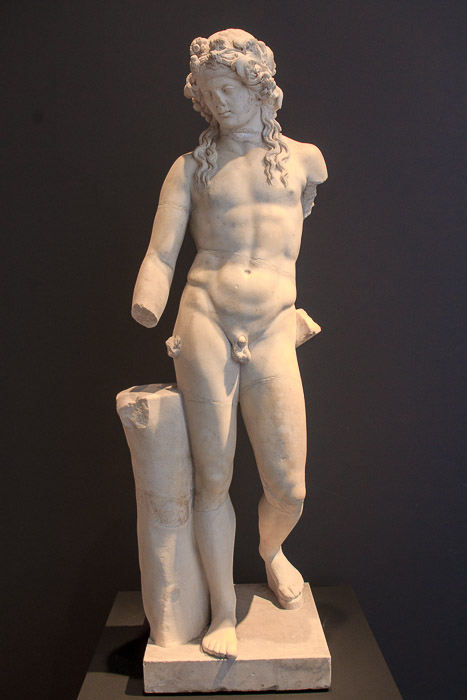
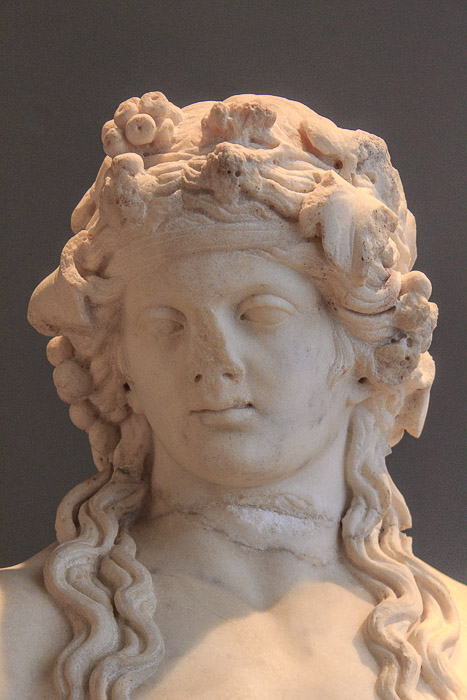
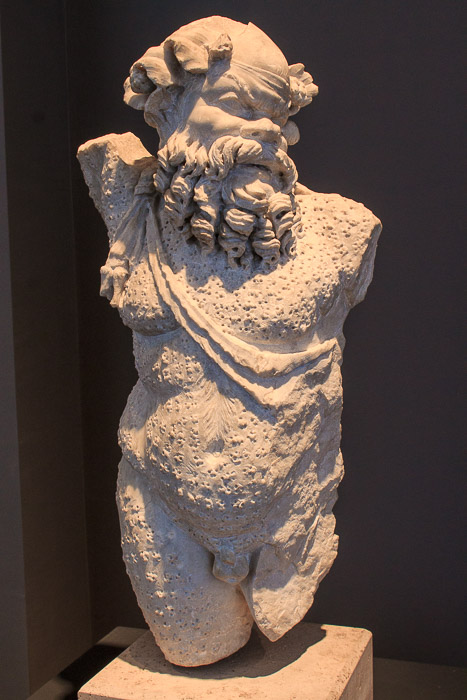
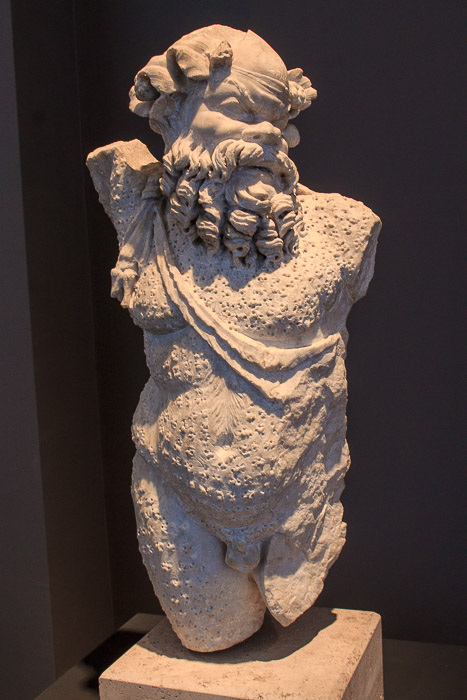
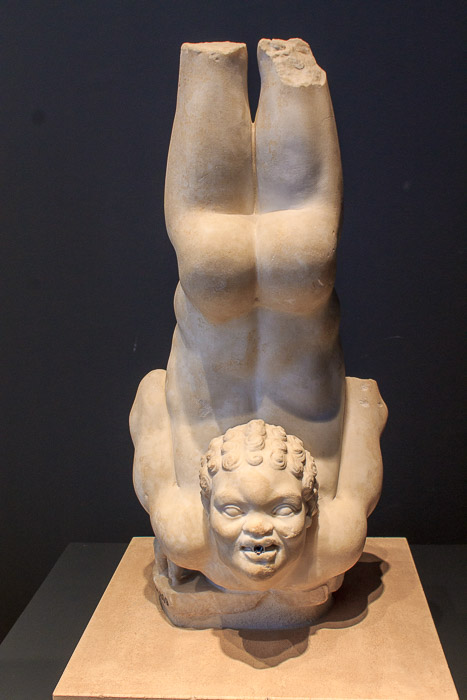
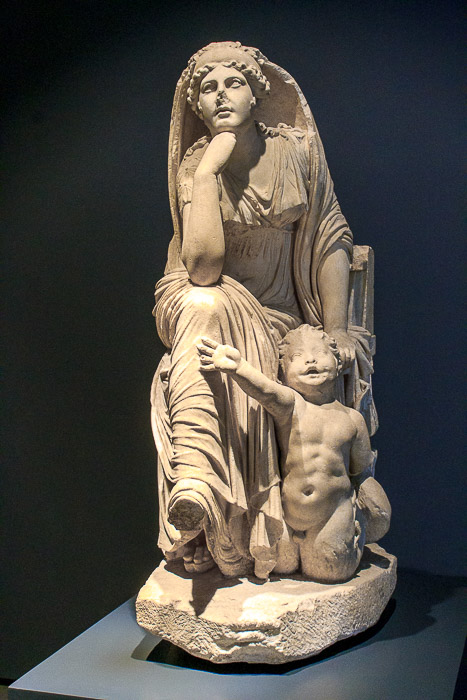
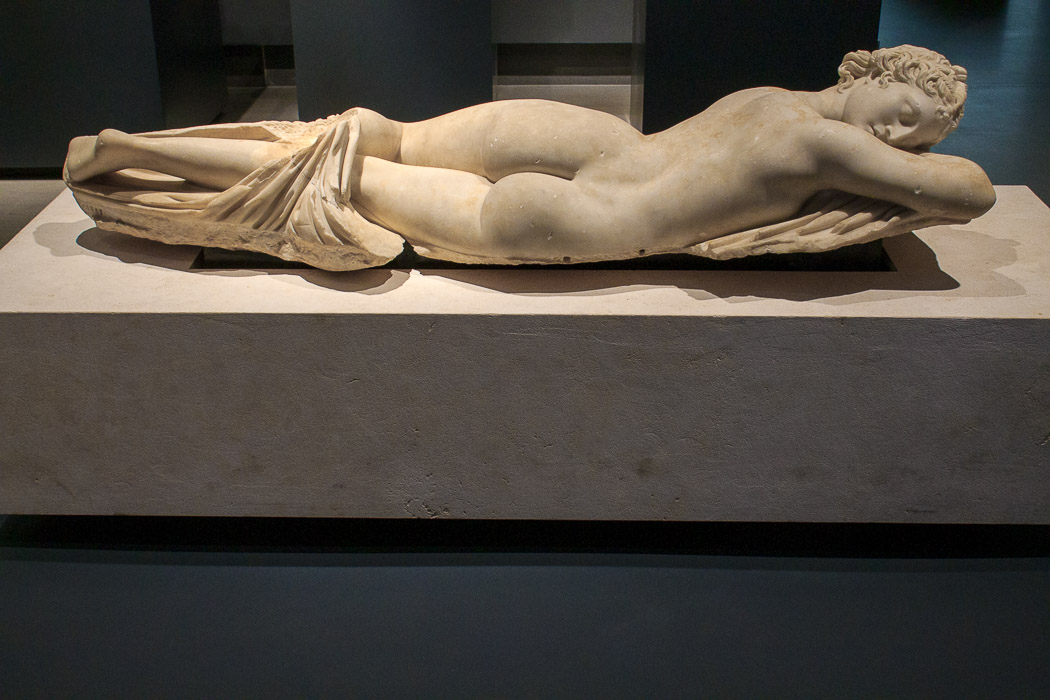
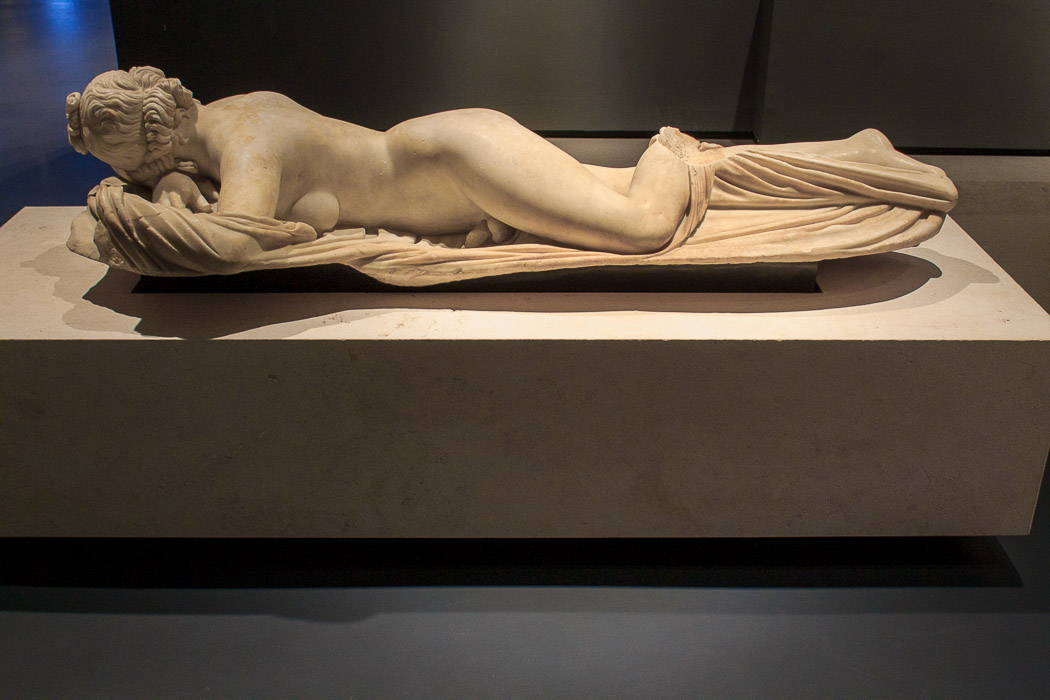
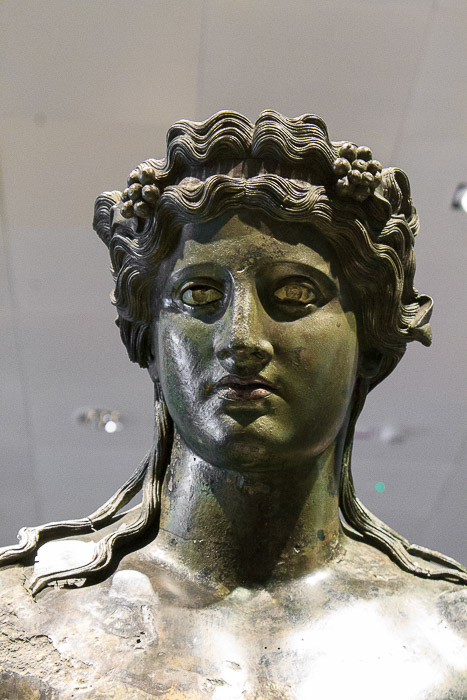
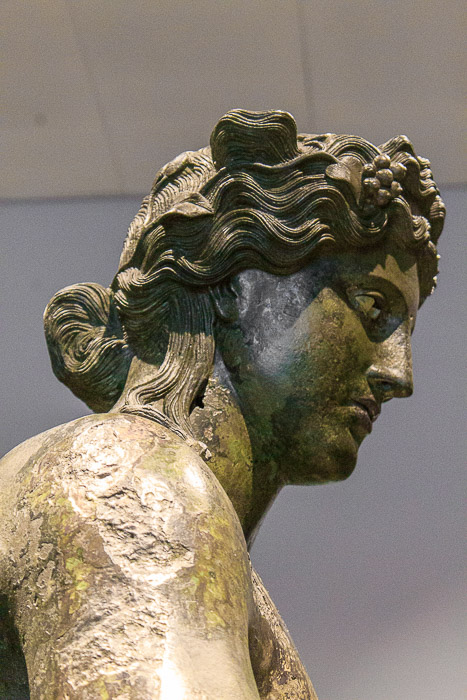
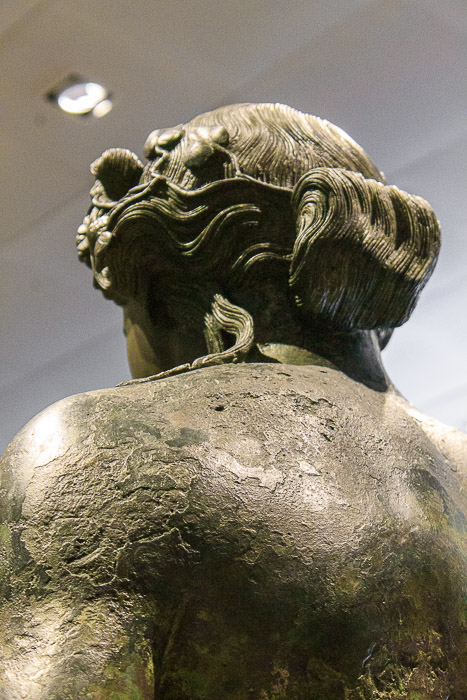
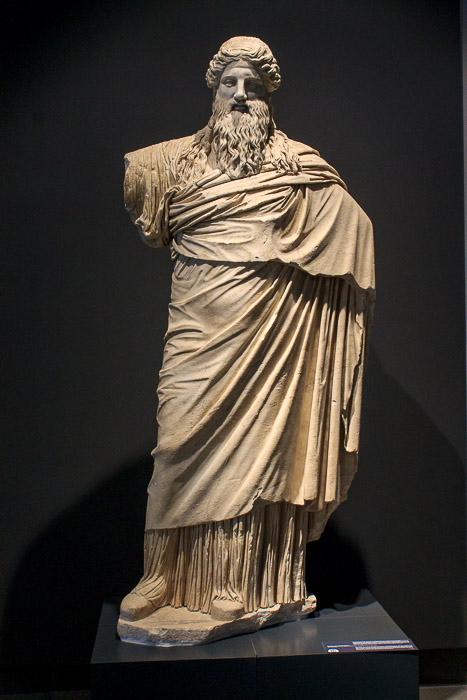
The Palazzo Massimo is one of the four buildings which are part of the National Museum of Rome, along with Terme di Diocleziano, Palazzo Altemps and Crypta Balbi. Palazzo Massimo houses Greek and Roman sculptures (the world's most important collection of Classical art), a huge collection of frescoed walls and mosaics from prestigious Roman dwellings, and a large coin collection. Highlights include the Boxer, the Discus Thrower, and the frescoed walls from the villa of Livia, wife of Augustus, frescoed between 30 BC and 20 BC.
The Palazzo Massimo was built between 1883 and 1887 on behalf of the Jesuit father Massimiliano Massimo (what a great name!), last member of the family that owned the land taken to build the Termini railroad station. The state acquired the palace in 1981 for the museum. The ground floor opened to the public in 1995, and the other floors opened in 1998.
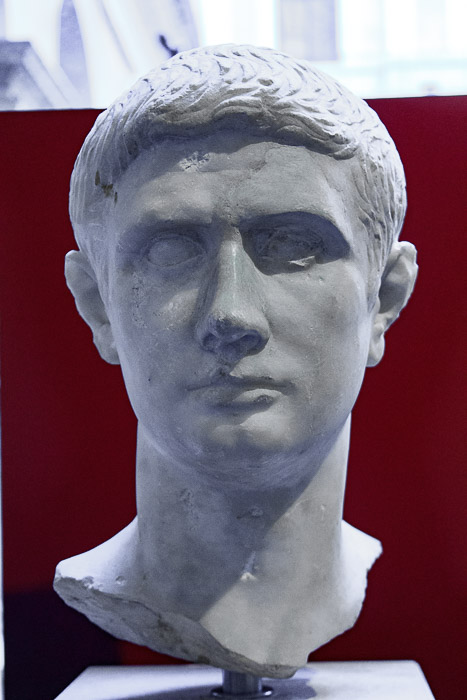
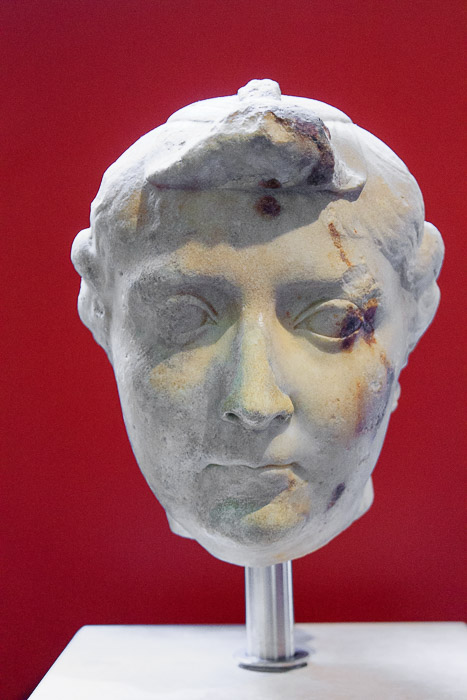
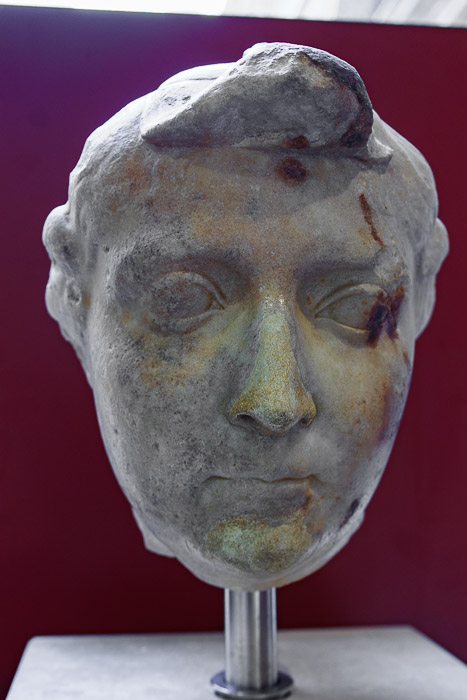
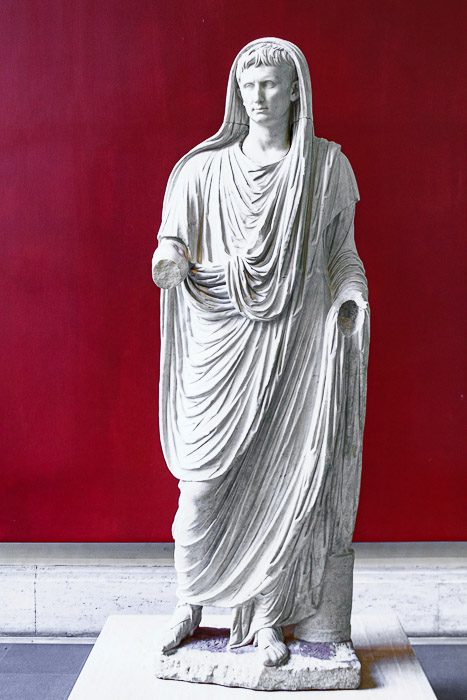
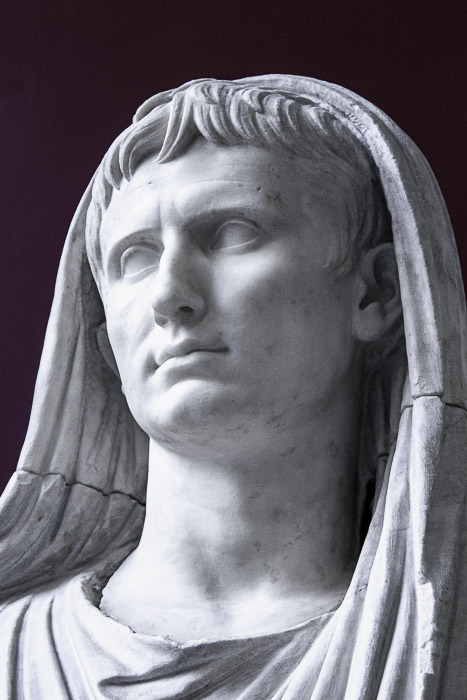
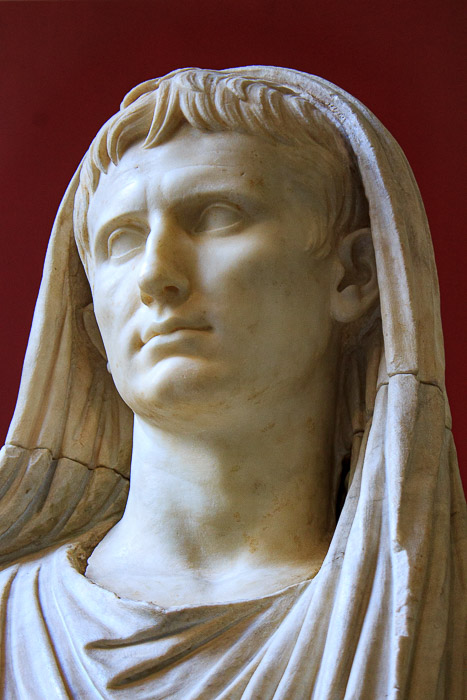
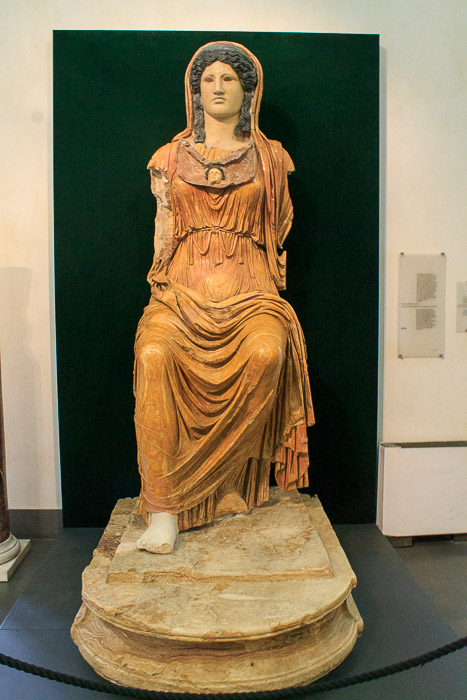
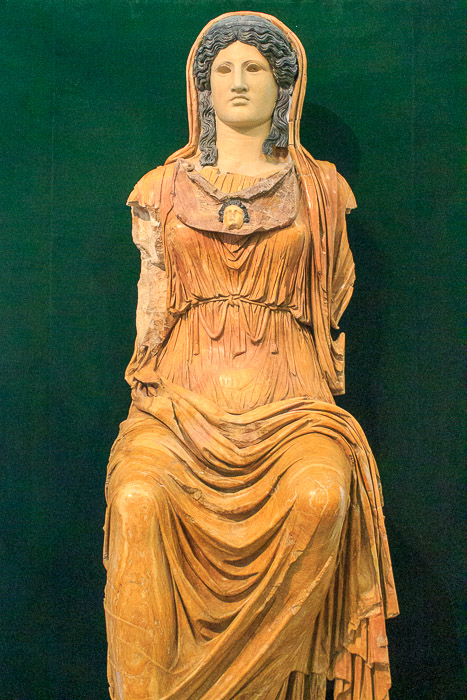
The ground floor contains works dating from the late-Republican era and the Julio-Claudian dynasty. The first of those works can be seen as soon as you leave the ticket office and enter the Minerva Room to find a colossal statue of a seated goddess Minerva (Greek Athena) that was found on the Aventine Hill. Her face and neck were lost and replaced here by a plaster cast of a famous statue of Minerva, however it is thought that the statue was originally actually of Magna Mater-Cybele, a goddess who protected Rome from the time of the Second Punic War. The use of different colored marbles links it to the Greek statues in gold and ivory made by Phidias in the second half of the 5th century BC, though this statue is probably from the Augustan period, 43 BC to 18 AD.
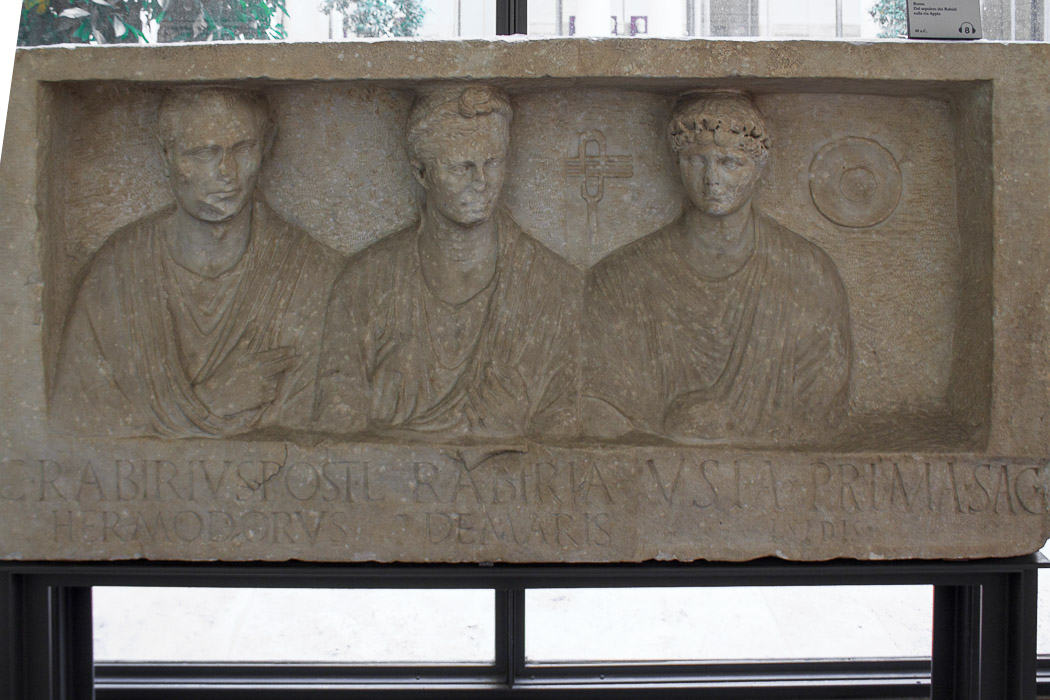
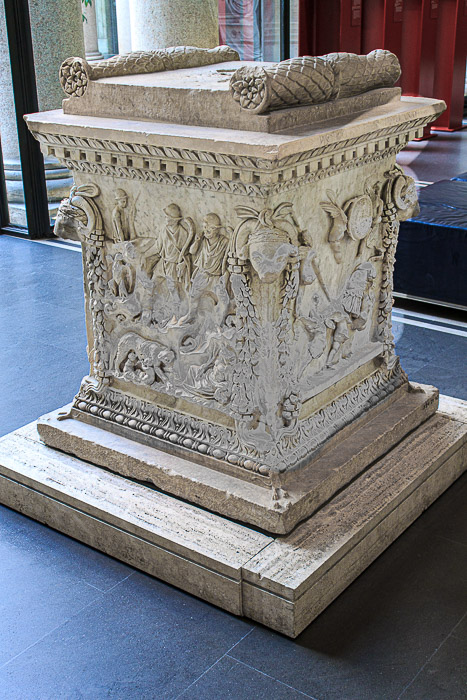
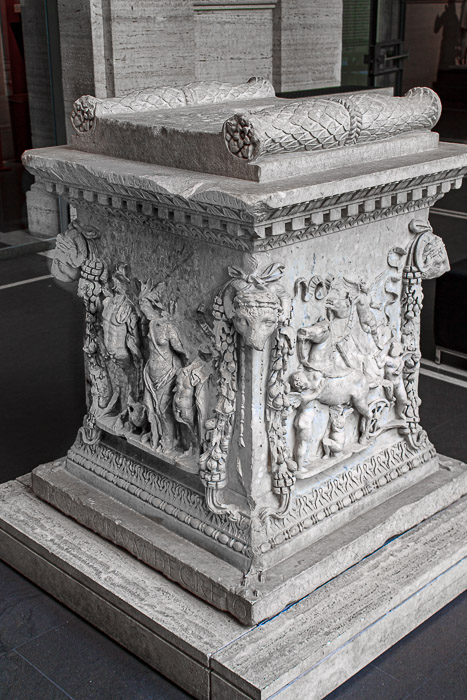
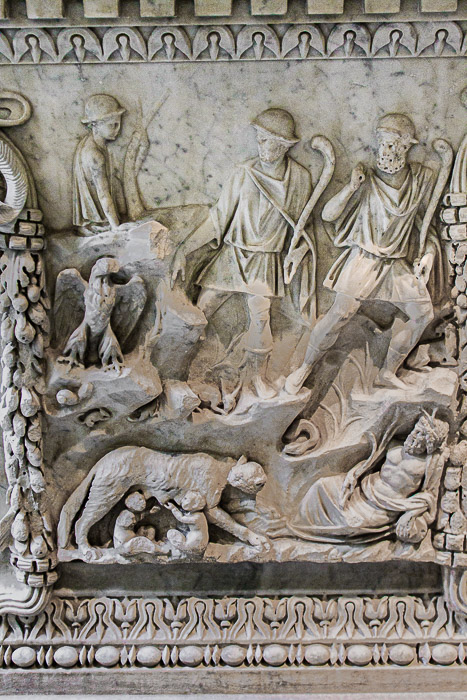
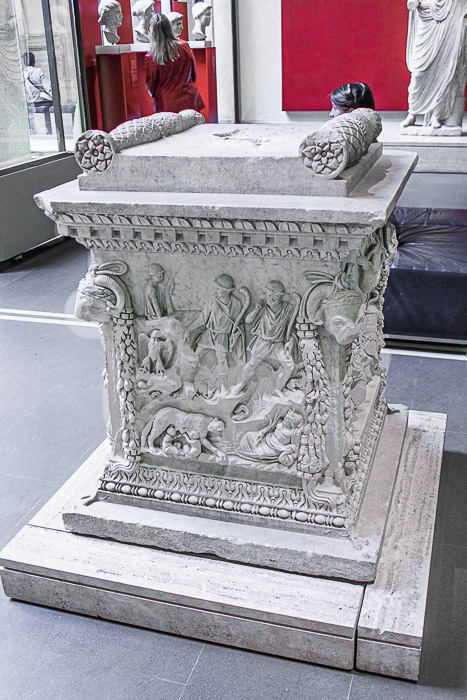
Gallery 1 features people of the late-Republican period, including the funeral monument from the Appian Way shown below.
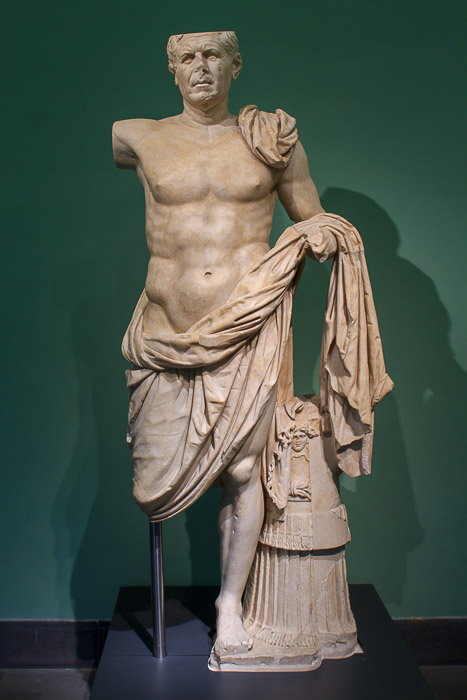
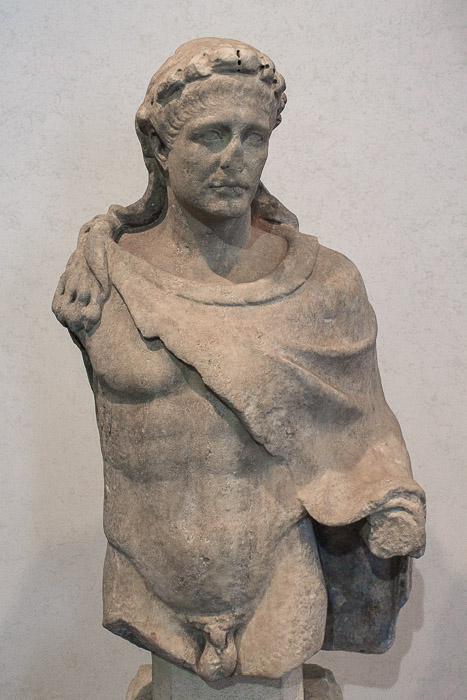
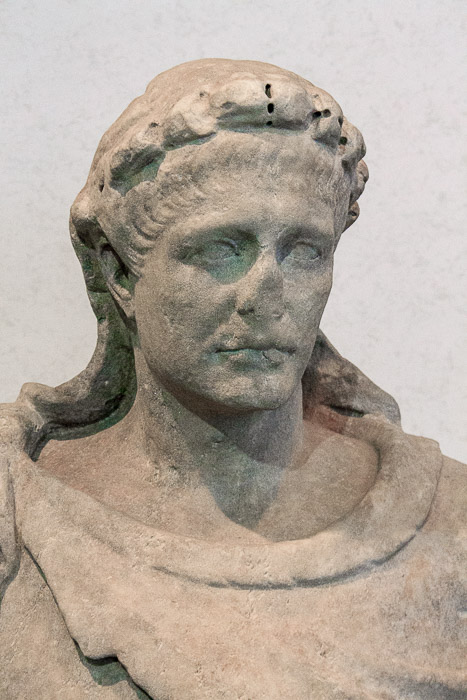
Room 1 features this statue of an elderly person with a young, nude body. The statue was found in the sanctuary of Hercules Victor in Tivoli, and dated to the beginning of the 1st century BC probably was meant to honor one of Sulla's lieutenants. The 2nd photo below from Room 1 is of the oldest known Roman calendar.
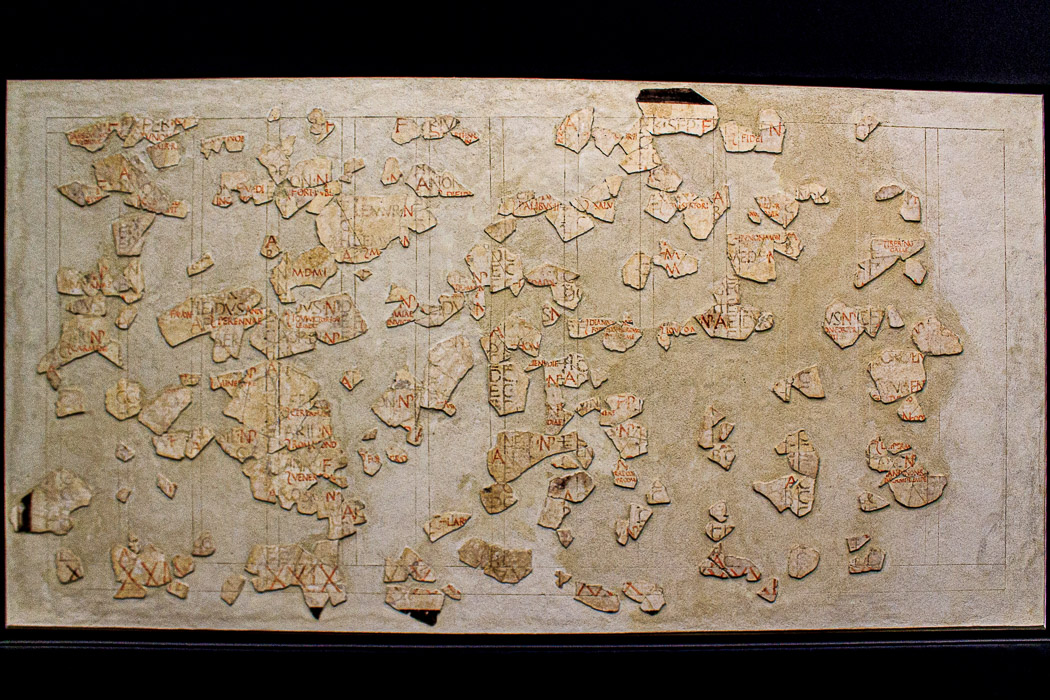
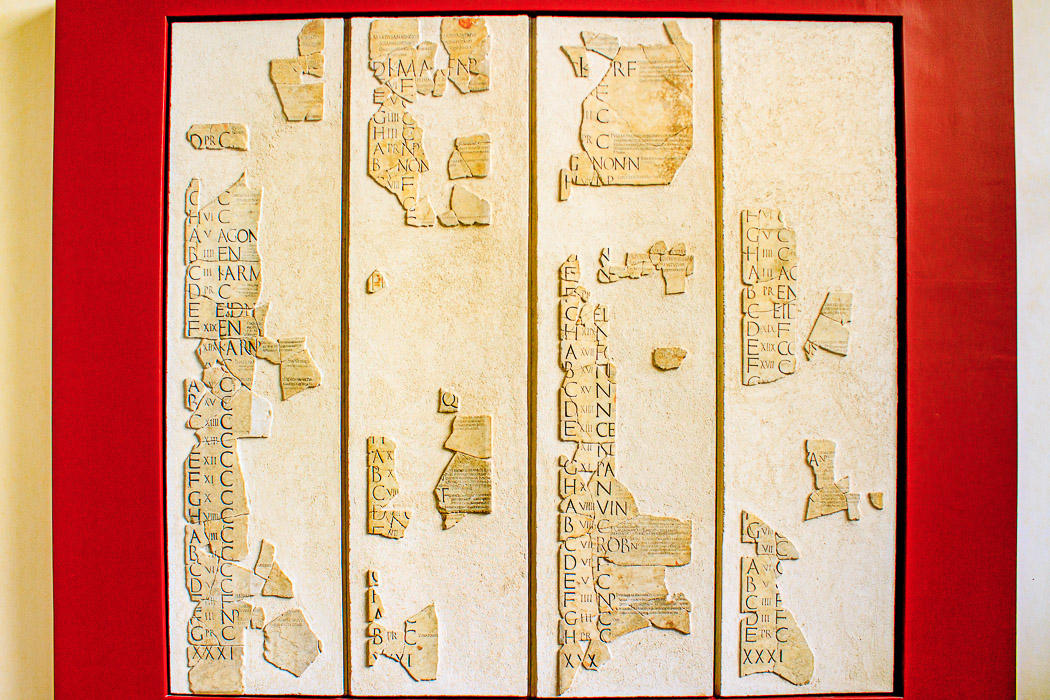
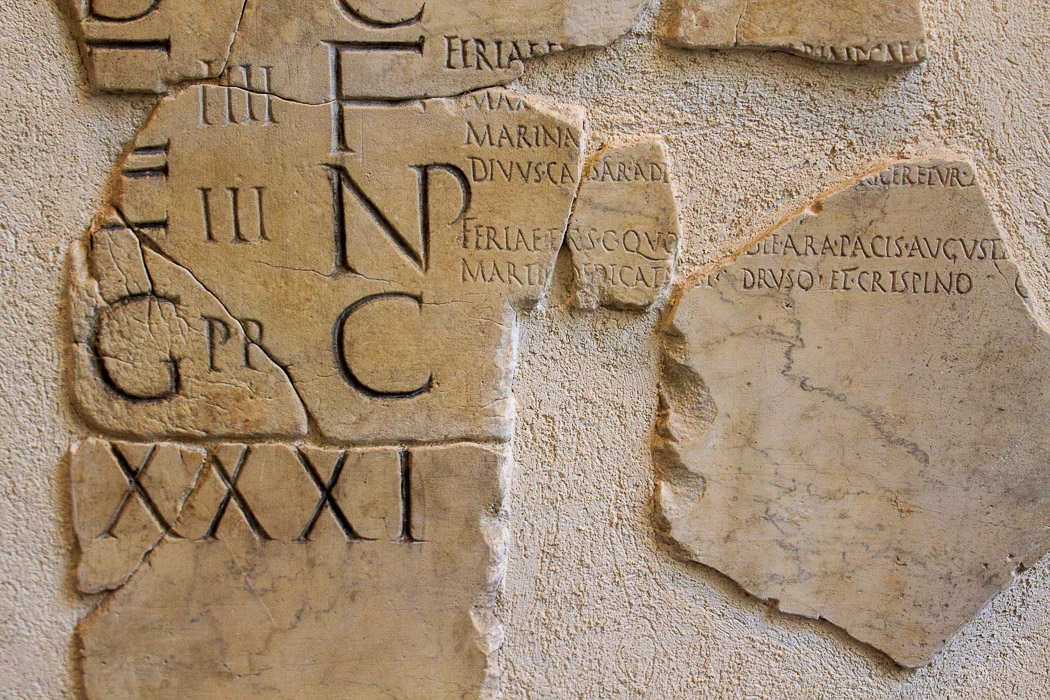
Room 2 features the Fasti Praenestini. In ancient Rome, the term fasti was used for the calendar created by the high priest (Pontifex Maximus) and exhibited in a public place, in order to regulate the life of the citizens. It indicated the dies fasti, the days in which certain activities were permitted, and the dies nefasti, the days on which certain activities were not allowed. Here is displayed the richest Roman calendar that has been preserved to us. It was composed between 6 and 10 AD, during the reign of Augustus, by Verrius Flaccus. The fragments of this calendar (1st photo below), discovered in 1769-1771, were displayed in a home until 1902 when they were donated to the National Museum of Rome.
According to a tradition already in use at the time of the early monarchy, the Romans counted the days of the month in relationship to the phases of the moon. The Calends, Kalendae (K), or the first day of the month, corresponded to the appearance of the first sickle-shaped phase of the moon; the Ides, Eidus (EI), between the 13th and the 15th of the month, to the day of the full moon, the Nones or Nonae (N), or nine days before the Ides, to the fourth quarter of the moon.
The Julian calendar presrved this counting system, but without its original relationship to the lunar phases.
After each number, the calendar gives the nota dierum, or the nature of the days, divided among the fasti (F), nefasti (N), endotercisi, favorable only in the central hours (EN), and comitiales, days for assemblies (C).
The letters of the alphabet from A to H, on the left, indicate a sequence of eight days (mondinae), which would soon take the function of our days of the week. The close-up in the 2nd photo below shows that January 30th, day F out of H, in the nefasti was the anniversary of the dedication of the Ara Pacis Augustae, which took place in 9 BC.
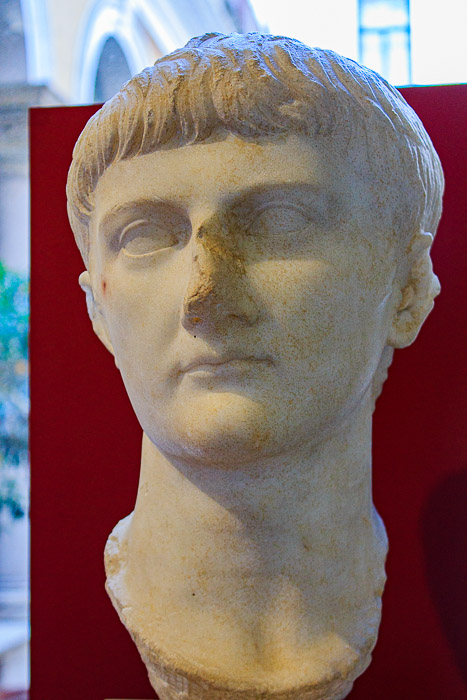
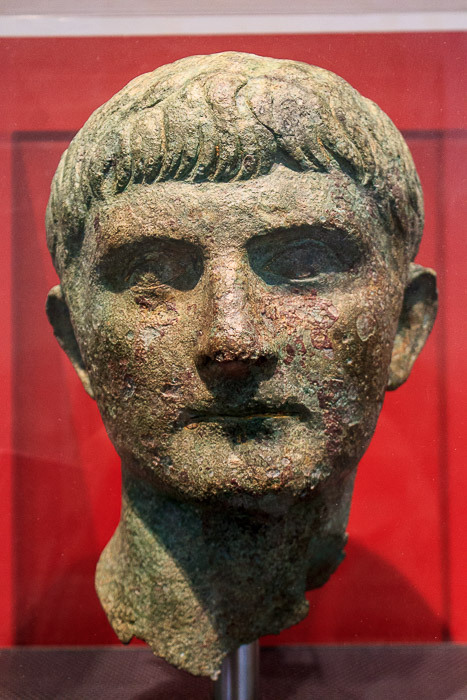
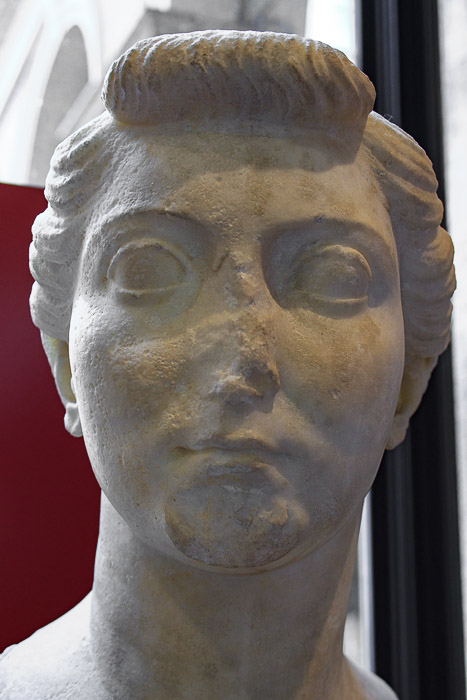
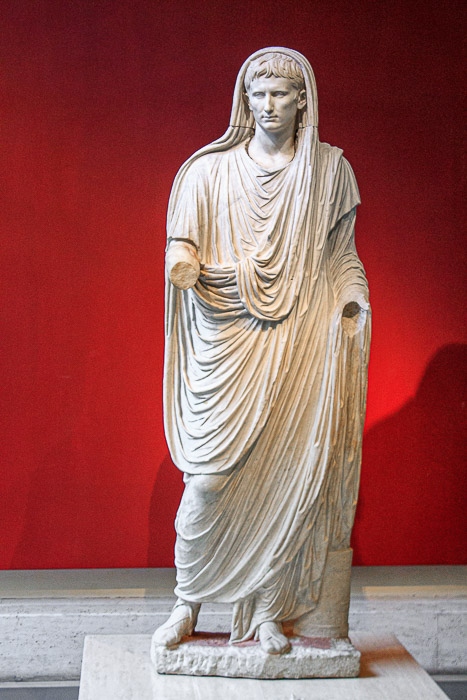
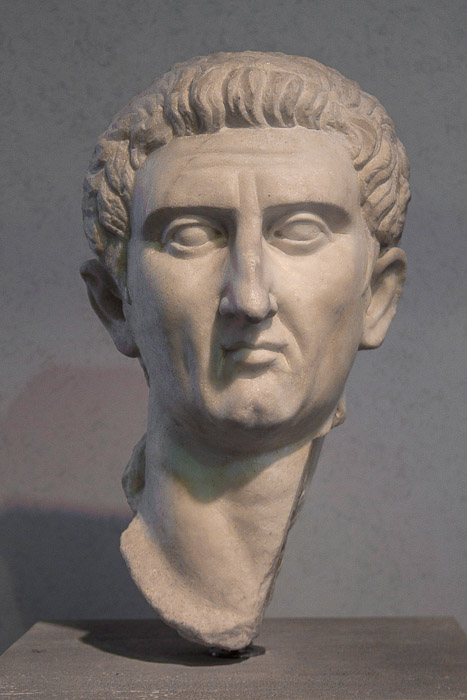
Gallery 2, Room 4 and Room 5 are devoted to the early Imperial era, and the members of the Julio-Claudian Dynasty.
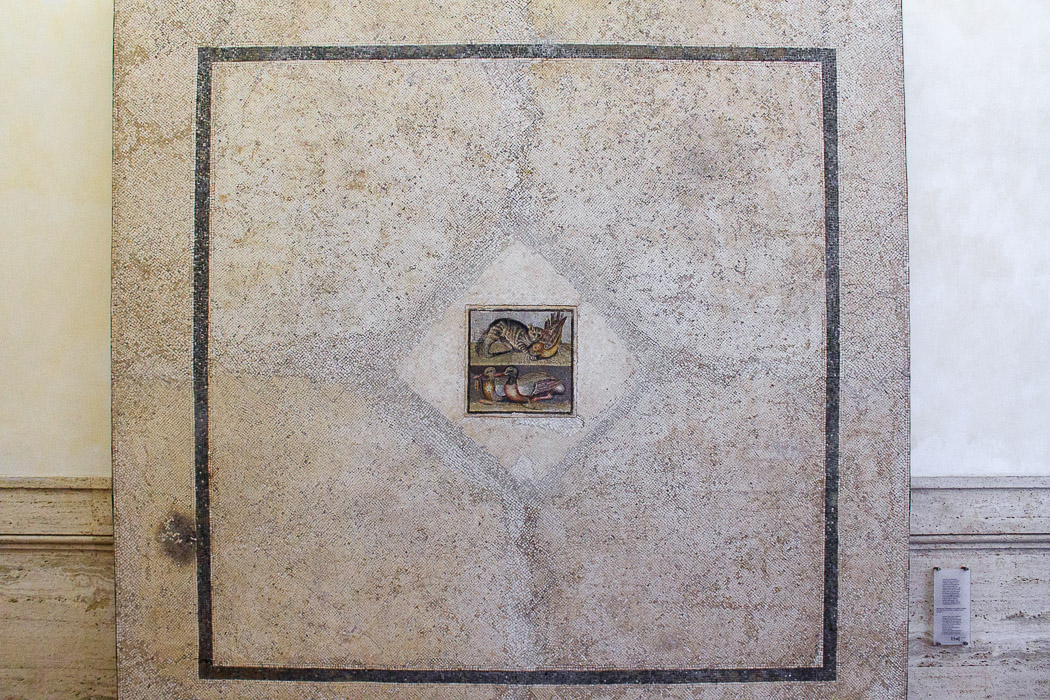
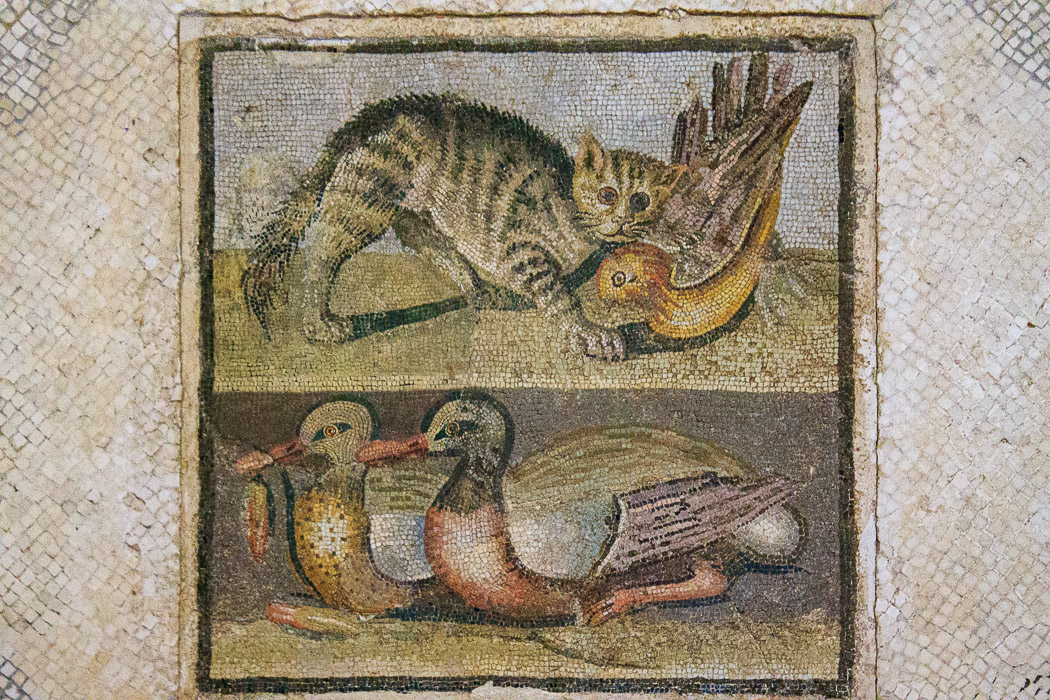
Gallery 3 contains more portraits of the Roman era and Greek portraits, and a 1st-century BC floor mosaic of a cat catching a bird, and two ducks.
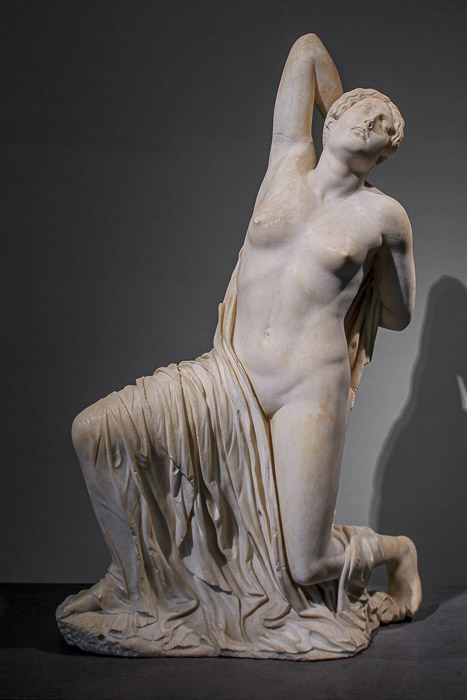
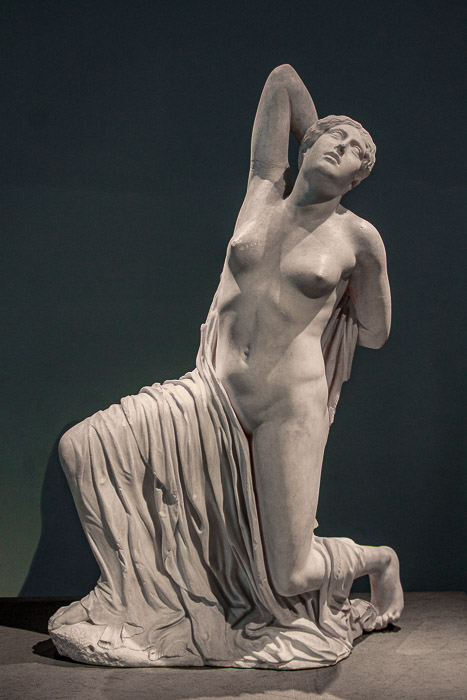
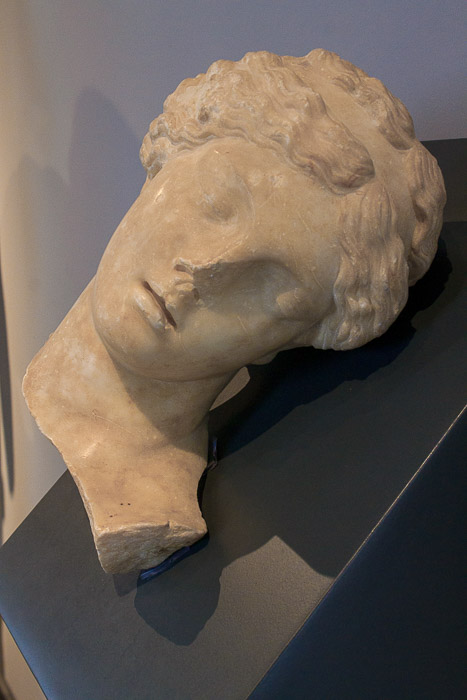
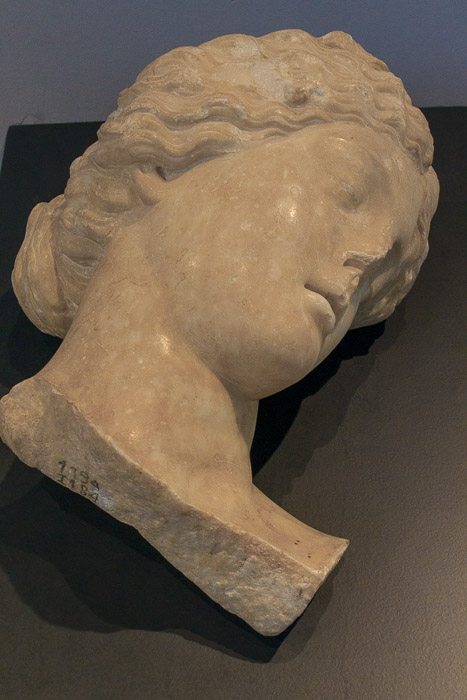
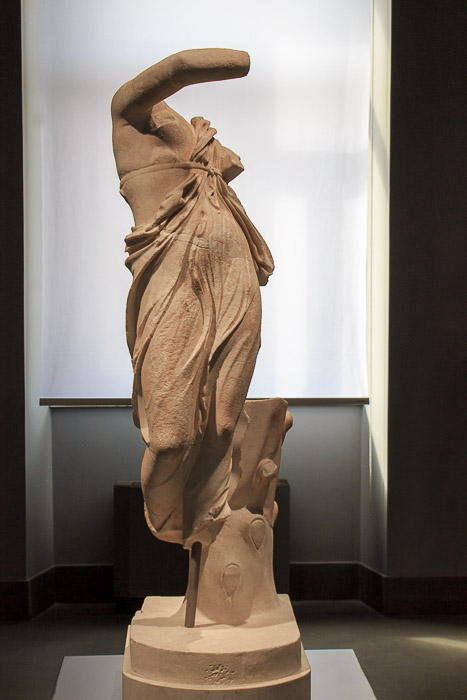
Room 6 contains the Niobide Stautes from the Gardens of the Sallust.
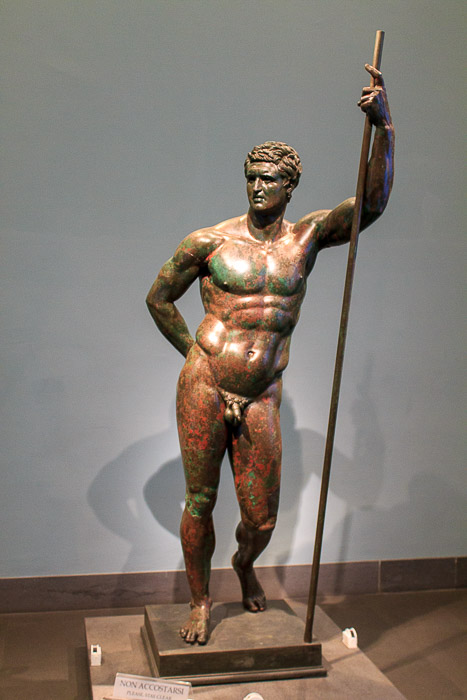
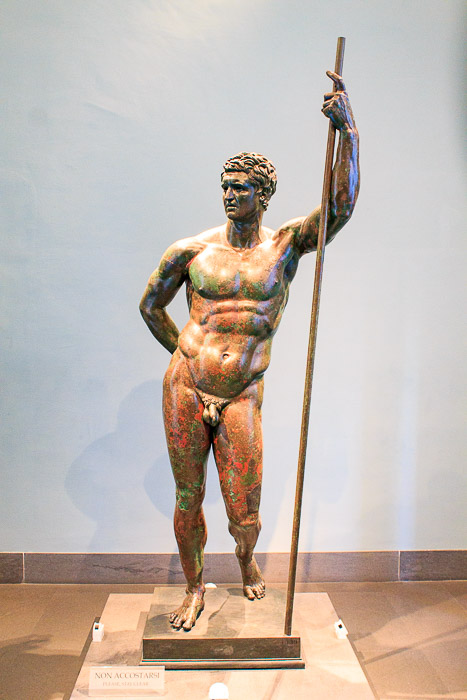
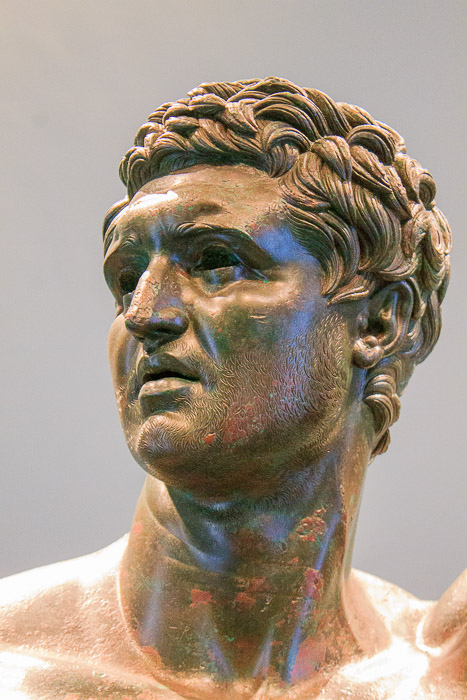
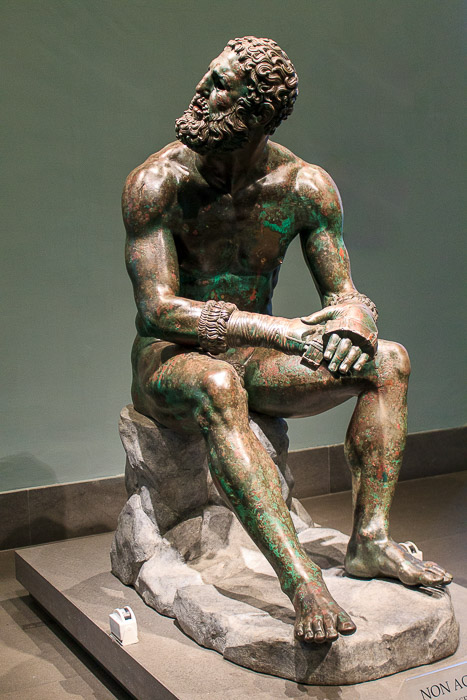
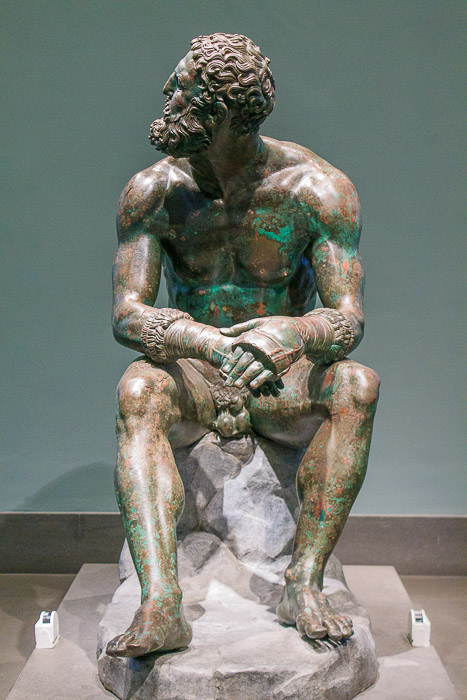
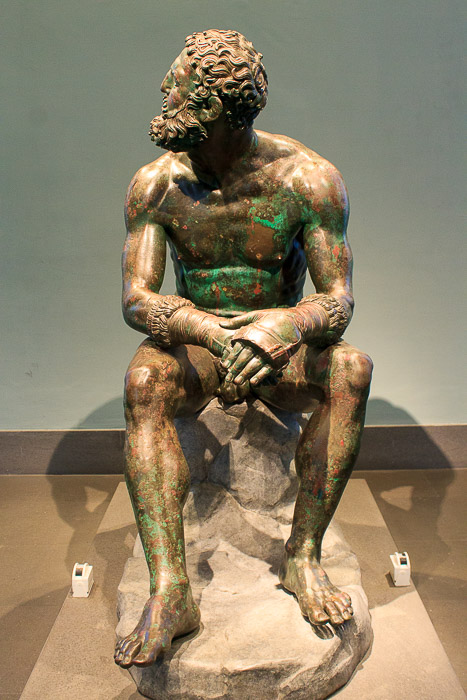
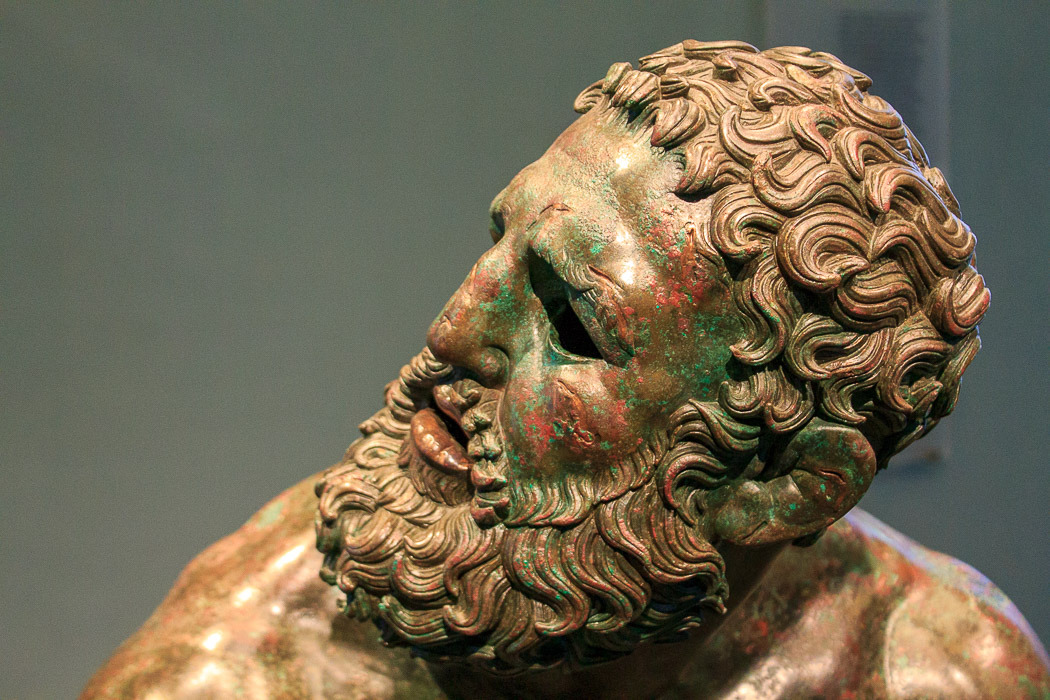
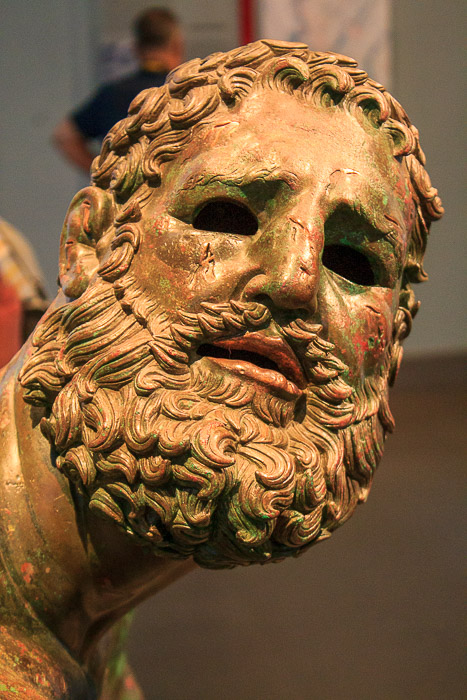
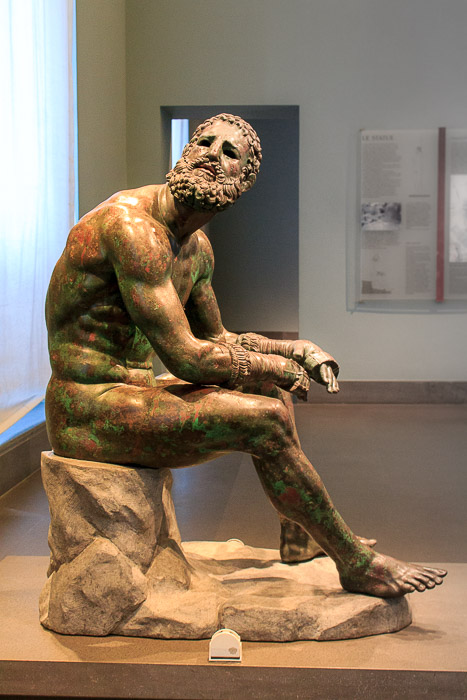
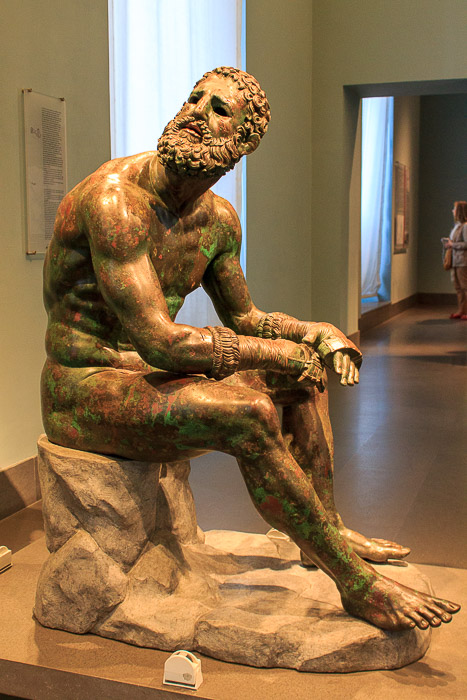
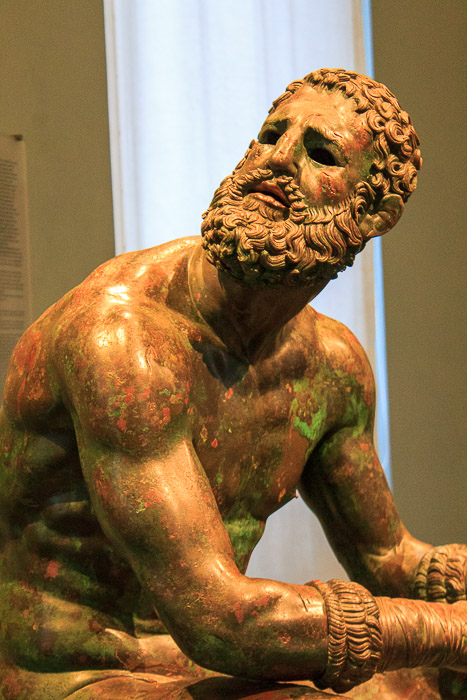
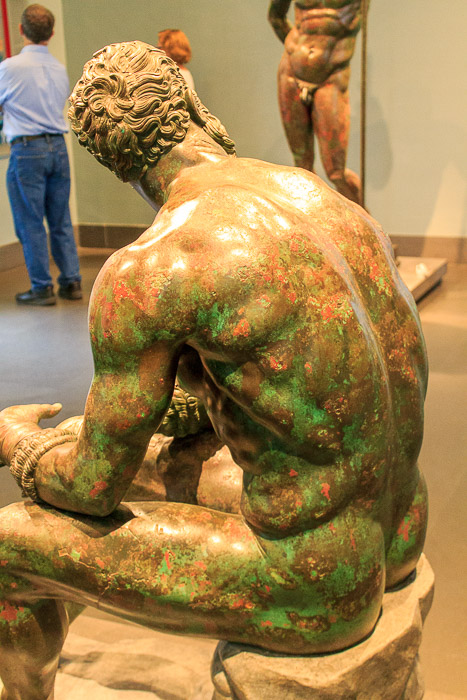
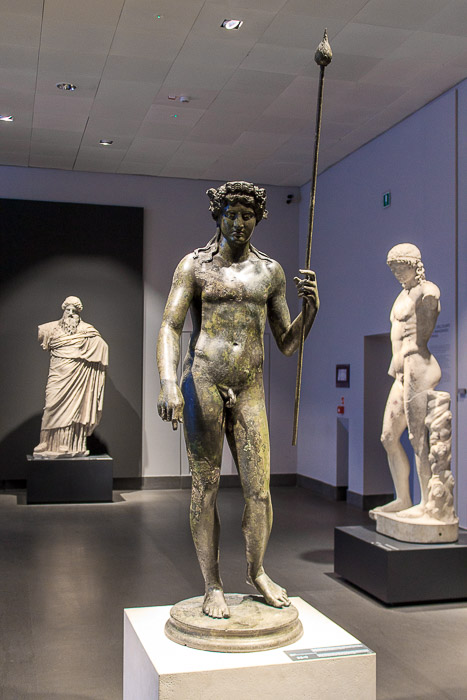
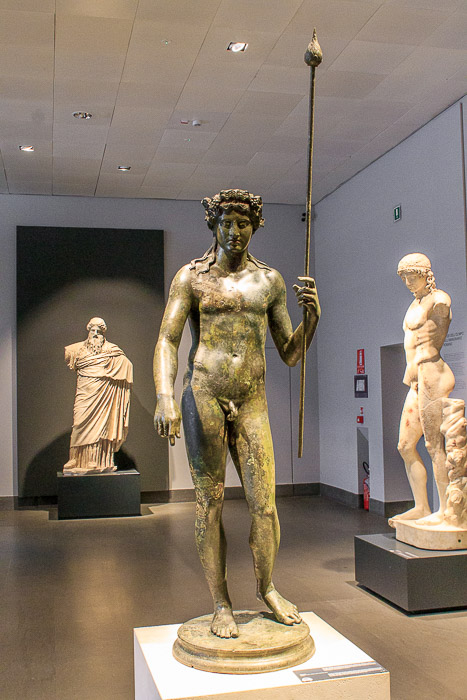
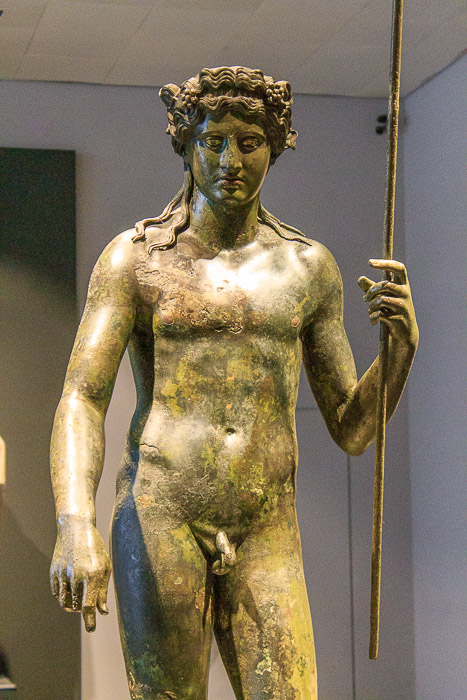
Room 7 contains two very famous bronzes which are two highlights of the museum and should not be missed: the heroic nude figure of the so-called Prince, and the Boxer at Rest. They were produced with the lost wax process and were found together in 1885 on the southern slope of the Quirinal Hill, during the construction of the Teatro Drammatico Nazionale in the area originally occupied by the Baths of Constantine. Constantine was emperor from 306-337 AD. In 315 AD he ordered construction of a grand thermal complex on the slopes of the Quirinal Hill, in an area between present day Via XXIV Maggio, Piazza del Quirinale, Via Della Consulta and Via Nazionale. Both of these bronze statues were brought into Rome from Greece as decorative works of art for the Baths. The seated figure is clearly an athlete at rest after a boxing match, while it is not possible to identify precisely the standing figure of the so-called Prince.
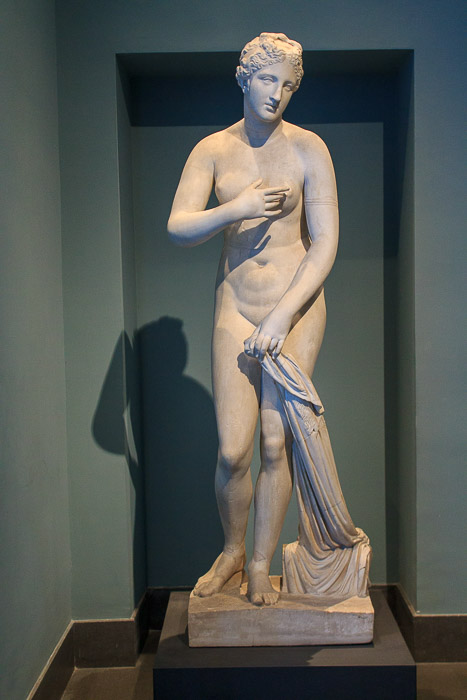
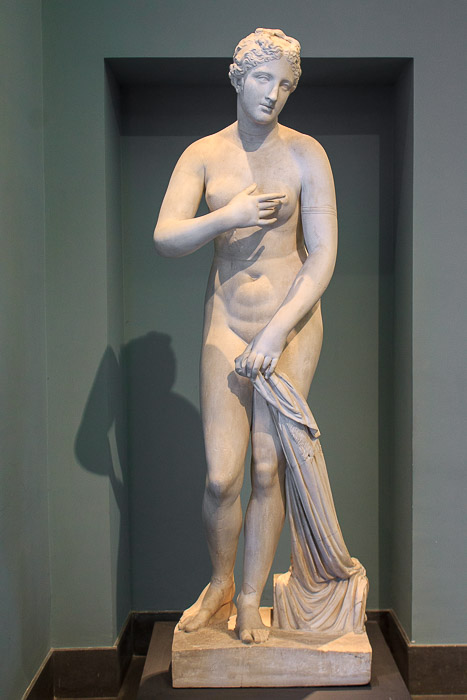
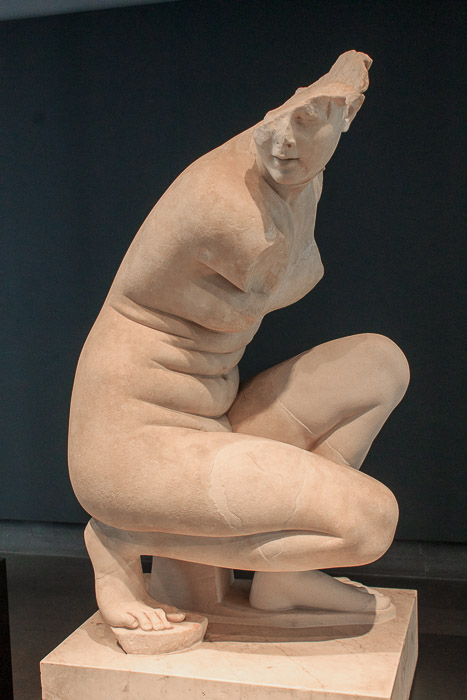
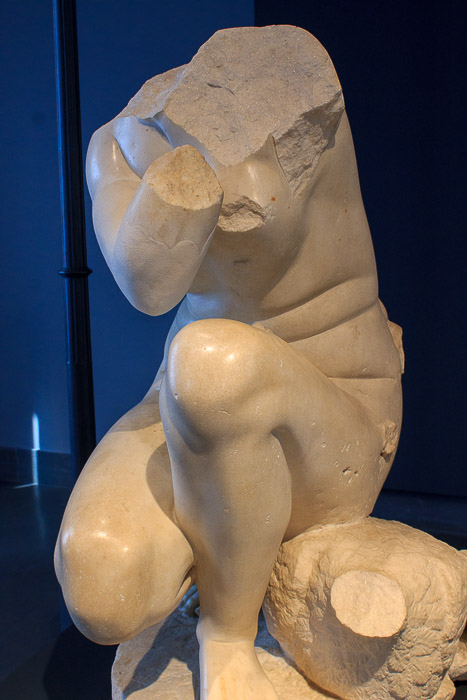
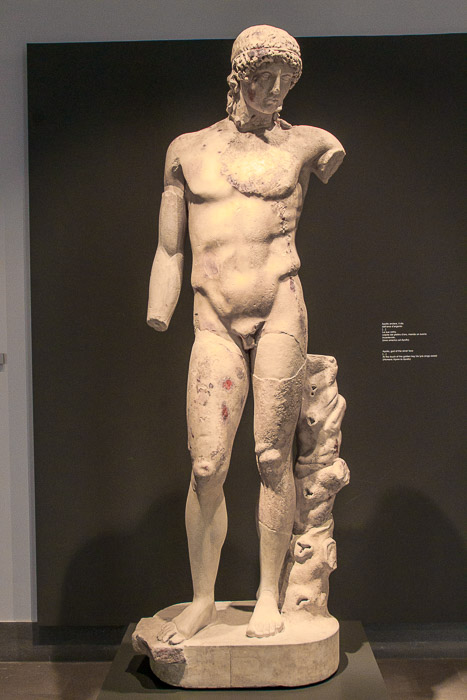
Room 8 houses the sculpture of Aphrodite by Menophantos, and several works of the Neo-Attic style.
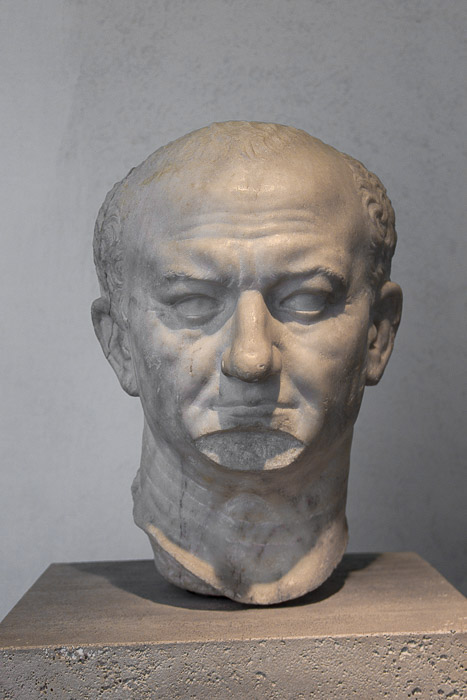
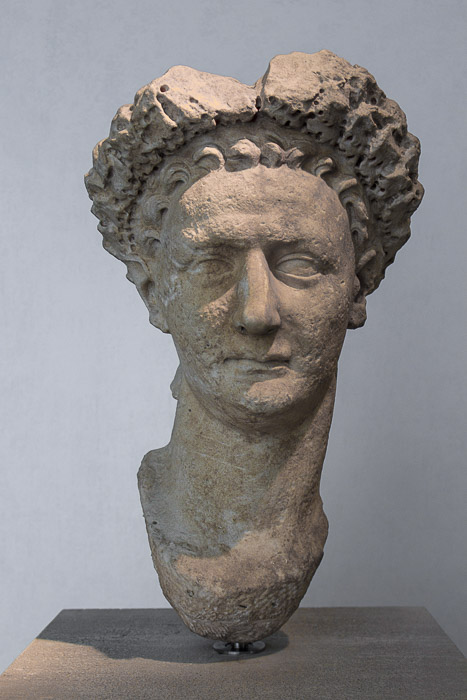
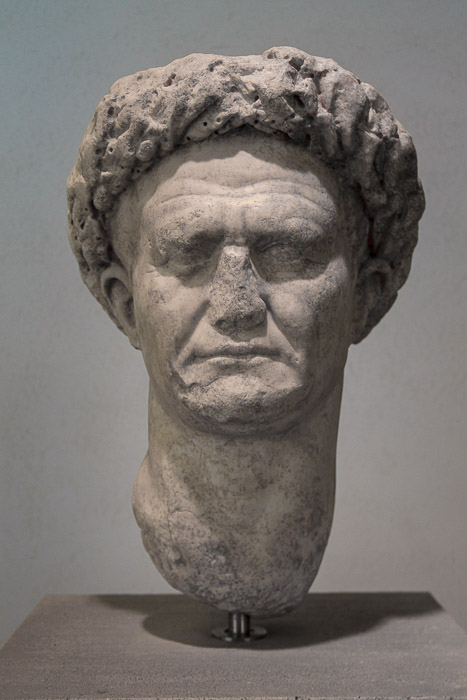
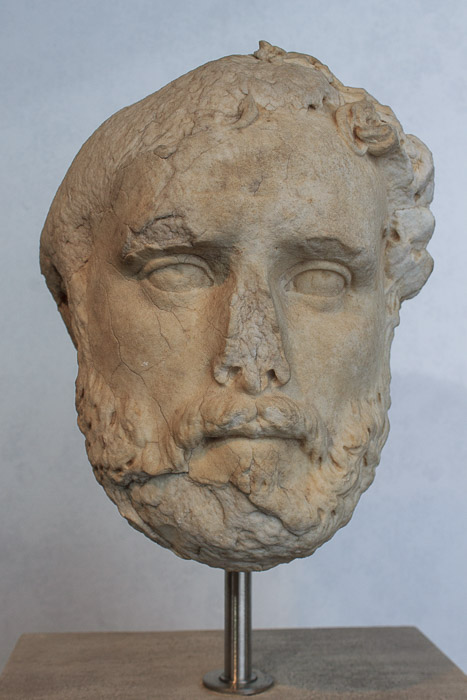
So ends the Ground Floor of the Palazzo Massimo. Go upstairs to the first floor, and enter Room 1, devoted to portraits of the Flavian emperors, 69-96 AD, Vespasian (69-79 AD), Titus (79-81 AD) and Domitian (81-96 AD).
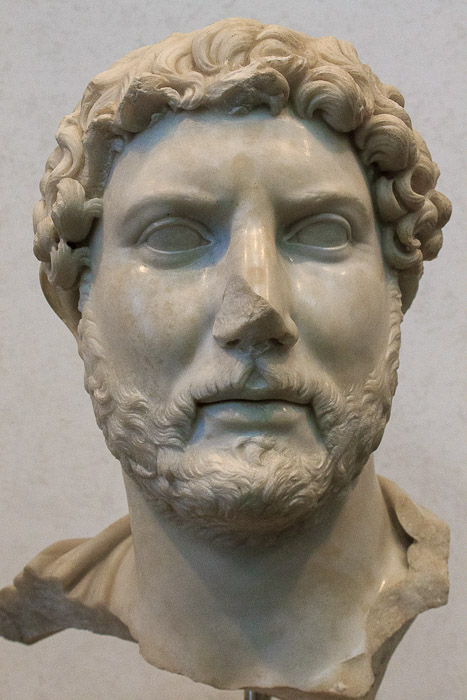
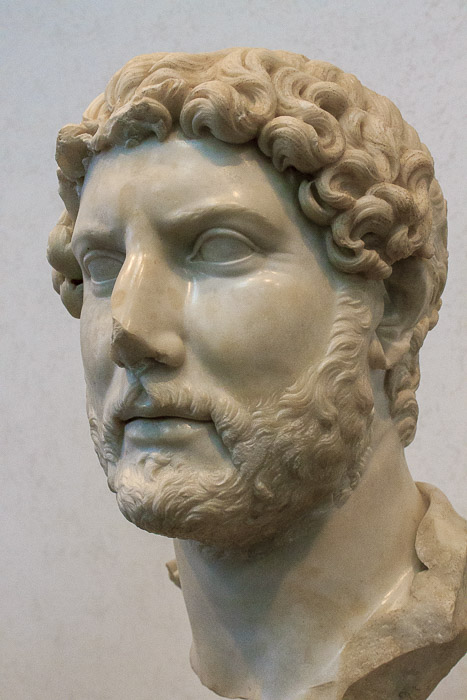
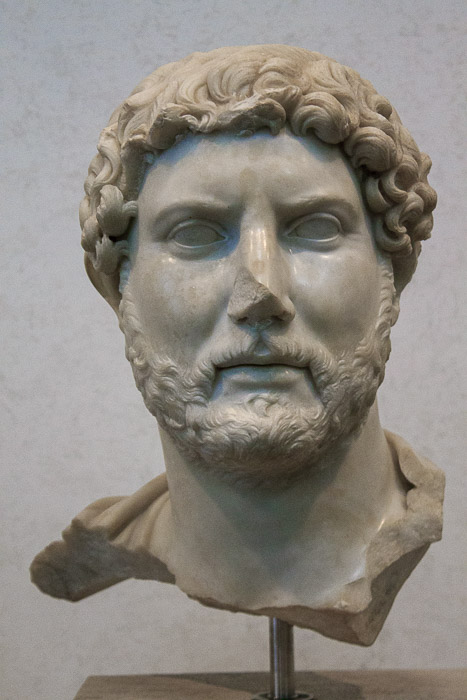
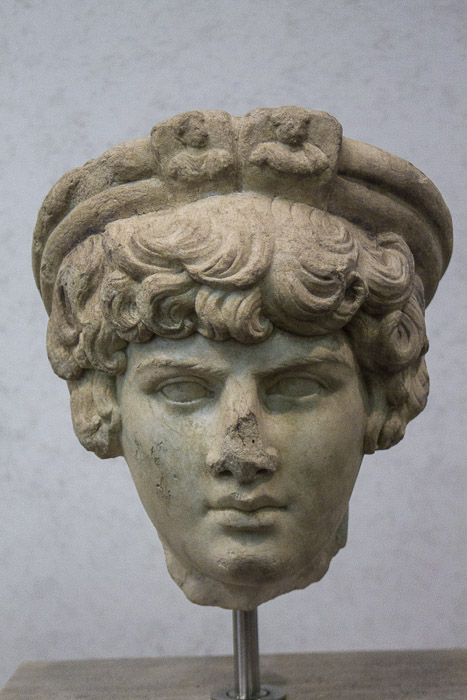
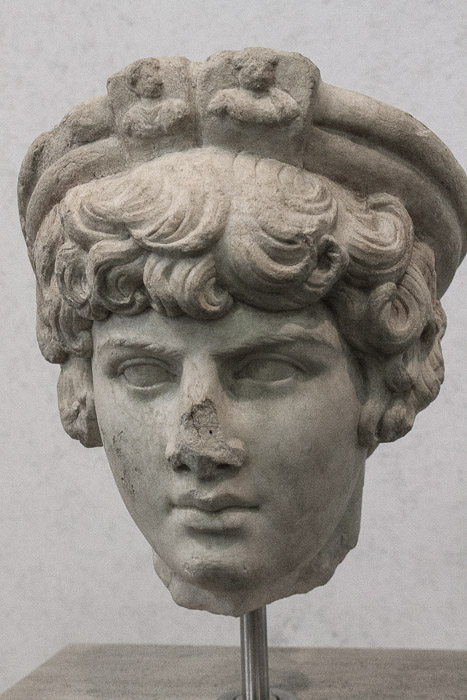
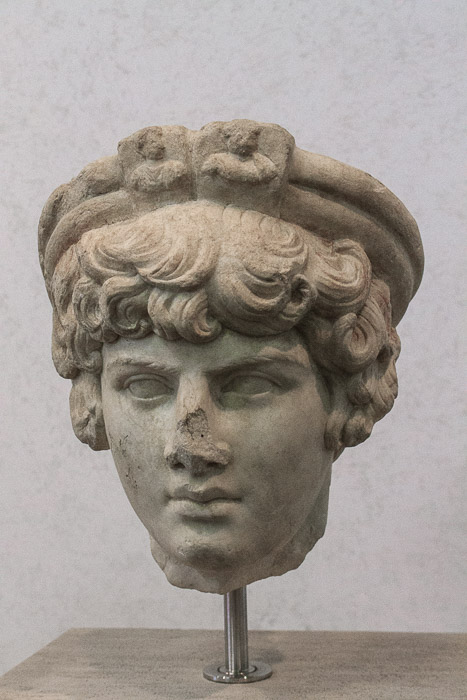
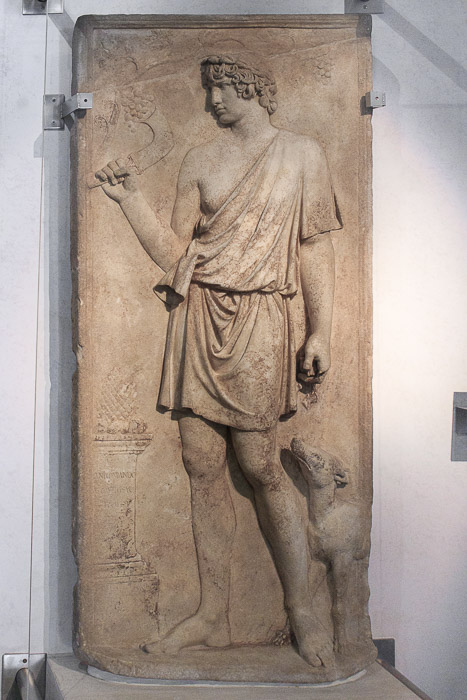
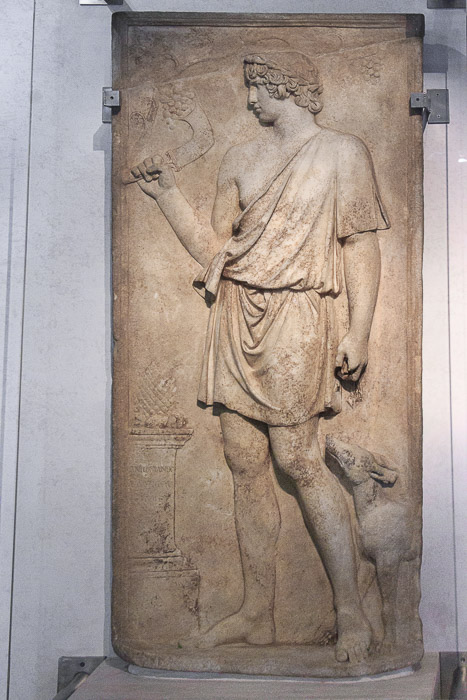
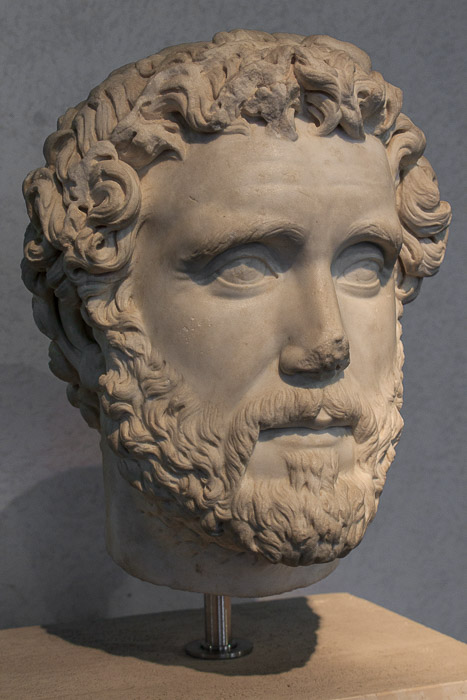
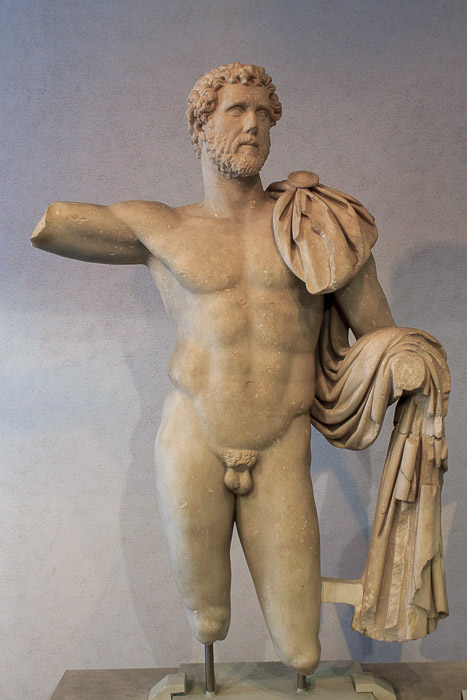
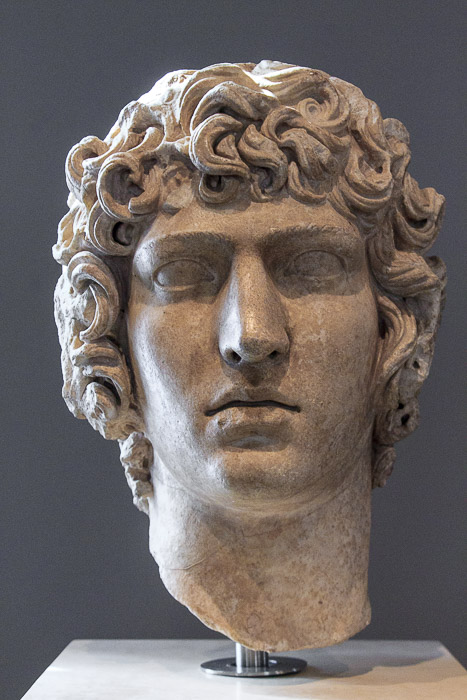
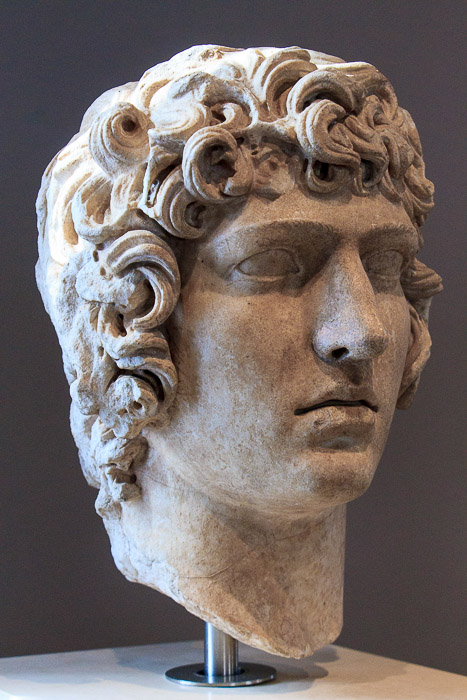
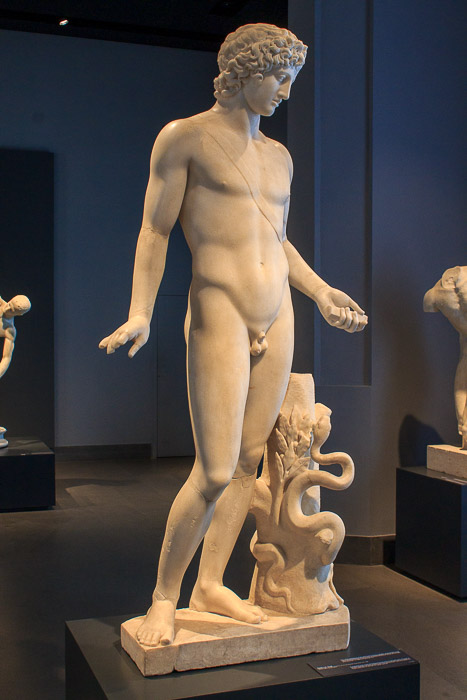
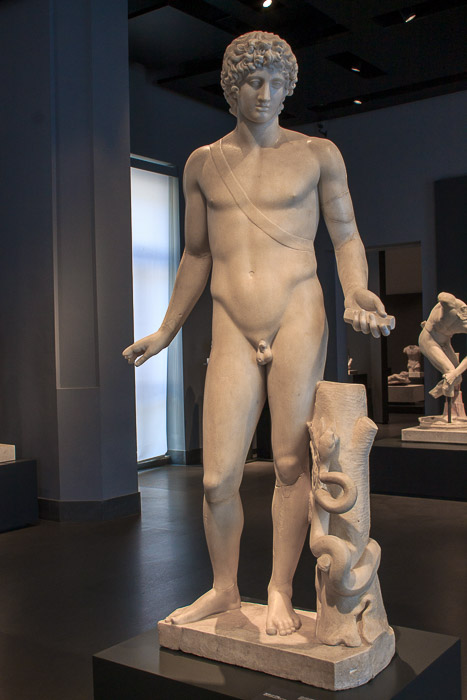
Room 2 moves on to Nerva (96-98 AD), Trajan (98-117 AD), Hadrian (117-138 AD) and Hadrian's lover Antinous.
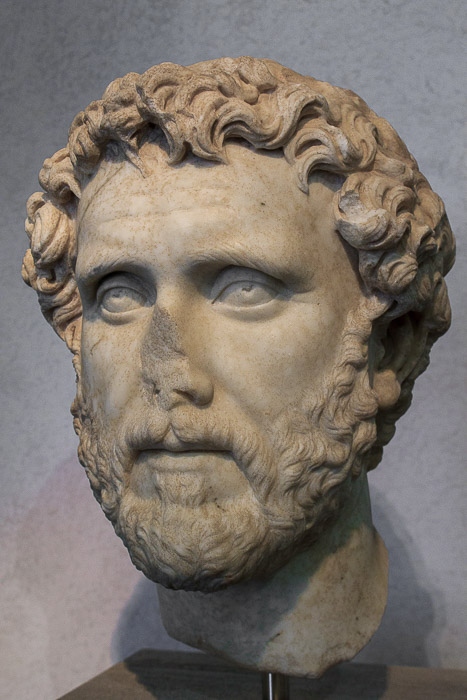
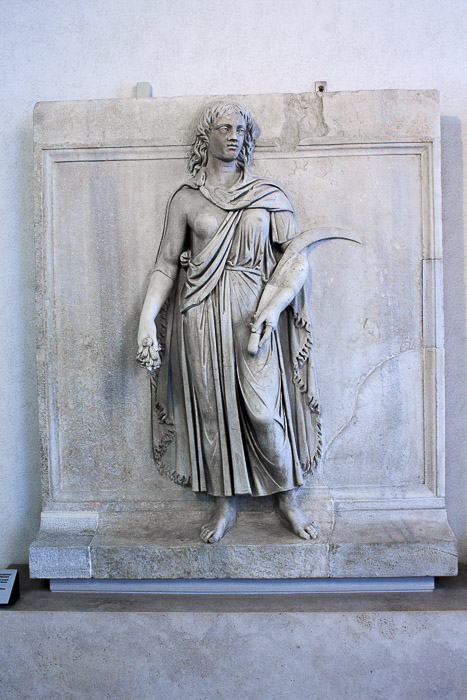
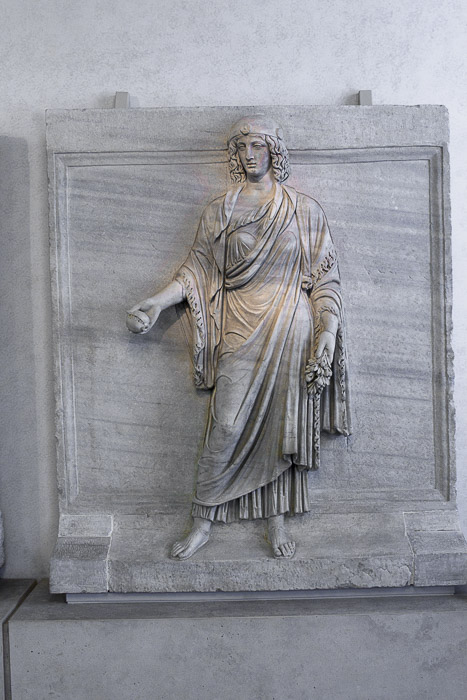
Room 3 features the emperor Antoninus Pius. The two Province Reliefs from the Temple of Hadrian, of which there are 10 more in the Capitoline Museum and 5 more in the Naples Archaeological Museum were dedicated by Antoninus Pius in 145 AD.
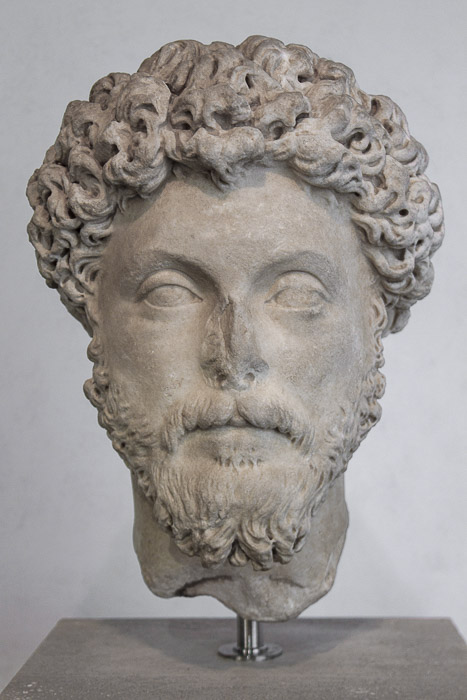
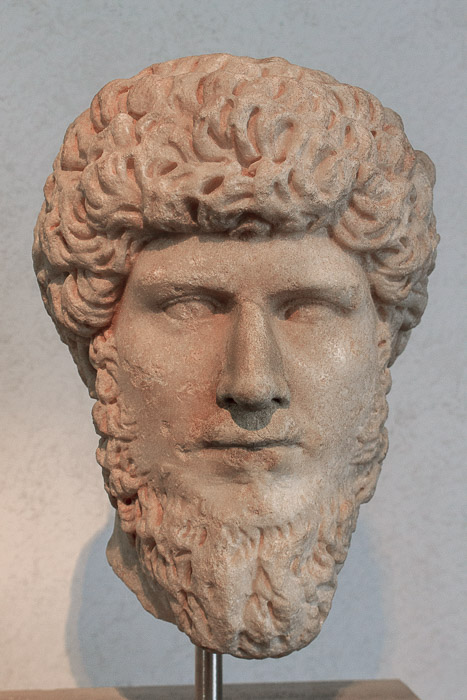
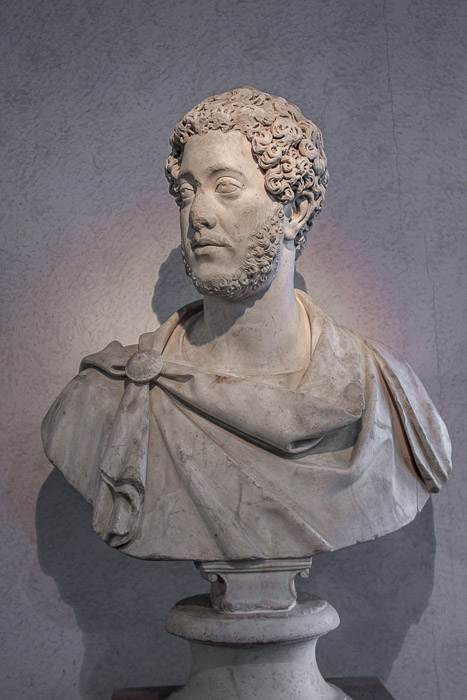
Room 4 celebrates the reign of Marcus Aurelius (161-180 AD) and his son Commodus (180-192 AD).
Rooms 5-10 contain sculptures from Roman Villas from the Imperial Era, often from the homes of the Emperors themselves.
Room 5 features imaginary sculpture from the imperial residences.
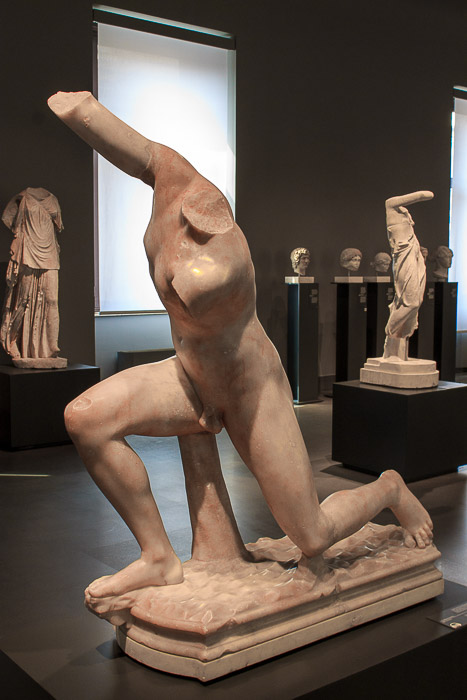
Room 6 is devoted to sculptures that re-created the atmosphere of the gymnasium.
Room 7 features divine sculptures of the Roman gods.
Room 8 holds mythological sculptures, but I didn't photograph any of them.
Room 9 celebrates the theater, but I didn't photograph any of it.
Room 10 features remains from the ships found in Lake Name between 1895 and 1932, which had been used by Caligula for festivities and banquets, but were destroyed during the Second World War.
Room 11 is another that I didn't photograph.
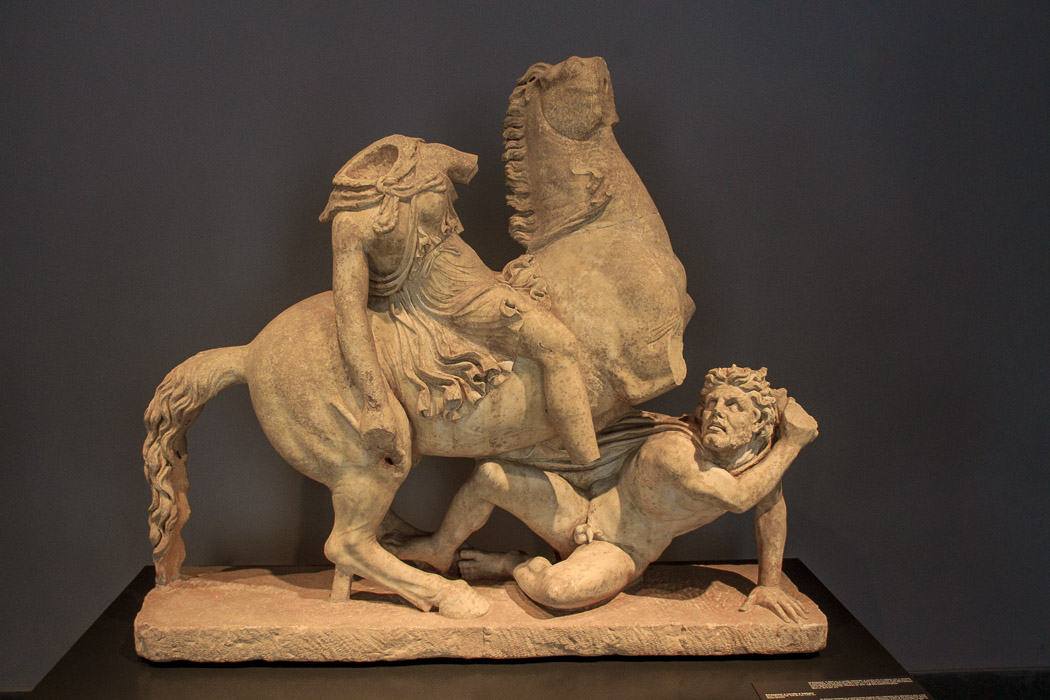
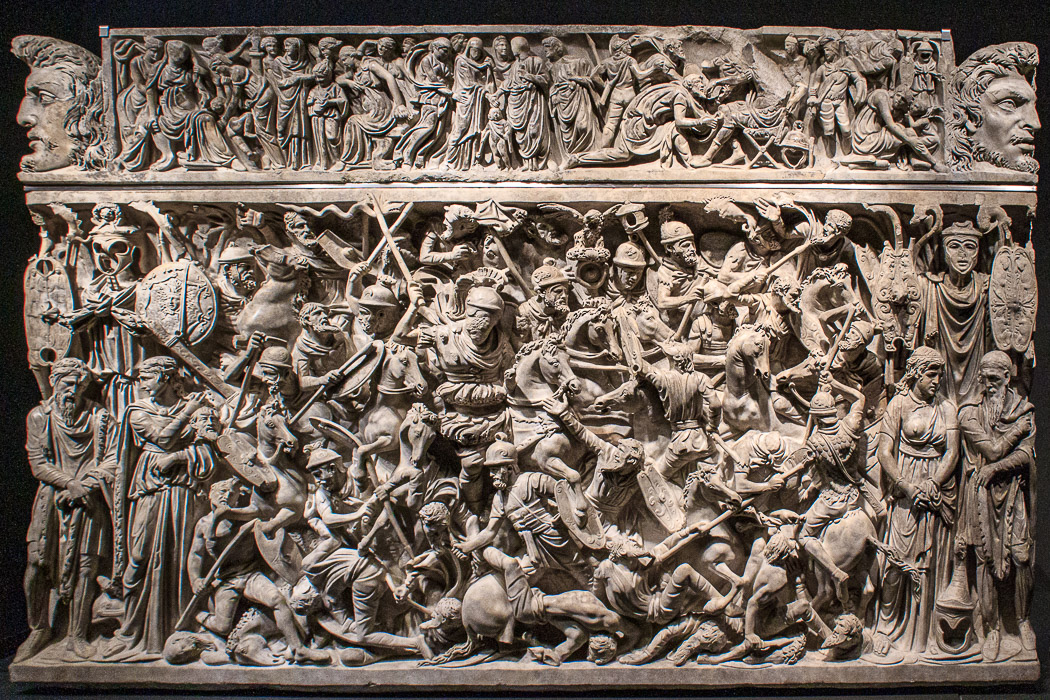
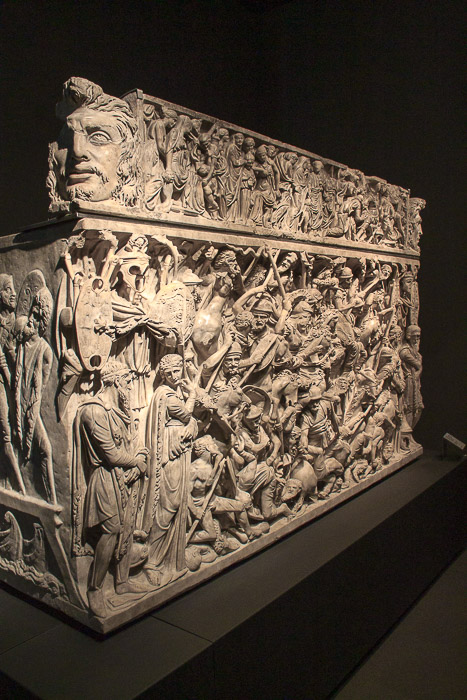
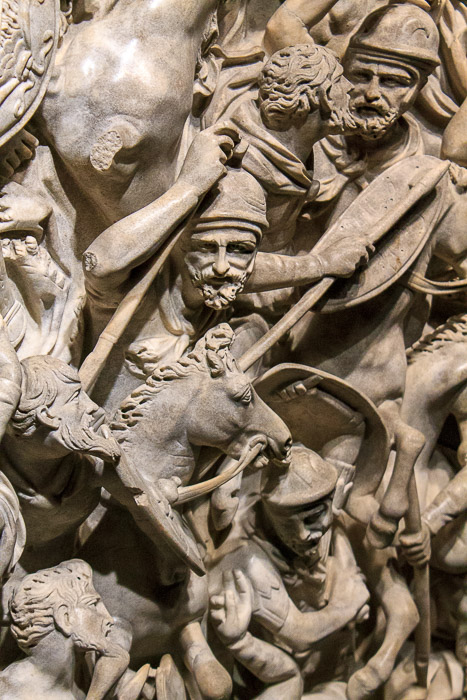
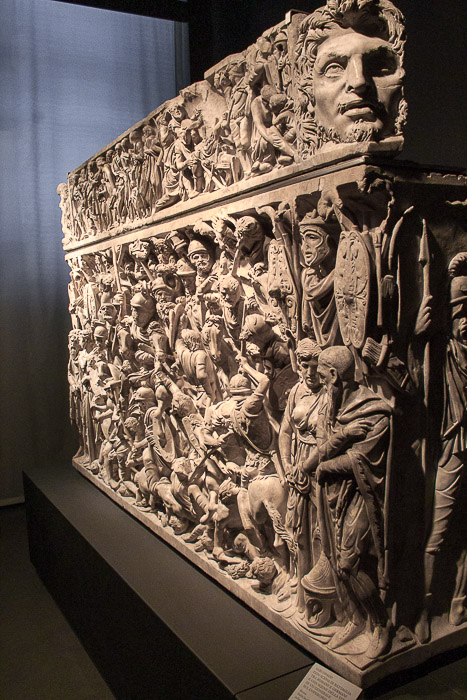
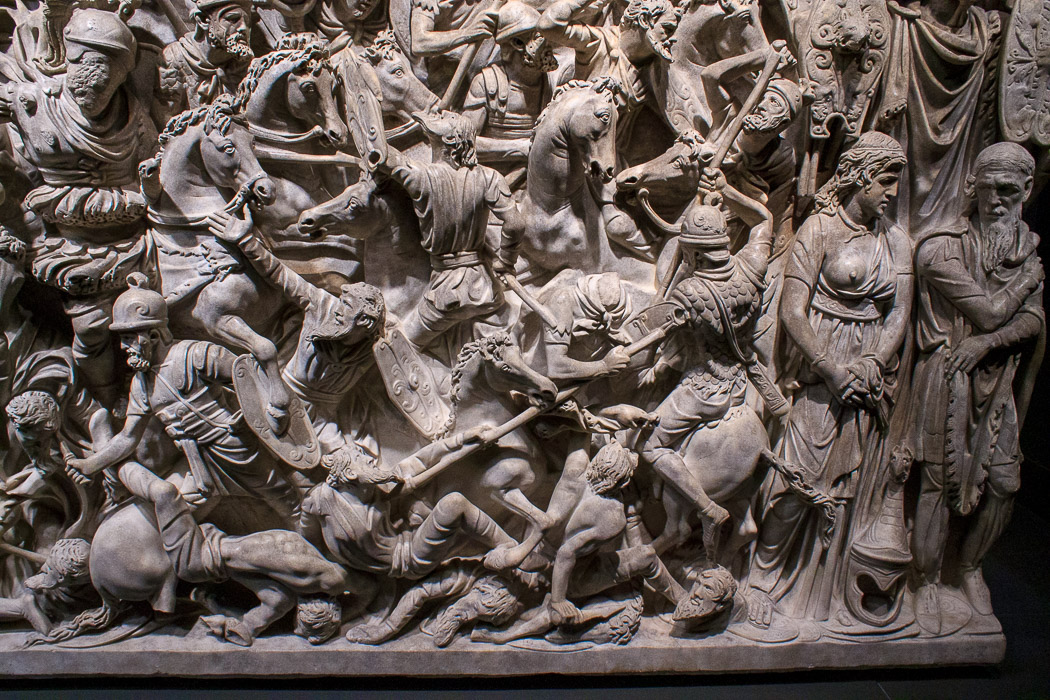
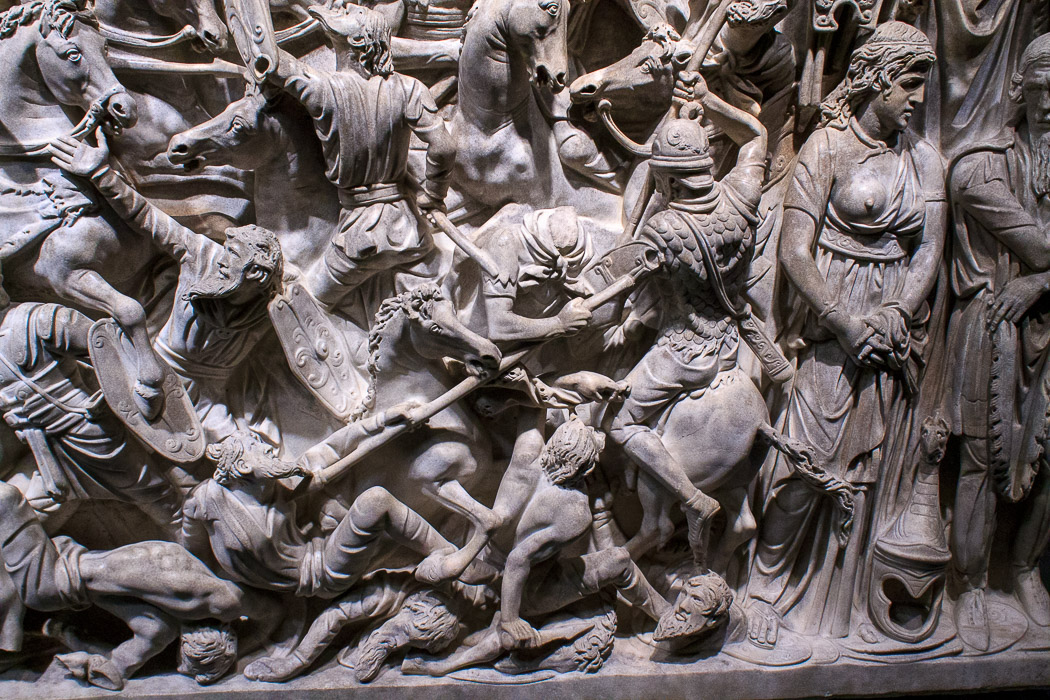
Room 12 is devoted to victories over the barbarians and is dominated by the incredibly epic and detailed sarcophagus found at Portonaccio, on the Via Tiburtina. It probably belonged to one of Marcus Aurelius's generals, Aulus Julius Pompilius, who died around 180 AD. The long side of the casket, photographed below, depicts a violent charge by the Roman cavalry that routed the Germans, led by the commander in the middle, and framed between two trophies set above two pairs of prisoners. The sculptor's drill has been used to create an exceptional play of light and shade, while the arrangement and expressionism of the faces conveys the drama of the clash.
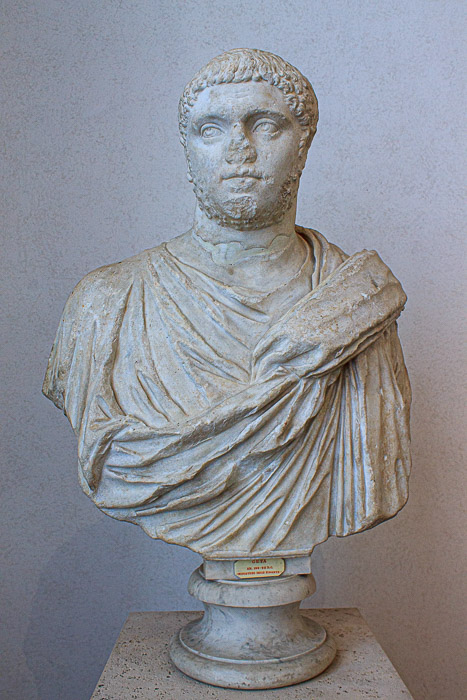
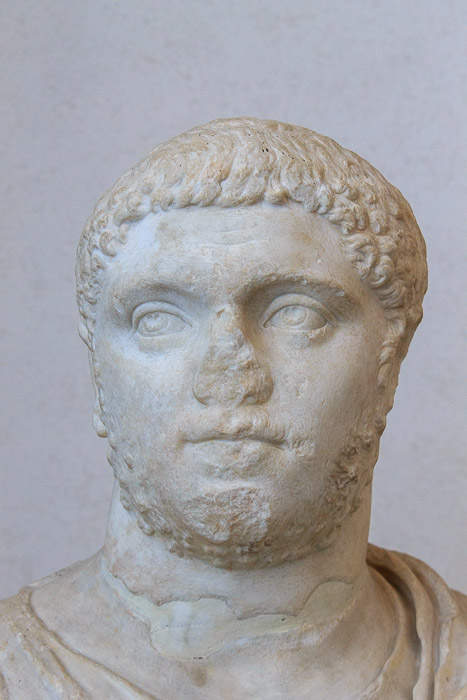
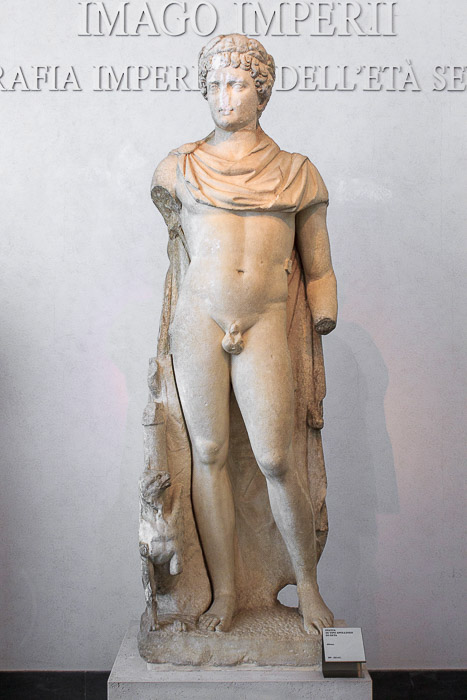
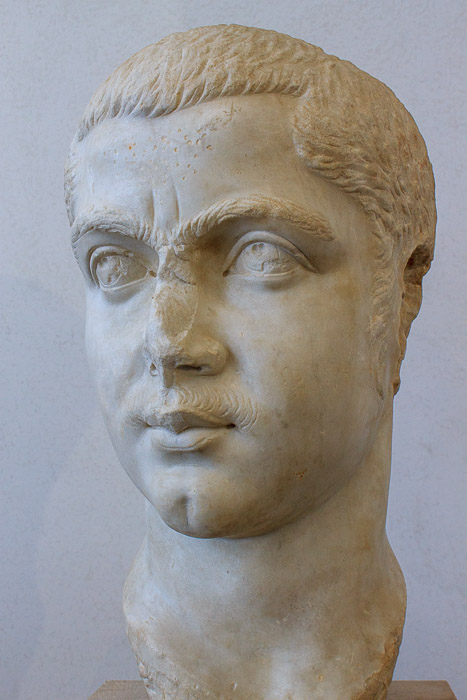
Room 13 features the Severan Dynasty, from 193 - 235 AD.
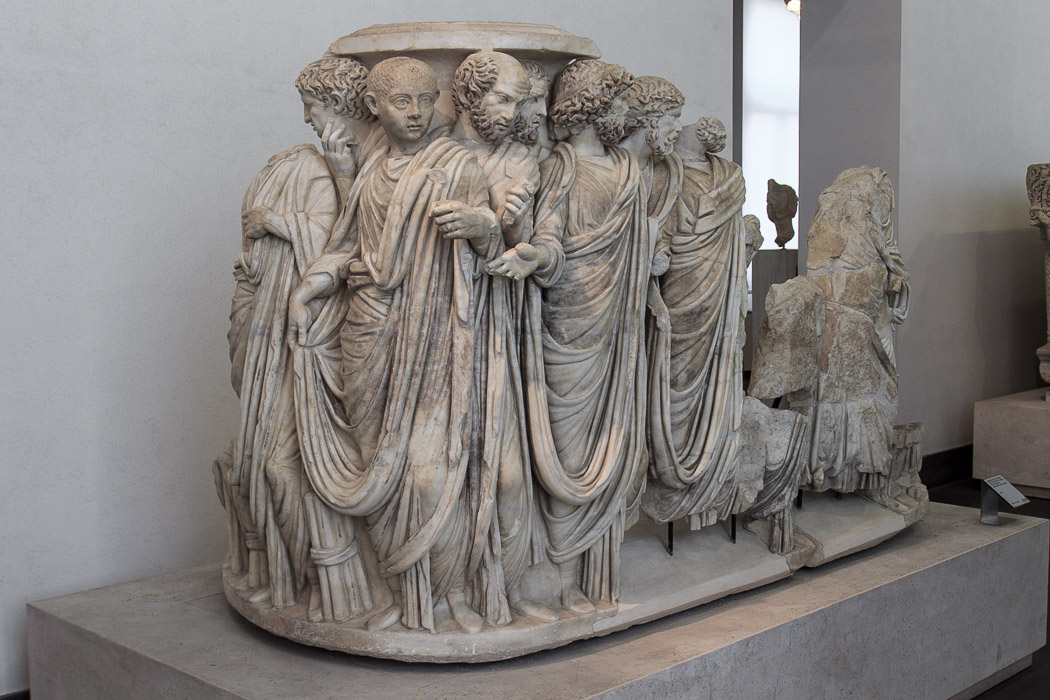
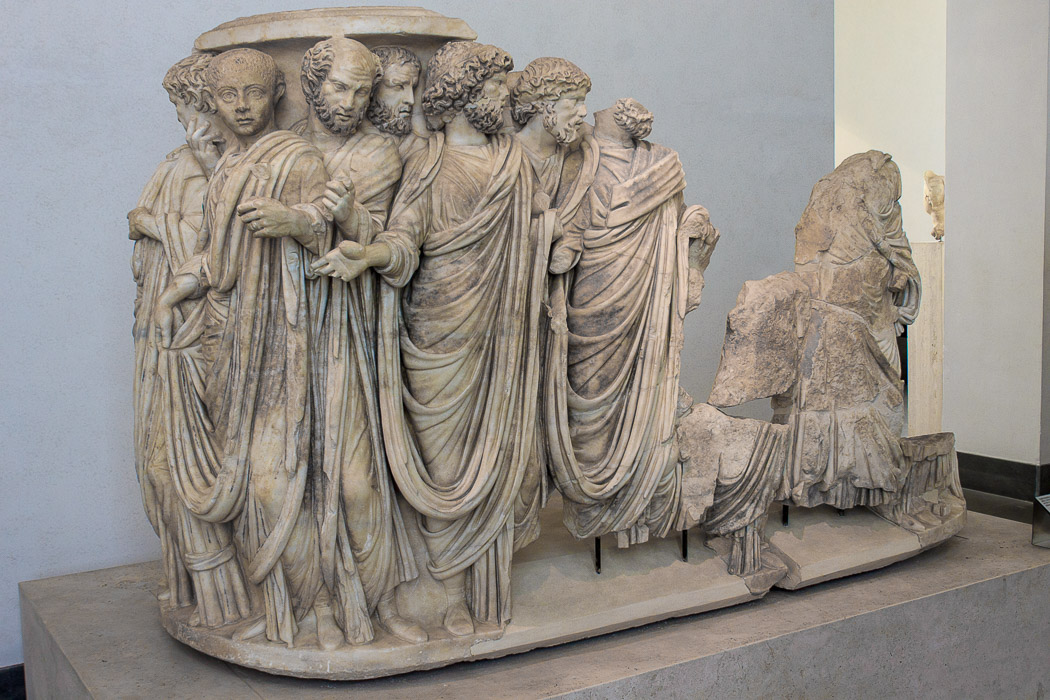
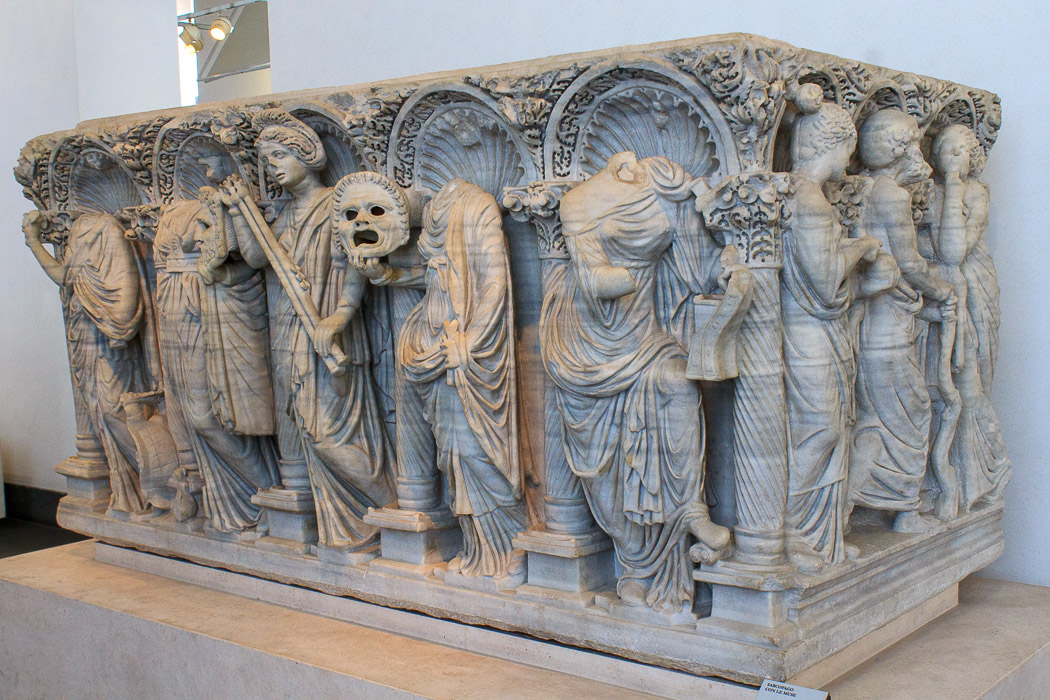
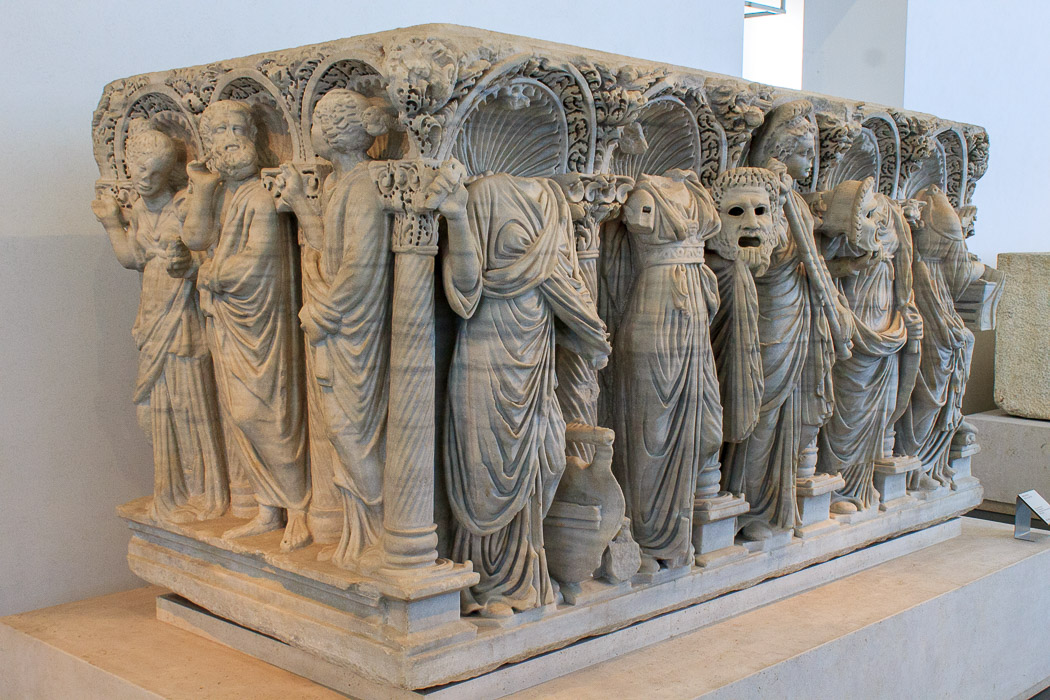
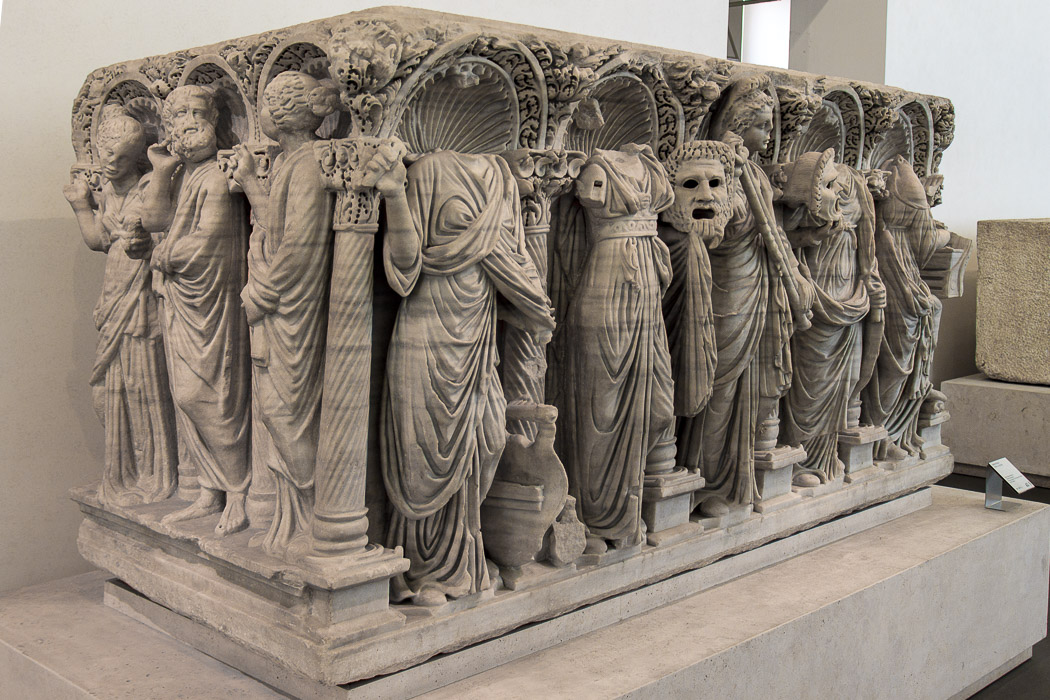
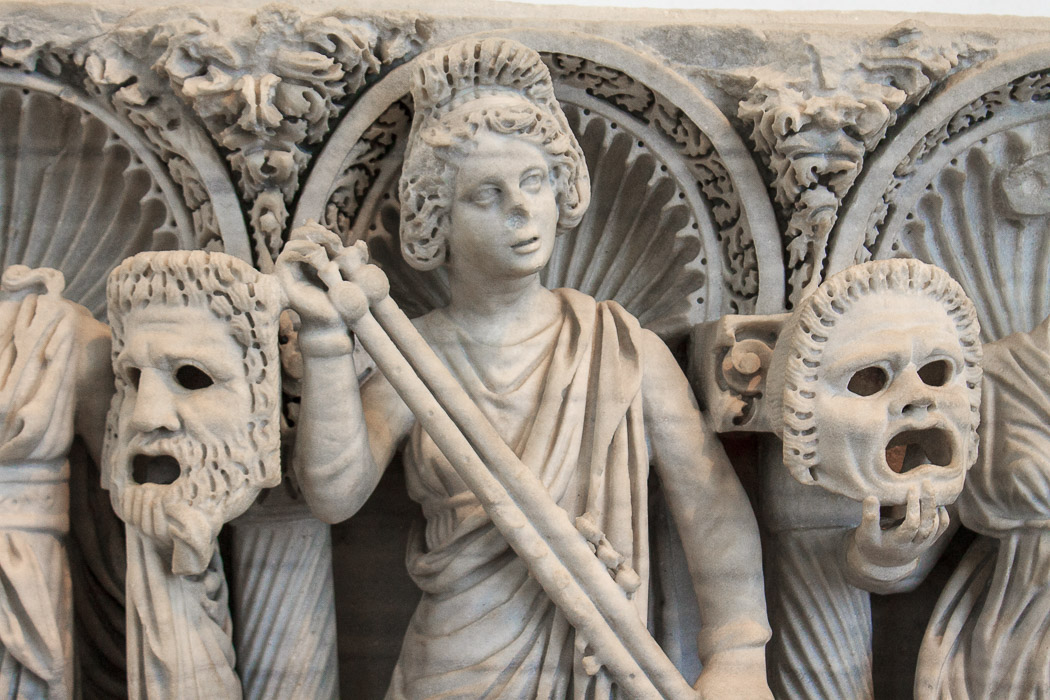
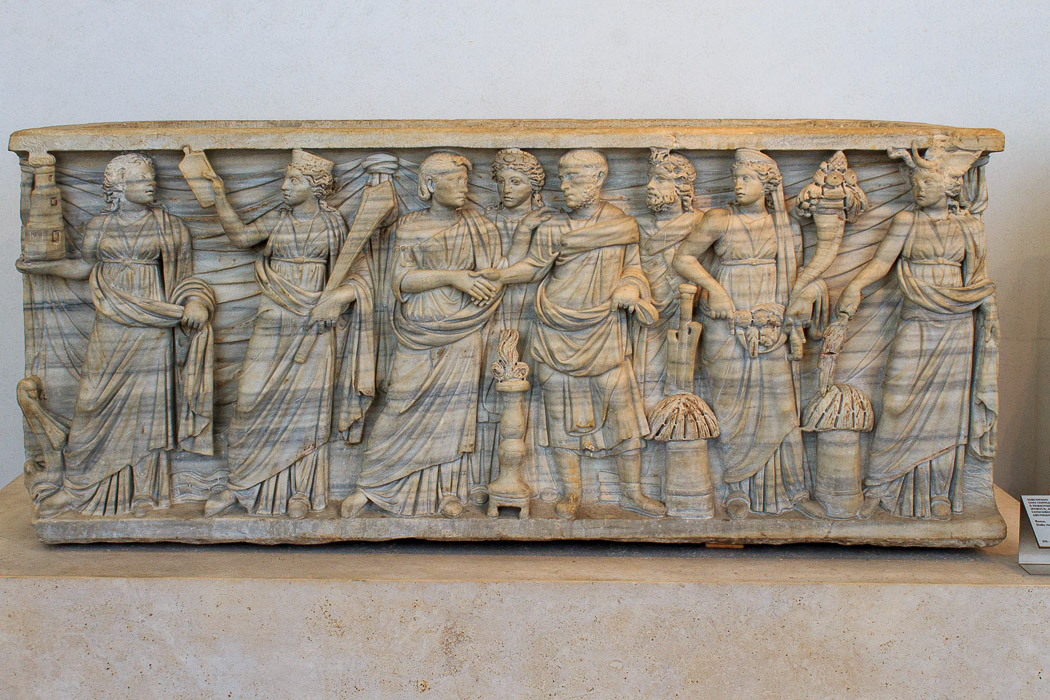
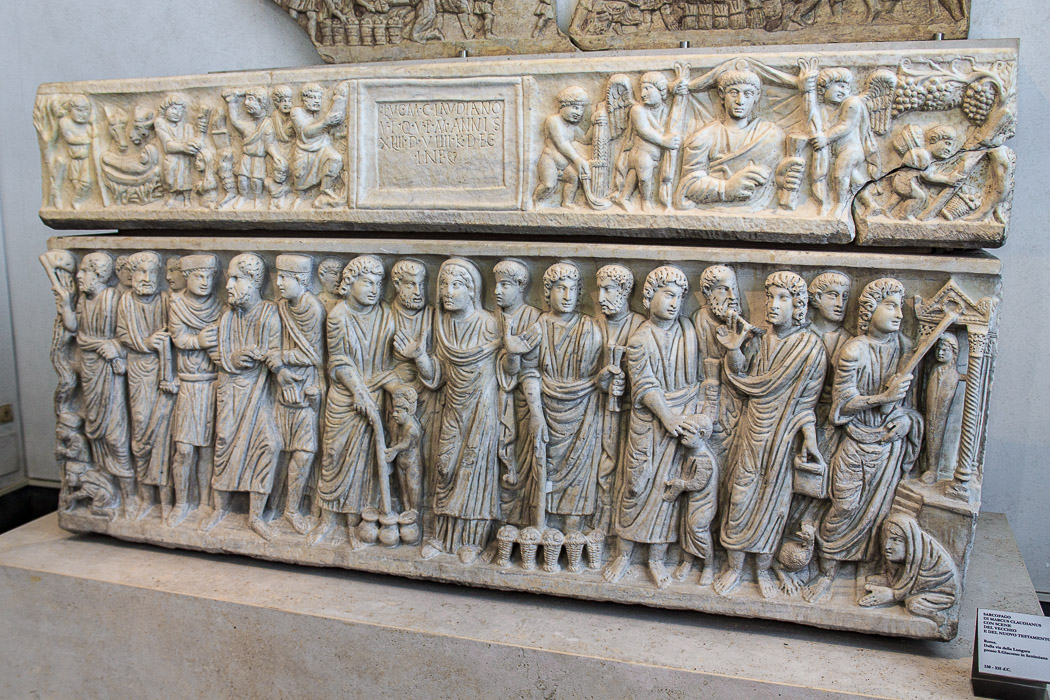
Room 14 shows objects from the empire after 235 AD, including 4 highly-detailed sarcogphagi.
And finally, Gallery 2 featuring portraits of women from the 2nd-4th centuries AD, and which I took no photos of, ends the first floor of the museum and also ends the part of the museum displaying sculptures. The second floor will feature paintings, frescoes and mosaics, probably the finest collection of these that can be found in all of Rome, and the basement will feature coins and jewelry.
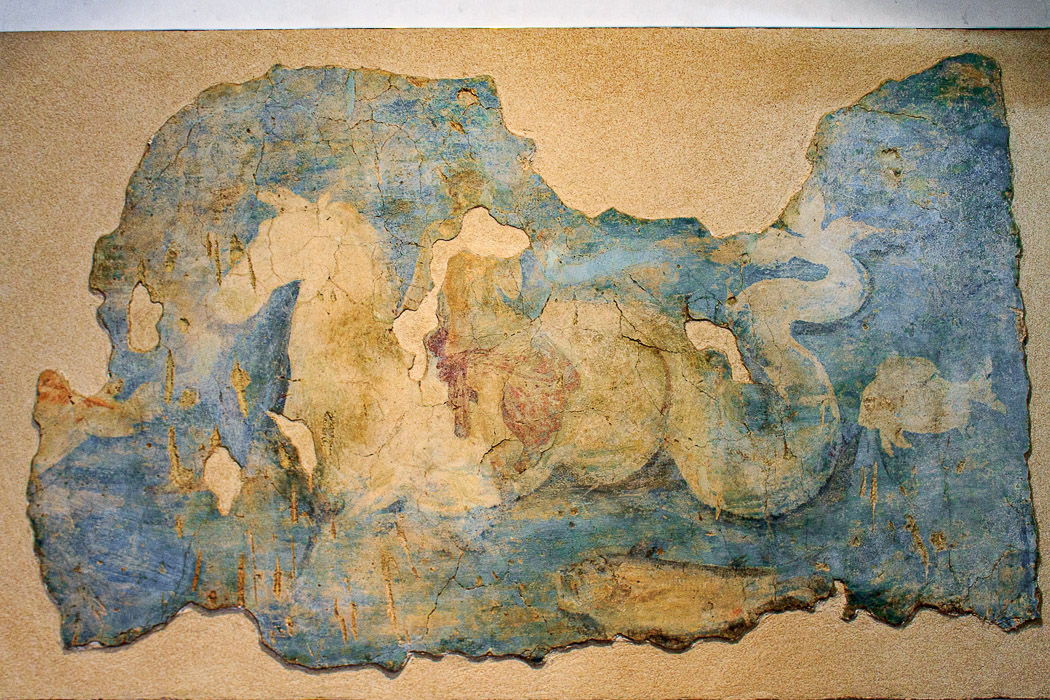
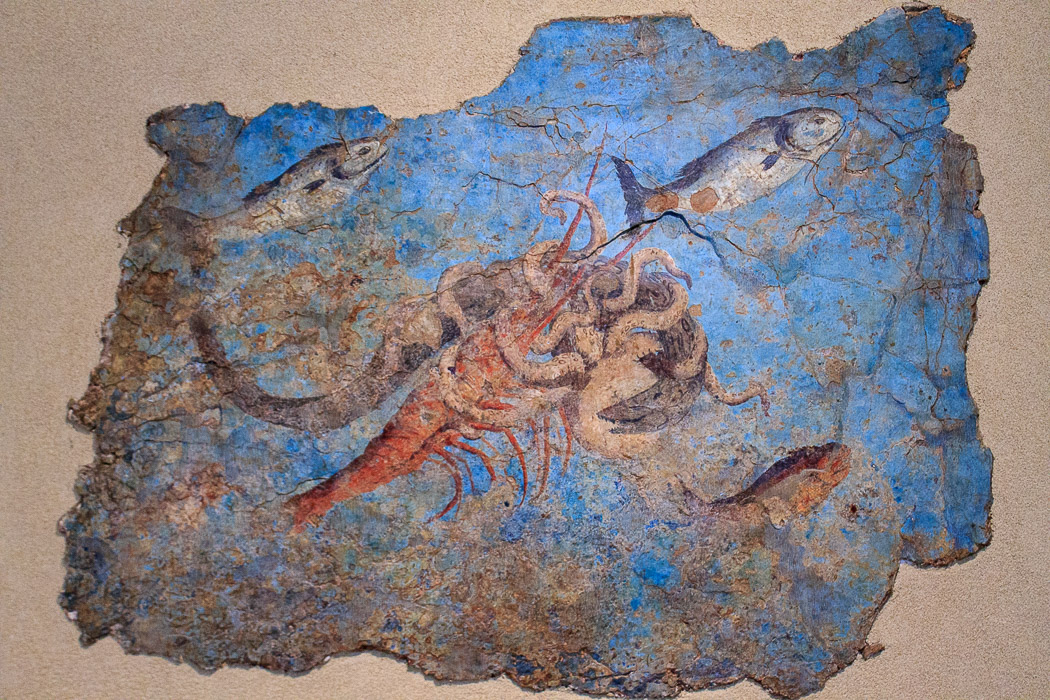
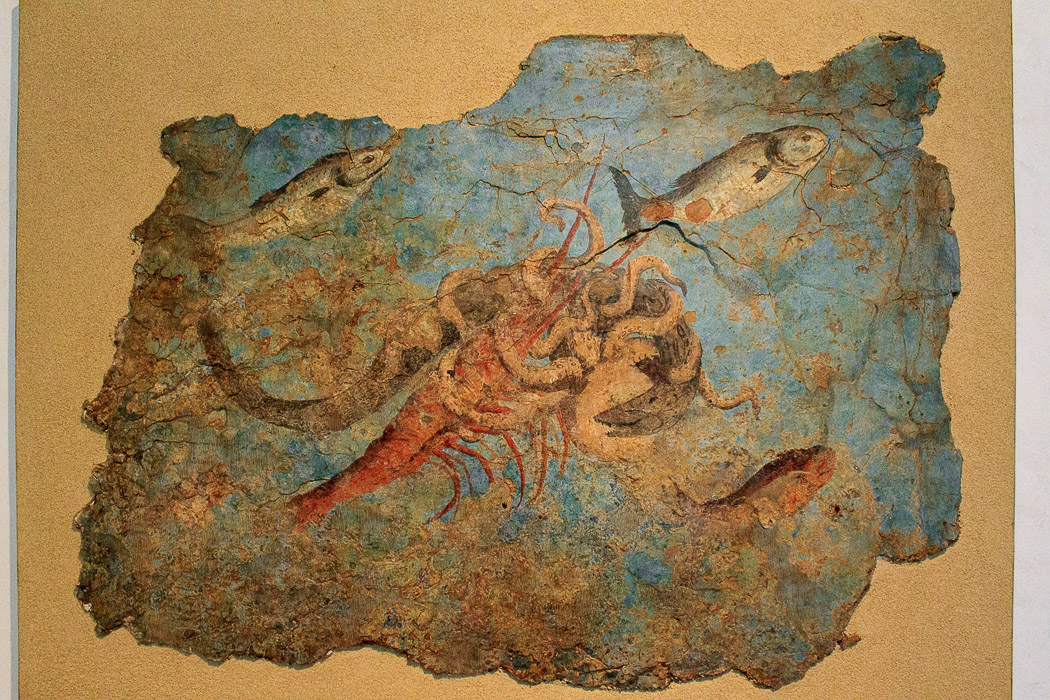
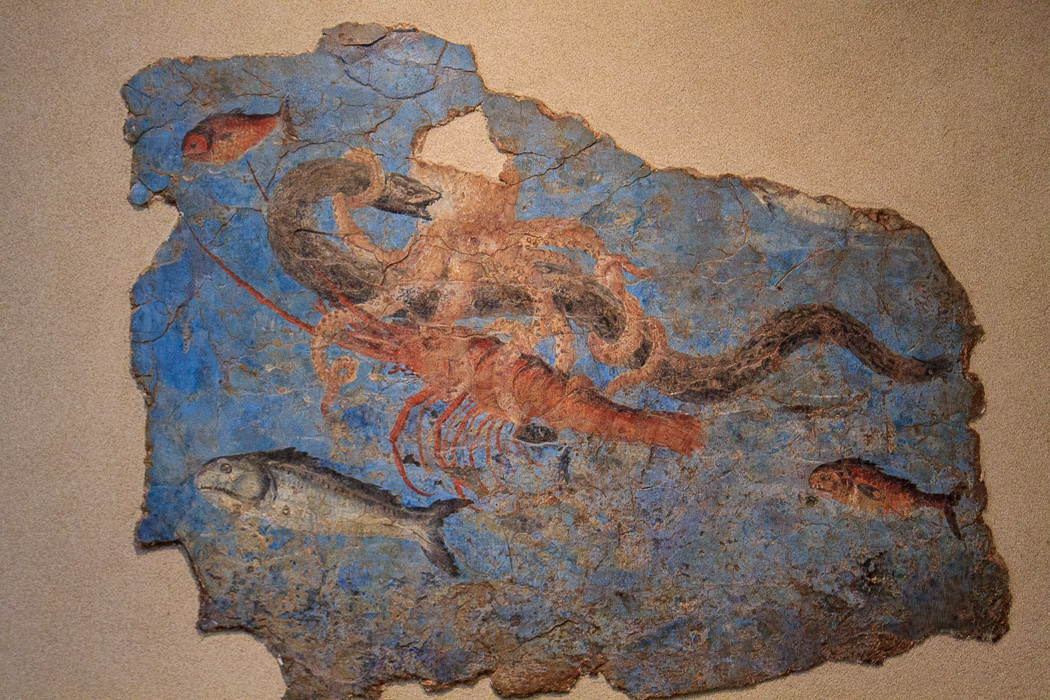
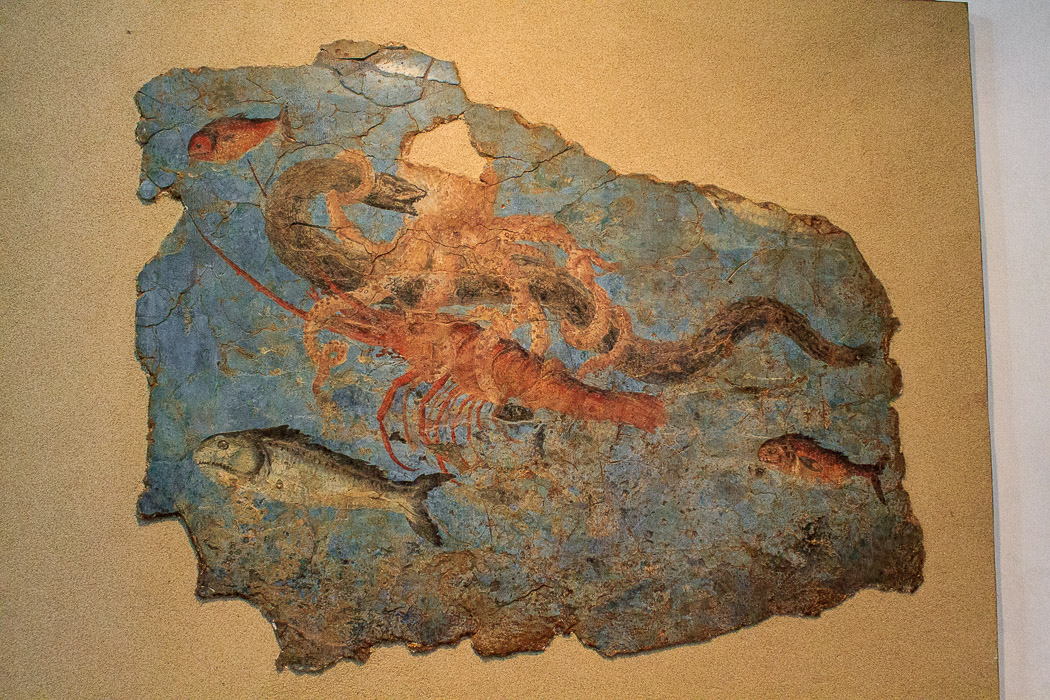
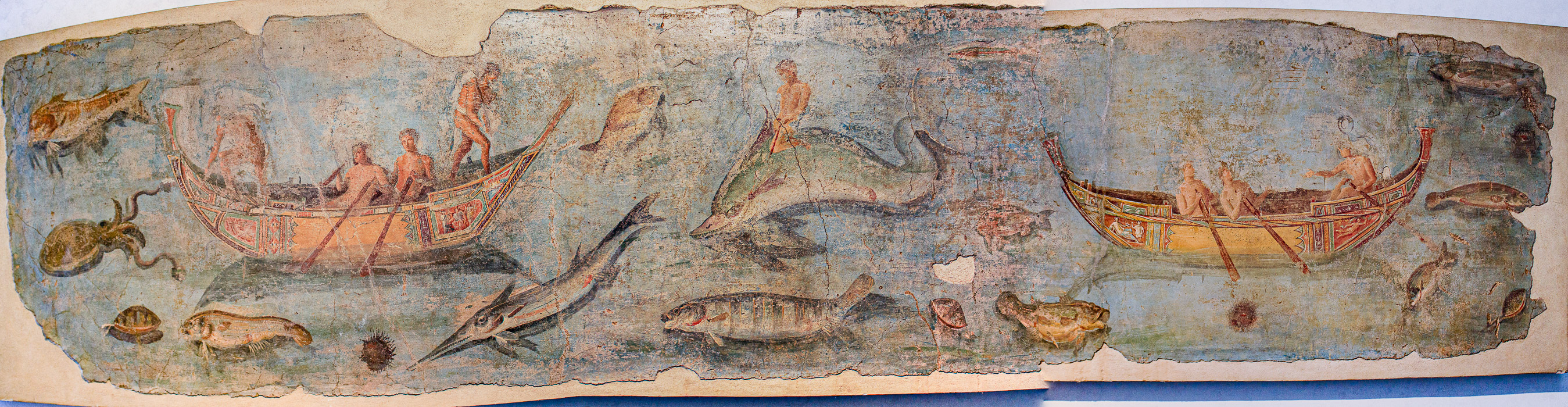
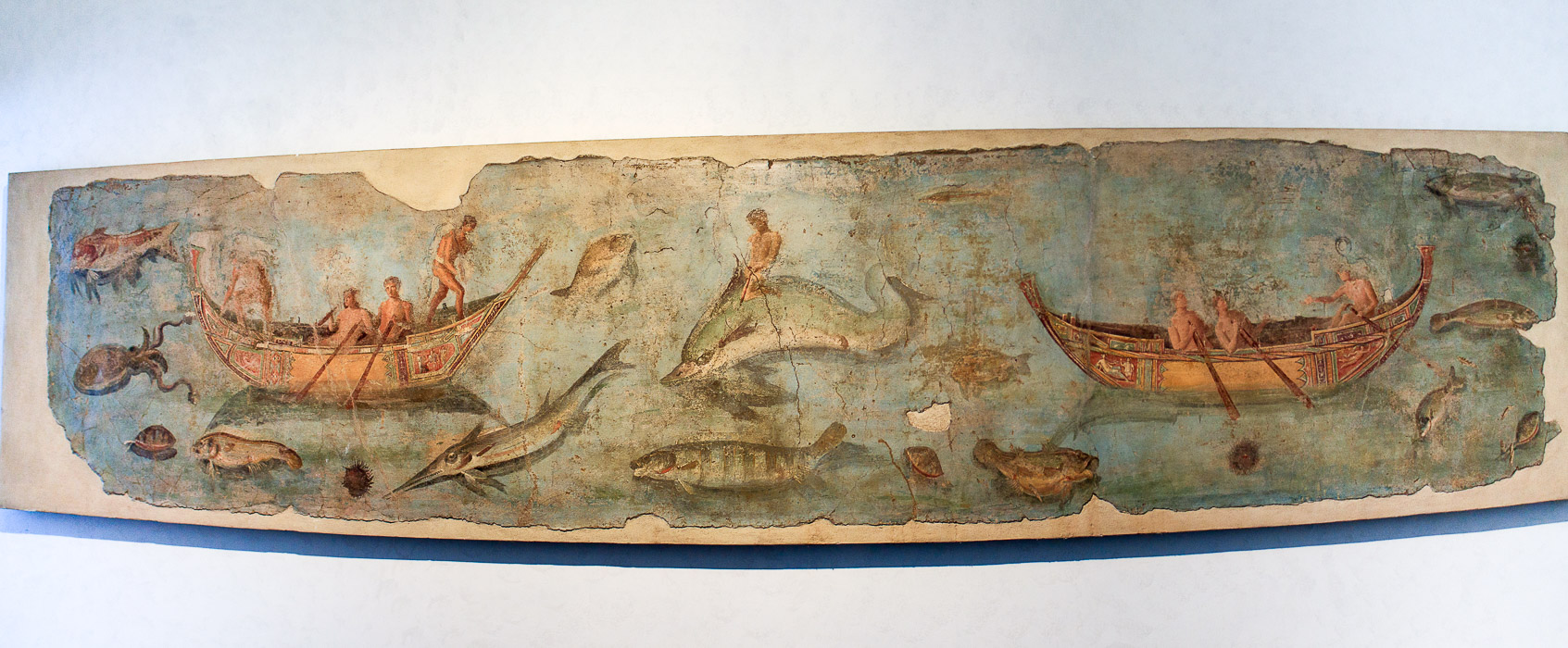
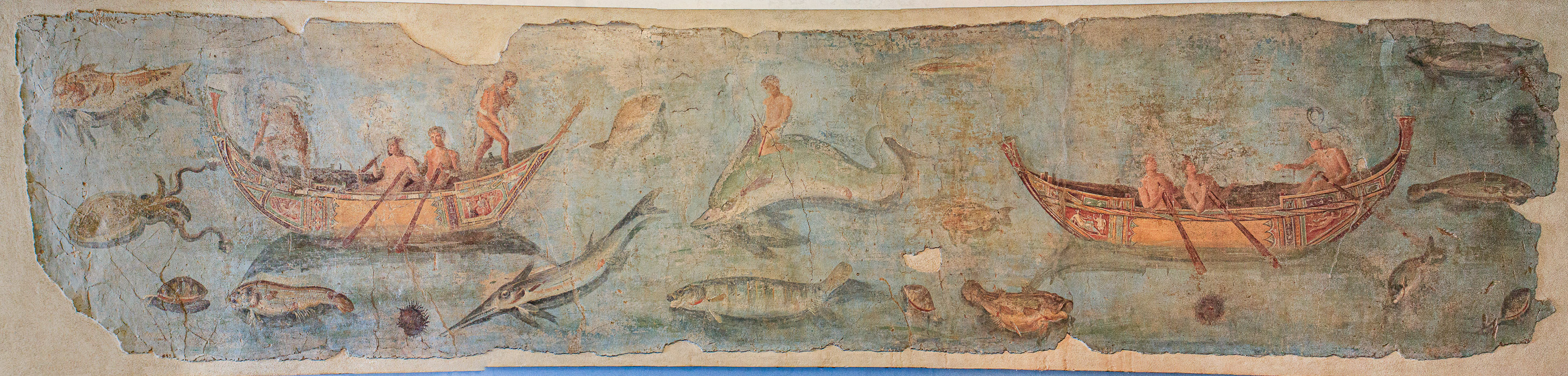
We'll start with the second floor's Room Near the Stairs (I have no idea why this room is not numbered), where we'll find fragments of frescoes with fishes and navigation scenes which were found in 1939 and 1940 in the area of Lungotevere of Pietra Papa, and probably were originally from about 130 AD.
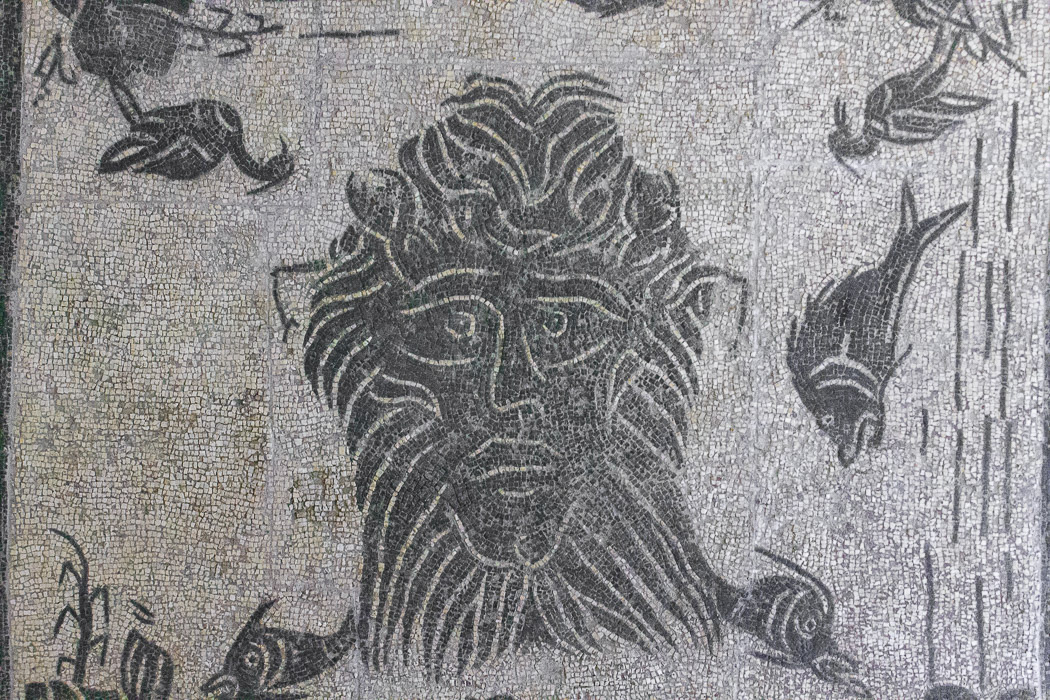
Gallery 1 is filled with mosaics.
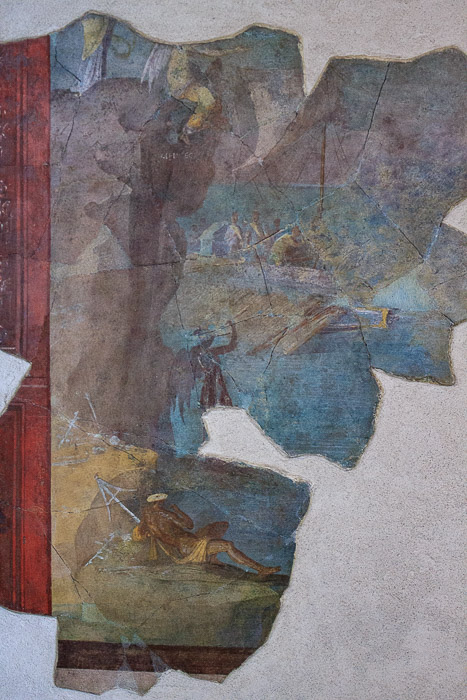
Room 1 features frescoes from Homer's Odyssey, shown in the photo below. Among the few preserved examples of 1st century BC wall paintings that decorated Roman houses and villas, these frescoes depicting scenes from the Odyssey represent a truly unique masterpiece. The frescoes were found during the excavation of a domus (house) on the Esquiline Hill and are dated to the end of the Republican period. The scene represents the famous story of Odysseus and the mermaids in which the Greek hero had his companions tie him to the main mast of his ship to resist the enchanted song with which the mermaids attracted sailors to wreck their ships. The scene is set in a vast landscape that derives from known Hellenistic models of the 2nd century BC. The landscape has stylistic affinities with the frescoes from the House of Livia on the Palatine, dating to about 30 BC. Some contemporary frescoes of a lesser quality found in Roman towns in the area around Naples and Vesuvius compare with the painting on display.
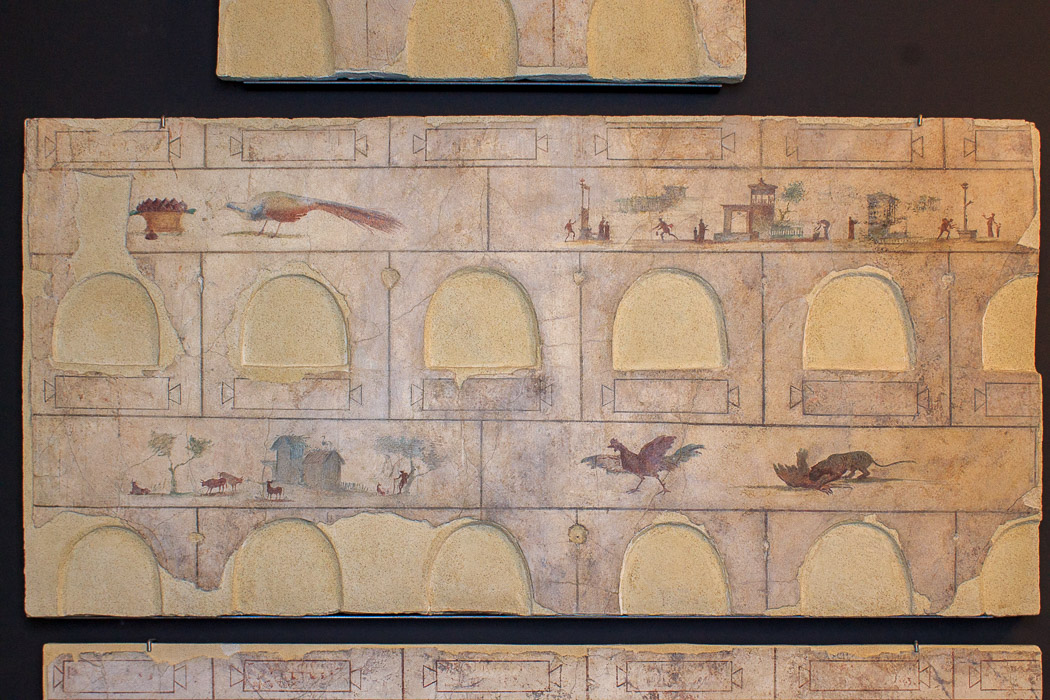
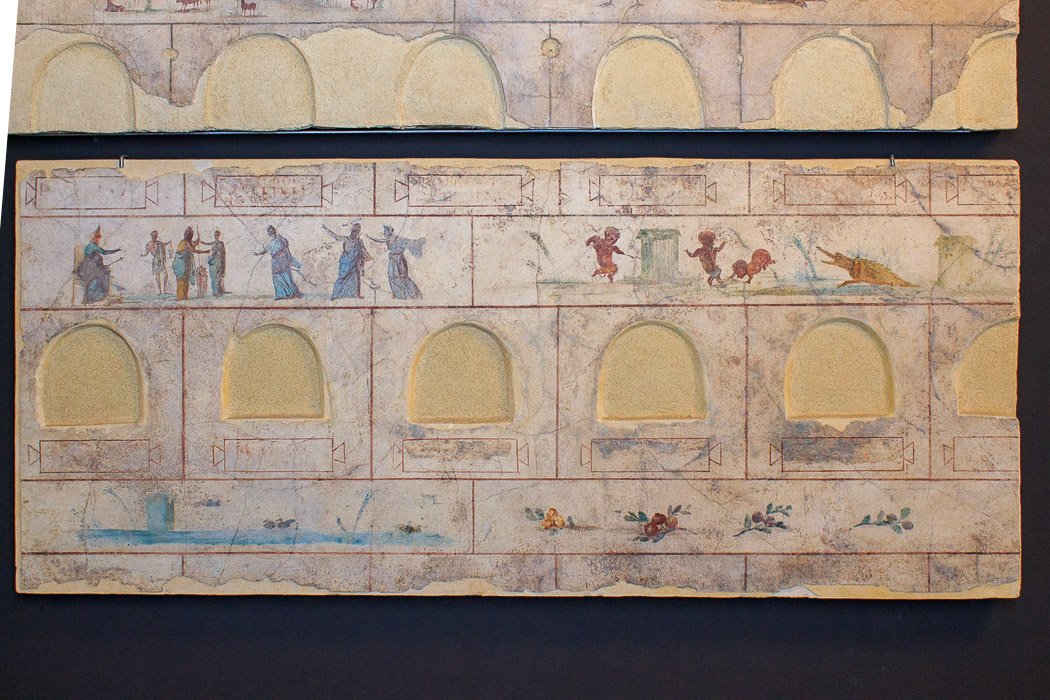
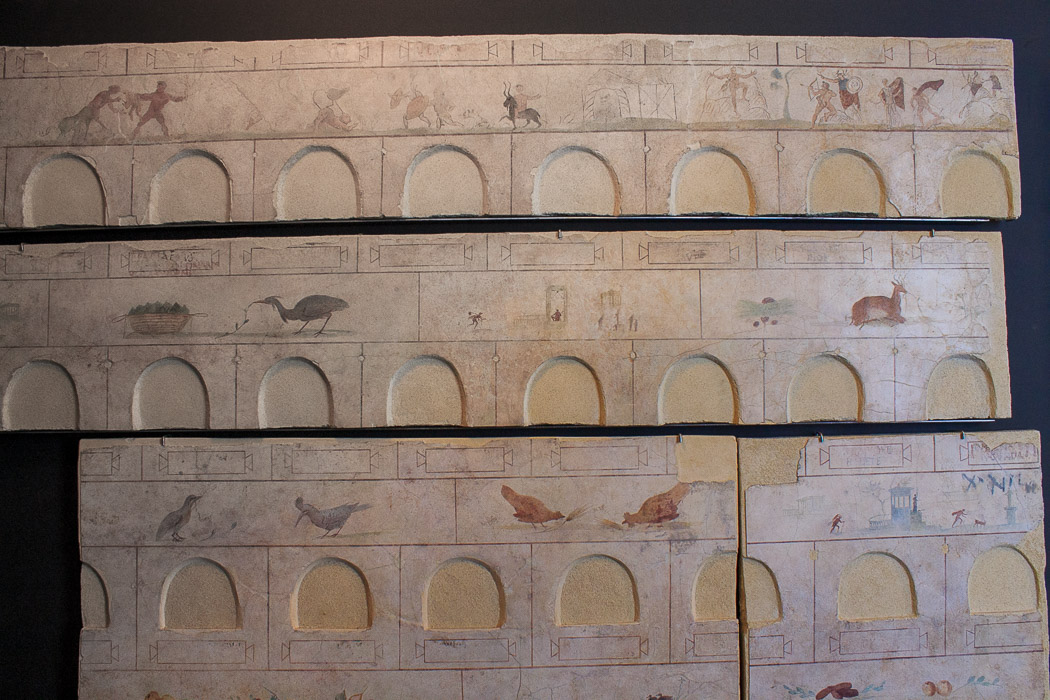
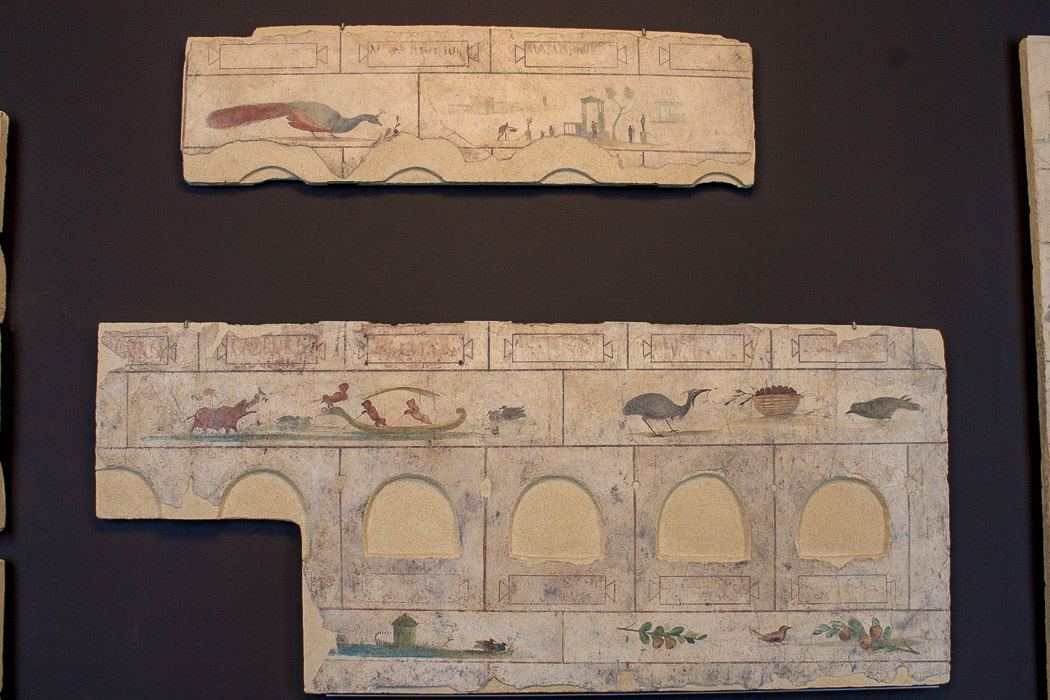
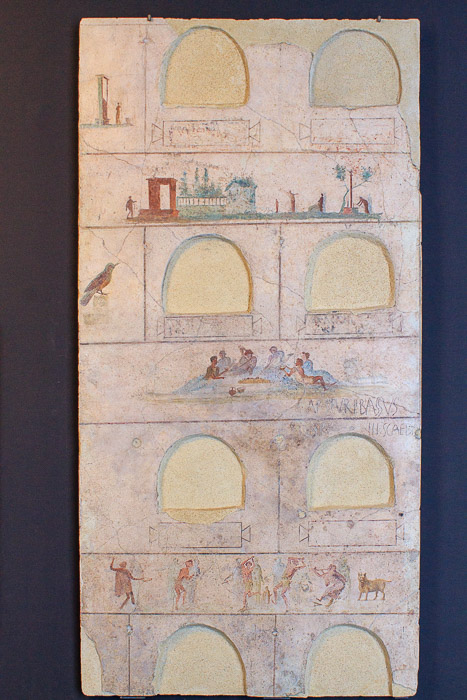
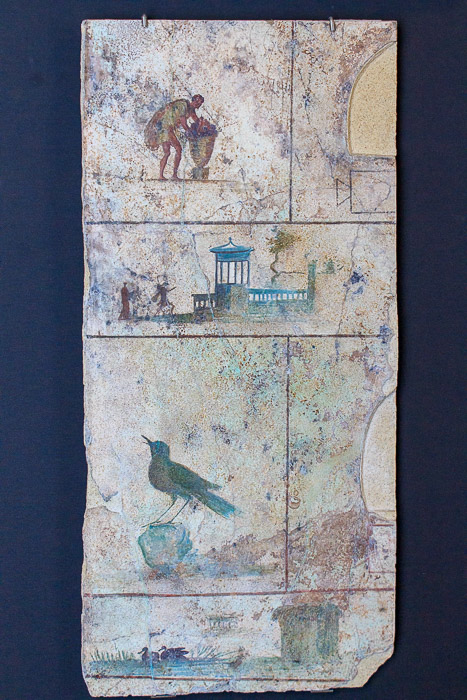
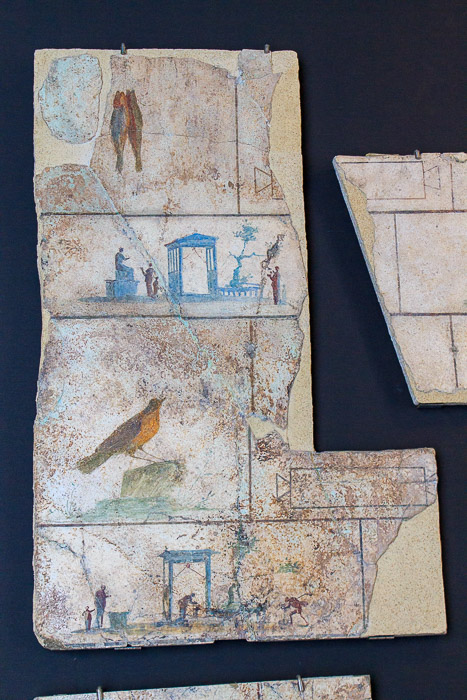
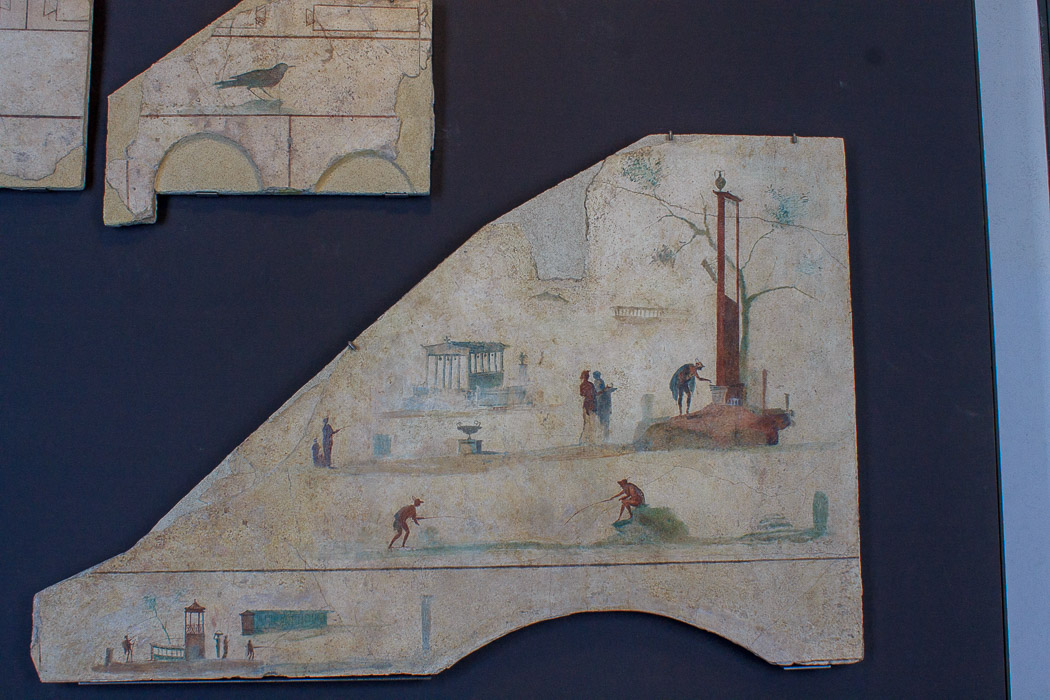
I think Room 1 also shows frescoes from the Large Columbarium in Villa Doria Panphilj, but those might have been in Gallery 1. In any case, I've displayed them below. A columbarium is a type of tomb, often partly underground, with walls lined by niches that hold terracotta urns containing the ashes of the dead. This columbarium, from the western slopes of the Januculum Hill. It was excavated in 1838, and in 1922 the frescoes were removed and re-assembled in the National Museum of Rome, Terme di Diocleziano, then subsequently moved here.
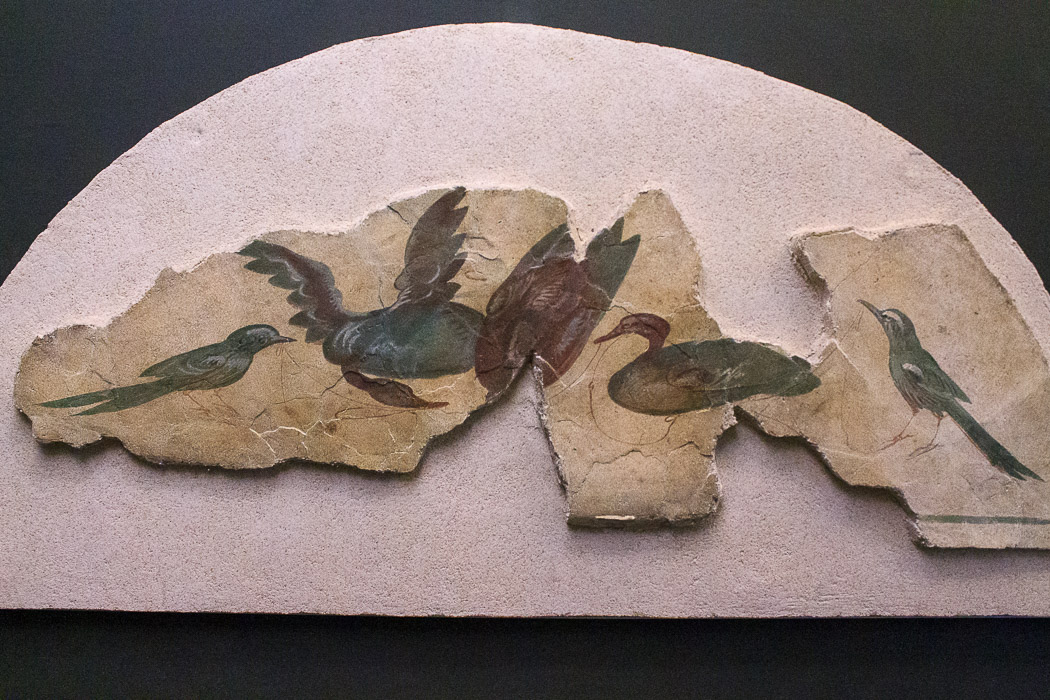
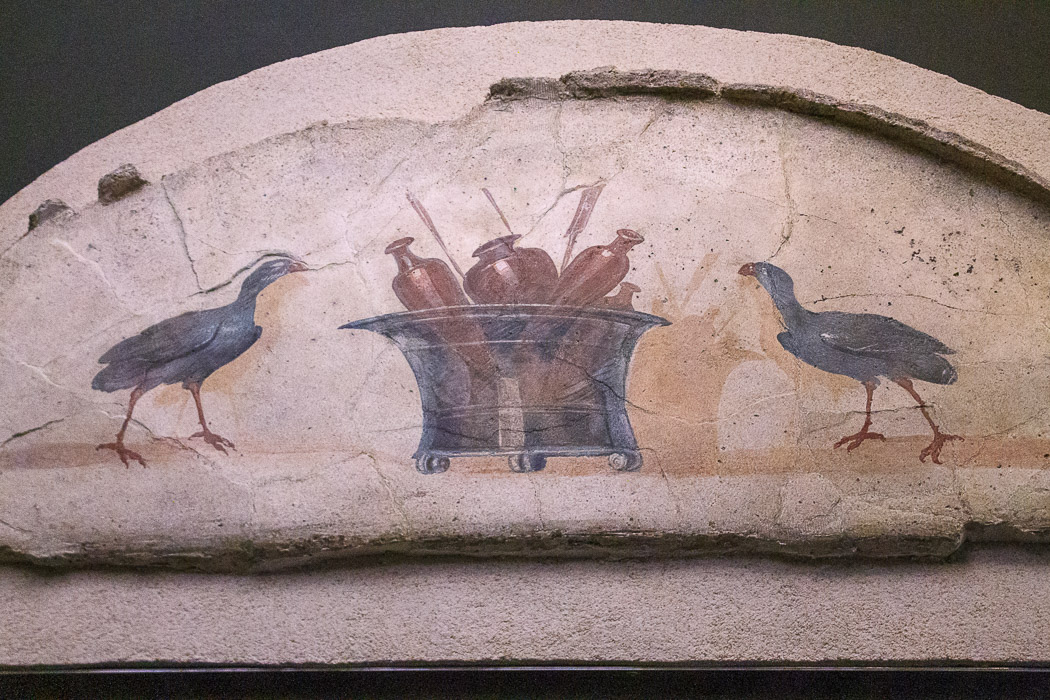
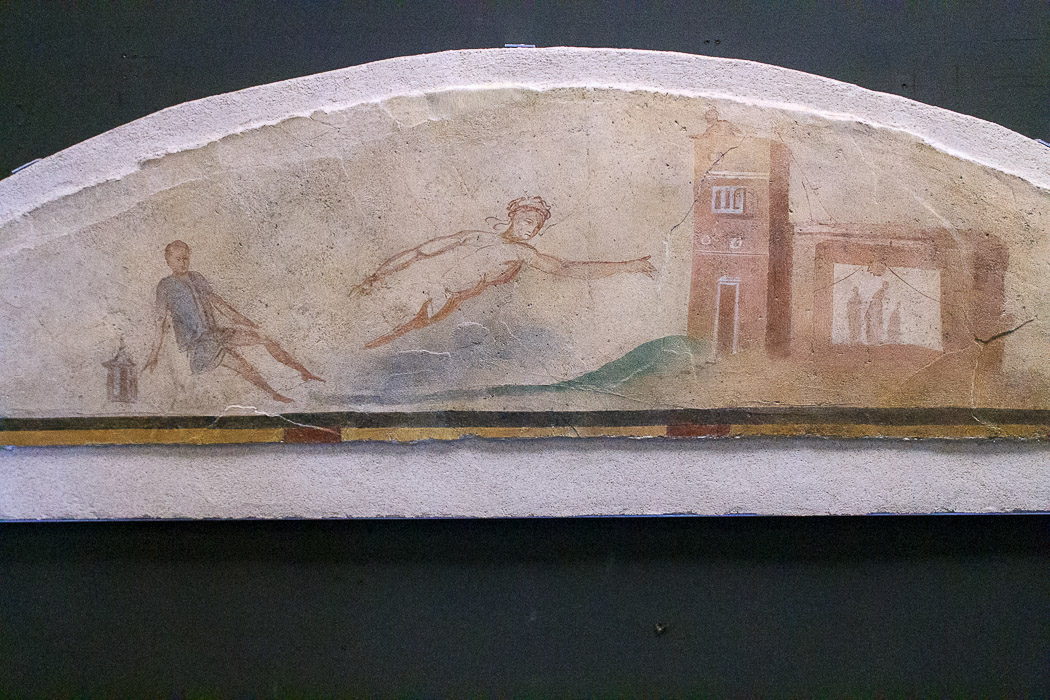
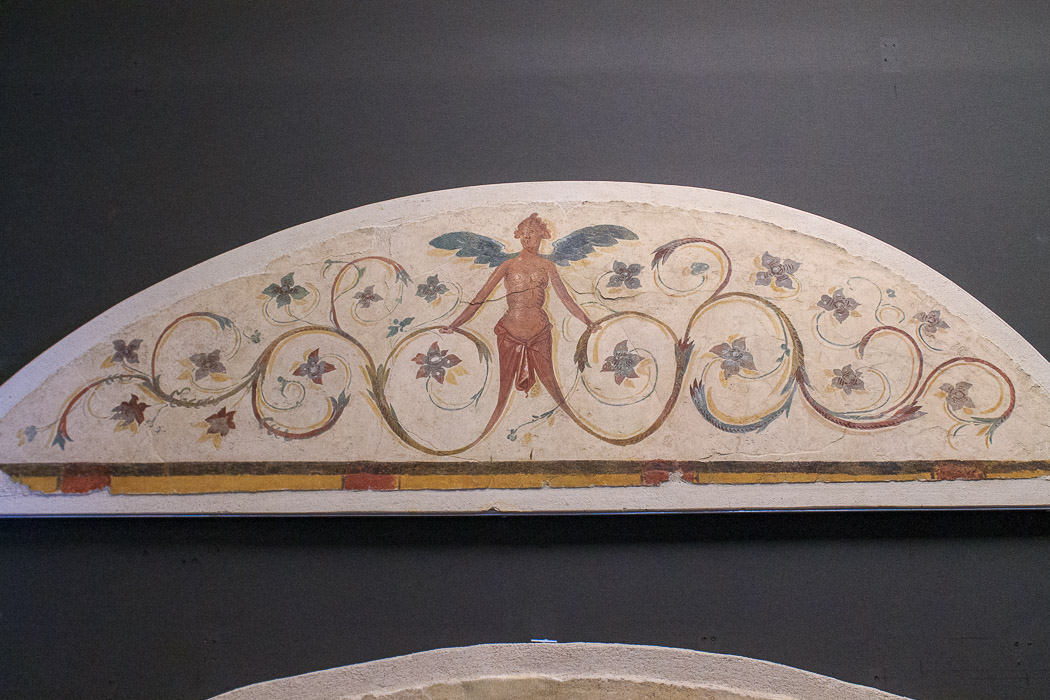
Room 1 (or maybe Gallery 1) also displayed these lunettes from the walls of a tomb discovered in the early 20th century at Morlupo, which is no longer visible and is only known from a description written at the time of discovery.
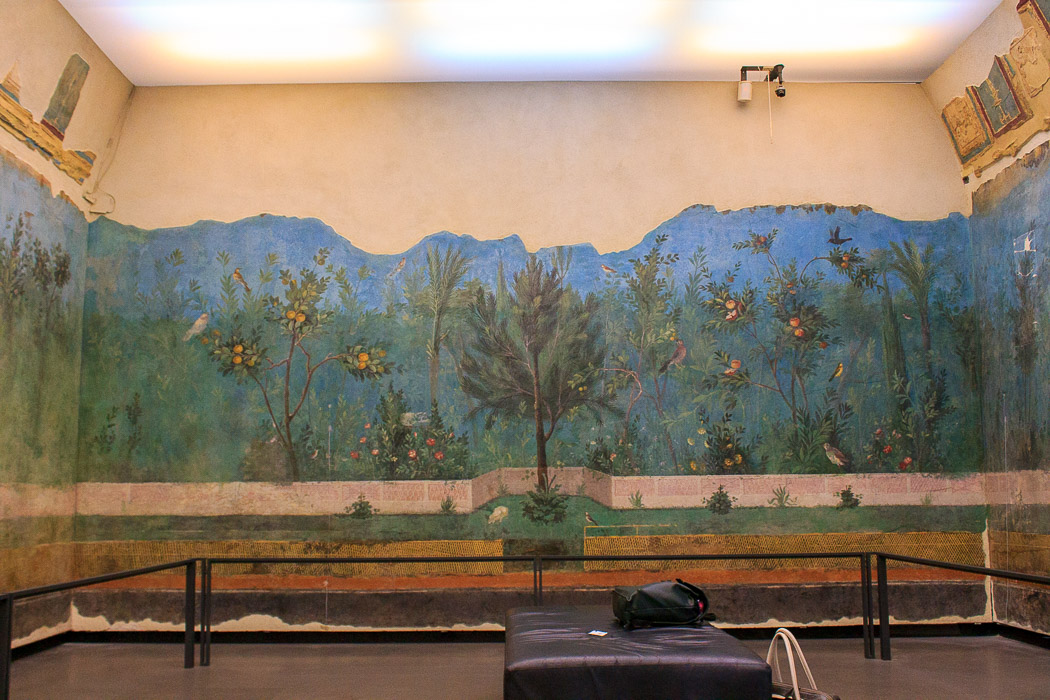
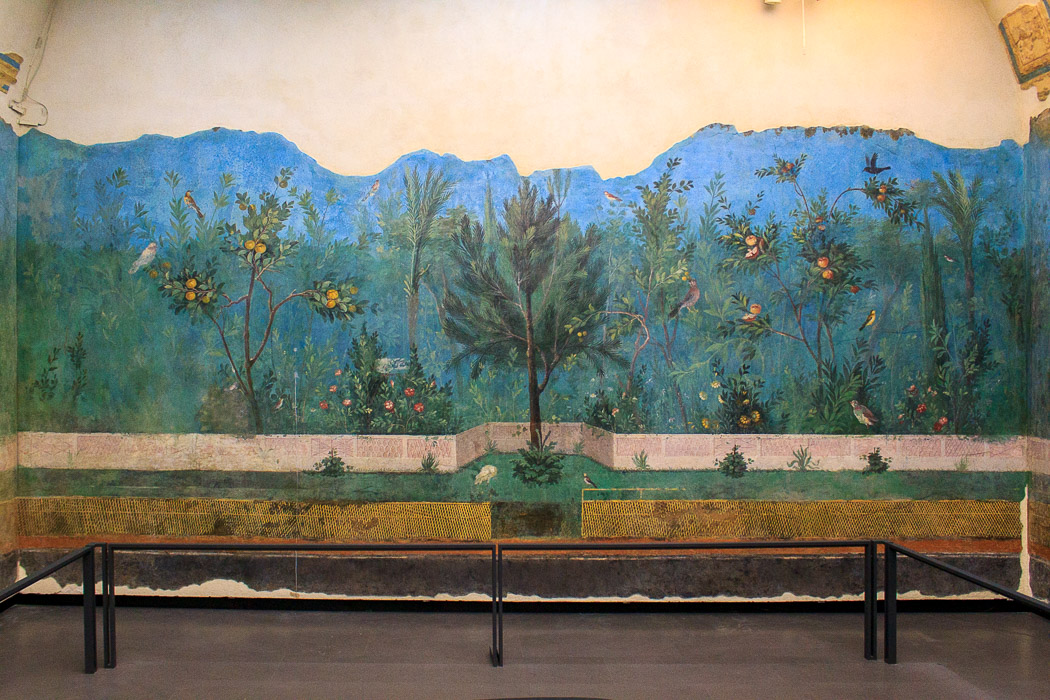
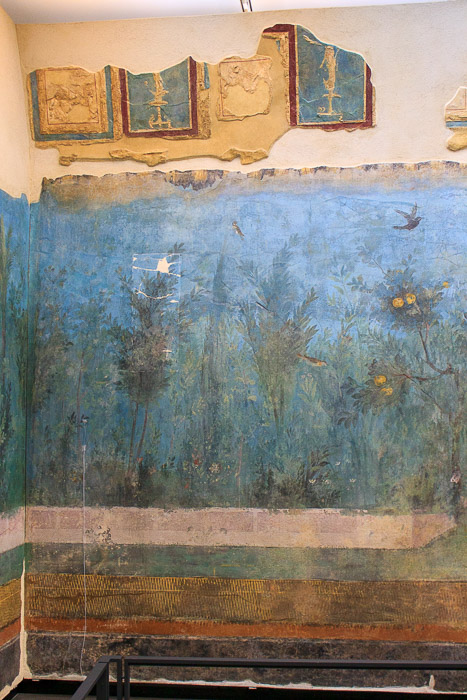
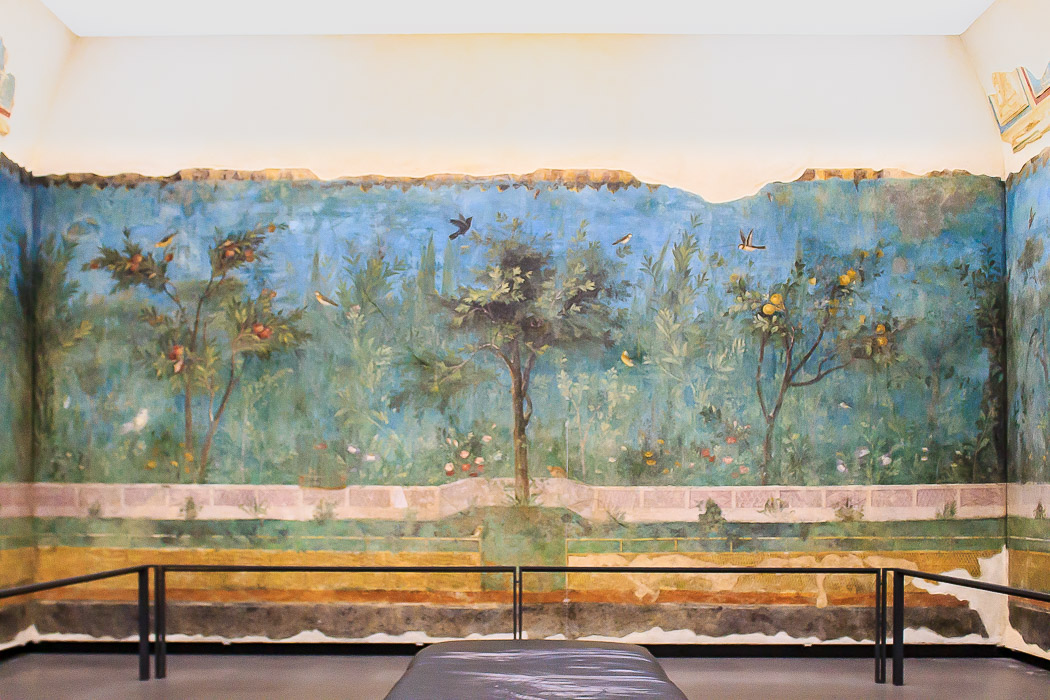
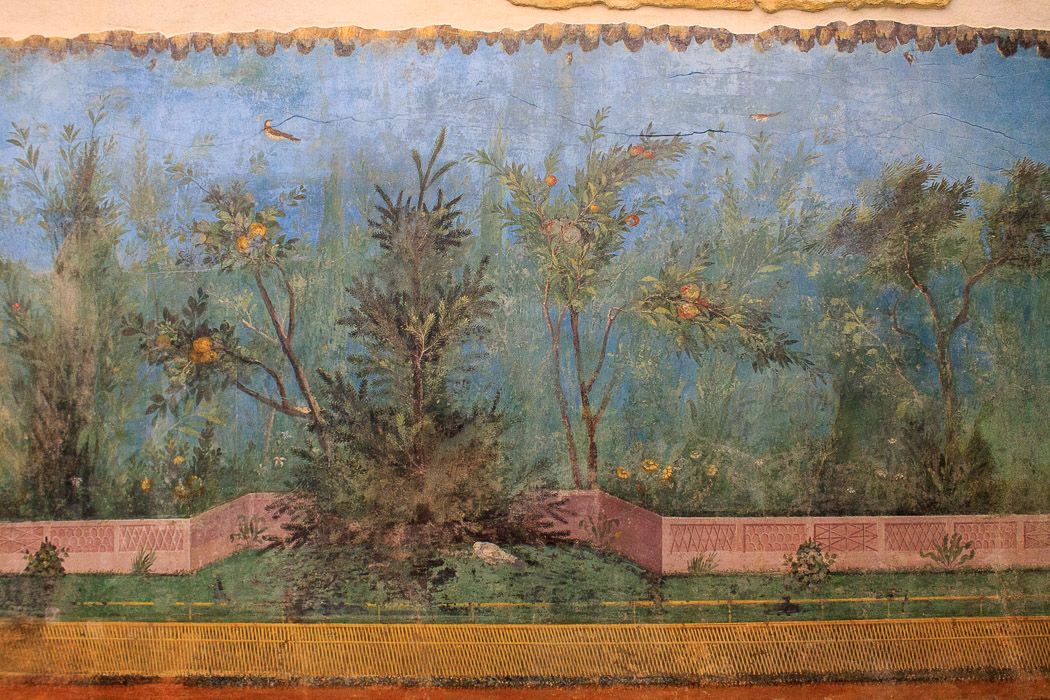
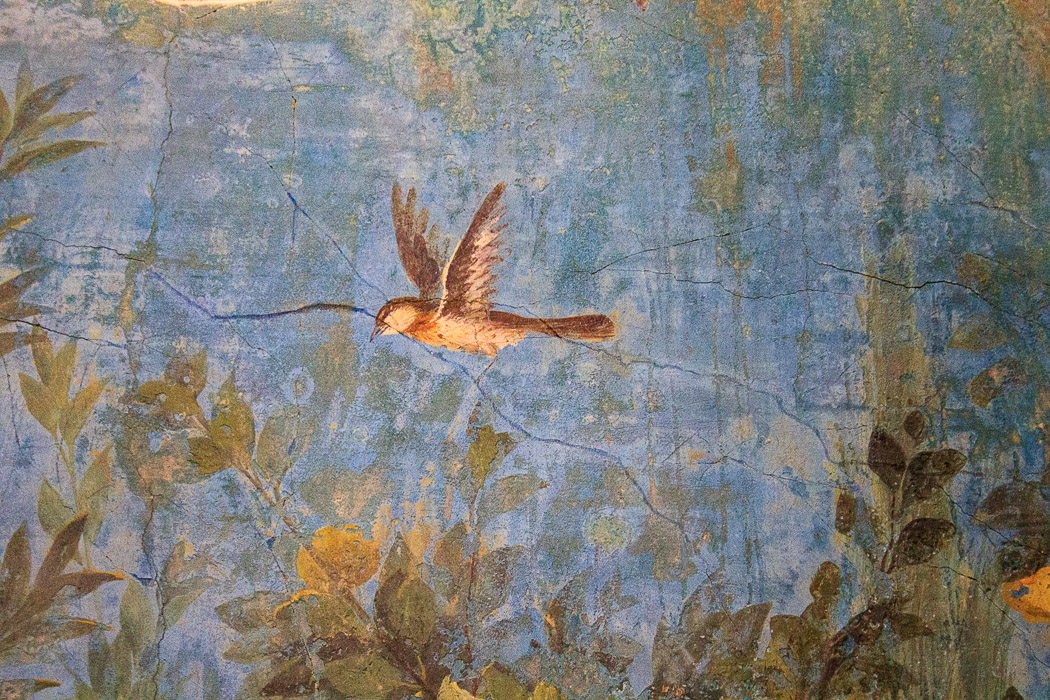
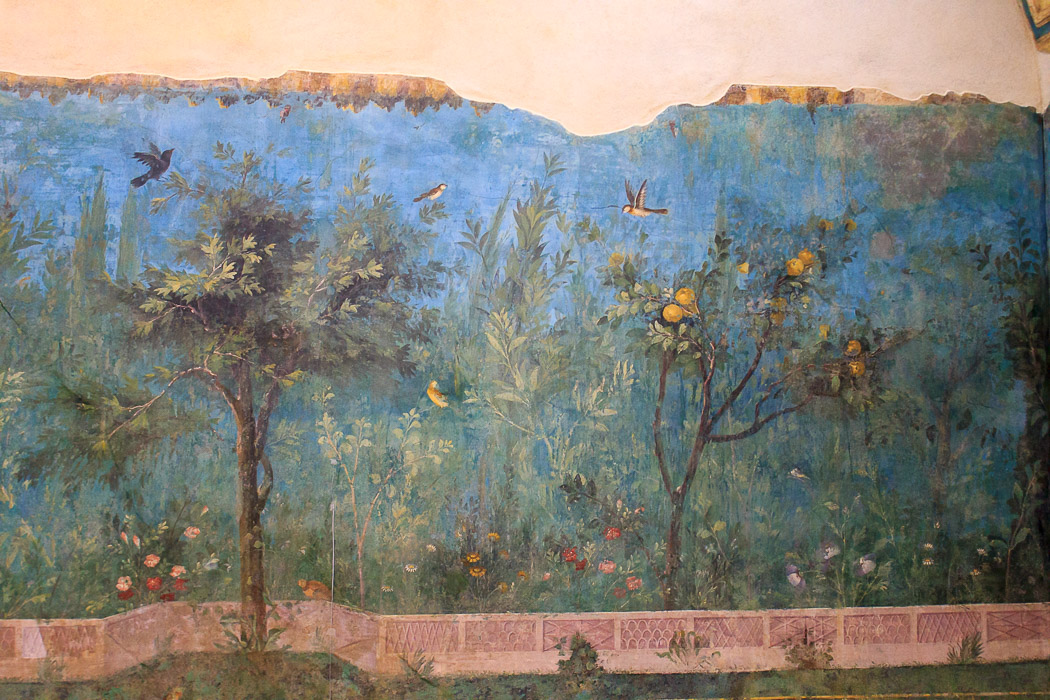
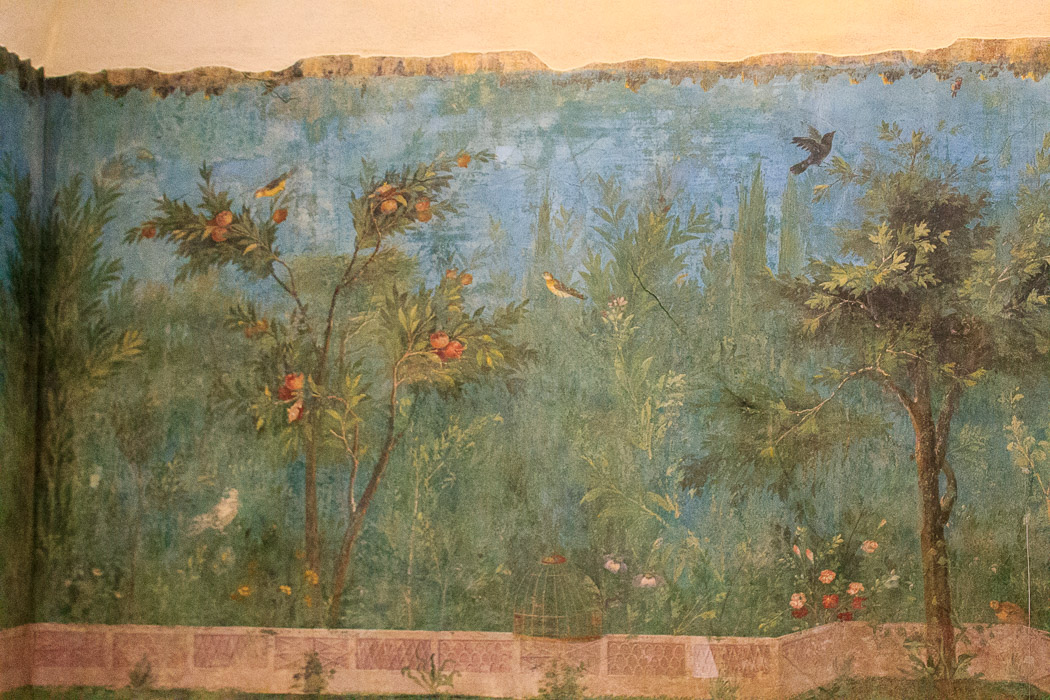
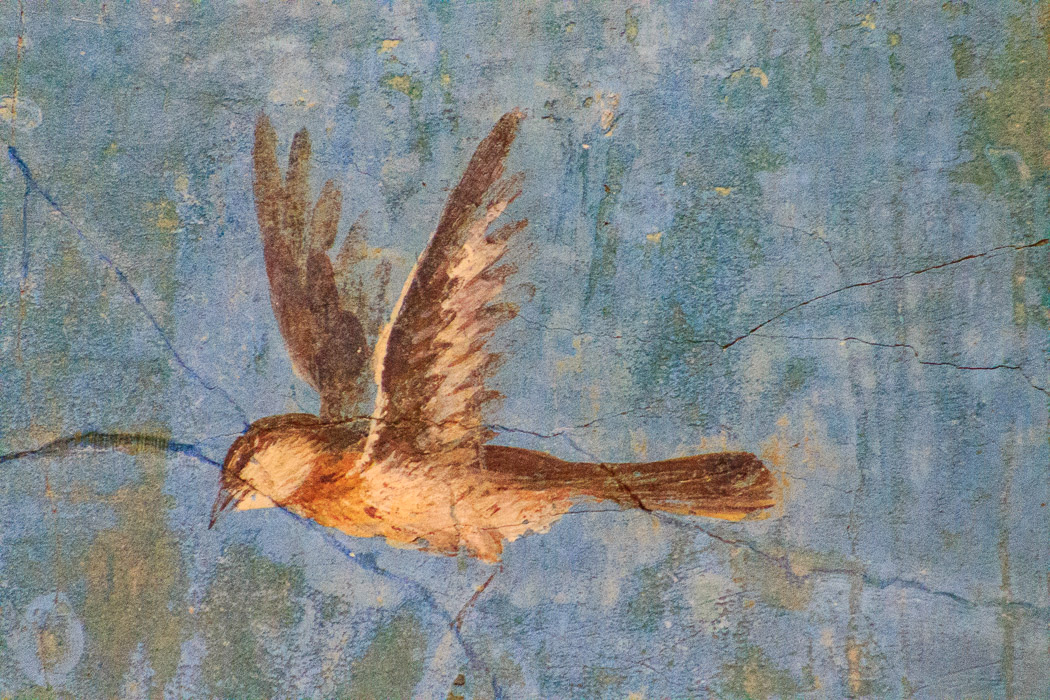
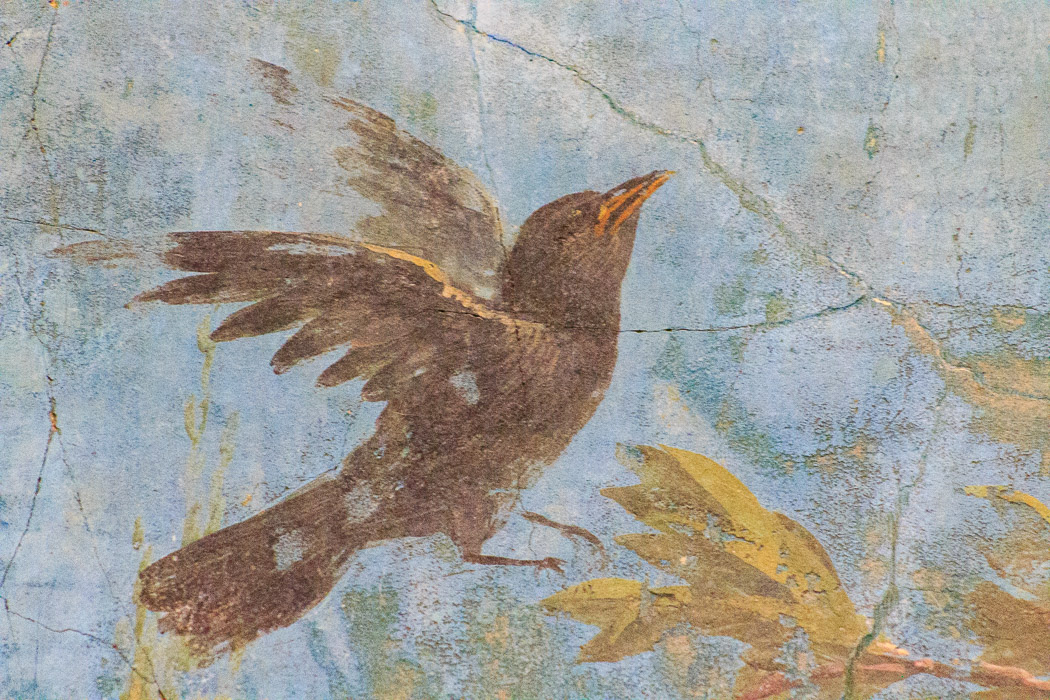
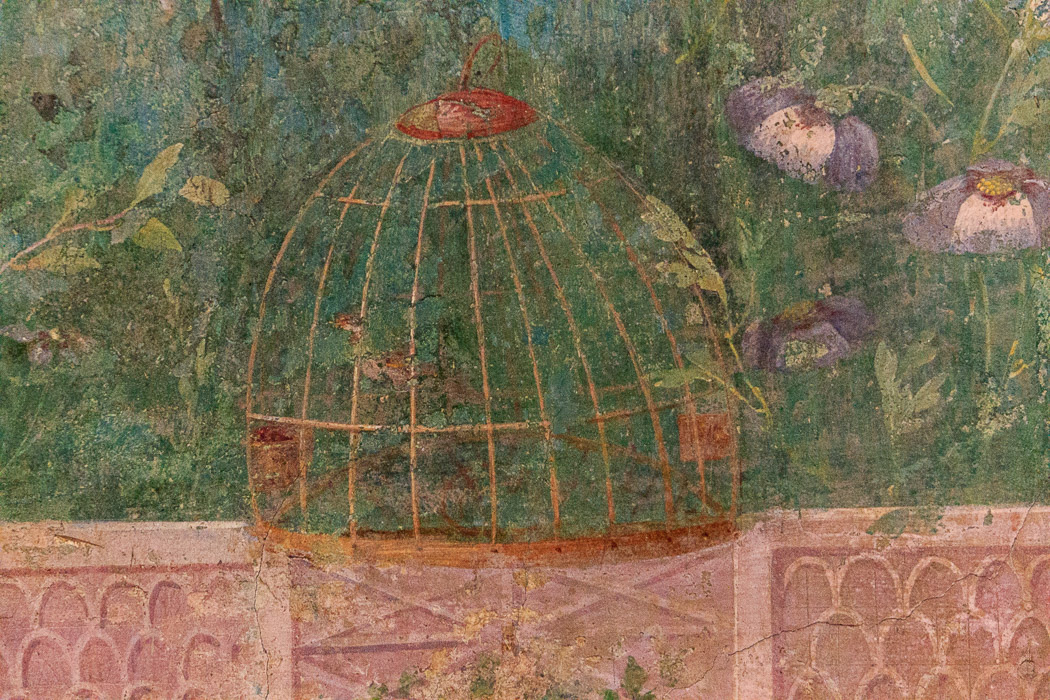
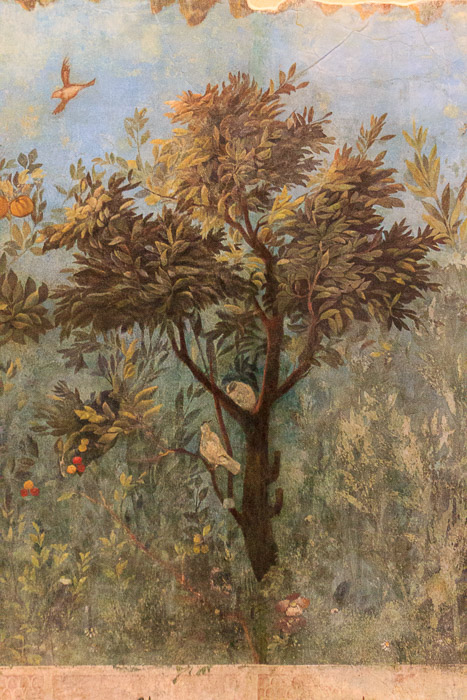
Room 2 is devoted entirely to the exceptional four-sided frescoe paintings of a garden in the winter triclinium (dining room) of the Villa of Livia (Augustus' wife) at Prima Porta, the oldest example of a continuous garden painting, from 30-20 BC. The dining room measured approximately 19 by 38 feet. The frescoed walls were detached for reasons of conservation in the 1950s and restored and reassembled in their entirety in this room. The life-sized image formed by the frescoes is not interrupted, even at the corners, and has no pillars or columns dividing it up. It simply has a cane or wicker fence in the middle ground that opens onto a green lawn bordered by a marble ballustrade. A free (pine, fir, plane) stands in each recess of the ballustrade. Further away is a variety of plants and birds so detailed that they can be identified precisely. Beyond these the scene grows more and more blurred and indistinct into the distance. The sky is deliberately hard to make out; there is a pergola with bunches of grapes or perhaps the jagged edge of a cave. Slightly later than these are garden frescoes in the Villa Farnesina (see next section here), and later than those are examples from Pompeii such as in the House of the Fruit orchard and in that of the Golden Bracelet.
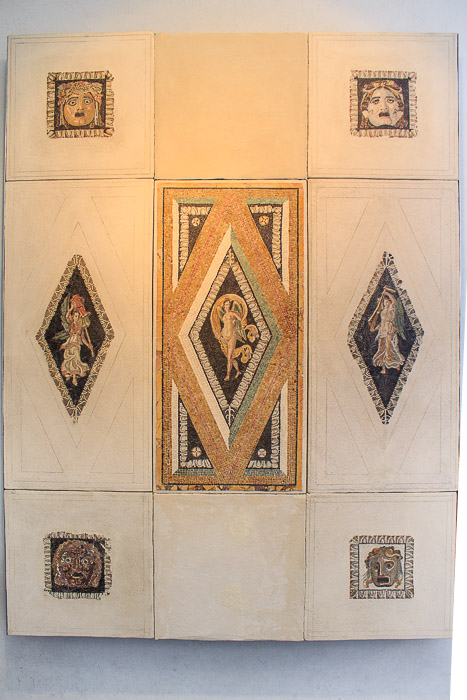
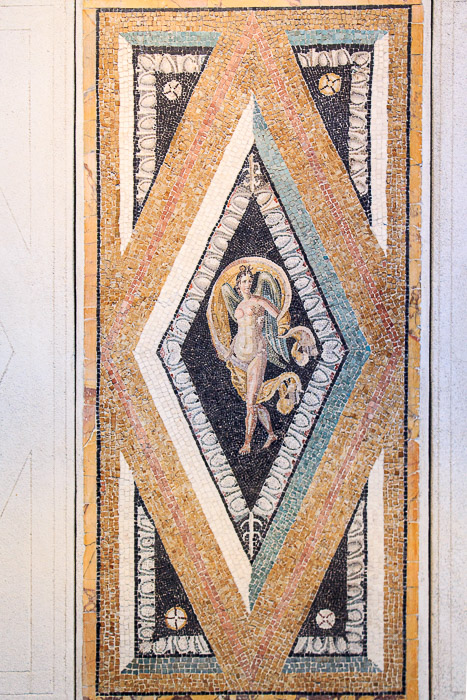
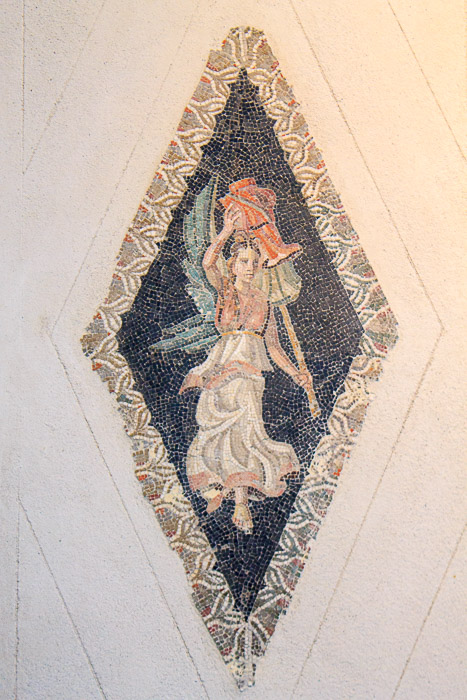
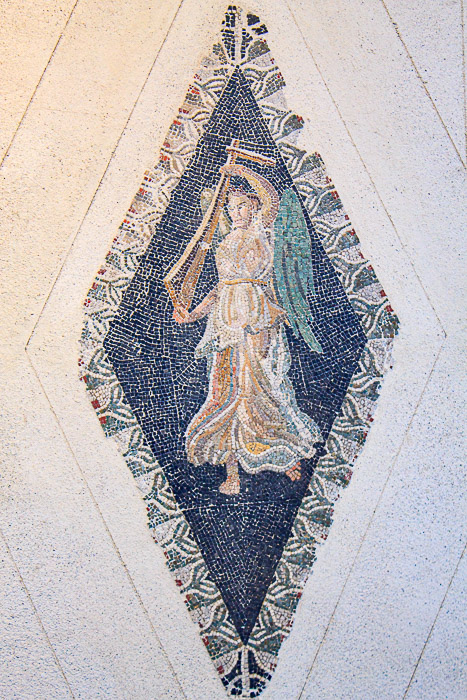
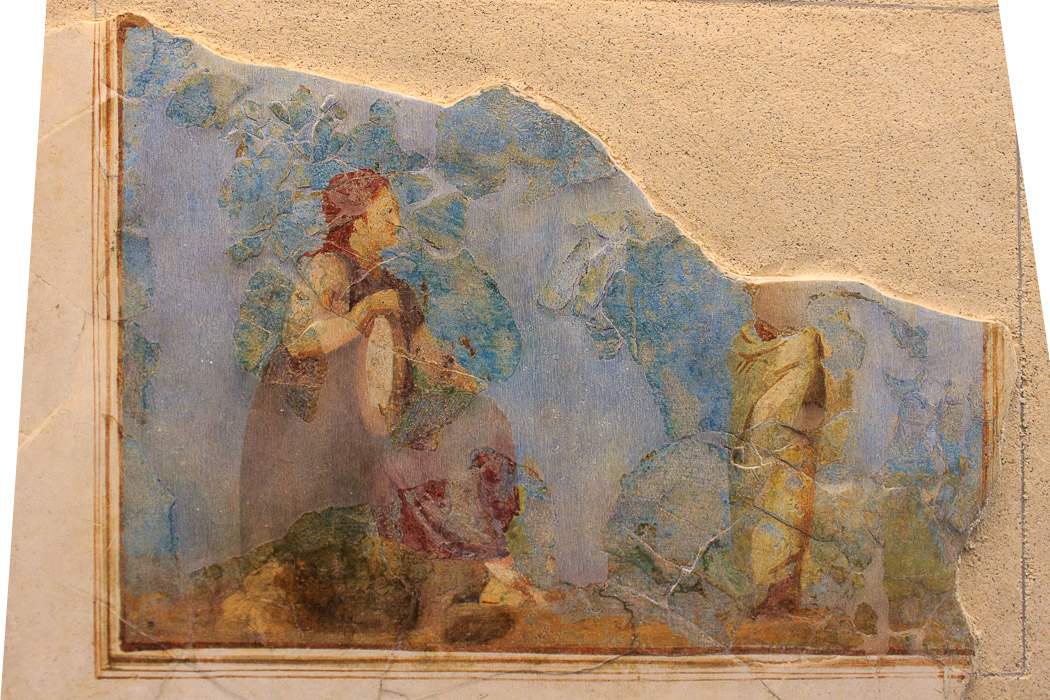
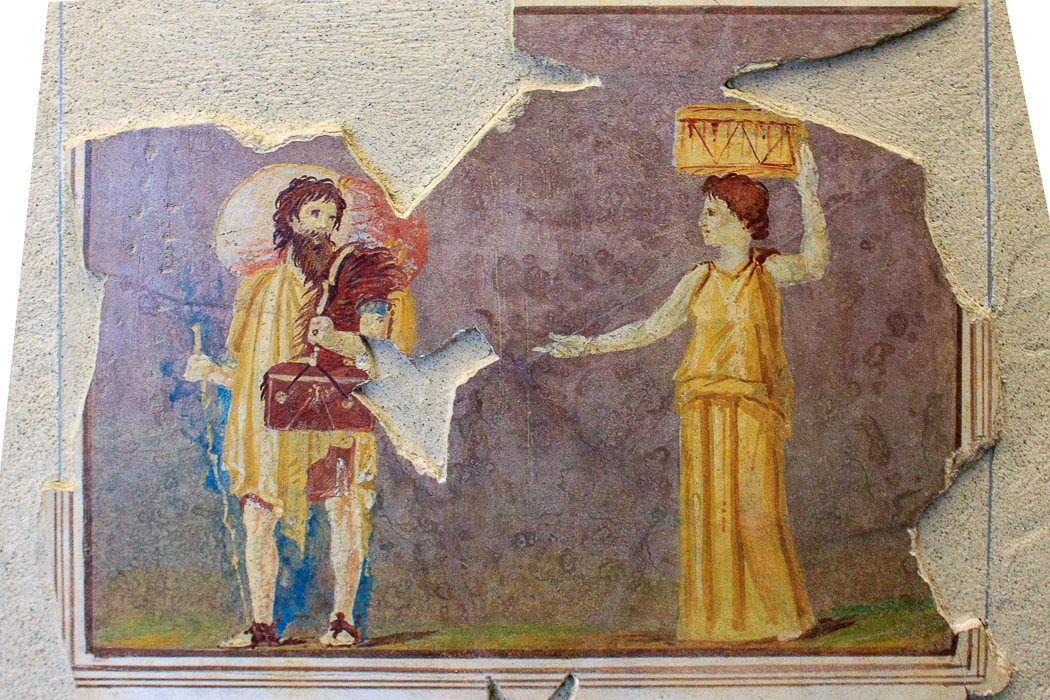
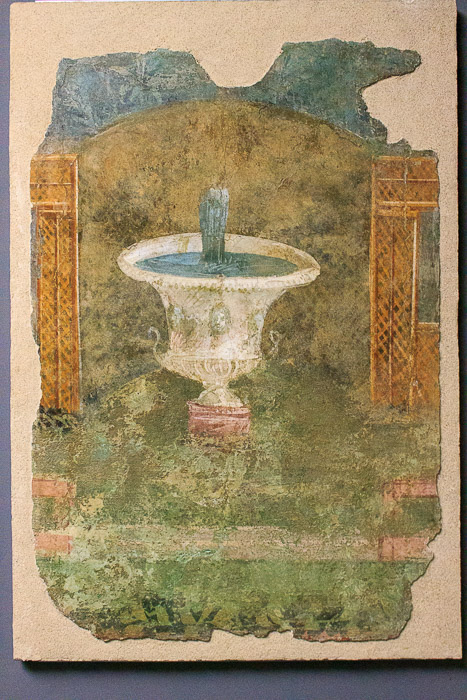
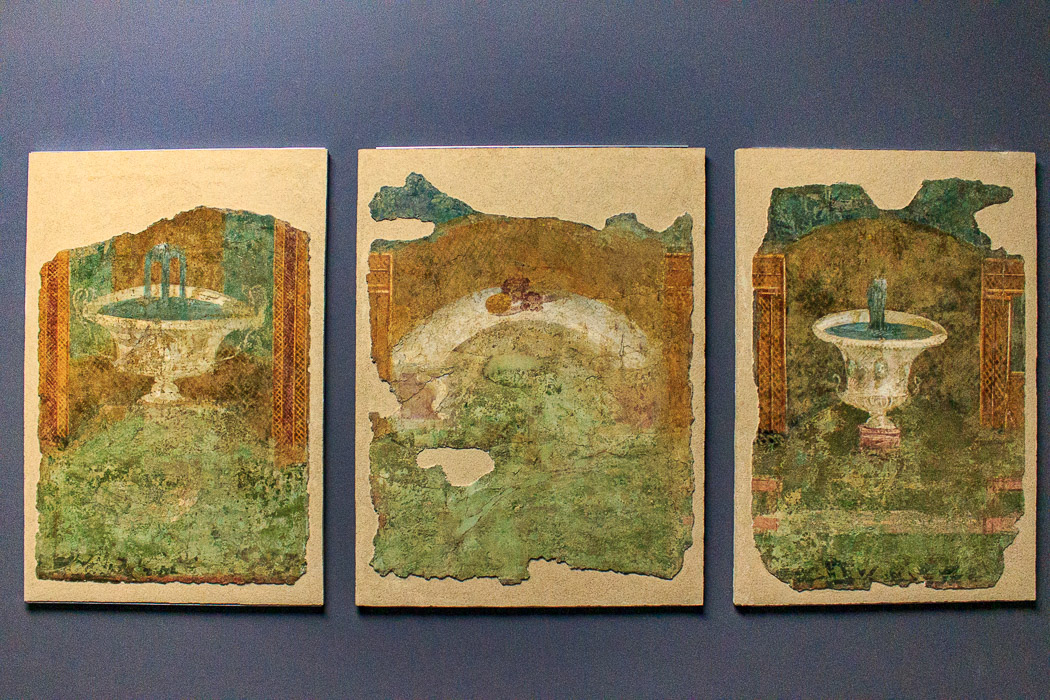
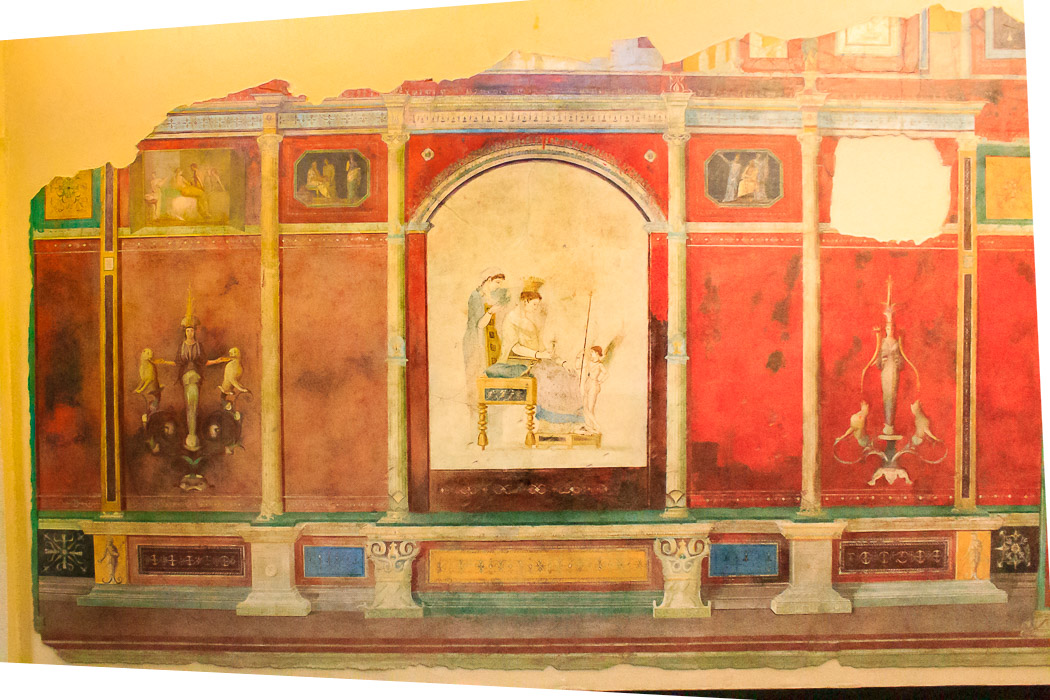
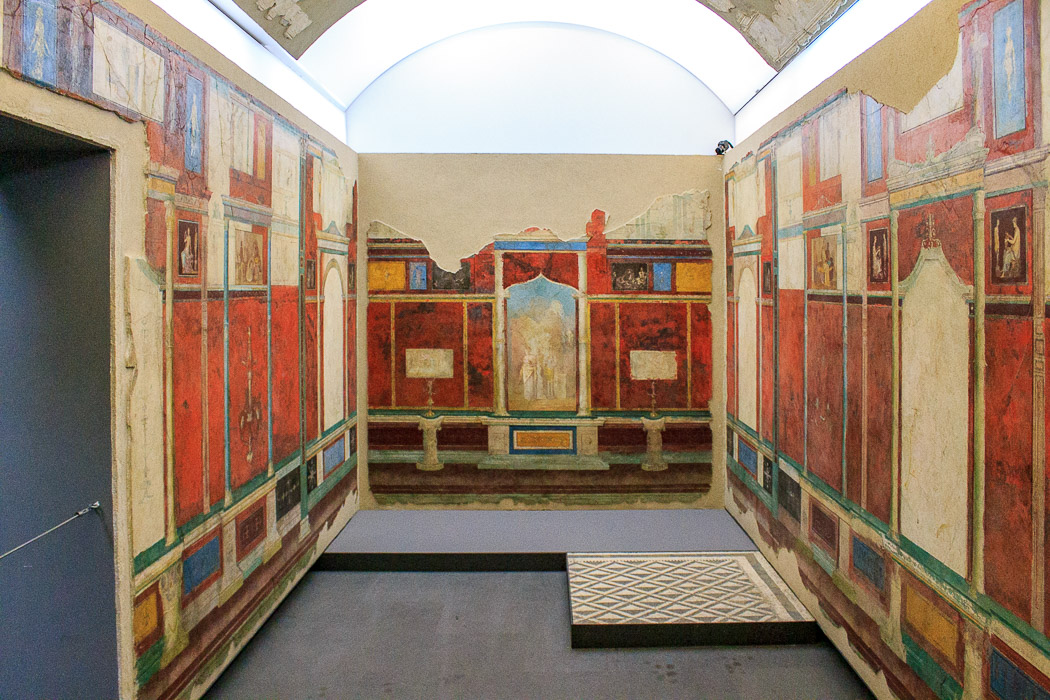
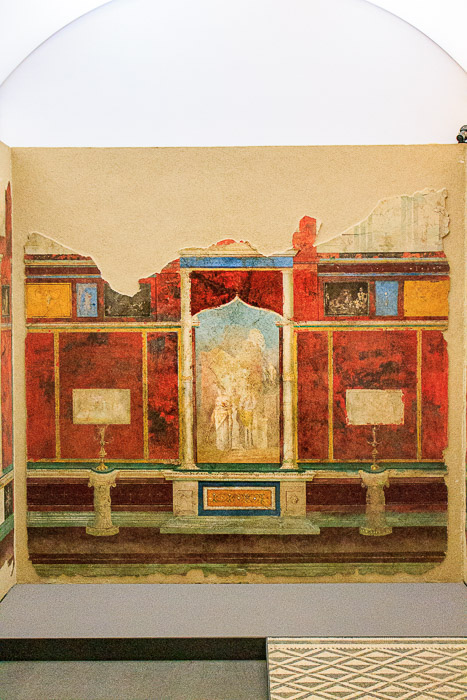
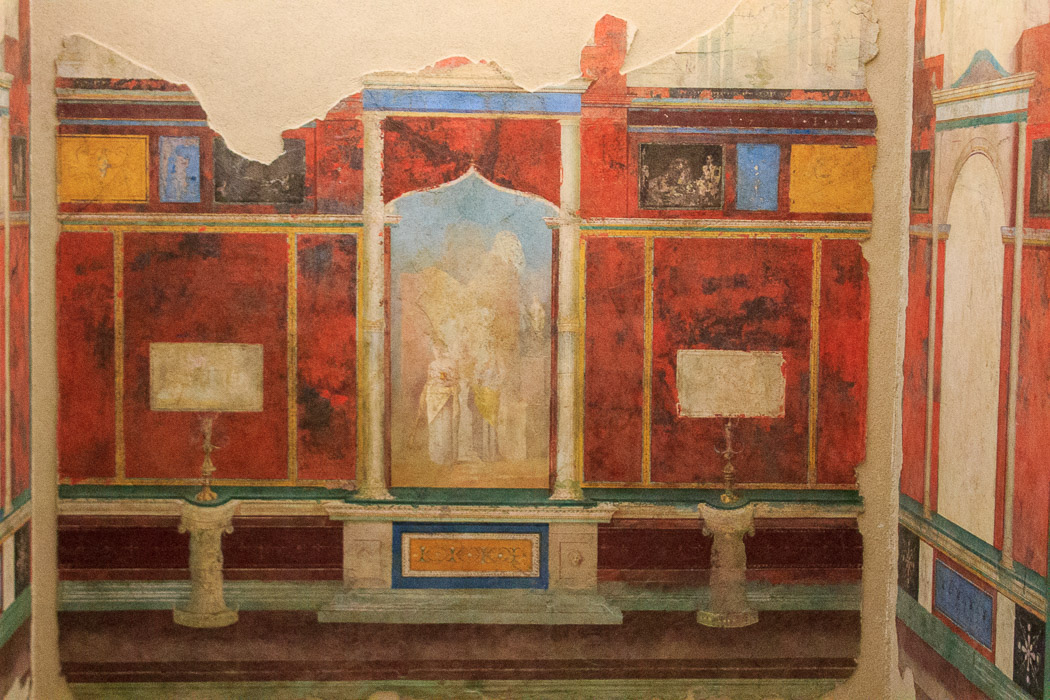
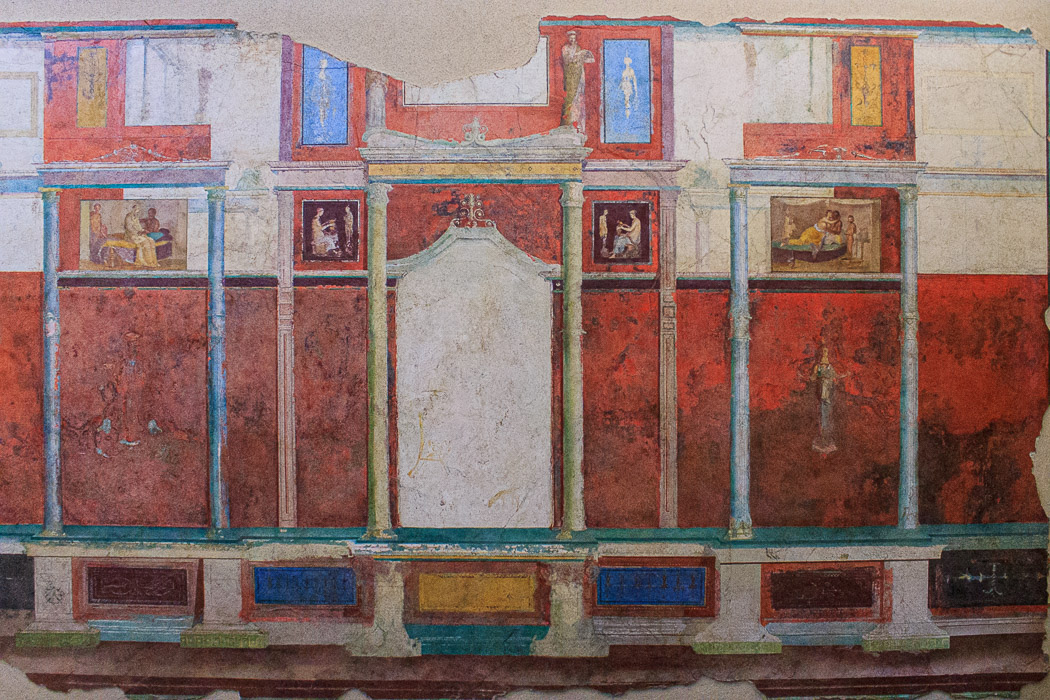
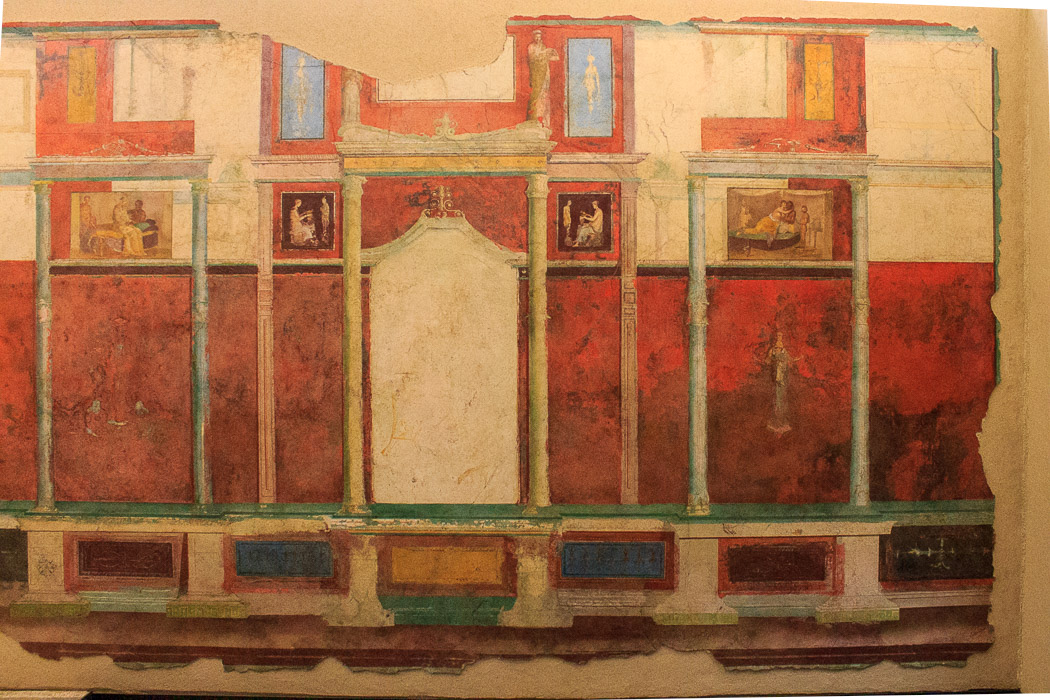
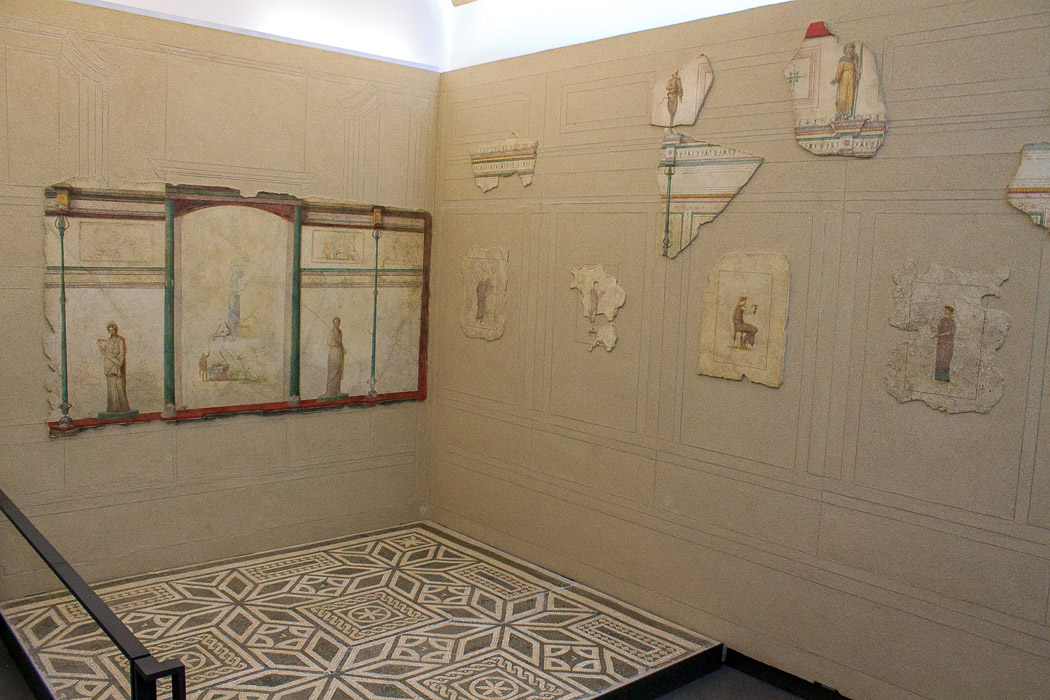
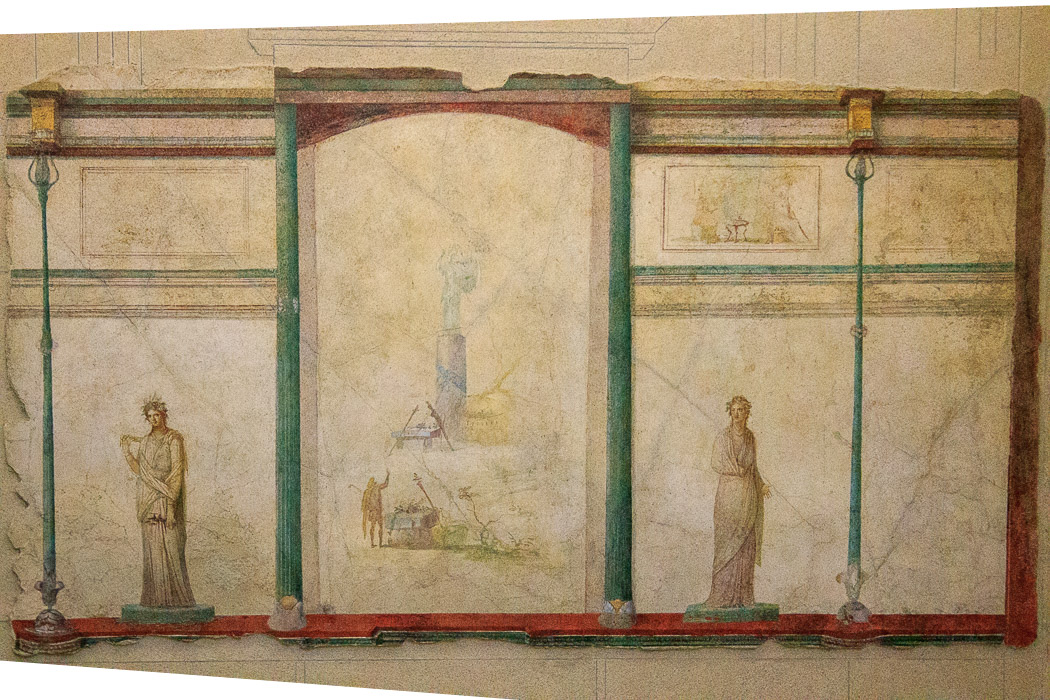
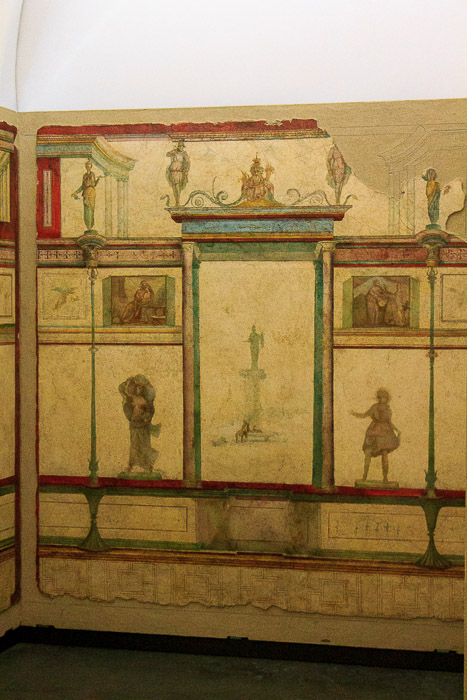
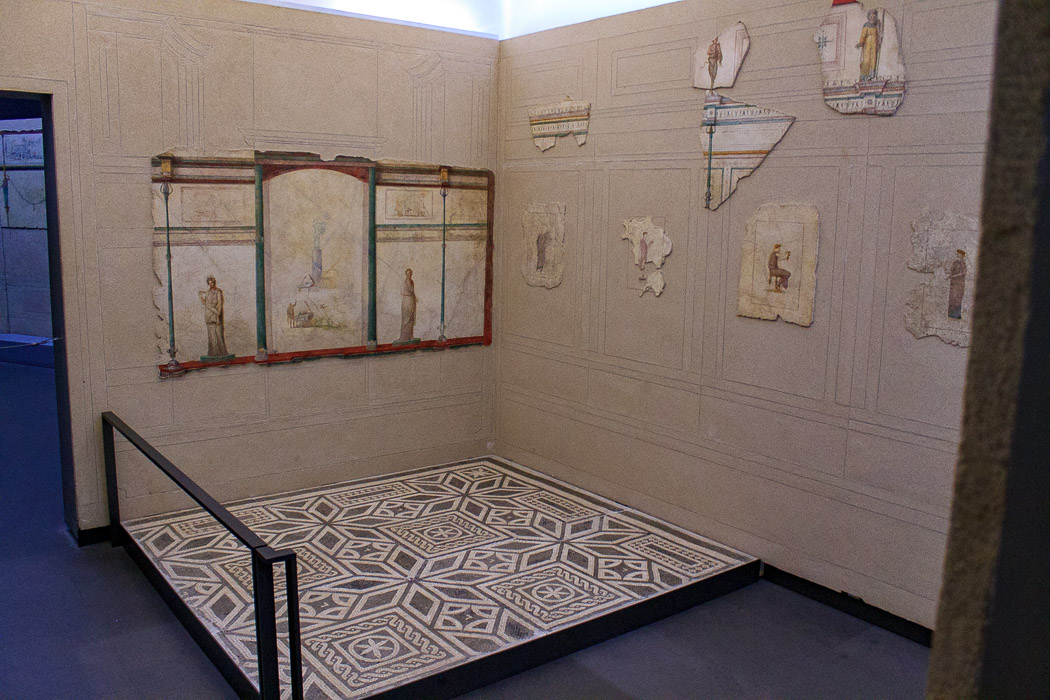
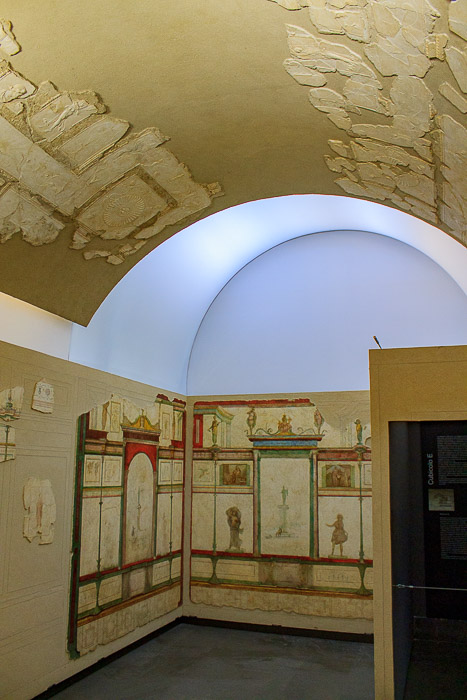
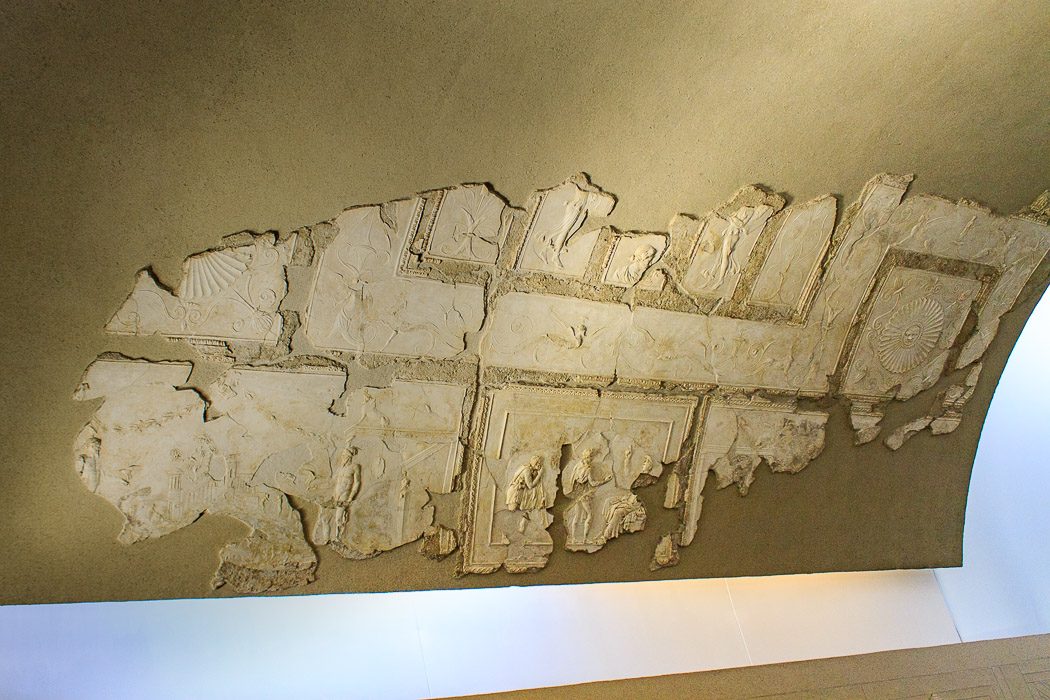
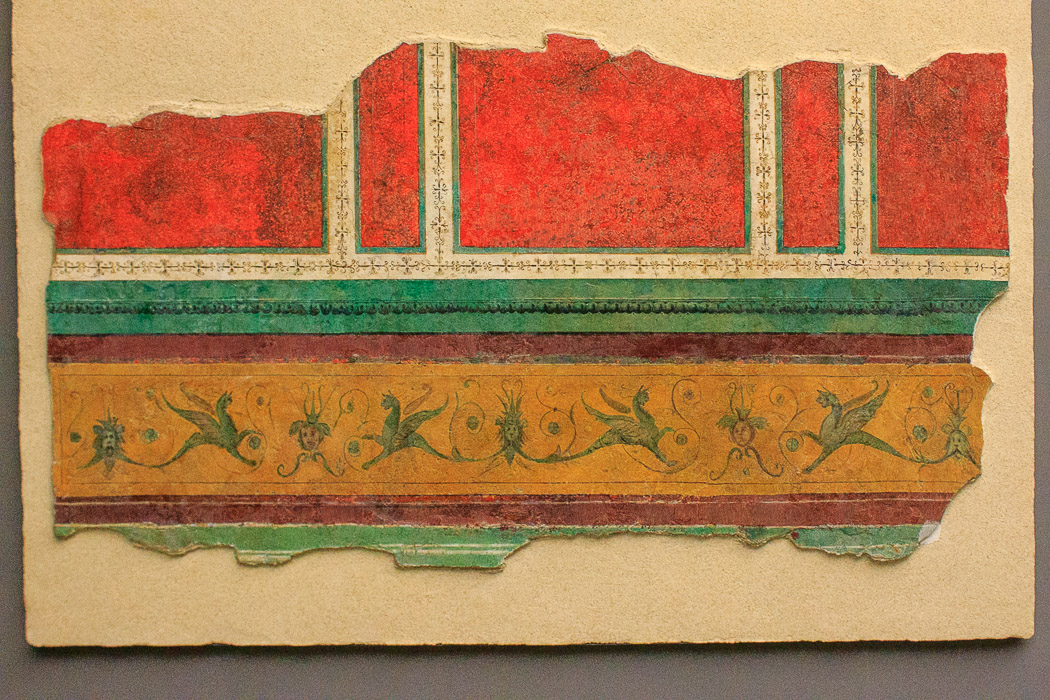
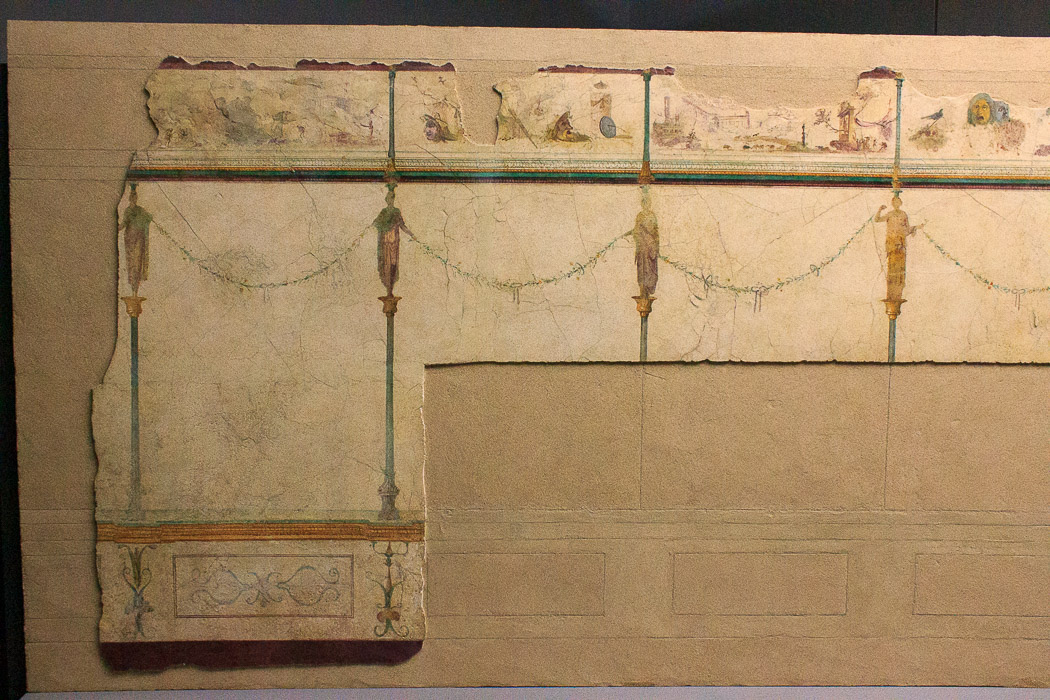
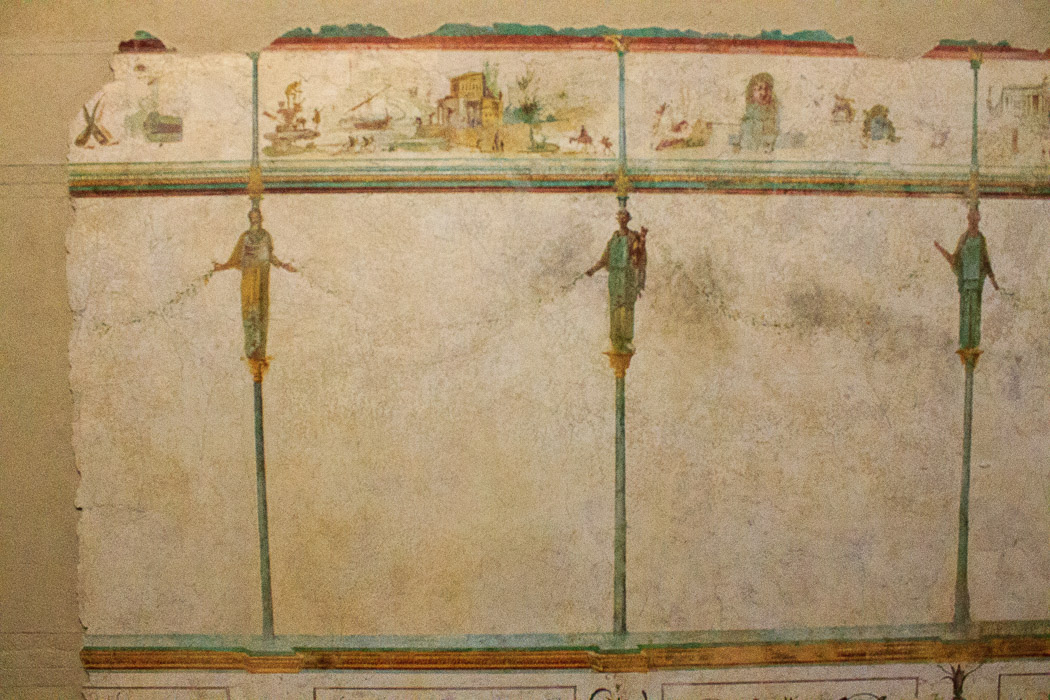
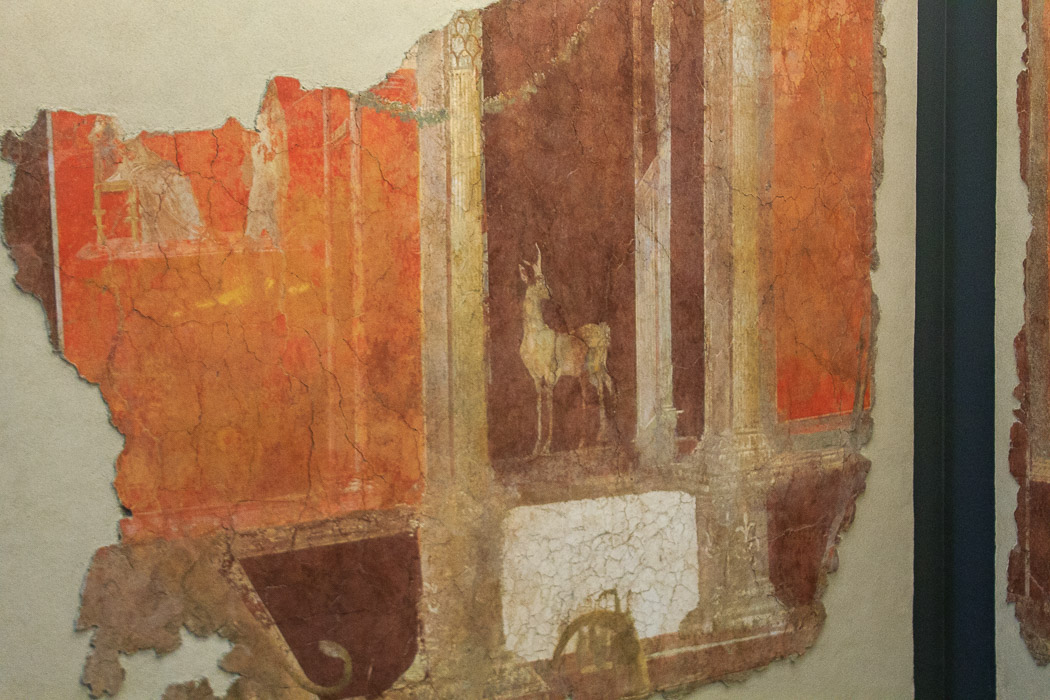
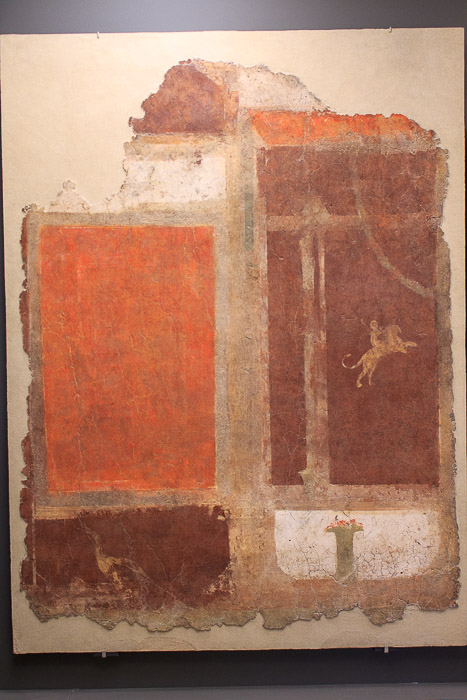
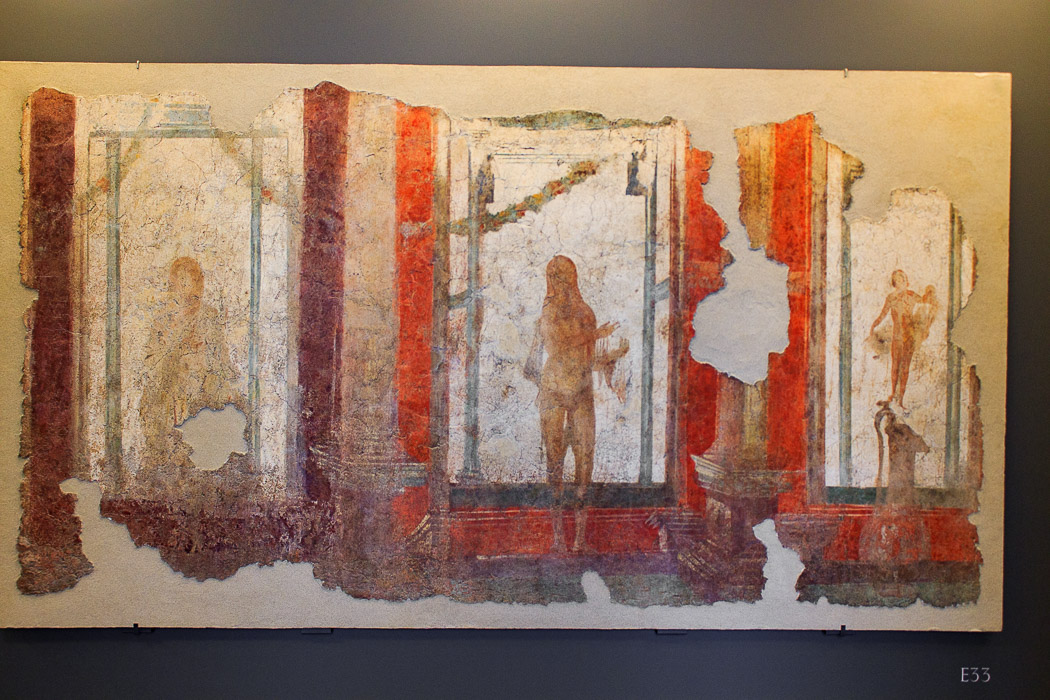
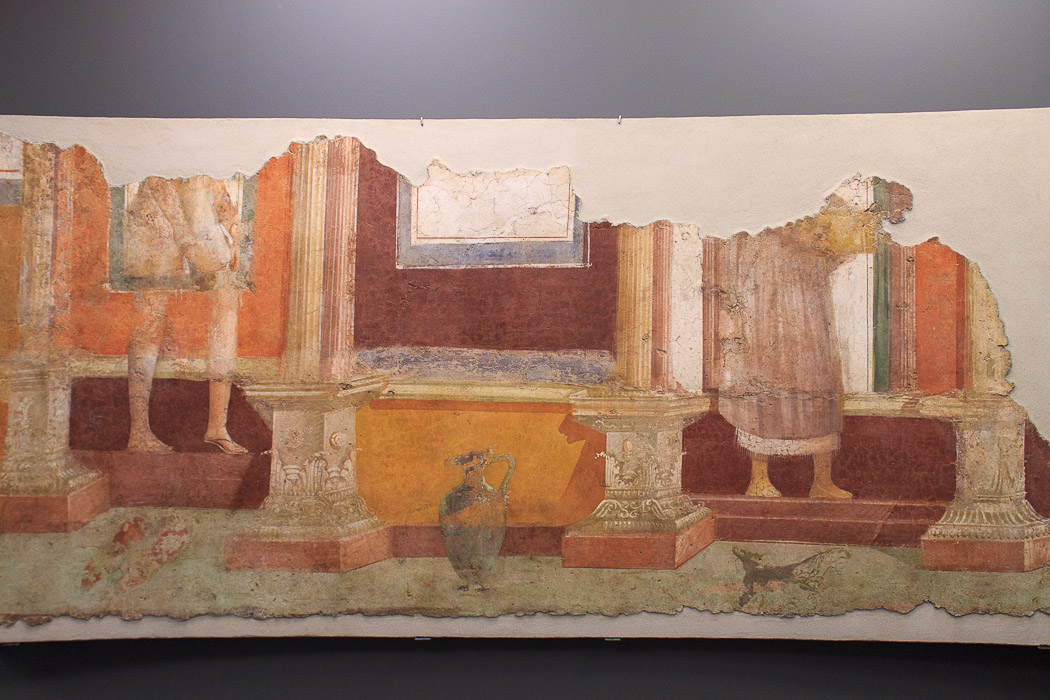
Gallery 2, Rooms 3, 4 and 5 display rooms decorated with frescoes, stuccos and mosaics from a luxurious villa of the Augustan period, the Villa of the Farnesina, discovered in 1879 while constructing the embankments for the Tiber River. The villa probably belonged to a relative or friend of Augustus and so its decoration is a very important record of the most up-to-date trends in Augustan painting in the third decade of the 1st century BC. The most likely hypothesis is that it was owned by Augustus's friend and colleague Marcus Agrippa, who married his daughter Julia in 19 BC. These first four photos are from an introduction to the Villa Farnesina, and the Viridarium L, an interior garden room similar to the garden room in the Villa of Livia at Prima Porta.
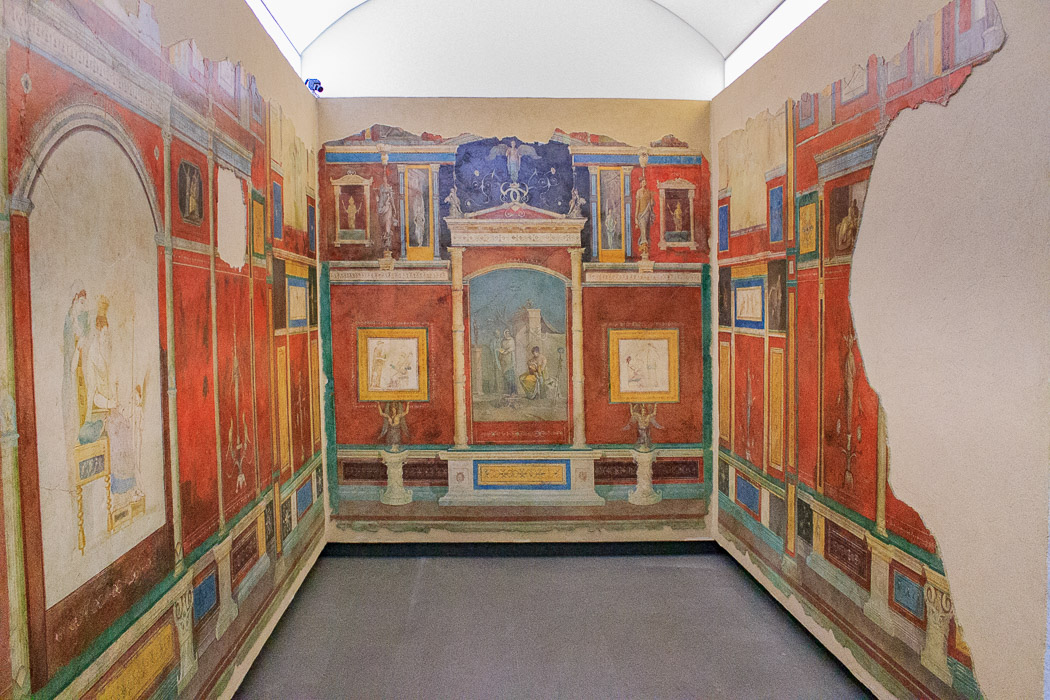
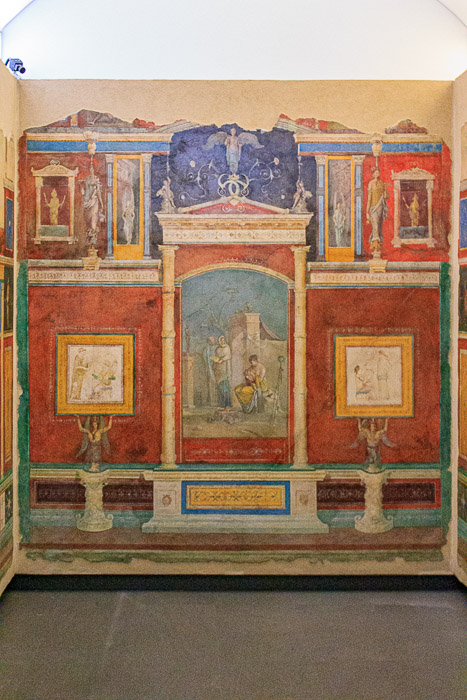
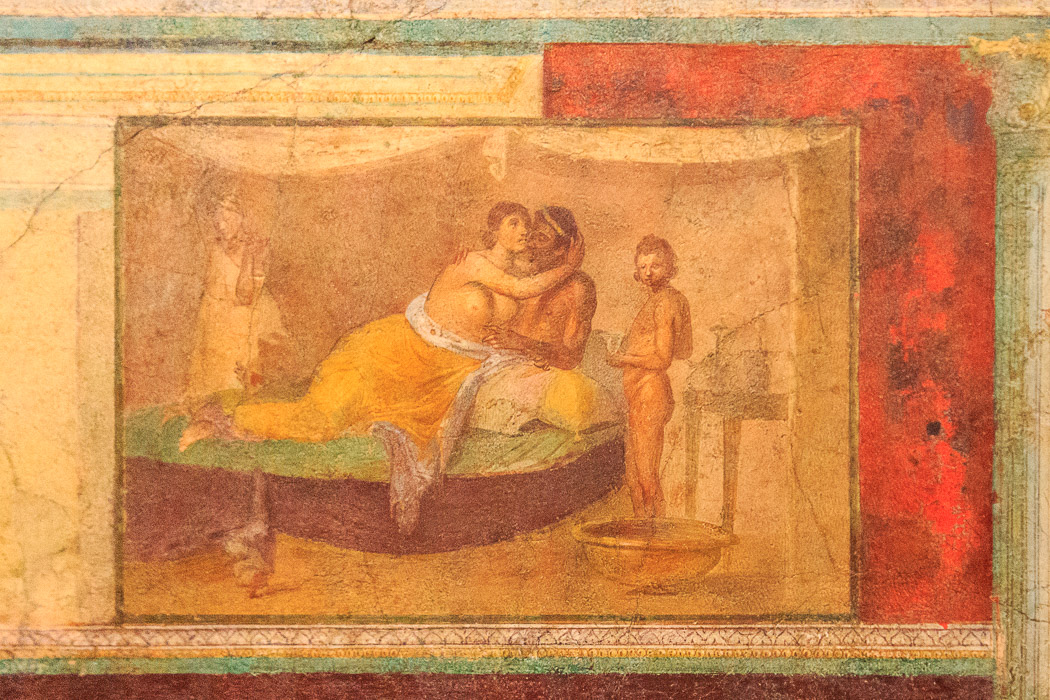
Three bedrooms (cubiculum) from the Villa Farnesina are subsequently displayed, bedrooms B, D, and E. Bedroom B's dominant color is the expensive cinnabar red. Architectural elements rendered in perspective complete with shadows are the setting for representations of pictures hung on the walls, which give the impression of an art gallery. Aphrodite is on the left wall, and Dionysos is on the right wall. Other small pictures painted with wooden frames, show scenes of interiors and pairs of lovers. The barrel vault (not shown) is pure white stucco and decorated with reliefs showing scenes of inititiation into the mysteries and idylic landscapes with sacred elements.
Bedroom D has decoration similar to Bedroom B (above) in the use of cinnabar red. At the rear of the alcove three women perform a sacrificial ceremony in a rustic shrine. The walls of the antechamber have scenes of lovers, and most of the other pictures have to do with female life. Here carefully rendered details (attendants, handmaidens, furniture, glass and silver vessels) provide invaluable information on domestic life. There are also Egyptianizing elements, lotus flowers, sphinxes, and exotic landscapes. On the second column of the right wall is the inscription, in Greek, Seleukos made this, presumably the name of a Greek who was one of the artisans. The vaulted ceiling, in pure white stucco, has reliefs of initiation rites into the mysteries, idyllic landscapes with sacred elements, and combats between fantastic animals. The decorative scheme of tht two bedrooms owes its inspiration to the deities Aphrodite and Dionysos.
Bedroom E, in contrast to Bedroom B and D, is done in muted colors. Slender columns with a surreal superstructure frame small scenes with sacred landscapes. Three of these show travellers making a sacrifice to a herm of Athena. The images refer in various ways to the world of women. The little picutres along the walls of the antechamber show girls engaged in different activities. On the rear wall of the alcove, which has a picture with an amorous theme, the goddess Artemis is shown dressed as both huntress and moon goddess. Two Muses are on the opposite wall, The stucco decorations of the vaulted ceiling show idyllic landscapes with sacred elements and mythological scenes. In one, Phaethon asks his father Apollo to let him drive the chariot of the Sun. Other scenes show statues of Zeus, a statue probably representing Augustus as the new Mercury, disks of the sun, winged victories and grotesque figures, all done in very low relief with the elegance and delicacy of jewelry. The mosaic pavement of this room, known from a contemporary watercolor, had a pattern of squares and stars.
These are frescoes from room I, room M, and corridor F-G of the Villa Farnesina.
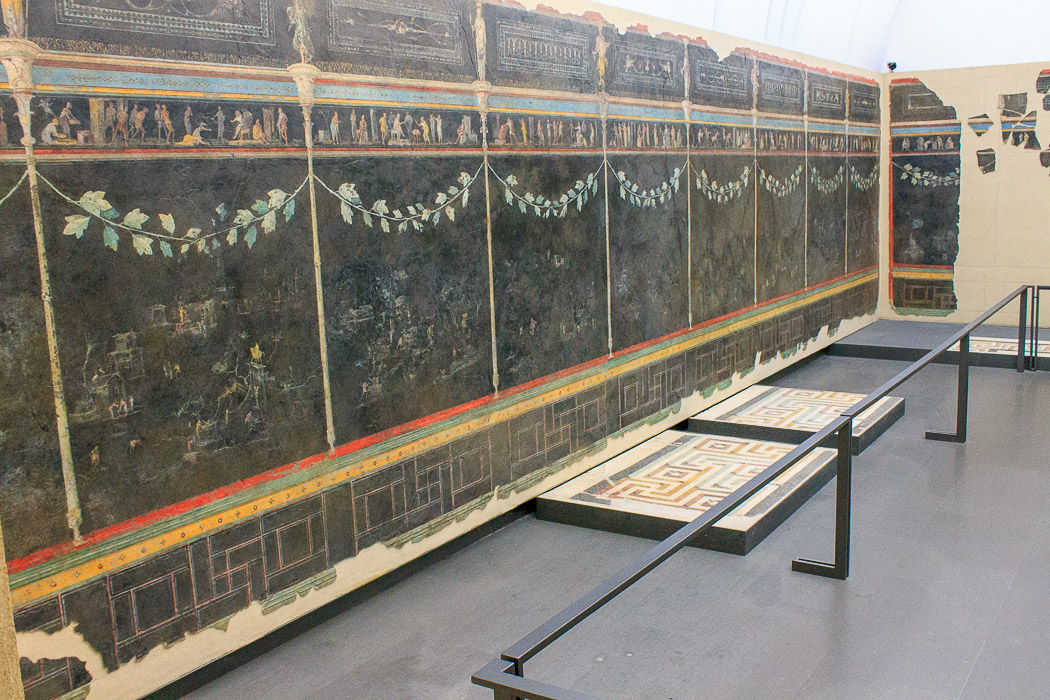
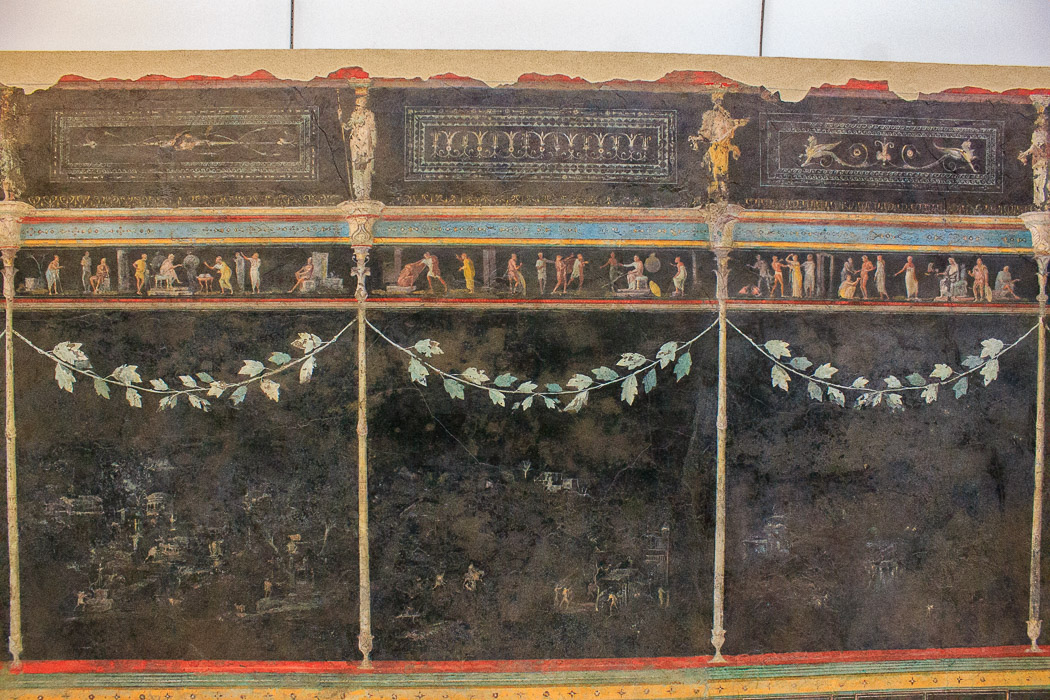
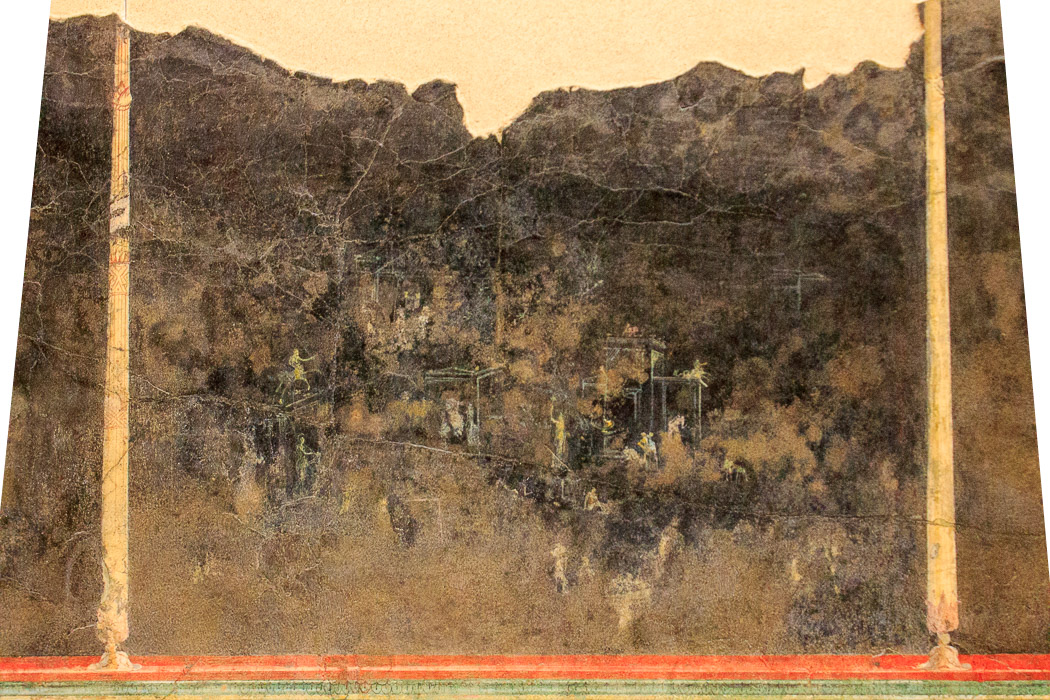
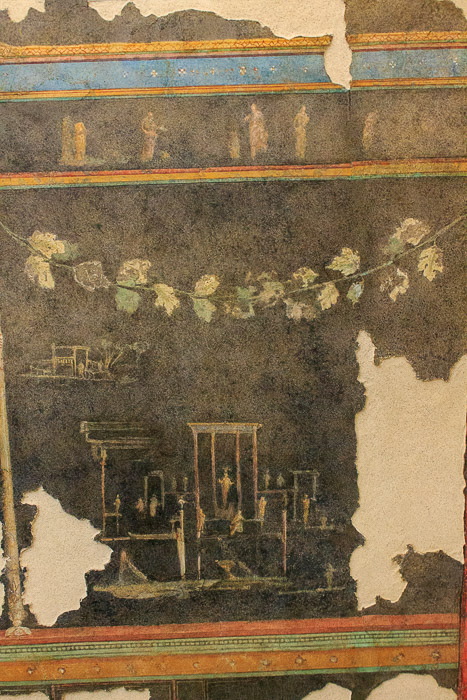
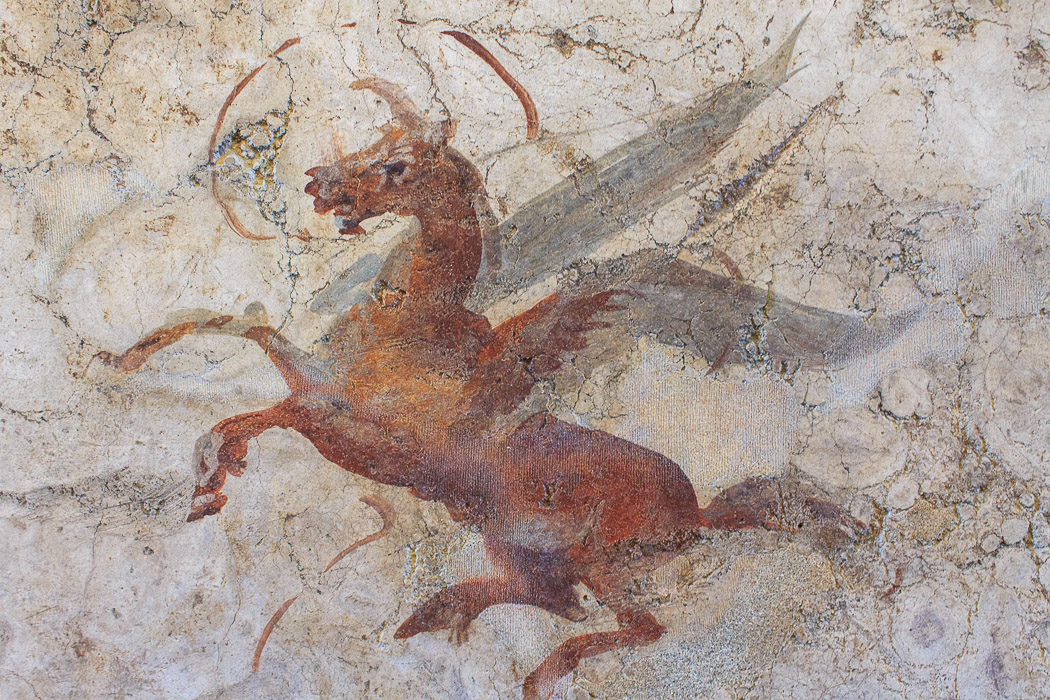
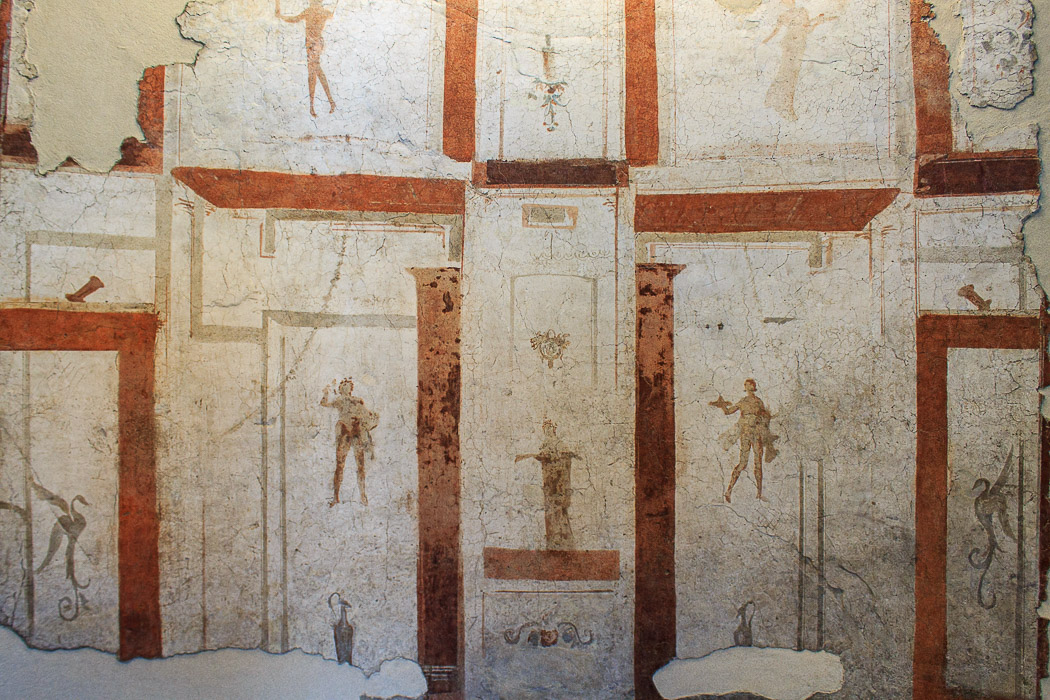
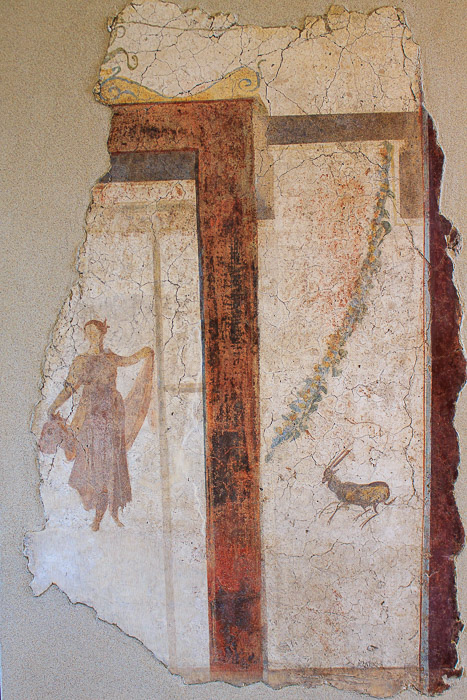
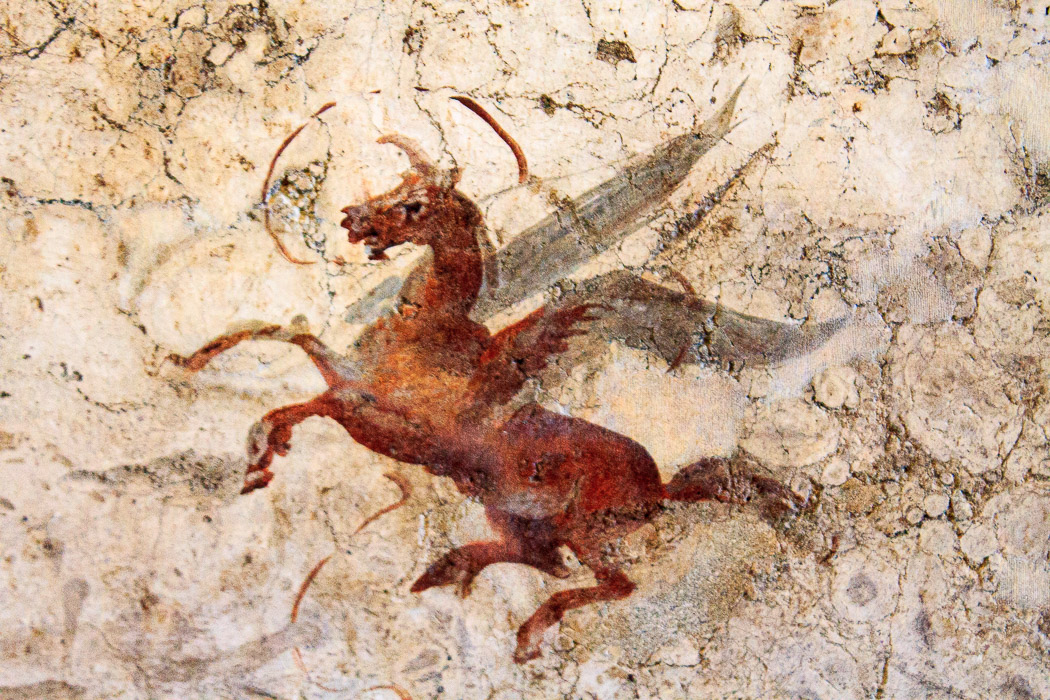
These last four frescoes from the Villa Farnesina were in Triclinium (dining room) C. In the center of the dining room was a table, with three couches (klinai in Greek, hence the name "triclinium") on which the diners reclined as they ate. The southern exposure of the room and its main color suggest it was meant to be used in the winter, since the architect Vitruvius, writing in the 1st century AD, recommends a dark background that will absorb heat to make the rooms warmer in cold weather. The black color, made from a mixture of charcoal and glue, was resistant to smoke from the fire and soot from the lamps. On the dark background delicate landscapes are painted in light colors: cityscapes with buildings, arches and gateways, and rural scenes showing huts, animals and rustic shrines. The lavish decoration is broken up by slender columns festooned with ivy. The capitals are crowned by graceful female figures (caryatids).
This ends the museum's Gallery 2, Rooms 3, 4 and 5.
Rooms 6 and 7 are devoted to the suburban villa of Castel di Guido, and I have no photographs of it.
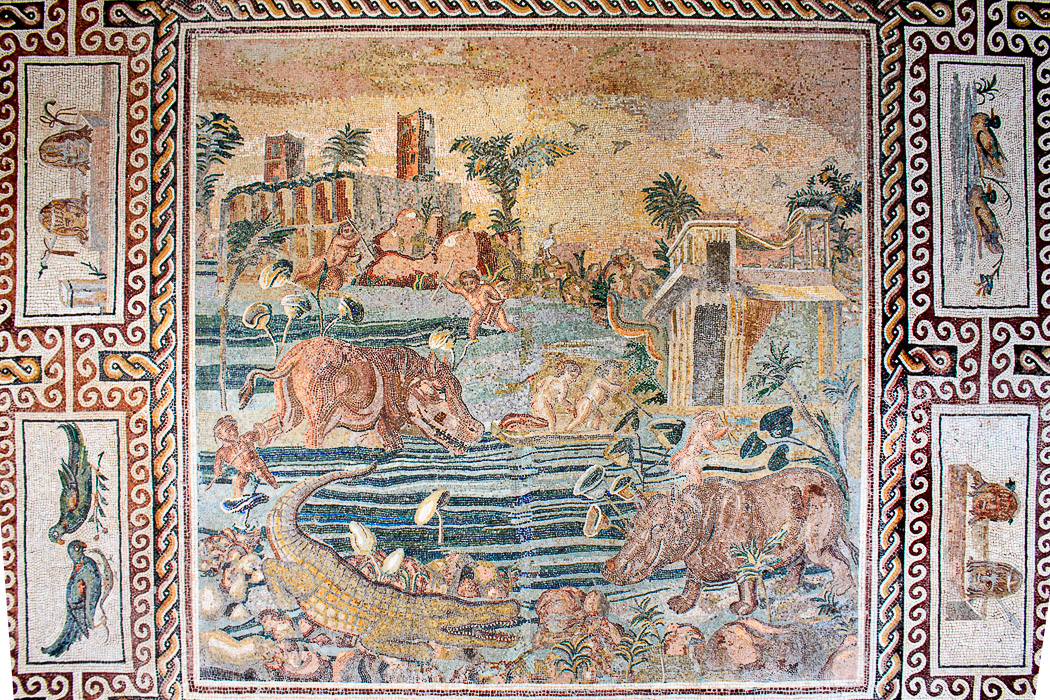
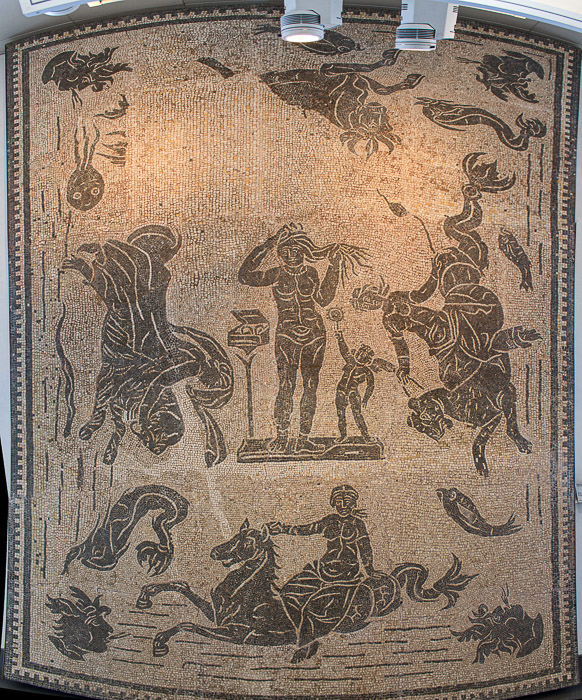
Gallery 3 holds several fine mosaics.
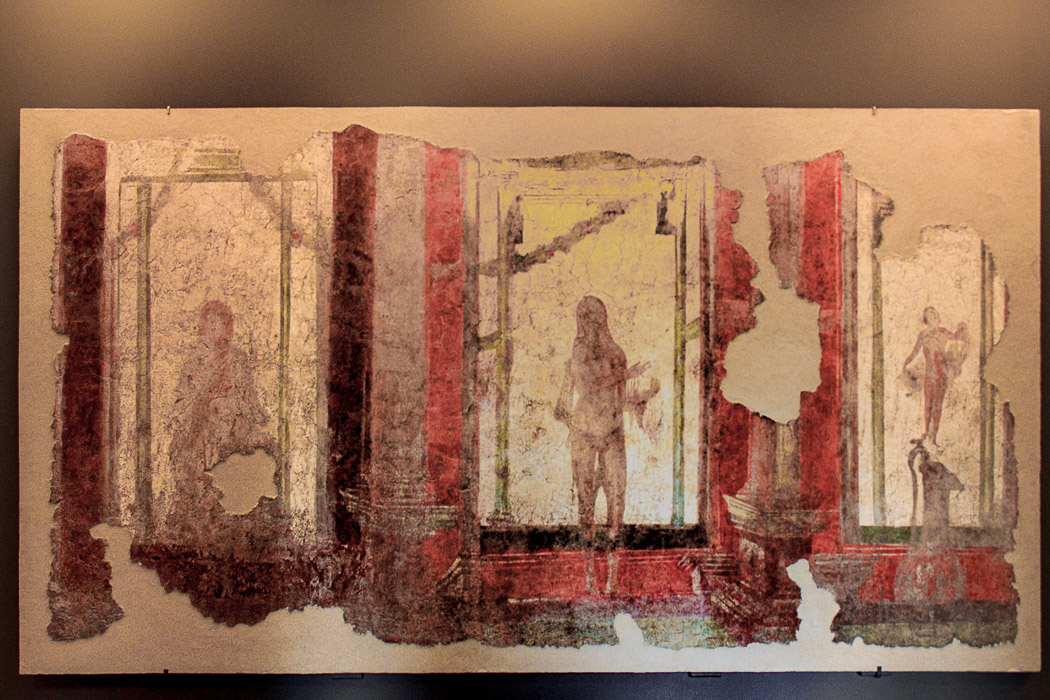
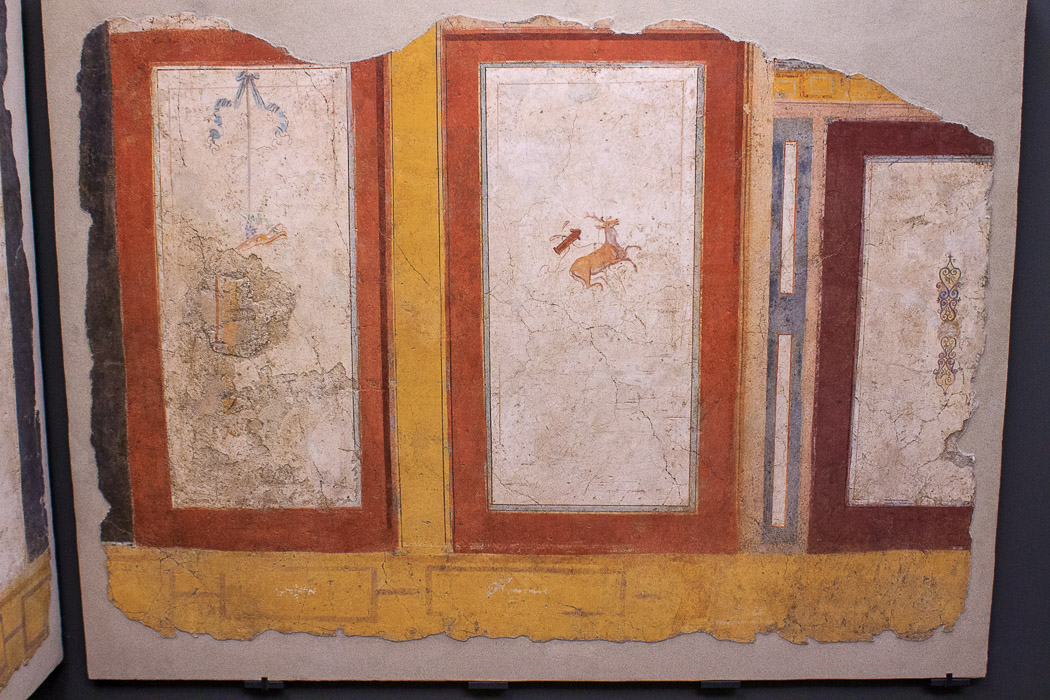
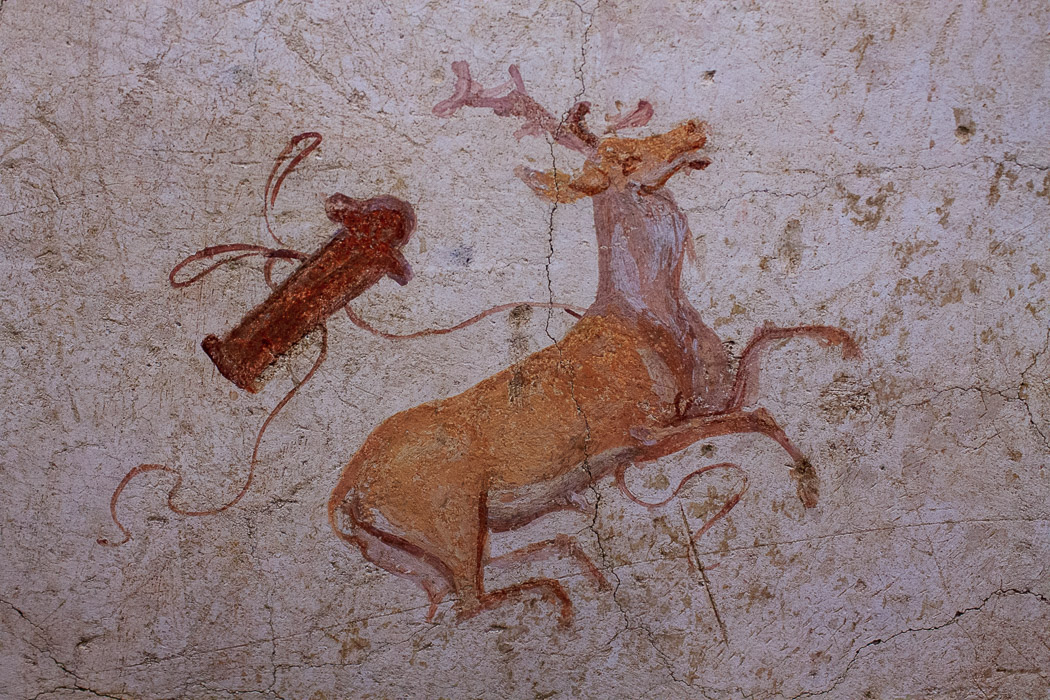
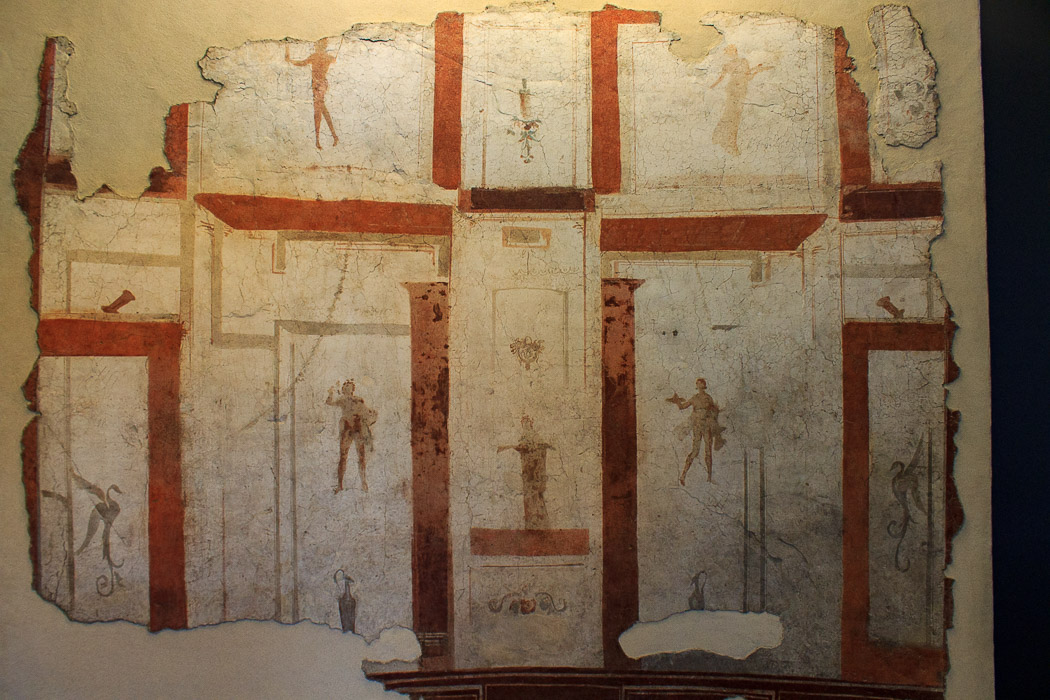
Room 8 displays frescoes from an imperial complex discovered during excavations in 1862 for the first central train station. The discoveries also included the traces of the Servian walls now displayed in and beside the Termini Railroad Station. In 1947-1949 during work for the building of the new Termini Station and metro line B, in what is today the Piazza dei Cinquecento, a public bath was found which had been built during Hadrian's reign, 117-138 AD. Frescoes remaining from both of these discoveries are now display in Room 8 of the second floor of the museum, just meters away from where they originally came from.
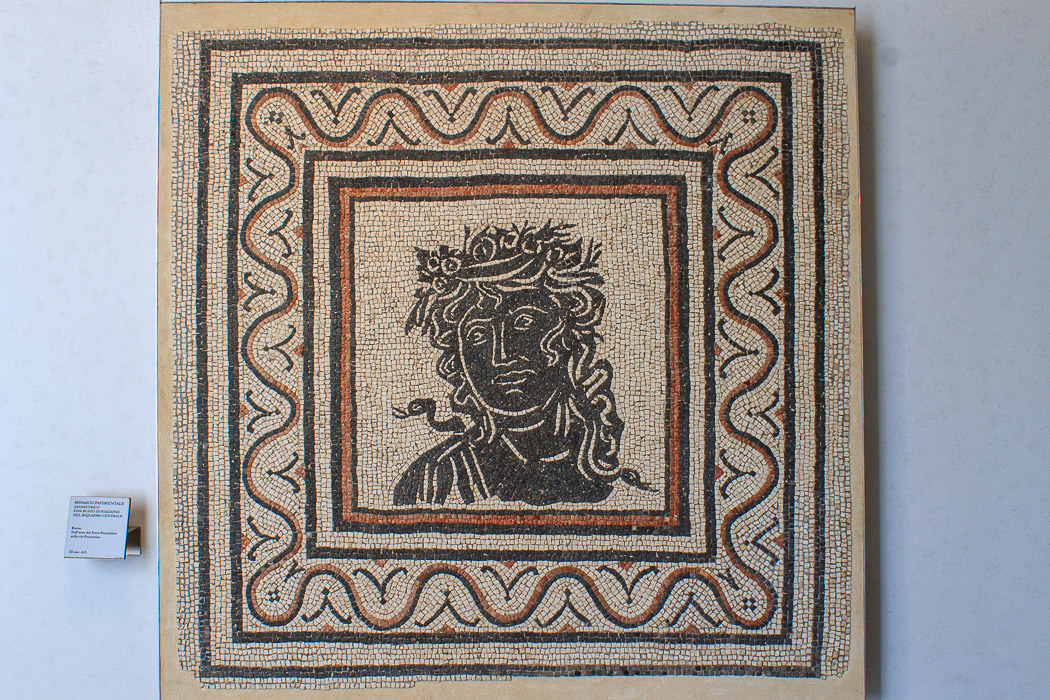
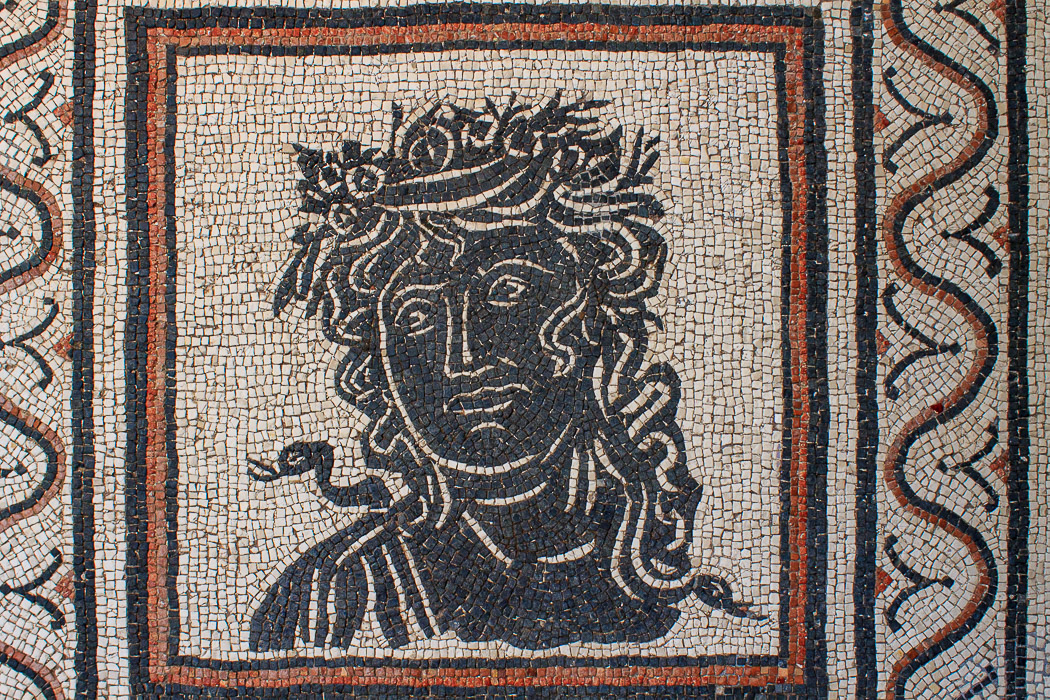
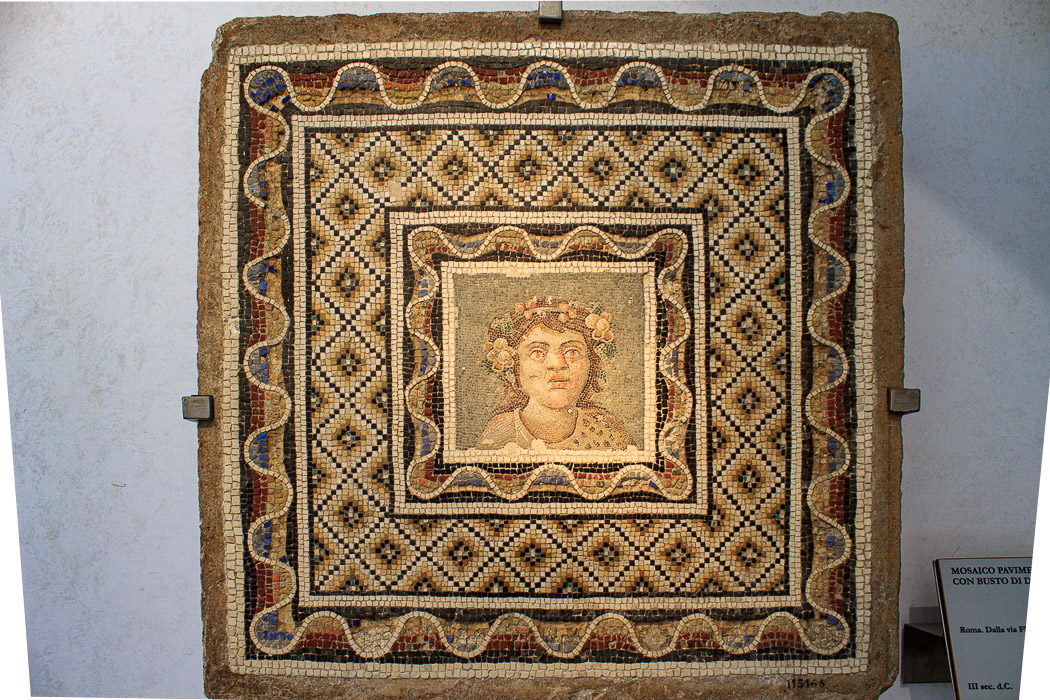
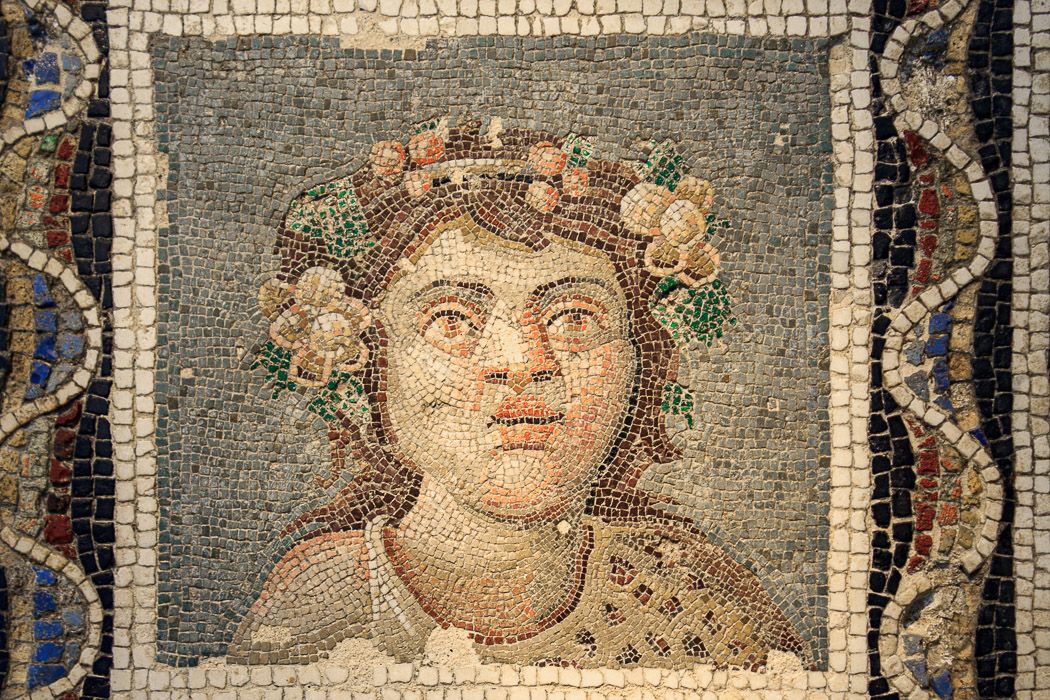
Room 9 holds mosaics, including this one.
Room 10 holds large paintings of the late empire, and I have no photos in this room.
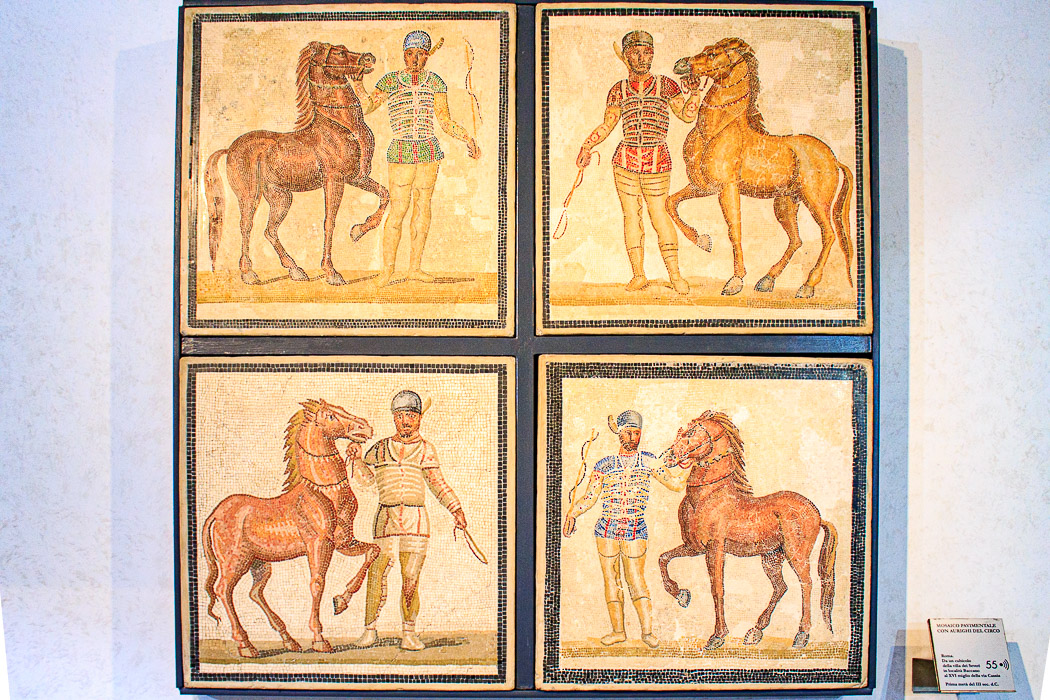
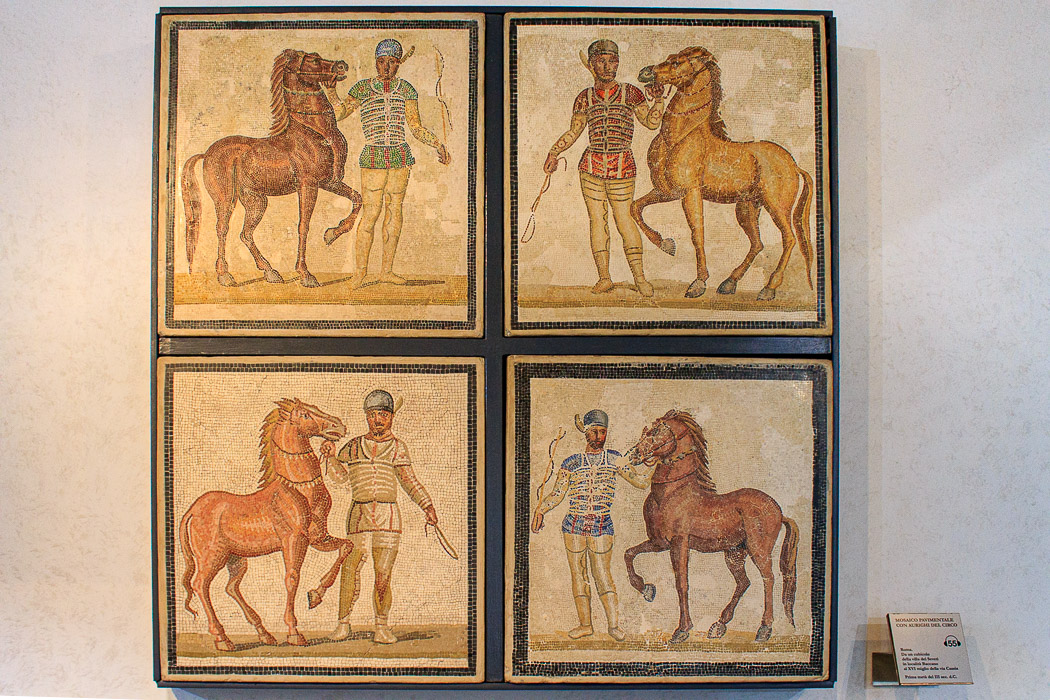
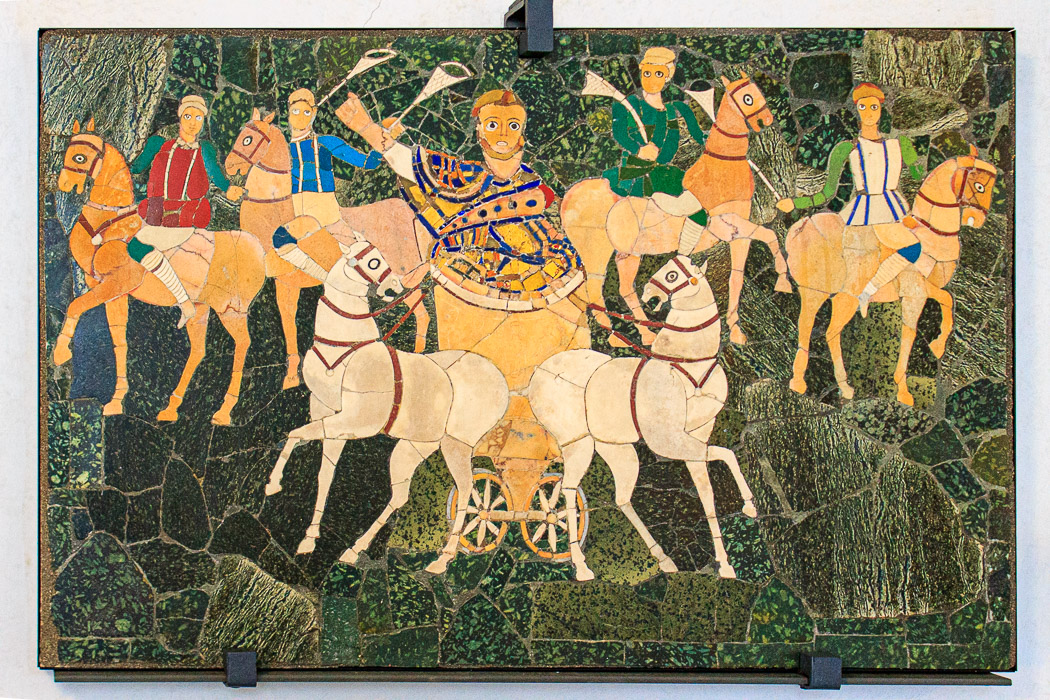
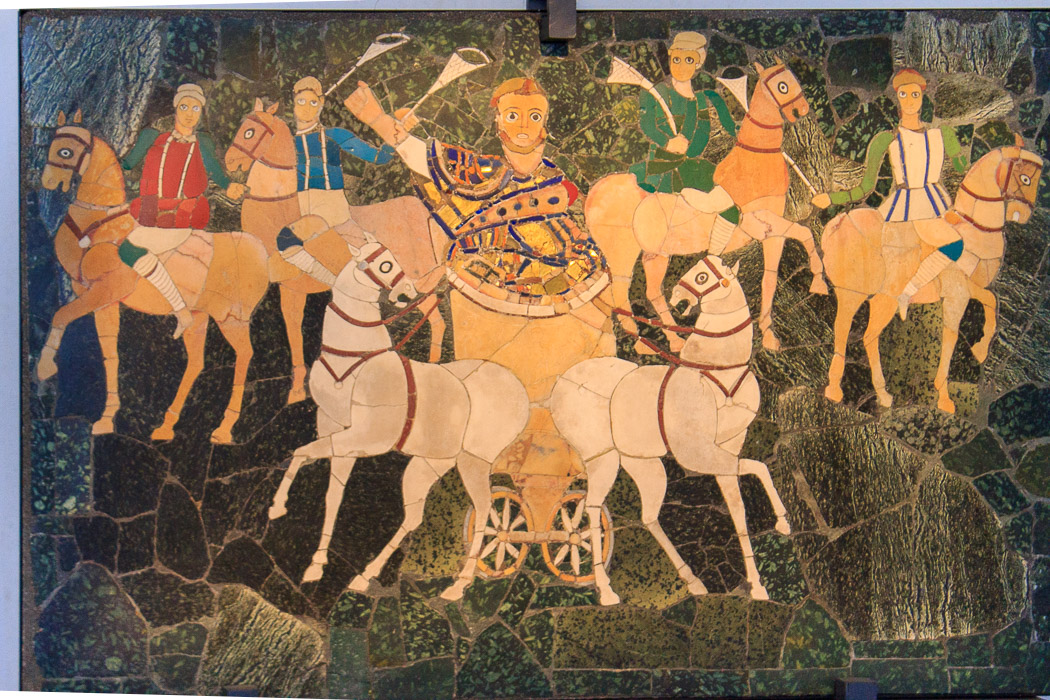
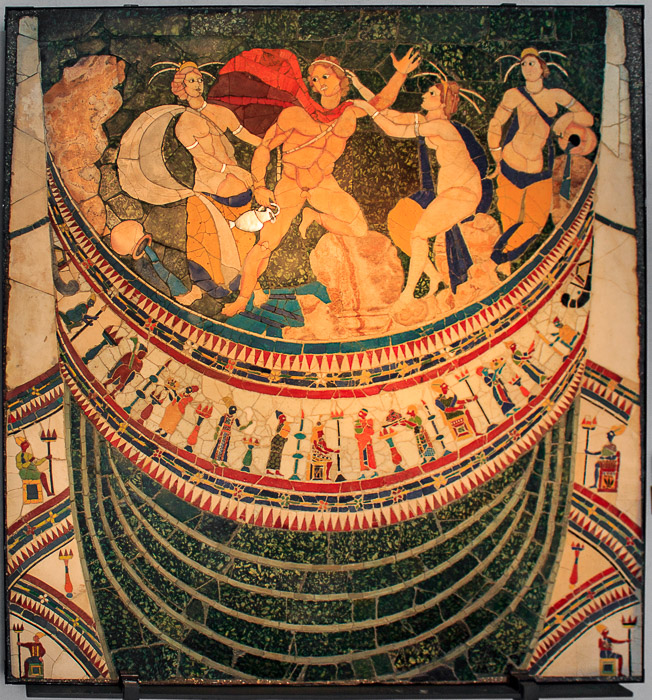
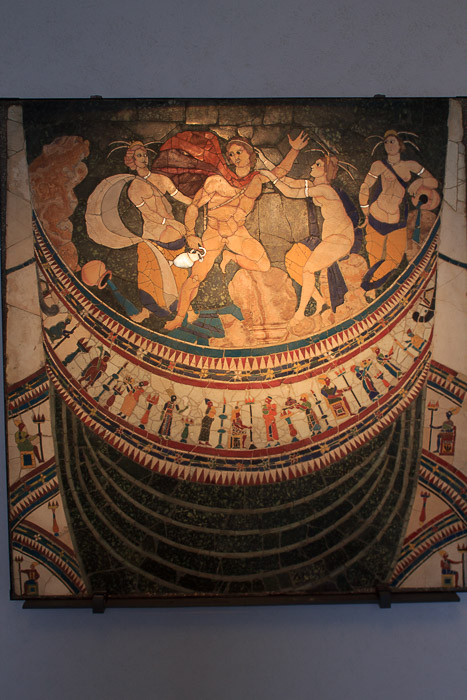
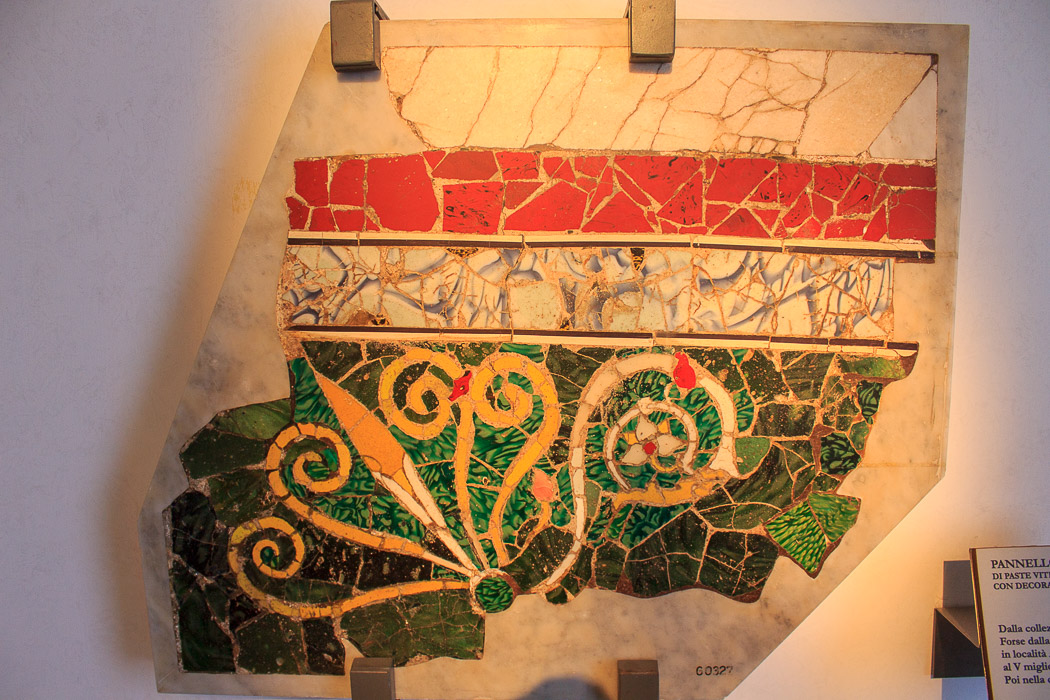
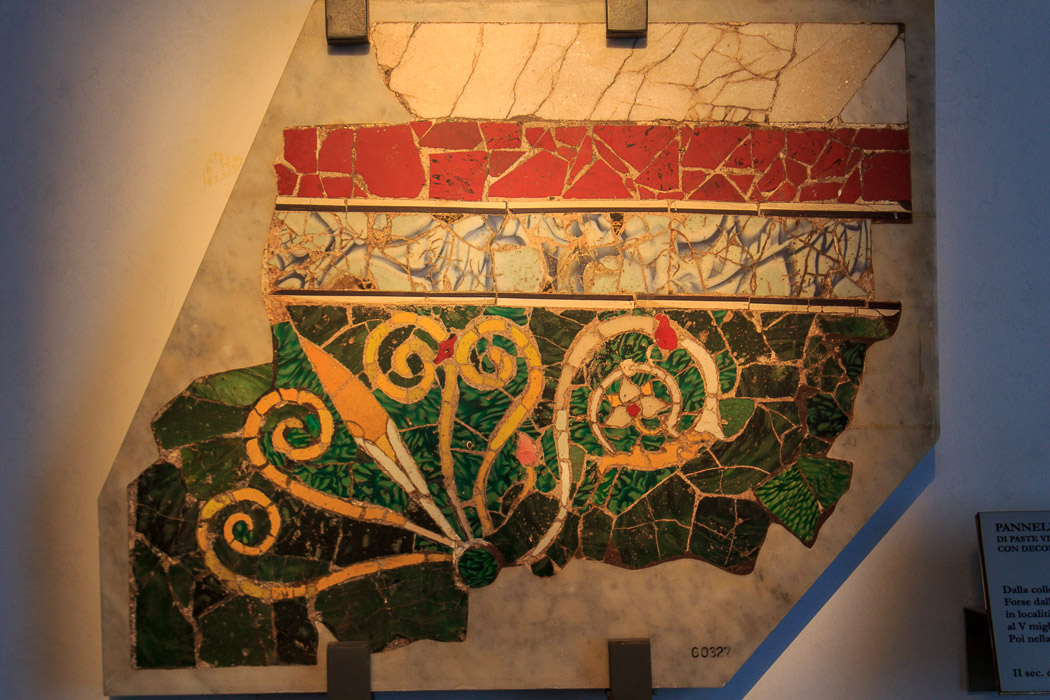
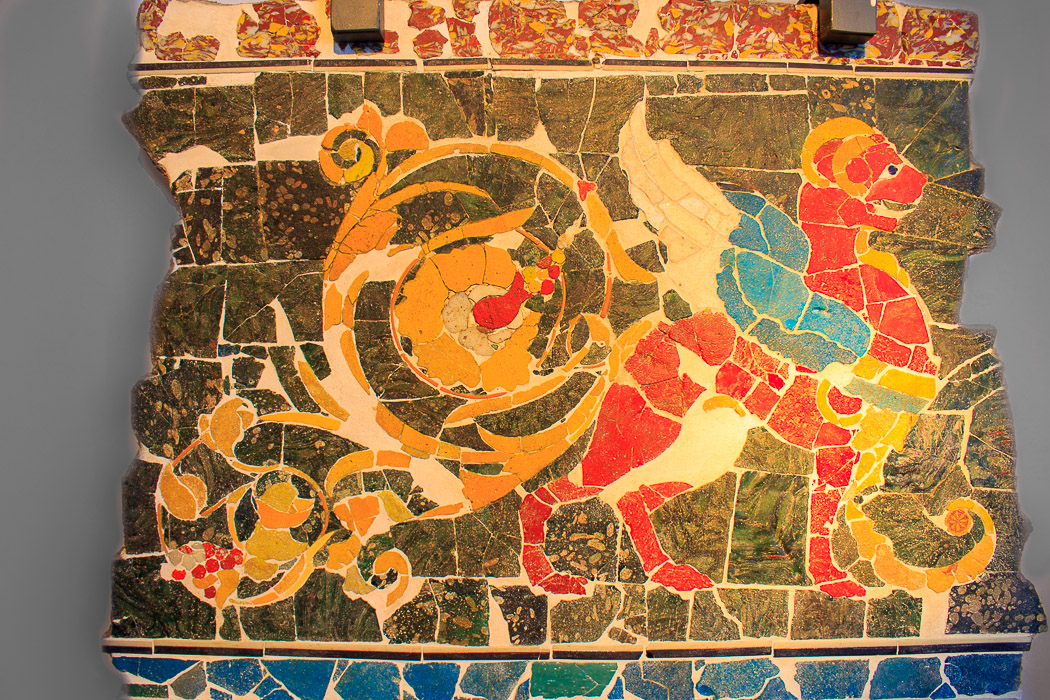
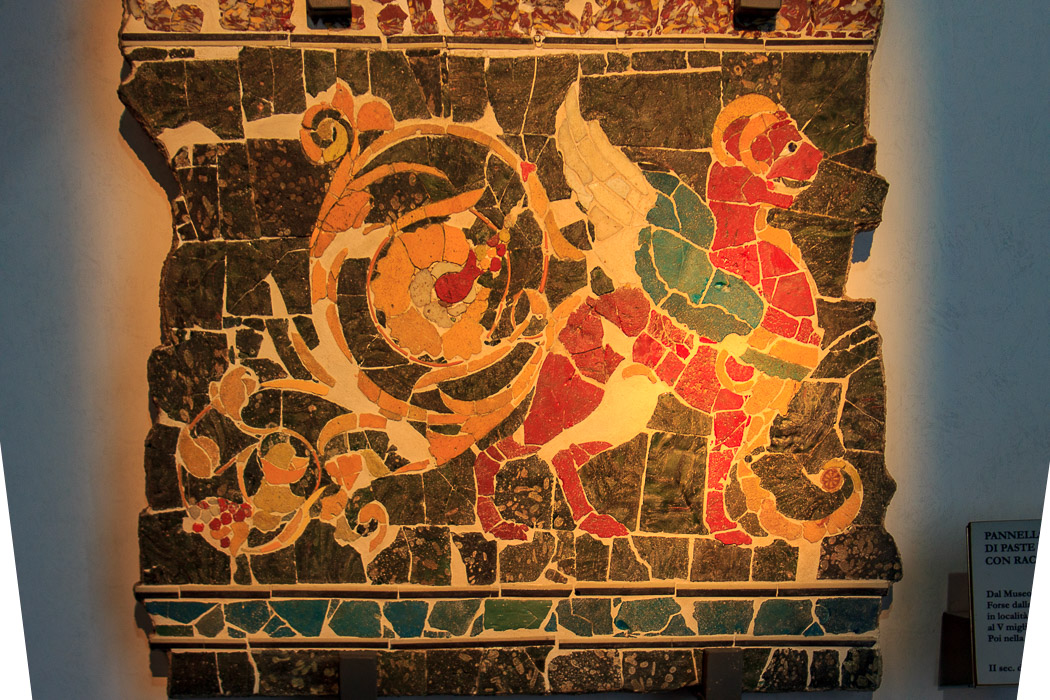
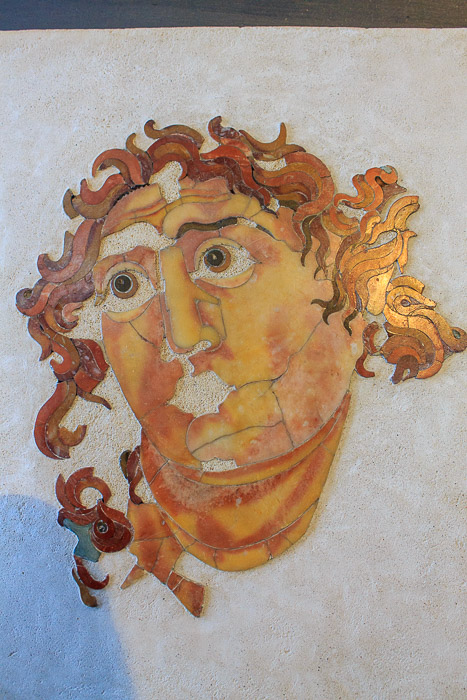
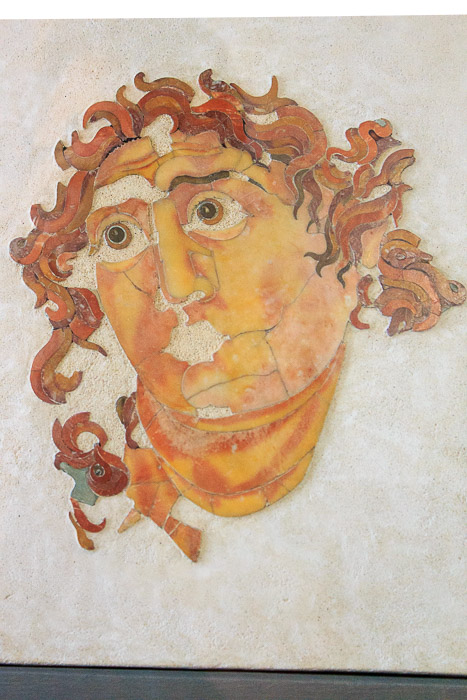
Room 11 contains several fine examples of inlaid decorations in colored marble, called opus sectile. As opposed to a mosaic which is formed from small uniformly sized square pieces of tile, opus sectile is made from larger custom-shaped pieces of marble, mother of pearl, and glass, inlaid to make a picture. Other examples of opus sectile can be seen on the 3rd landing of the grand staircase of the Capitoline Museum. The two examples shown in the first four photos below and the two tigers attacking calves in the Capitoline Museum are all that remains of the dazzling and varied pagan mural decoration in opus sectile of a reception hall in a building erected on the Esquiline near where Santa Maria Maggiore now stands. It is called the Basilica of Junius Bassus because it had been owned by Junius Bassus, consul in 331 AD. The 1st photo below shows a chariot drawn by two white horses and driven by a person of high rank (perhaps Junius Bassus himself) dressed in a sumptuous toga picta. Numerous and varied fragments of cameo glass, which had not been produced since the end of the 1st century AD, were re-utilized for the toga. He is giving the starting signal for the race in the circus. Behind him we see four riders in typical costumes of charioteers. Their tunics are colored red, blue, green and white, with sleeves of different colors. All of this is surrounded by a background of green stones (serpentine, verde prato, Greek porphyry).
This ends the rooms on the second floor and you should now go down to the basement.
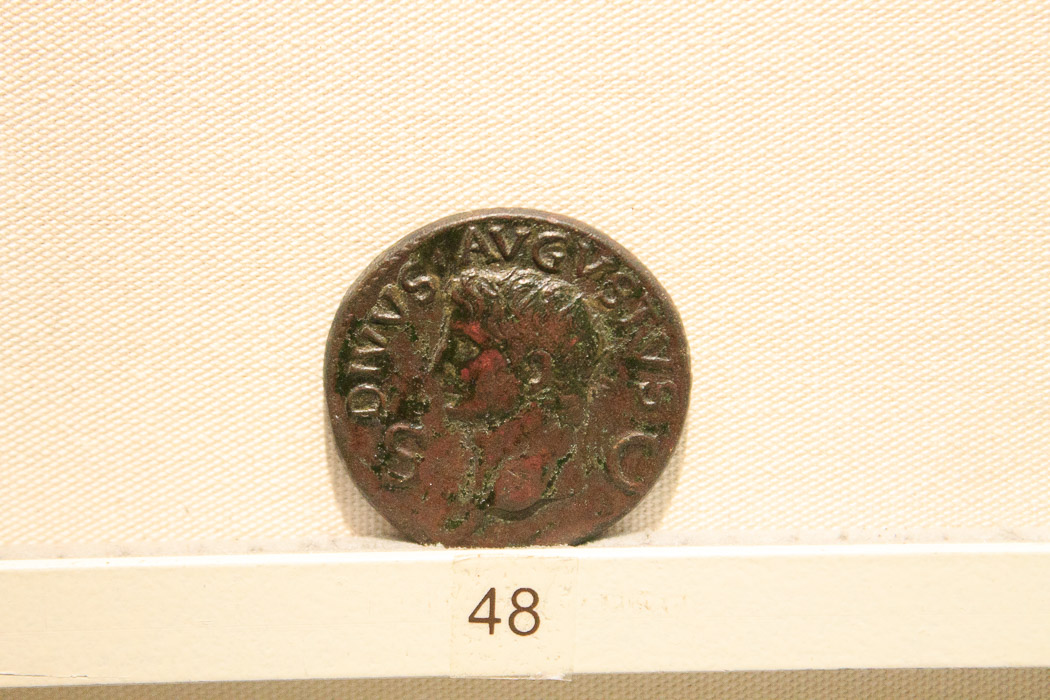
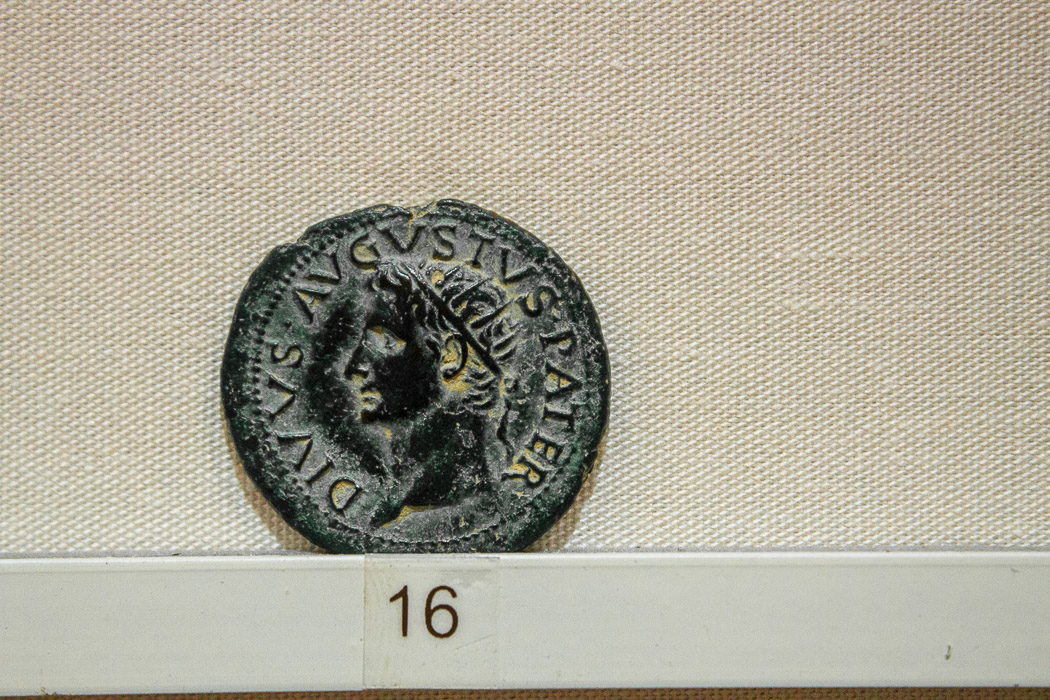
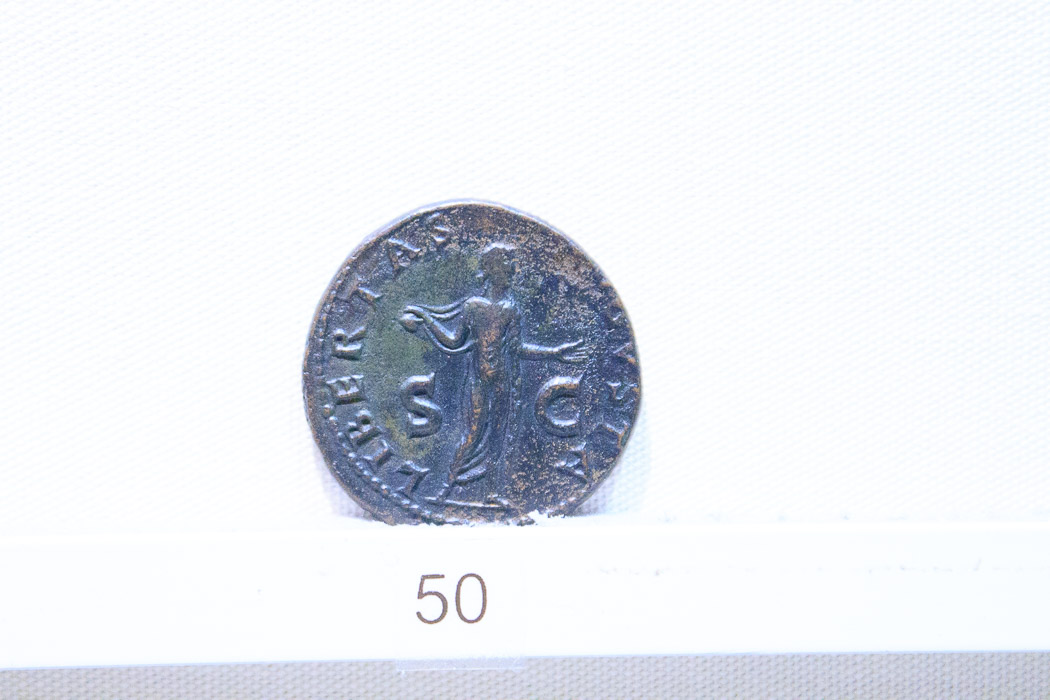
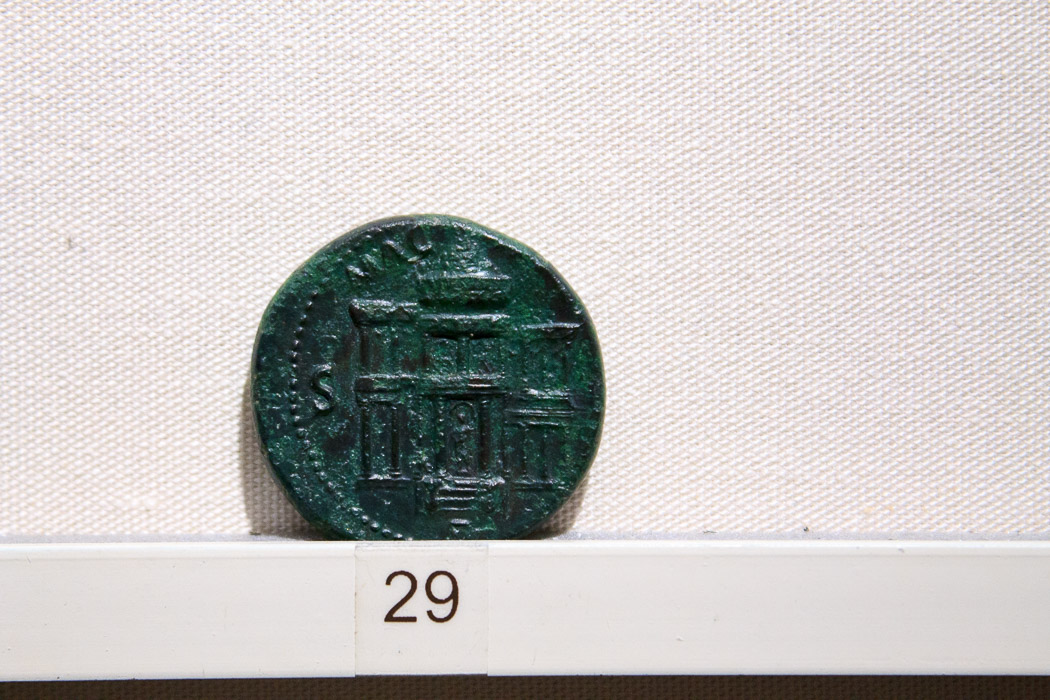
Room 3 is the only room I photographed in the basement of the museum. It displays many many many coins and I photographed these few that are of personal interest to me.
I found this museum to be an excellent way to spend a couple hours, with an interesting collection of history and art all described very well on signs in Italian and English. I would highly recommend this second-tier museum, assuming you've already seen the first-tier museums: Capitoline Museum, the Vatican Museum, and the Borghese Gallery. I found it to be the best of the four museums which are part of the National Museum of Rome.
See also: